
Description
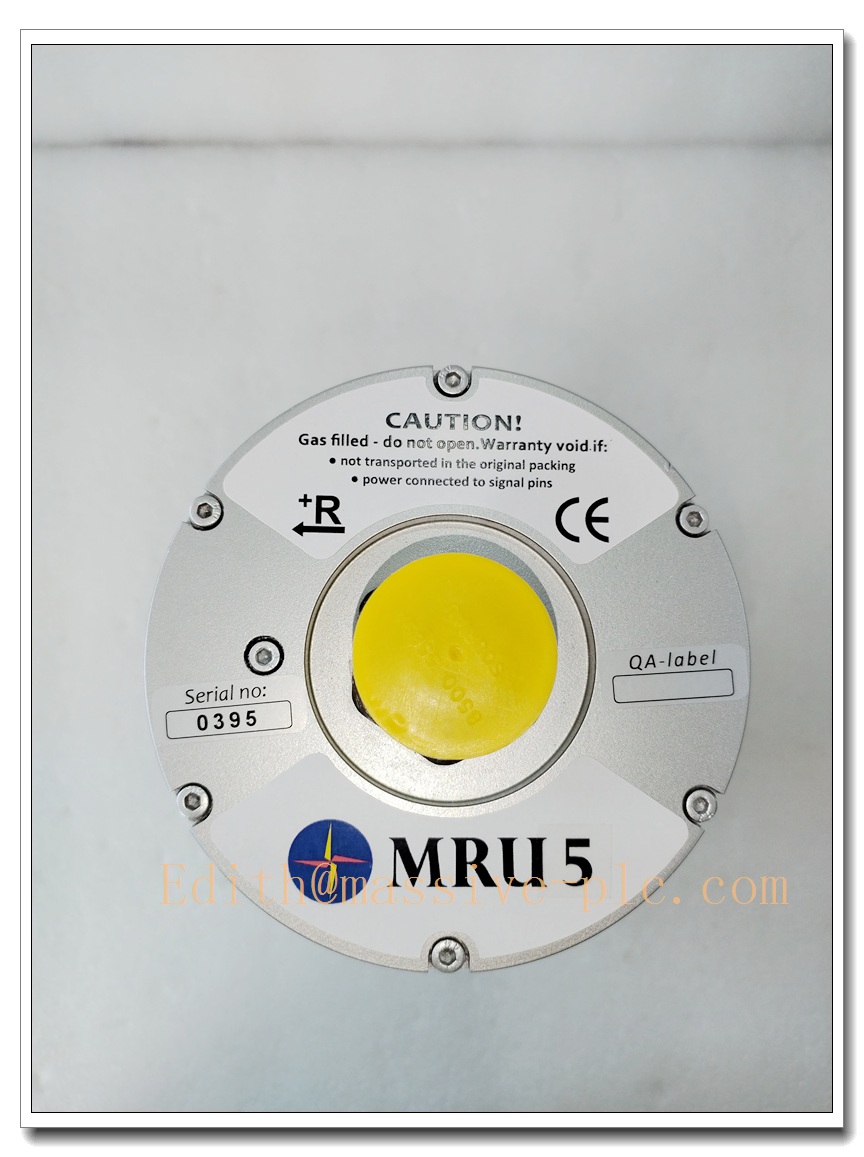
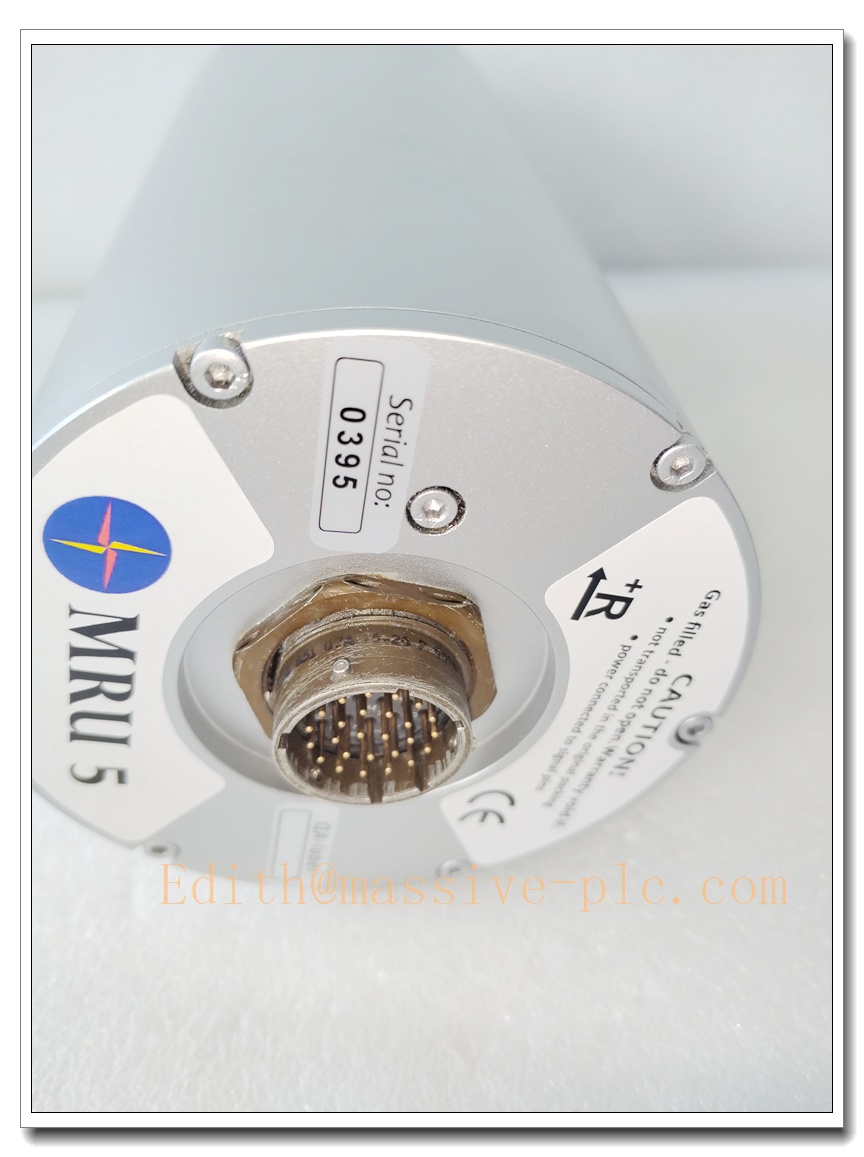
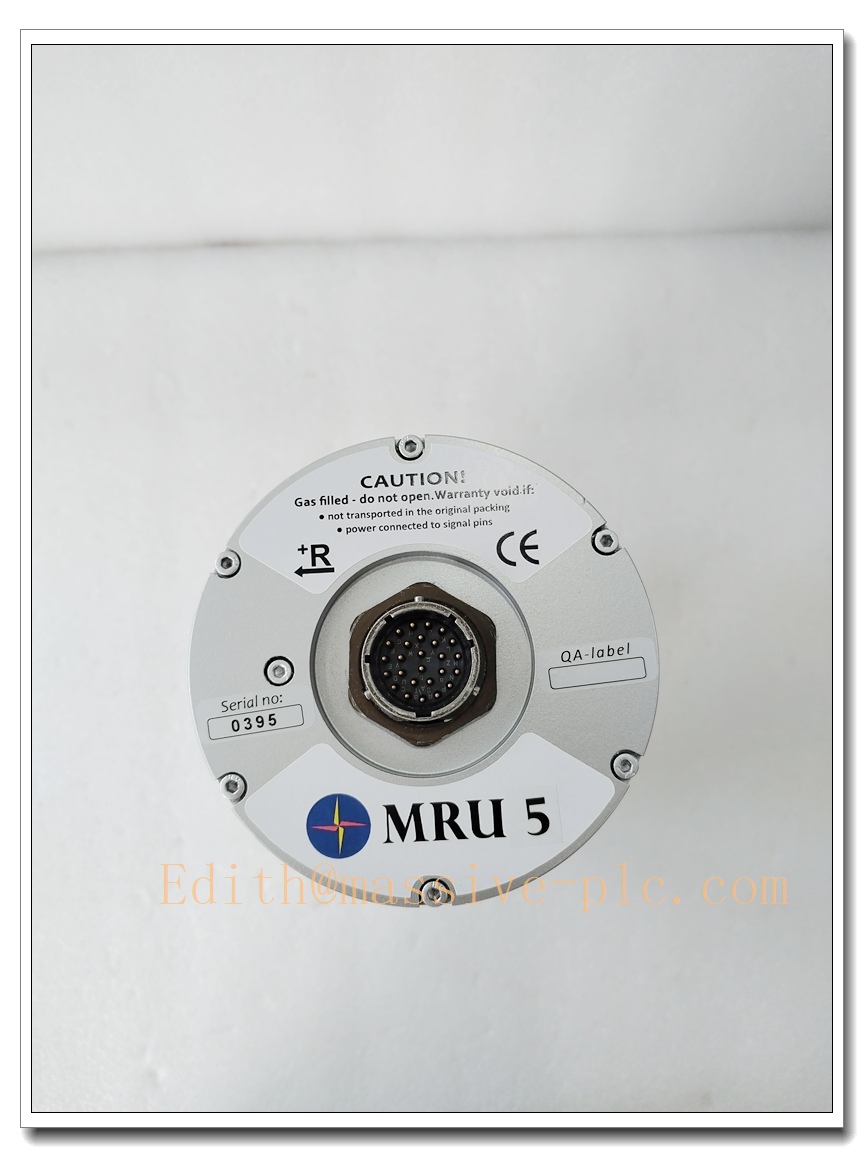
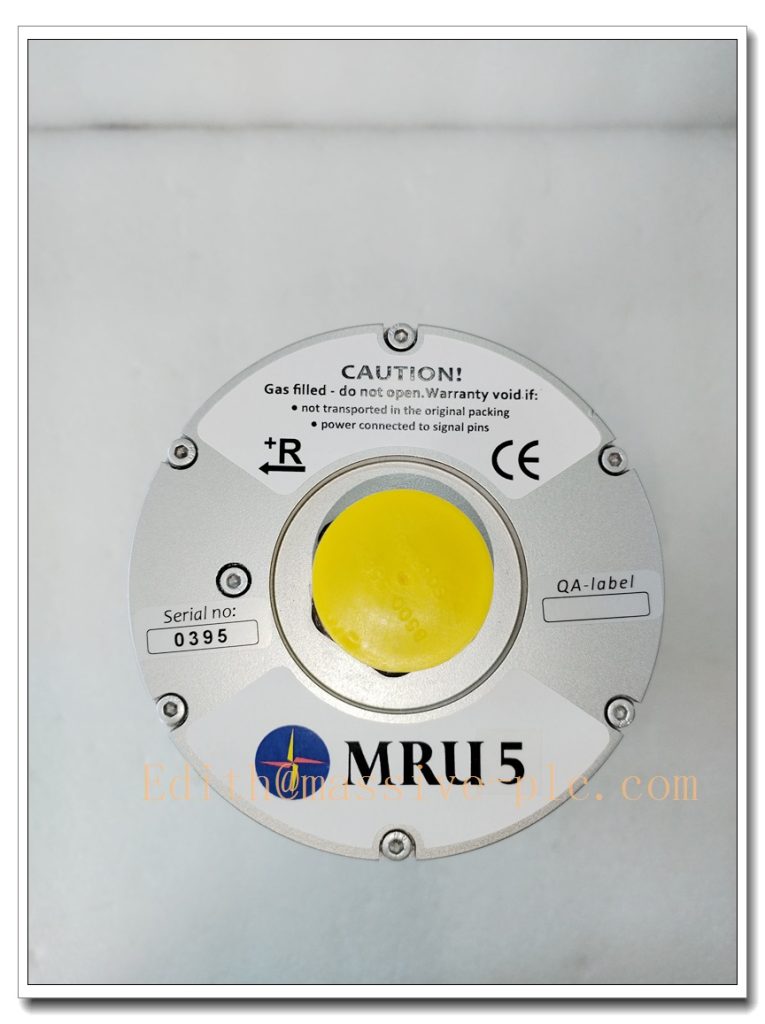
Kongsberg MRU-5 High Precision Marine Motion Reference Unit, Roll Pitch Heave Inertial Sensor
Product Description
The MRU-5 is a fifth-generation marine-grade motion reference unit developed by Kongsberg Seatex. It integrates three high-performance MEMS gyros and three precision accelerometers, delivering high-bandwidth measurement of roll, pitch, heave, angular rate and linear acceleration. Equipped with patented PFreeHeave algorithm, it provides stable real-time and delayed heave compensation for long wave periods. The unit supports dual-point lever-arm compensation, complies with IHO Special Order standards, and outputs motion data via Ethernet and serial interfaces. Widely used as a critical motion sensor for dynamic positioning, multibeam hydrographic survey, offshore crane compensation and underwater acoustic positioning. Each unit is factory-calibrated with an individual calibration certificate.
MRU-5
Technical Parameters
| Item | Specification |
|---|---|
| Manufacturer | Kongsberg Seatex |
| Model | MRU-5 |
| Sensor Type | 3-axis MEMS gyroscope + 3-axis accelerometer |
| Static Roll/Pitch Accuracy | 0.02° RMS |
| Dynamic Roll/Pitch Accuracy | 0.005° (1-sigma) |
| Real-Time Heave Accuracy | 5 cm or 5% RMS, up to 25 s wave period |
| Delayed Heave Accuracy | 1 cm or 1% RMS, up to 50 s wave period |
| Data Output Rate | Up to 200 Hz |
| Power Supply | 10–36 VDC, typical 24 VDC marine supply |
| Power Consumption | Max 8 W, typical 7.2 W |
| Communication Interfaces | 10/100 Mbps Ethernet UDP/IP, RS422, RS232 |
| Protocol | NMEA 0183, proprietary Kongsberg motion sentences |
| Mounting | Arbitrary orientation, M5 mounting holes |
| Operating Temperature | -5 ℃ ~ +55 ℃ |
| Ingress Rating | IP67 sealed housing |
| Certifications | IHO Special Order, DNV marine approval, CE |
| Weight | Approx. 1.0 kg |
| Timing Precision | <1 ms synchronization |
Recommended Related Models (8 units)
- MRU-5+: Higher precision upgraded version, static roll/pitch 0.008° RMS
- MRU-E: Cost-effective fifth-gen MRU for standard survey and vessel monitoring
- MRU-H: High-stability variant optimized for heave-critical offshore operations
- MRU-3: Mid-range motion reference unit for general DP and sonar systems
- MRU-D: Compact roll/pitch sensor for vessel voyage recording and antenna stabilization
- miniMRU: Small lightweight MRU for ROV, AUV and compact marine payloads
- DPS112: Kongsberg DGNSS position reference sensor, paired with MRU-5 for DP
- Seapath 320: Integrated GNSS attitude & heading system with embedded MRU-5
Compatibility & Installation Traps
Compatibility
- Native integration: Kongsberg K-Pos DP systems, multibeam echosounders, hydrographic survey software, offshore crane motion compensation controllers
- Supporting software: Kongsberg MRU PC Tools / K-Config for parameter setup and calibration
- Synchronization: Compatible with GNSS PPS timing signal for time-aligned survey data
- Signal consumers: Acoustic positioning systems, ECDIS, data loggers and third-party marine automation
Critical Installation Traps
- Rigid Mounting Requirement: Mount only on solid, stiff vessel structure. Thin flexible panels or resonant structures amplify vibration and introduce noisy attitude readings.
- Lever Arm Calculation Error: The MRU measures motion at its own mounting point. Failing to input accurate lever-arm offsets for survey transducers or crane reference points causes large heave and attitude compensation errors.
- Magnetic & EMI Interference: Keep clear of high-current power cables, transformers, winch motors and magnetic compasses. Strong magnetic disturbance degrades inertial bias stability.
- Temperature Exposure: Do not install near engine exhaust, boilers or direct deck sunlight. Sustained temperature above +55 °C leads to thermal drift and calibration shift.
- Cable Ground Loops: Isolate serial RS422/RS232 lines between MRU and remote acquisition units. Vessel ground potential differences create noise and intermittent data dropout.
- Heave Mode Misselection: Real-time heave has higher noise for long-period waves; delayed heave delivers better precision but introduces latency. Select mode matching the application.
- Axis Alignment Marking: Incorrect definition of vessel fore-aft/port-starboard axes results in swapped roll and pitch signals. Verify axis orientation in software after mechanical installation.
- Calibration Validity: Factory calibration is valid under specified environmental limits. Heavy shock or impact requires re-calibration before operational use.
Standard Operating Procedure (SOP)
- Pre-installation inspection: Check housing, connector and cable gland integrity. Review factory calibration certificate and confirm firmware revision compatible with host system software.
- Mechanical mounting: Fix with 4 off M5 stainless steel bolts onto rigid vessel structure. Record exact 3D lever-arm offsets from MRU to user reference points.
- Cabling and grounding: Route power and signal cables separately from high-power cabling. Apply proper shielding termination and galvanic isolation for serial interfaces.
- Software configuration: Connect via MRU PC Tools; define vessel axis orientation, select output sentences, set data rate and heave mode (real-time / delayed). Configure dual lever-arm compensation parameters.
- Static bench test: Power up and monitor roll, pitch and heave readings in stable condition. Confirm noise level matches datasheet specification.
- Sea trial commissioning: Compare MRU motion data with independent attitude references; perform static and dynamic cross-check during vessel maneuvers. Validate heave compensation on survey sensors or crane systems.
- Periodic maintenance: Visual inspection of connectors and cable glands quarterly. Conduct static performance check annually. Re-calibrate after heavy impact or long-term high-vibration service.
- Decommissioning: Disconnect 24 VDC power before removal. Cap connectors, store spare MRU in dry, shock-protected packaging.
Application Scenarios
- Offshore vessel Dynamic Positioning (DP) motion compensation
- Multibeam bathymetric survey and hydrographic data correction
- Offshore heavy-lift crane heave compensation
- Acoustic positioning (USBL) attitude correction
- ROV / AUV mother ship motion monitoring
- Seismic marine acquisition and streamer stabilization
- Antenna and optical payload stabilization at sea
- Dredger and cable-lay vessel motion logging
Supporting Components
- MRU configuration software and USB service cable
- IP67 rated marine power & serial signal cable
- Galvanic isolator for RS422 NMEA communication
- Stainless steel M5 mounting bolt kit and vibration damping shims
- Cable glands and spare connector contacts
- 24 VDC filtered marine power supply with reverse polarity protection
- PPS GNSS timing module for data synchronization
- Shock-protect transit case for spare sensor storage

 Start Chat