
Description
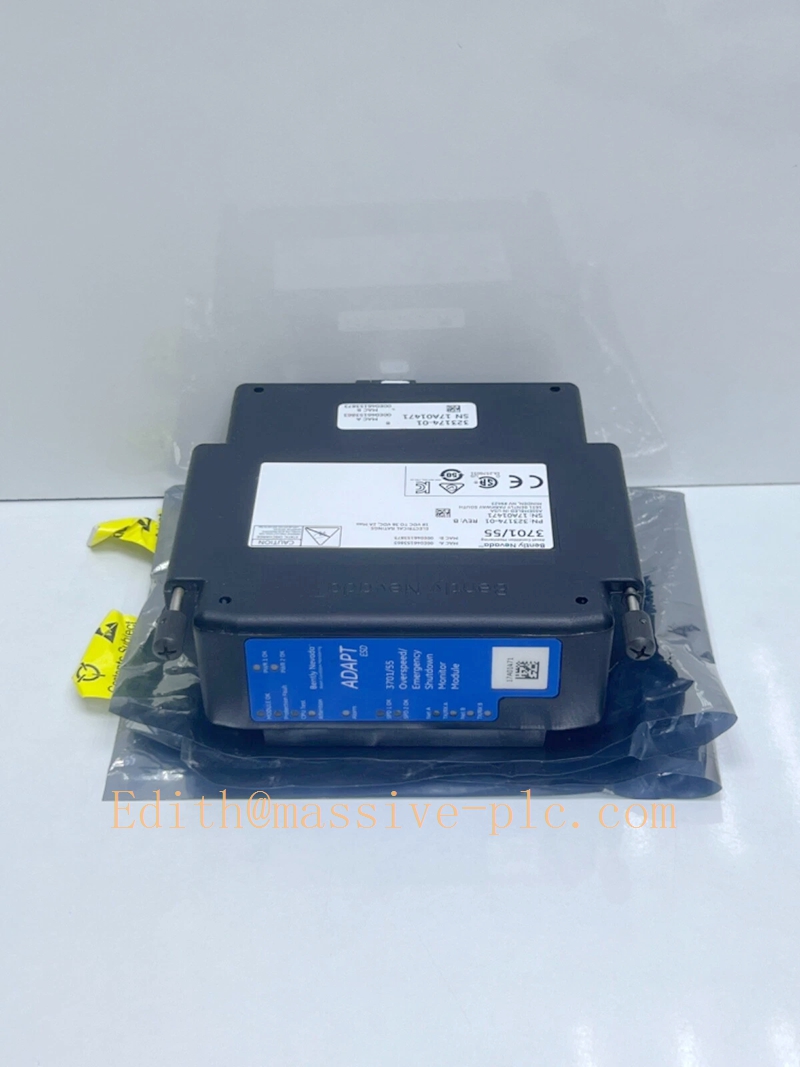
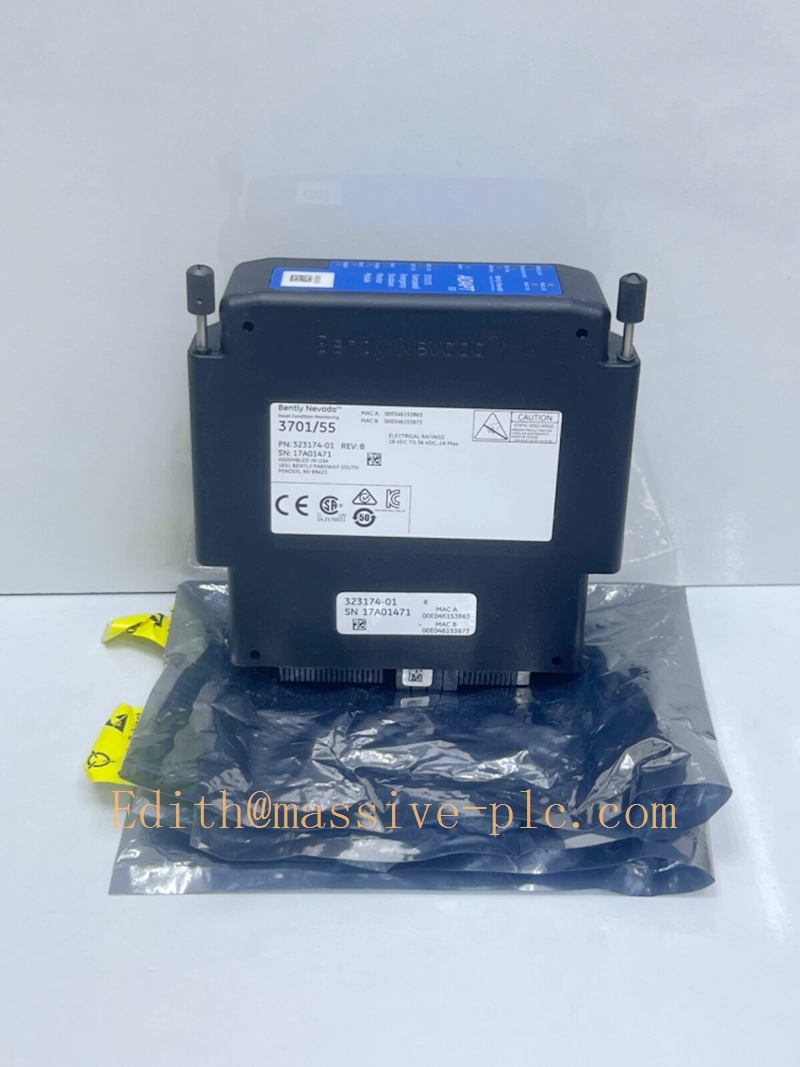
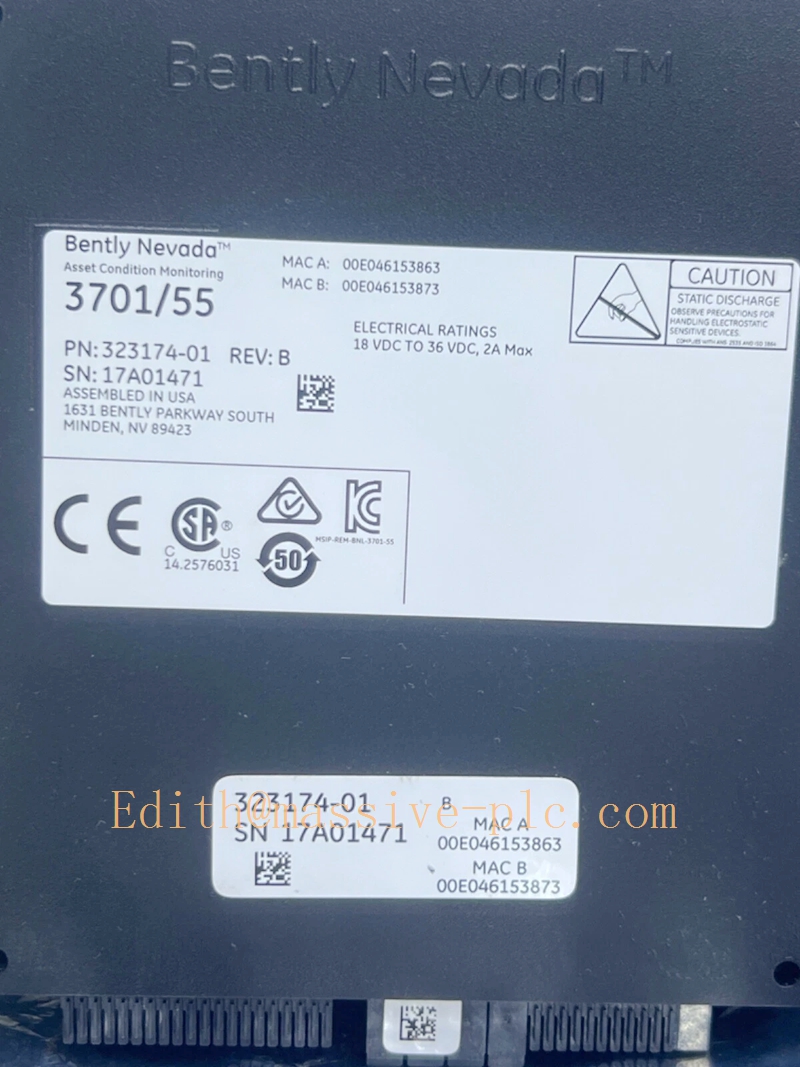
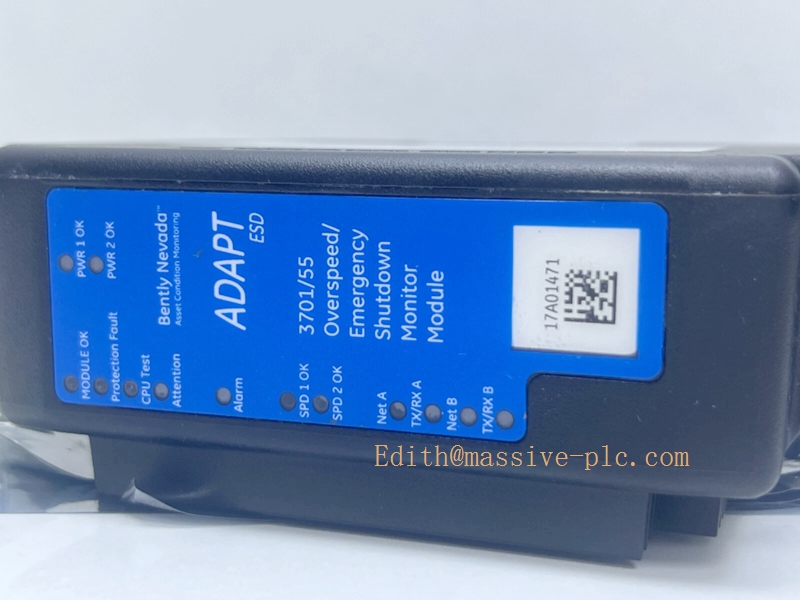
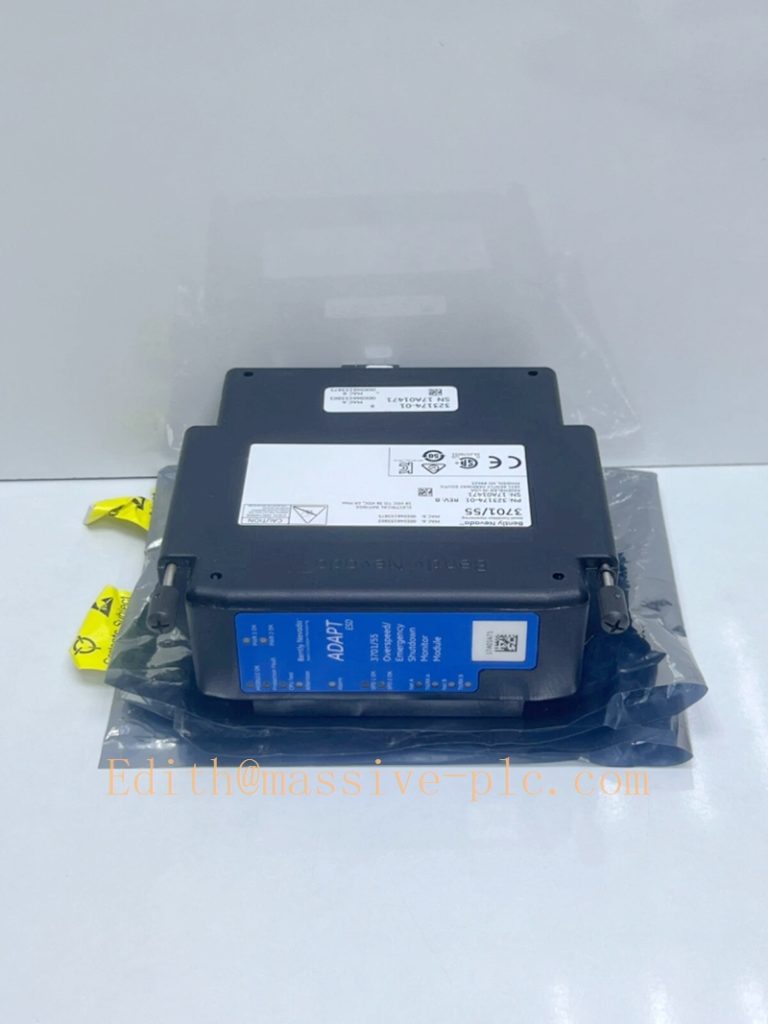
Bently Nevada 3701/55 ADAPT ESD Emergency Shutdown Device
Model Introduction
Model: 3701/55 ADAPT ESD Emergency Shutdown Device Part Number:3701/55 (internal reference:323174‑01) Device Type: Triple Modular Redundancy(TMR) safety ESD controller of ADAPT‑3701 system familyBaker Hugh… Manufacturer: Bently Nevada (Baker Hughes)
System Compatibility: ‑ Stand‑alone compact safety shutdown system, not belong to 3500 rack, not belong to 1900 series panel‑mount monitorsBaker Hugh…. ‑ TMR triple redundant CPU architecture, integrate overspeed protection function. ‑ Mix‑input support: speed keyphasor input, discrete DI, 4‑20 mA analog input; relay safety output modules. ‑ Configuration via ADAPT configuration software, support Modbus TCP/RTU for DCS/SCADA host connection.
Application Scenarios: Critical rotating machinery emergency protection: steam turbine, gas turbine, expander, hydro‑turbine. Mainly for overspeed trip, interlock logic, emergency shutdown protection. Complies with API‑670, meets functional safety requirements for machinery protection systemsBaker Hugh…. Country of Origin: United States Lifecycle Status: Active production, spare parts & new units available.
Important note: ‑ 3701/55 is safety ESD controller, not vibration monitor. It executes safety trip logic, not for routine vibration measurement. ‑ Complete system consists of: TMR processing module(3701/55) + relay output modules + base chassis. Cannot work only with single CPU module without base and output modules.
bently 370155
Technical Introduction
Core Functions
‑ Triple Modular Redundancy (TMR) 3‑CPU voting architecture for high‑safety emergency shutdown. ‑ Integrated overspeed detection: total 6 speed input channels (2 channels per CPU slice). ‑ Input resource: total 32 DI/PV channels; 12 channels configurable as discrete input or 4‑20 mA analog input, others for discrete signal only. ‑ Graphic logic programming, user‑defined safety interlock & trip logic. ‑ Relay output modules: each relay module contains 5 SPDT relays (4 for logic annunciation, 1 for protection path OK status). ‑ Comprehensive self‑diagnostics for module, power supply, input/output channel fault detection. ‑ Event log & trip history record for post‑trip analysis. ‑ Communication: Modbus TCP / Modbus RTU for remote data upload to DCS.
Key Technical Specifications
| Item | Parameter |
|---|---|
| Architecture | Triple Modular Redundancy (TMR) |
| Speed input | 6 total speed / keyphasor channels |
| Discrete / Analog Input | 32 channels; 12‑channel configurable DI /4‑20 mA |
| Relay output | Relay module dependent, SPDT safety relays |
| Power supply | 24 VDC nominal power supply |
| Operating temperature | ‑30 ℃ ~ +65 ℃ |
| Storage temperature | ‑45 ℃ ~ +85 ℃ |
| Humidity | 0‑95 % non‑condensing |
| Communication | Modbus TCP, Modbus RTU |
| Compliance | API‑670, industrial safety & EMC standards |
| Weight(Processing module) | 1.2 kg |
Mechanical Feature
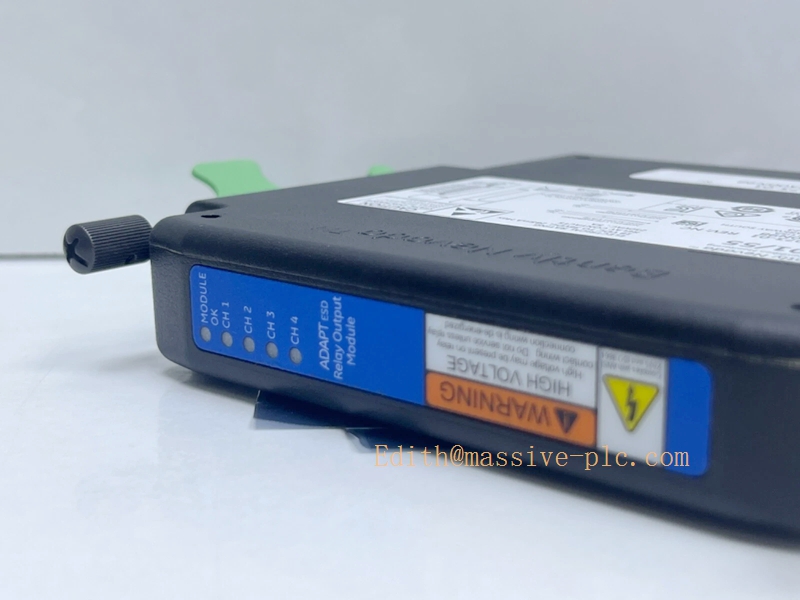
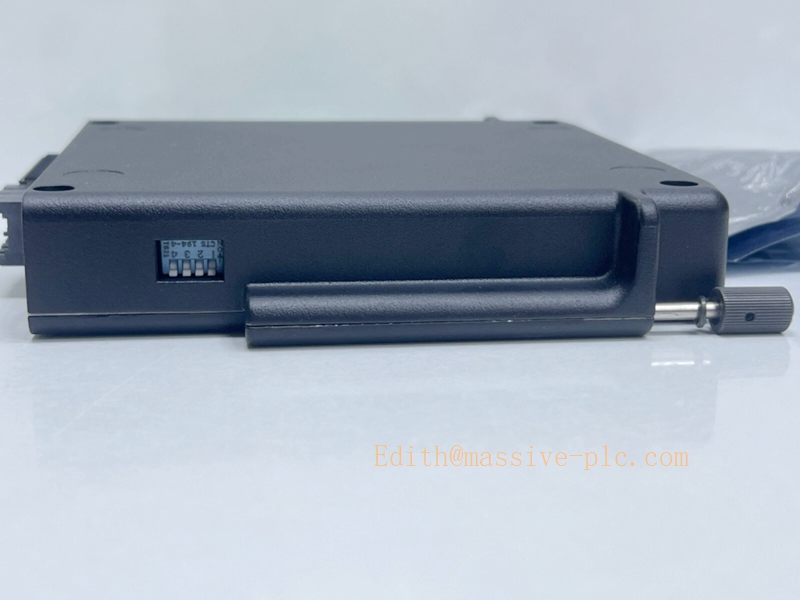
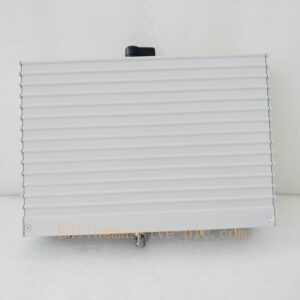
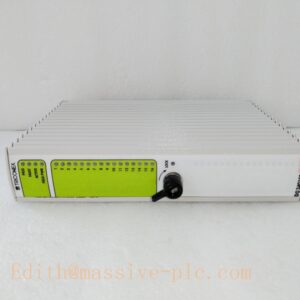
Compact plug‑in module for ADAPT‑3701 base chassis. Metal cast module housing, drawer‑style plug‑in installation. Processing module and relay output modules insert into common system base. Module hot‑swap is supported under specific system conditions; follow official maintenance manual. Field wiring terminates on base chassis terminal blocks.
bently 370155
Adaptive Quality Assurance & Test Protocol
3.1 Factory Adaptive QA Procedure
- TMR three‑slice CPU power‑on self‑test, voting logic verification.
- Speed / overspeed function test, inject keyphasor speed signal, verify overspeed trip threshold & action.
- Discrete input & 4‑20 mA analog input channel accuracy test.
- User‑defined safety logic download and execution test, verify relay output response.
- Fault injection test: single‑CPU fault, channel fault, power‑supply fault, verify TMR voting behaviour.
- Event‑log recording verification for trip & fault events.
- Modbus TCP/RTU communication interoperability test.
- Environmental screening: temperature cycling, vibration test, EMC noise‑immunity test.
- Serial‑number traceability, full functional‑test report archived.
3.2 On‑site Acceptance Test Protocol
- Visual inspection: Check processing module, relay modules, base chassis, connectors without mechanical damage.
- System wiring check: 24VDC power, speed keyphasor inputs, DI/AI field signals, relay trip output wiring, Modbus communication wiring.
- Power‑on the whole ADAPT‑ESD system, confirm all three CPU slices pass self‑diagnostic, no system fault alarm.
- Download site safety logic project from ADAPT configuration software.
- Overspeed function test: inject simulated speed signal, verify overspeed trip action and relay output.
- Simulate discrete input / analog input condition change, verify logic execution and relay output.
- Simulate single‑module fault condition, confirm system keeps safe operation without false trip.
- Verify event log records trip and fault events correctly; cross‑check remote Modbus data on DCS side.
- Record part‑number, hardware‑revision, firmware‑version and project version for site QA archive.
Field Engineer Technical Notes
Installation Guidance
‑ Install ADAPT‑3701 chassis inside control cabinet, ensure adequate ventilation. ‑ Separate speed/keyphasor sensor cables from high‑power high‑voltage cables; use shielded cable with single‑end grounding. ‑ 3701/55 is only the TMR processing module; complete ESD system must be equipped with matched base chassis and relay output modules. Single module cannot run independently. ‑ Follow safety‑system operation procedure during module replacement; avoid accidental machinery trip.
Field note: 3701/55 ADAPT‑ESD is safety‑class emergency shutdown controller, not general‑purpose vibration monitor. For routine vibration monitoring, select 3500‑series or 1900‑series monitors.
Commissioning Tips
‑ All safety interlock logic is programmed inside ADAPT configuration software, download complete project to the TMR controller. ‑ Strictly perform overspeed trip function test after commissioning or after any project modification. ‑ Keep backup of site logic project file. ‑ Cross‑validate: Modbus remote reading shall be consistent with local system status.
Troubleshooting Common Issues
- System fault alarm: Check three CPU slices status; read detailed diagnostic information via ADAPT software.
- Overspeed protection cannot trip: Check keyphasor speed input wiring, signal amplitude, configuration overspeed threshold.
- Modbus communication failure: Verify IP address / baud‑rate, slave address, cable and termination resistor.
Diagnostic: Read system event log via ADAPT configuration software for detailed fault codes.
Maintenance & Spare‑part Recommendation
‑ Spare‑part suggestion: keep spare 3701/55 TMR processing module for emergency replacement; also consider spare relay output modules. ‑ Safety system: spare module shall run firmware version matching with on‑site running system. ‑ Preventive inspection during shutdown: check module locking status, base connector condition, wiring terminal tightness.
bently 370155
Product‑family reference table
| Part Number | Product name | System type | Core function |
|---|---|---|---|
| 3701/55 | ADAPT‑ESD Processing Module | ADAPT‑3701 TMR safety system | Overspeed & emergency shutdown safety logic |
| 1900‑series(1900/25,1900/27,1900/55,1900/65A) | Stand‑alone monitor | Panel‑mount auxiliary monitor | Vibration & temperature monitoring |
| 3500‑series modules | Rack‑based monitor | 3500 rack machinery protection system | Vibration, displacement, keyphasor protection |

 Start Chat