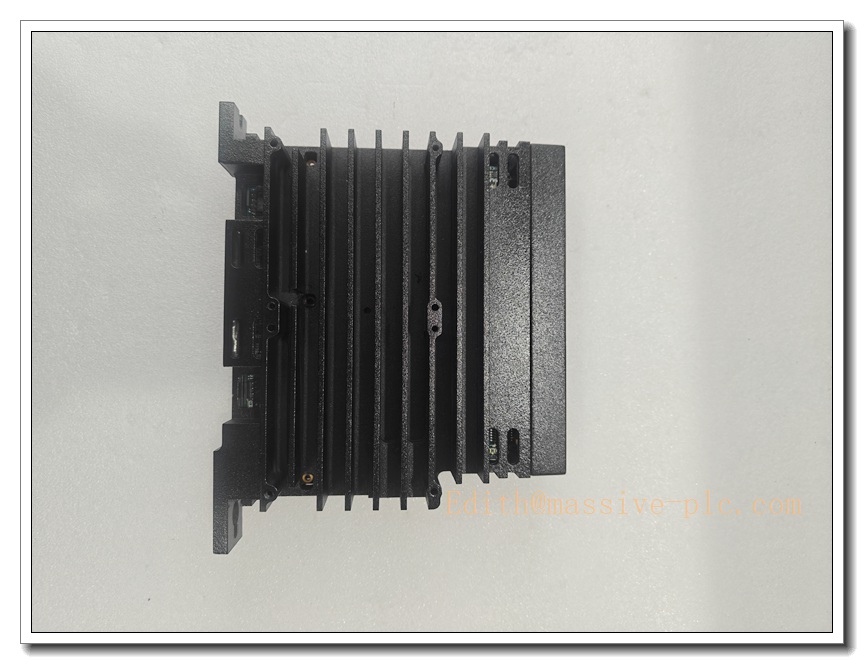
Description
The GE IS420UCSBH1A is a high-performance dual-core Universal Controller Module (UCSB) belonging to the GE Mark VIe distributed control system platform, manufactured
Product Core Overview
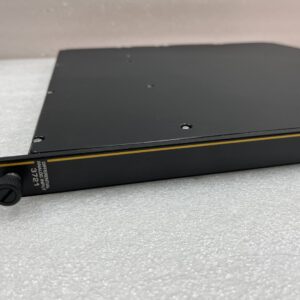
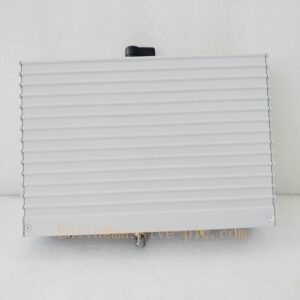
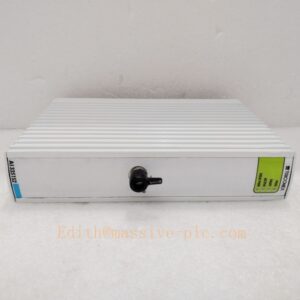
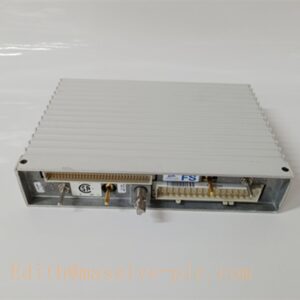
The GE IS420UCSBH1A is a high-performance dual-core Universal Controller Module (UCSB) belonging to the GE Mark VIe distributed control system platform, manufactured by General Electric for mission-critical turbine and process automation applications. As a fanless, ruggedized processing unit, it executes independent complex control logic, communicates with distributed I/O modules via the deterministic IONet protocol, and leverages IEEE 1588 PTP precision time synchronization to maintain sub-millisecond timing alignment across the entire control rack. Certified for GE Frame 7FA and 9FA heavy-duty gas turbines, it delivers 20+ years of long-term firmware compatibility and lifecycle support, making it the primary redundant processing core for modern power generation and industrial safety control systems .
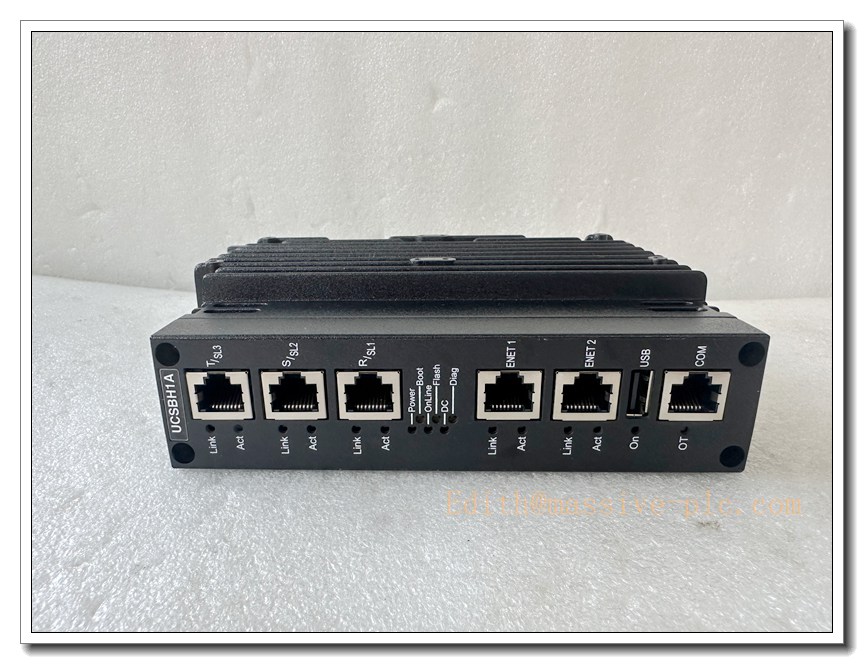
IS420UCSBH1A
Key Technical Specifications
- Processor: 600MHz Intel EP80579 dual-core industrial-grade microprocessor, optimized for real-time deterministic control workloads
- Power Requirements: 18–30V DC wide-range input, rated at 24V DC nominal, maximum operating current 1.5 ADC
- Synchronization: Native IEEE 1588 Precision Time Protocol support, achieving ≤1ms end-to-end response time for safety-critical trip routines
- Communication: Dual 10/100BASE-TX Ethernet ports for IONet fieldbus, supporting seamless interoperability with Mark VIe I/O modules, Proficy HMI platforms and third-party PLC systems
- Operating Temperature: -40°C to 70°C, fully compliant with ATEX Zone 2 and UL Class I Division 2 hazardous location certification standards
- Physical Dimensions: 204mm × 152mm × 55mm (8.03in × 5.99in × 2.17in), net weight approximately 1.1kg to 1.2kg
- Memory Architecture: Partitioned non-volatile flash for firmware and application logic, with ECC-protected SDRAM for runtime data processing to eliminate single-bit memory errors
- Safety Ratings: Certified for SIL 3 safety loop deployment, supporting redundant hot-standby operation with automatic bumpless switchover within 10ms
- Form Factor: Standard 1-slot Mark VIe rack-mount module, front panel equipped with dedicated status LEDs for power, run, network activity and fault diagnostics
8 Recommended Related Series Models
- IS420UCSCH1A: UCSC high-performance controller variant with 1GHz dual-core processor, expanded 1GB ECC SDRAM for large-scale turbine control logic
- IS420UCSAH1A: UCSA entry-level Mark VIe controller optimized for small steam turbine and balance-of-plant auxiliary control applications
- IS420UCSBH1B: Latest hardware revision of the UCSB controller, with enhanced surge protection and extended operating temperature range
- IS420AICIH1A: 16-channel analog input module with 16-bit high-precision sampling, designed for field process variable data acquisition
- IS420AOHH1A: 8-channel analog output module, supporting 4–20mA and 0–10V signal outputs for valve and actuator positioning control
- IS420SDII1A: 32-channel isolated digital input module, with 24V DC dry contact detection for interlock and status feedback signals
- IS420SDOH1A: 32-channel high-side digital output module, rated for 24V DC 0.5A load driving for local relay and indicator control
- IS420PPNH1A: Profinet IO communication gateway module, enabling seamless integration between Mark VIe system and external industrial Ethernet field devices
Professional Quality Control Test Standard Operating Procedure
- Pre-Test Visual Audit: Inspect the module PCB for physical damage, bent backplane pins, corroded connectors or loose surface-mount components; confirm all front panel status LEDs and locking mechanisms are fully intact
- Power Stress Validation: Insert the unit into a certified Mark VIe test chassis, apply variable DC input from 18V to 30V, verify no overcurrent or thermal shutdown occurs across the full voltage operating range
- Boot and Firmware Integrity Check: Connect the dedicated serial debug console, confirm BIOS initialization completes within 30 seconds, validate firmware signature matches the official GE release baseline with zero corruption
- IONet Communication Compliance Test: Use a GE IONet protocol analyzer to run 72-hour continuous packet transmission test, confirm zero frame loss and deterministic ≤1ms latency under full network load
- Redundancy Switchover Verification: Configure two identical IS420UCSBH1A units as redundant controller pair, force primary controller fault manually, validate bumpless switchover completes within 10ms with no output disruption
- Safety Function Loop Test: Execute all built-in safety trip routines, confirm every configured protection interlock triggers the correct fail-safe state within the specified 1ms maximum response window
- Environmental Temperature Cycling: Place the module in an environmental chamber, run full functional validation across -40°C to 70°C operating range, confirm no performance degradation or communication dropout at extreme temperature limits
- Final Calibration and Documentation: Record all test metrics in the official GE quality log, assign unique serial number traceability tag, and issue formal hazardous location certification report before shipment
New Module Installation Guidelines
- Pre-Installation Preparation: Fully power down the target Mark VIe control rack, confirm backplane DC output voltage is stable at 24V nominal, wear certified ESD wrist strap connected to the chassis grounding point before handling the module
- Slot Configuration: Insert the new IS420UCSBH1A into the designated controller slot in the Mark VIe rack, ensure no adjacent slots are occupied by incompatible non-Mark VIe modules that may cause backplane signal conflicts
- Mechanical Mating: Carefully align the module with the chassis guide rails, push it smoothly into the slot until the rear edge connector fully mates with the backplane, then lock the front panel mounting screws to recommended torque of 0.8Nm
- Cabling and Redundancy Setup: Connect primary and redundant IONet Ethernet cables to the dedicated control network switches, wire the 24V DC power input to the isolated redundant power supply bus, avoid sharing the same circuit with high-power field devices
- Power-Up and Initial Diagnostic: Restore chassis power, observe front panel RUN LED; confirm it transitions from blinking to steady green within 60 seconds, verify the module appears online in the control system WorkstationST diagnostic utility
- Logic Download and Validation: Transfer the validated application control logic to the new controller, perform full I/O point cross-check against the existing running controller, confirm all interlock and protection routines execute correctly before transferring production control authority
Application Scenarios and Features
- Heavy-Duty Gas Turbine Control: Serves as the primary redundant processing core for GE Frame 7FA/9FA combined cycle power plants, executing speed control, fuel sequencing, temperature limit protection and grid load dispatch logic with absolute deterministic performance
- Steam Turbine Island Automation: Deployed in thermal power generation and nuclear auxiliary control systems, providing closed-loop governing valve control, extraction pressure regulation and turbine stress calculation for large-scale steam turbine units
- Oil & Gas Compressor Control: Used in pipeline and refinery turbo-compressor control panels, delivering anti-surge protection, load sharing and high-reliability safety shutdown functionality for critical rotating equipment
- Hazardous Location Process Control: Certified for ATEX Zone 2 and Class I Division 2 deployment, operating reliably in petrochemical, offshore platform and mining process environments with explosive gas atmospheres
- Legacy System Migration: Acts as the drop-in upgrade replacement for older Mark VI controller units, preserving all existing field I/O wiring and application logic to minimize system downtime during control platform modernization
Frequently Asked Questions
- Q: Can I directly replace an existing IS420UCSBH1A unit with a different hardware revision?
A: Full compatibility requires matching the exact firmware version and GEH-6725 configuration baseline. Always confirm the part number suffix and hardware revision level before replacement, and run a full offline logic validation test before connecting to live production I/O. - Q: The module reports “Loss of Redundancy” alarm after power-up, what is the most common root cause?
A: This fault almost always indicates misconfigured IONet network cabling or mismatched firmware versions between the primary and standby controller. First verify both Ethernet ports are connected to the same dedicated redundant control switch, then confirm both units are running the exact same official GE firmware release. - Q: What is the maximum control loop execution speed this controller can support?
A: The IS420UCSBH1A can reliably execute up to 5000 function blocks in a 5ms deterministic control scan, making it fully capable of handling the most demanding turbine protection and high-speed interlock applications. - Q: Does this module support remote firmware upgrade without local on-site presence?
A: Yes, it supports authenticated remote firmware update through the WorkstationST configuration software, but GE strongly recommends performing this operation during scheduled maintenance windows with full backup of the existing application logic, to avoid unexpected control interruption.