
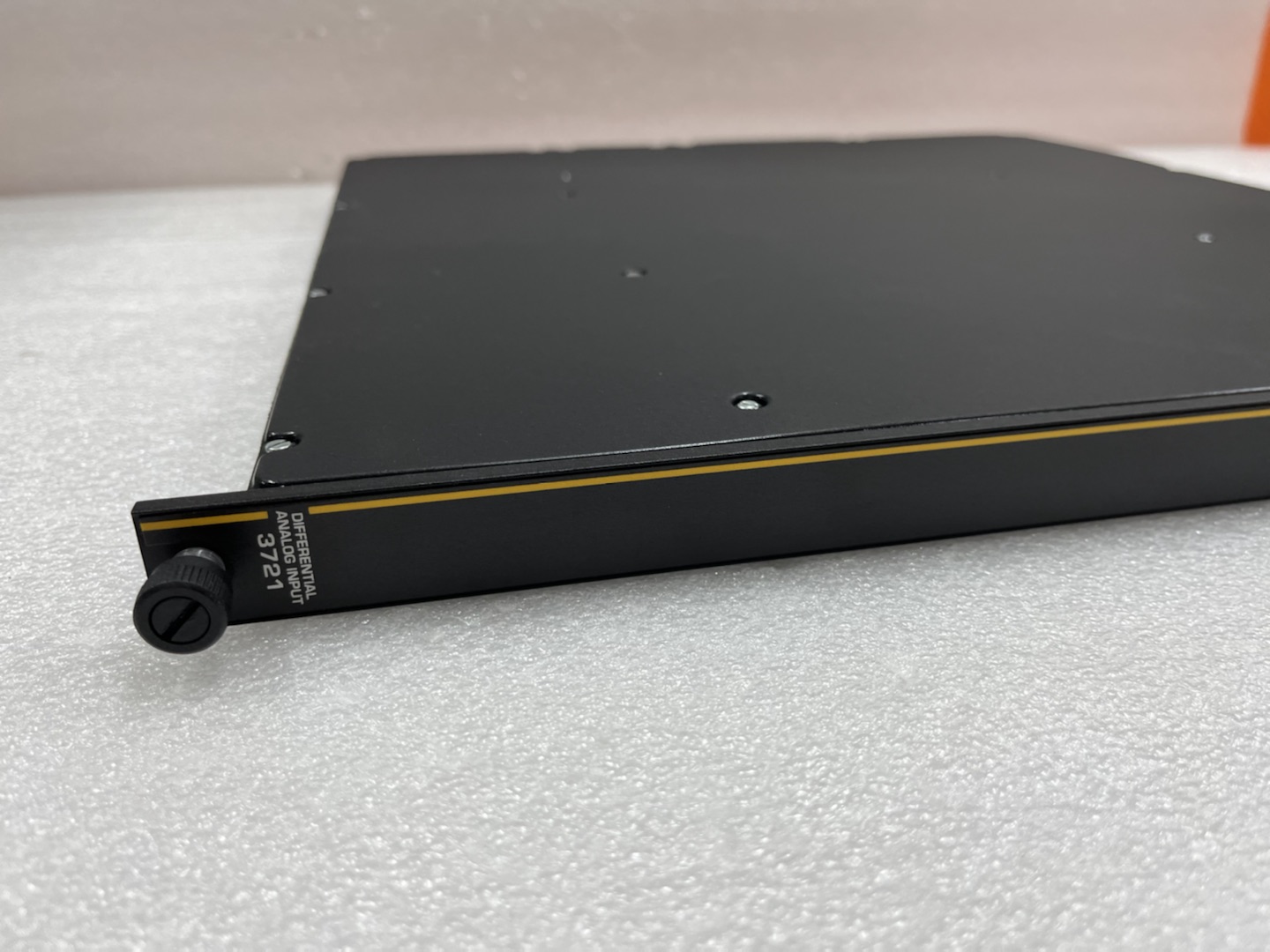
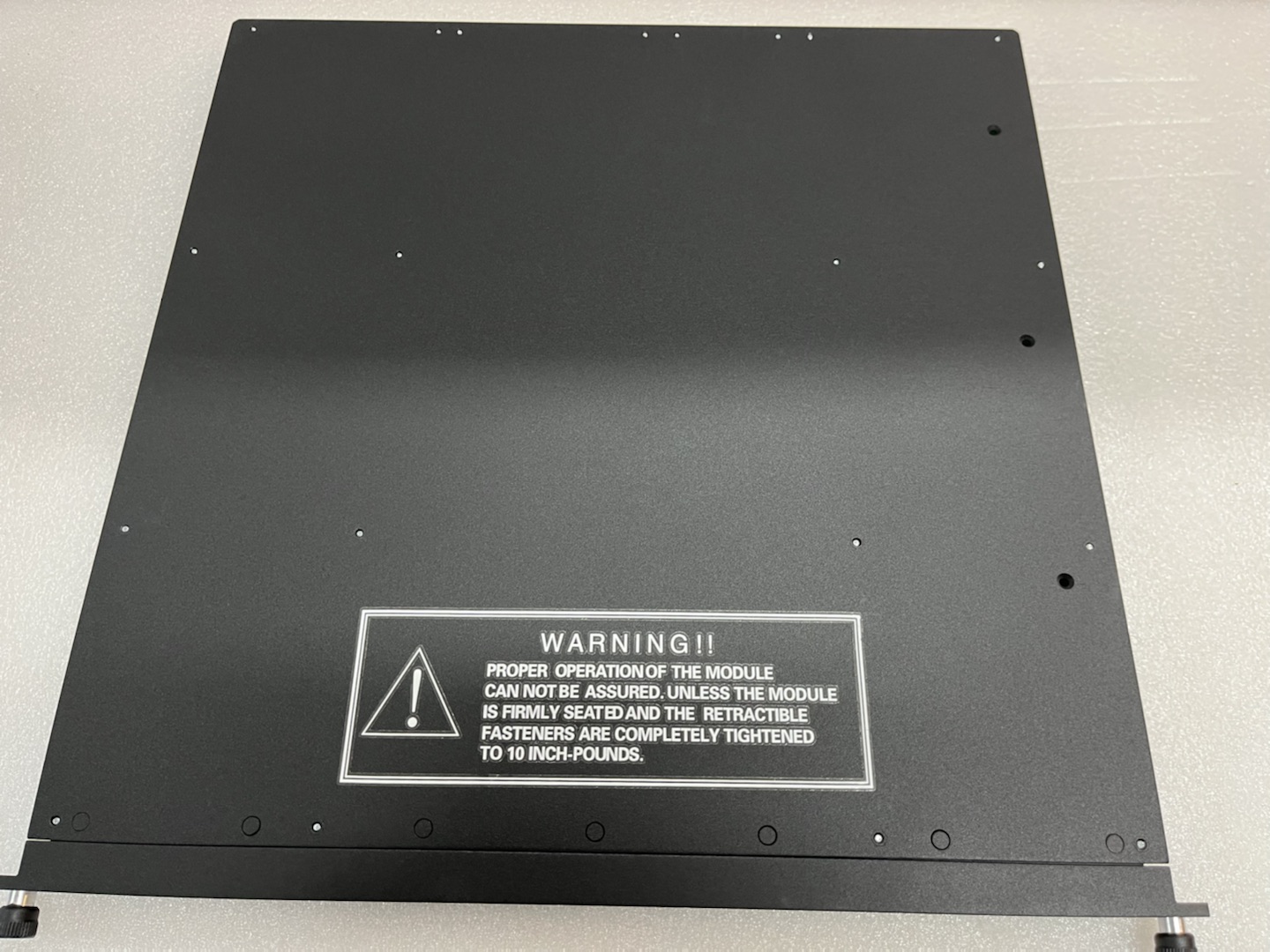
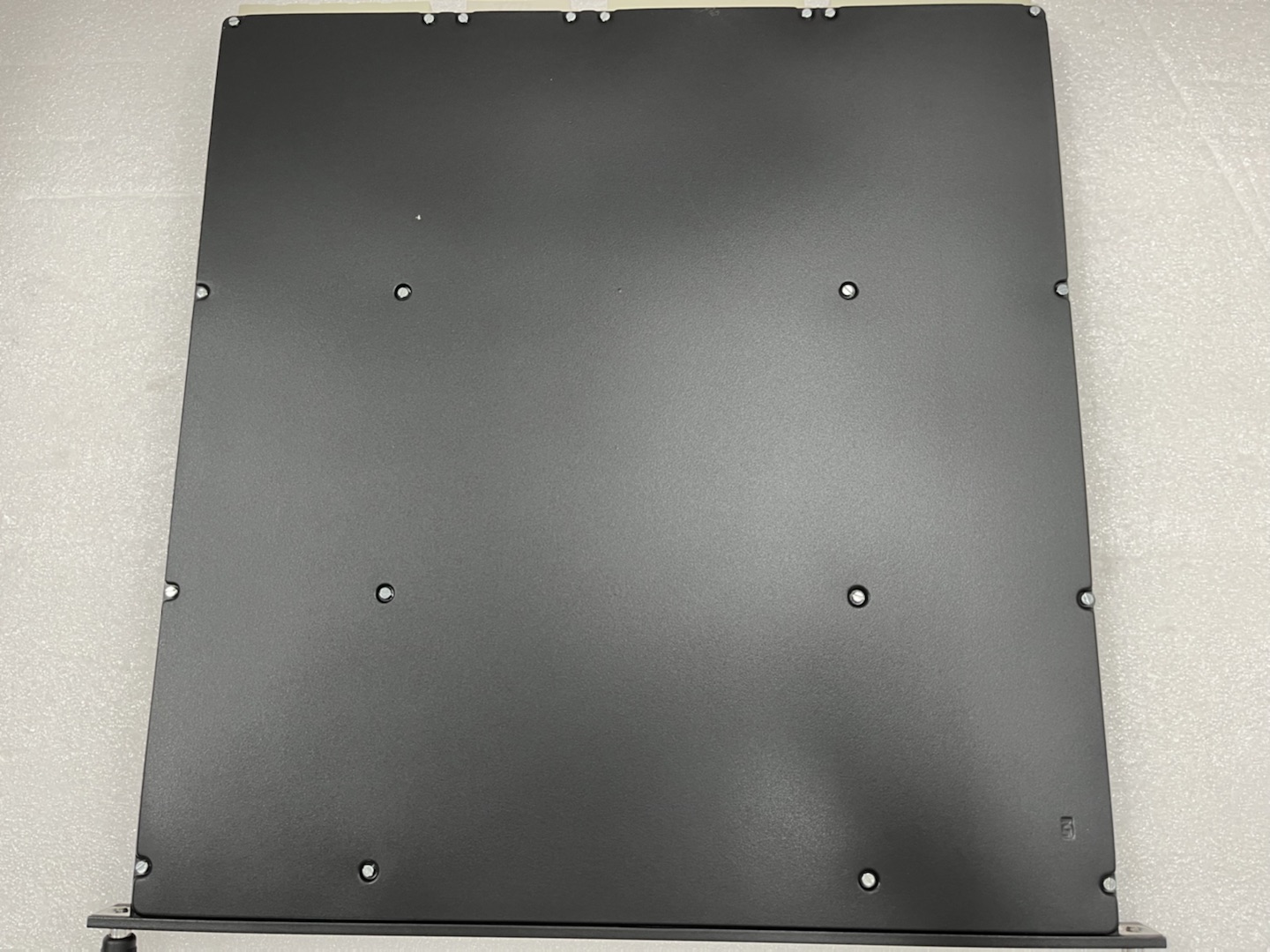
Description
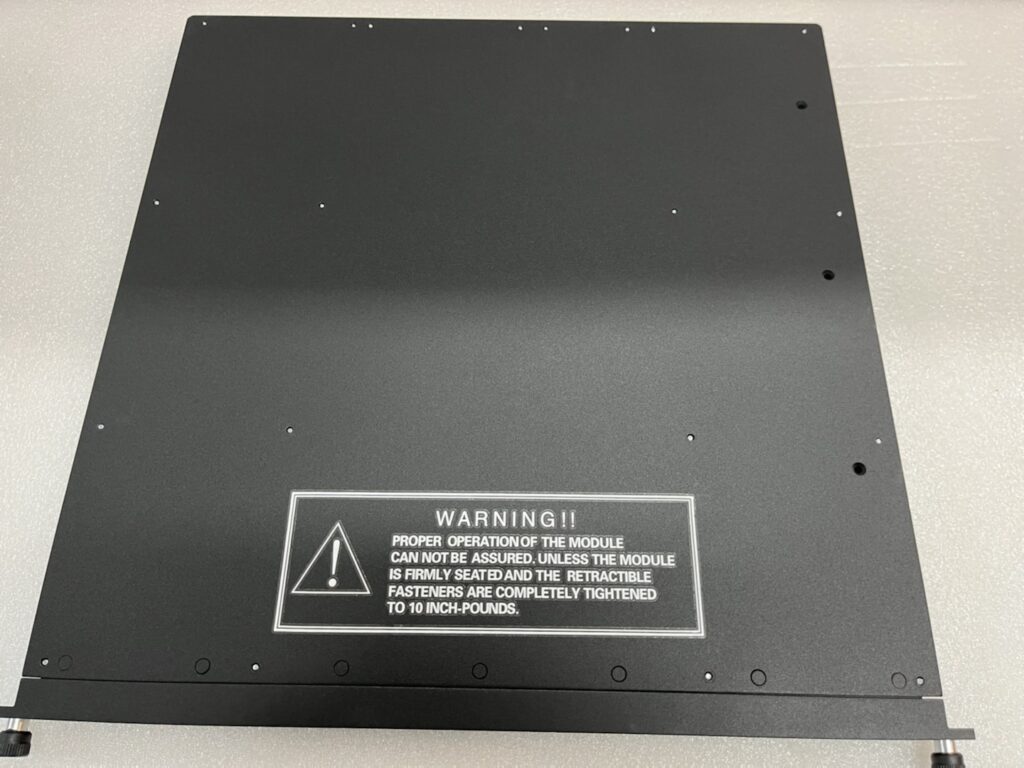
TRICONEX 3721 TMR Differential Analog Input Module Product Introduction
Product Overview
The TRICONEX 3721 is a high-performance TMR Triple Modular Redundancy Differential Analog Input Module designed exclusively for TRICONEX Tricon and Trident series Safety Instrumented Systems (SIS). Different from conventional single-ended analog input modules, the 3721 adopts professional differential signal acquisition architecture, which greatly suppresses common-mode interference and improves signal acquisition accuracy in long-distance transmission scenarios. It is mainly used for high-precision collection of DC voltage analog signals from field process transmitters and sensors.
Built with a full three-channel TMR redundant hardware structure and 2oo3 fault-tolerant voting mechanism, the module realizes synchronous sampling, data comparison and fault judgment of all differential analog signals. It automatically isolates single-point hardware failures and transient signal abnormalities without causing data deviation or misjudgment. Fully certified by TÜV to meet IEC 61508 SIL 3 functional safety standards, the 3721 is widely deployed in petrochemical, natural gas, thermal power and coal chemical industries for high-precision monitoring of key process parameters in ESD emergency shutdown systems, FGS fire and gas systems and large unit safety protection systems.
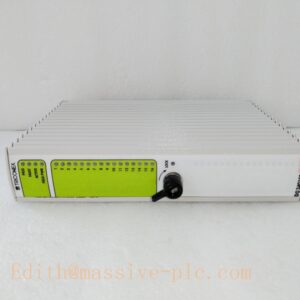
TRICONEX 3721
Core Technical Parameters
| Parameter Category | Detailed Specifications |
| Product Model | 3721 |
| Module Type | TMR Differential Safety Analog Input Module |
| Applicable System | TRICONEX Tricon / Trident SIS Safety Instrumented System |
| Input Signal Type | DC differential voltage signal: 0–5VDC / -5–+5VDC dual-range configurable |
| Channel Quantity | 32 high-density differential analog input channels |
| Resolution & Accuracy | High-resolution ADC conversion, ultra-low full-scale drift, high linearity |
| Signal Acquisition Mode | DC-coupled differential sampling, strong common-mode noise suppression |
| Safety Architecture | Full TMR triple modular redundancy, 2oo3 fault-tolerant voting mechanism |
| Isolation Performance | Channel-to-bus electrical isolation, built-in surge and overvoltage protection |
| Safety Certification | SIL 3 IEC 61508 Functional Safety Certified, TÜV approved |
| System Bus | High-speed synchronous TriBus system bus |
| Operating Temperature | -40℃ ~ +70℃ industrial wide temperature range |
| Working Humidity | 5%~95% RH, non-condensing |
| Hot-Swap Support | Support online hot swapping without system shutdown |
| Software Compatibility | Fully compatible with TriStation 1131 configuration software |
Model Version Definition
1. Model Positioning: The 3721 is a high-density differential voltage analog input module in the classic Tricon SIS series, specially designed for high-precision and long-distance analog signal acquisition scenarios;
2. Core Features: Adopting pure differential sampling design, it effectively eliminates common-mode interference in long cable transmission, solves the problems of signal attenuation and jitter of single-ended modules, and provides more stable and accurate process data;
3. System Matching: Fully compatible with Tricon/Trident series racks, main controllers and full-range SIS I/O modules, supporting redundant system configuration and seamless system integration;
4. Safety Level: Complies with SIL3 industrial functional safety standards, ensuring zero misjudgment and high-reliability acquisition of key voltage analog signals for safety loops.
Core Functions and Product Advantages
4.1 TMR Three-Module Redundant Fault Tolerance
The 3721 completely follows the TMR safety design specification, with three independent signal acquisition and processing channels inside. All field differential voltage signals are synchronously sampled, calculated and compared, and the final valid data is output through 2oo3 voting logic. Any single-channel hardware failure, circuit abnormality or transient interference can be automatically isolated and corrected, which fundamentally avoids safety data errors caused by single-point faults and ensures the reliability of safety interlock judgment.
TRICONEX 3721
4.2 Professional Differential Anti-Interference Acquisition
Different from ordinary single-ended analog input modules, the 3721 uses differential paired signal sampling technology. It can effectively offset common-mode electromagnetic interference, ground drift noise and line induction interference generated during long-distance cable transmission. It maintains excellent signal integrity and acquisition accuracy even in complex industrial environments with strong electromagnetic interference and long signal transmission distances.
4.3 Dual Voltage Range Adaptive Configuration
The module supports two mainstream DC voltage input ranges of 0–5VDC and -5–+5VDC, which can be flexibly configured through TriStation software. It is compatible with various industrial voltage-type transmitters, displacement sensors and process detection instruments, meeting the diversified signal acquisition requirements of different process loops and realizing multi-scene universal application.
4.4 High-Density Channel Integration
A single module integrates 32 high-precision differential analog input channels, which greatly improves the signal acquisition density of the SIS system. It saves rack slot resources and reduces the overall construction and maintenance cost of the safety system, which is very suitable for large-scale industrial devices with a large number of voltage analog monitoring points.
4.5 Online Hot-Swap & High System Availability
The 3721 supports online hot-swap replacement under normal system operating conditions. Daily maintenance, fault inspection and module replacement will not interrupt safety logic operation or stop on-site production. Combined with the TMR redundant architecture, it realizes seamless switching of signal acquisition, ensures continuous and stable operation of the safety monitoring system, and improves industrial production efficiency.
4.6 Full Intelligent Fault Diagnosis
The module has built-in multi-dimensional self-diagnosis functions, which can monitor channel open circuit, short circuit, signal over-range, hardware operation abnormality and communication status in real time. It accurately records fault codes and event logs, supports rapid positioning of on-site wiring faults and module hidden dangers, and greatly improves system maintainability and troubleshooting efficiency.
Application Scenarios
The TRICONEX 3721 differential analog input module is widely used in SIL3-level safety instrumented systems in petrochemical, natural gas, coal chemical, thermal power and other high-risk industries. It is specially applicable to high-precision monitoring and long-distance signal acquisition of key process parameters such as temperature, pressure, flow and liquid level. It serves core systems such as ESD emergency shutdown, FGS fire and gas linkage and large rotating machinery protection, providing high-stability and anti-interference data support for industrial safety interlock control.
Installation and Maintenance Guidelines
1. Installation Specification: Installed in standard Tricon SIS rack slots, ensure firm installation and reliable backplane TriBus bus connection to guarantee synchronous data transmission;
2. Differential Wiring: Adopt standard shielded twisted-pair paired wiring for differential signals, strictly follow positive and negative signal polarity to avoid sampling deviation;
3. Signal Range Configuration: Select 0–5VDC or -5–+5VDC input range according to field instrument output parameters, and complete software configuration matching;
4. Regular Calibration: Perform periodic zero-point and full-scale calibration to eliminate long-term operating drift and maintain high-precision sampling performance;
5. Environmental Maintenance: Regularly clean module dust, check rack ventilation and heat dissipation to avoid signal instability caused by high temperature and dust accumulation;
6. System Debugging: Complete channel signal testing and data verification after module replacement or system upgrade to ensure accurate and consistent acquisition of all differential analog points.

 Start Chat