
Description
TRICONEX 4351B TMR Communication Module Product Introduction
Product Overview
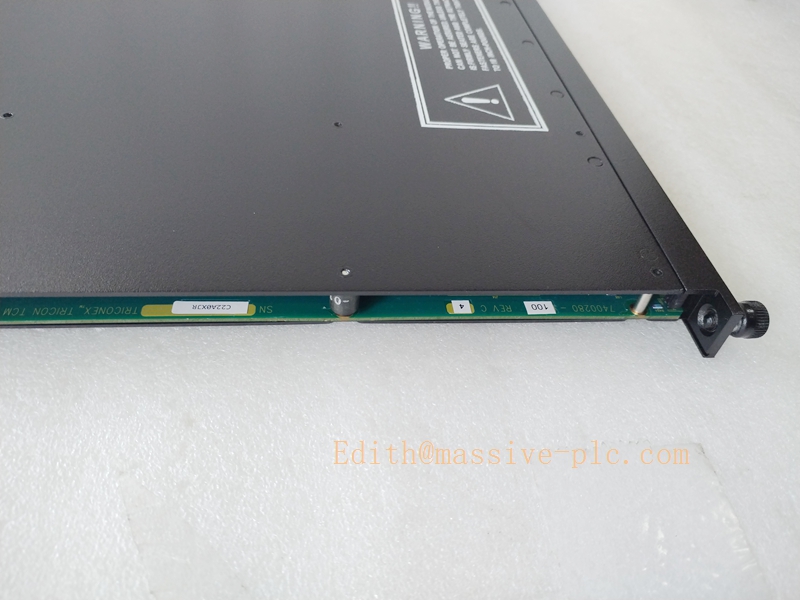
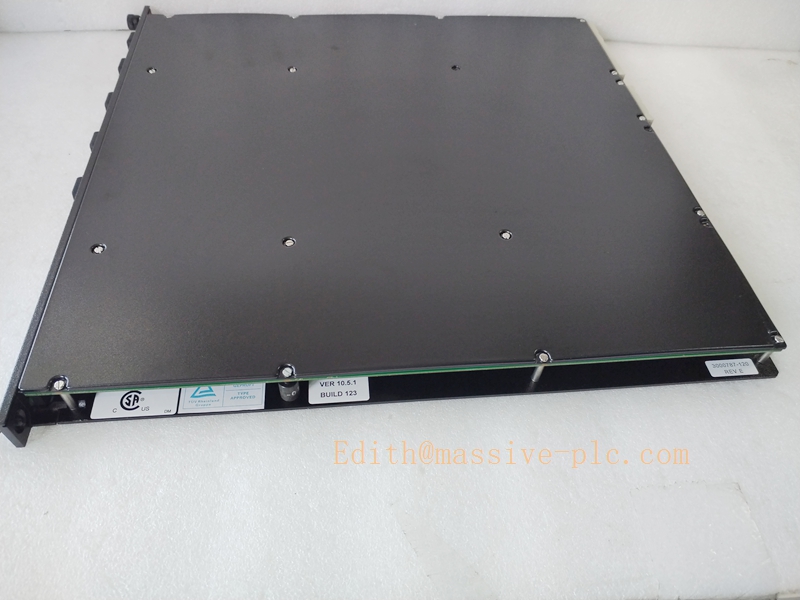
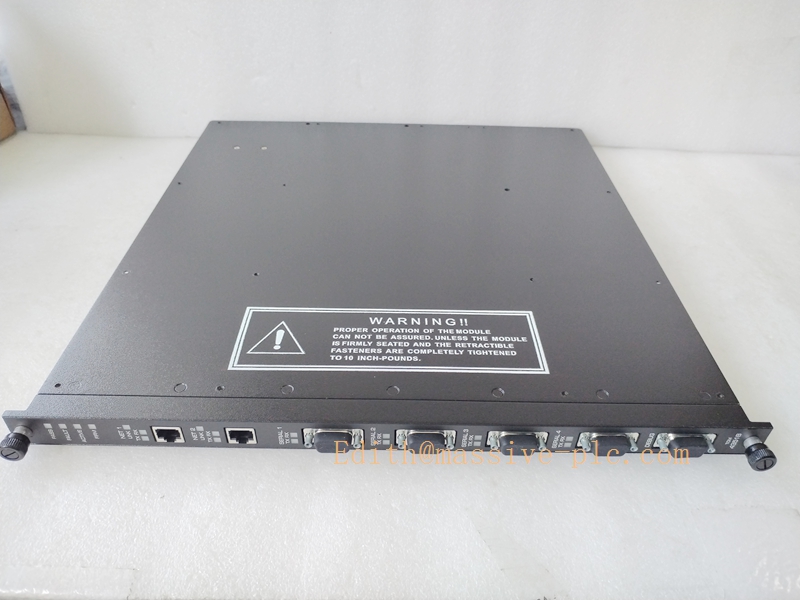
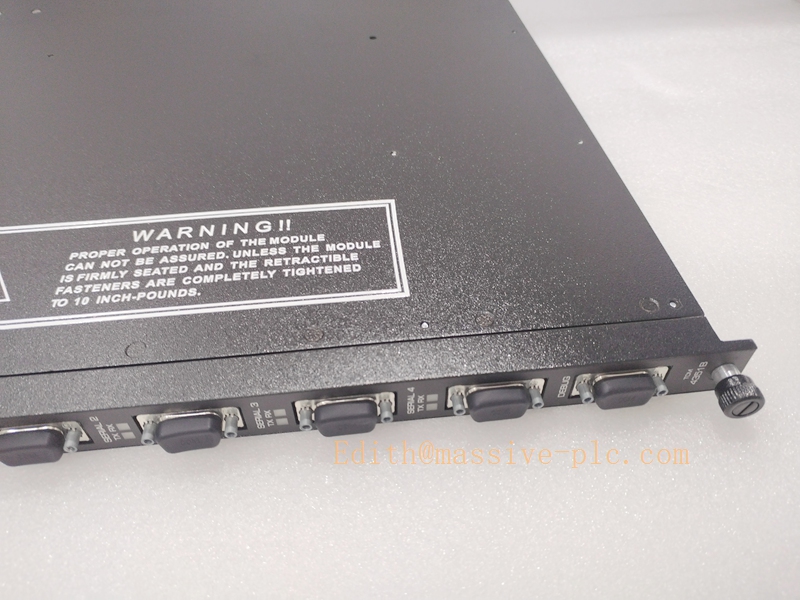
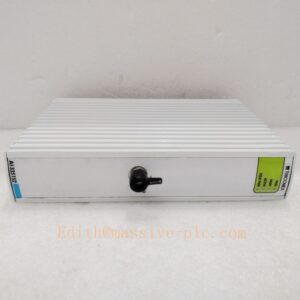
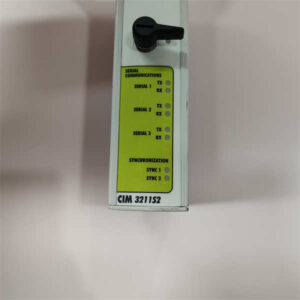
The TRICONEX 4351B is a high-reliability TMR (Triple Modular Redundancy) Communication Module designed exclusively for the TRICONEX Tricon series Safety Instrumented System (SIS). Serving as the core data communication gateway of the Tricon safety control rack, it undertakes inter-rack data exchange, upper computer remote communication, system protocol conversion and safety data transmission tasks. Adopting the industry-standard three-channel full redundant hardware architecture and 2oo3 fault-tolerant voting logic, the module eliminates single-point communication failures, ensuring continuous, stable and error-free data interaction for SIL3-level safety loops.
Certified with IEC 61508 SIL 3 functional safety standard and TÜV safety approval, the TRICONEX 4351B is an upgraded universal communication module for classic Tricon SIS systems. It supports multiple industrial standard communication protocols, high-speed redundant data transmission, full-link self-diagnosis and online hot-swap functions. It is widely used for data interaction between SIS safety systems, DCS distributed control systems, upper monitoring platforms and third-party industrial equipment, ensuring real-time synchronization of safety data, reliable transmission of alarm logs and accurate upload of SOE event records. It is an indispensable core communication component for maintaining the integrity and real-time performance of industrial safety instrumented systems.
TRICONEX 4351B
Series Model Definition & System Matching
The TRICONEX 4351B is the mainstream upgraded version in the Tricon dedicated communication module series, with fixed standardized hardware specifications, featuring stronger compatibility and more stable communication performance than early versions, and positioned as a universal high-reliability communication gateway for safety systems:
2.1 Series Positioning: Standard TMR redundant safety communication module, specially used for internal and external data interaction of Tricon SIS racks, supporting cross-system docking and remote monitoring data transmission of safety loops.
2.2 Applicable System Series: Fully compatible with classic Tricon racks, CX series and EX series safety instrumented systems, perfectly adapted to Tricon 3008 main processor modules and all series of I/O modules.
2.3 Matching Software & Protocol: Adaptable to TriStation 1131 configuration software, supporting Modbus RTU/TCP, peer-to-peer rack communication and dedicated TriBus protocol, compatible with mainstream industrial upper computer monitoring systems.
2.4 Replacement Compatibility: Backward compatible with early 4351 series communication modules, supporting plug-and-play direct replacement, suitable for old SIS system renovation, communication failure maintenance and system upgrade scenarios.
Core Technical Specifications
| Parameter Item | Technical Specifications |
| Product Model | 4351B TMR Redundant Communication Module |
| Safety Architecture | Full Triple Modular Redundancy (TMR), 2oo3 communication fault-tolerant voting mechanism |
| Supported Protocols | Modbus RTU/TCP, TriBus dedicated protocol, peer-to-peer rack communication protocol |
| Communication Rate | Max 100Mbps high-speed Ethernet transmission, adaptive baud rate for serial ports |
| Transmission Mode | Redundant dual-link communication, automatic link switching and fault isolation |
| Safety Level | IEC 61508 SIL 3 Certified, TÜV Functional Safety Approved |
| Hot-Swap Function | Support online hot-swap replacement, no communication interruption or system offline |
| Diagnostic Function | Full-link real-time diagnosis for link disconnection, data error, protocol abnormality and hardware failure |
| Error Correction Mechanism | 32-bit CRC data verification, automatic retransmission of abnormal data, zero error transmission |
| Working Voltage | 10.5VDC ~ 30VDC industrial wide voltage input |
| Operating Temperature | -40℃ ~ +70℃ industrial wide temperature range |
| Working Humidity | 5%~95% RH, non-condensing |
| Industrial Grade | G3 harsh environment adaptation, enhanced EMC anti-electromagnetic interference design |
| Isolation Performance | Full electrical isolation between communication ports and system bus, anti-surge and anti-static |
Core Product Features
4.1 TMR Triple Redundant Fault-Tolerant Communication Architecture
The TRICONEX 4351B adopts a full three-channel redundant communication processing architecture, with three independent communication units synchronously receiving, verifying and transmitting data. Through the 2oo3 voting mechanism, the module automatically screens valid data and isolates faulty channels. When a single communication channel fails, suffers signal interference or data deviation, the system will not generate communication errors, data loss or system disconnection. This fault-tolerant design completely avoids single-point communication failures leading to safety system data interruption, fully meeting SIL3 high-level industrial safety communication standards.
4.2 Multi-Protocol Compatibility & Strong Docking Ability
The module integrates multiple mainstream industrial communication protocols, supporting Modbus RTU/TCP universal industrial protocols and Tricon dedicated TriBus protocols. It can seamlessly dock Tricon SIS safety systems with DCS control systems, upper monitoring hosts, industrial touch screens and third-party industrial control equipment. It realizes barrier-free data interaction between safety systems and conventional control systems, solving the problem of incompatible communication protocols in industrial multi-system integration scenarios.
4.3 High-Speed & Zero-Error Data Transmission
Equipped with high-speed industrial communication processing chip and 32-bit CRC cyclic error correction mechanism, the 4351B module supports high-speed and stable transmission of safety monitoring data, interlock status signals, alarm logs and SOE sequence events. It has automatic data error detection and abnormal frame retransmission functions, effectively eliminating data distortion, packet loss and delay caused by on-site electromagnetic interference and long-distance transmission, ensuring the real-time performance and accuracy of safety system data.
4.4 Full-Link Intelligent Self-Diagnosis
Supporting multi-dimensional full-link self-diagnosis function, the module real-timely monitors communication link status, protocol operation, data transmission quality, port abnormality and internal hardware operation status. It actively locates faults such as link disconnection, protocol mismatch, signal interference and module failure, and generates detailed fault codes and event logs. It supports remote fault query and local status indication, greatly shortening system troubleshooting time and improving SIS system operation and maintenance efficiency.
4.5 Zero-Downtime Online Hot-Swap Maintenance
With complete online hot-swap capability, the 4351B module can be disassembled, maintained and replaced during normal operation of the SIS system without shutting down the rack, suspending system communication or interrupting safety data transmission. Combined with TMR redundant fault-tolerant design, the communication system maintains full-capacity operation during maintenance, realizing zero communication blind spots and zero safety loop interruption, ensuring 24/7 stable operation of industrial safety monitoring systems.
4.6 Harsh Industrial Environment Adaptability
Adopting industrial-grade anti-aging components, wide-temperature circuit design and enhanced EMC electromagnetic compatibility technology, the module can operate stably in -40℃ to +70℃ ultra-wide temperature range and high-humidity non-condensing environment. It has excellent anti-vibration, anti-surge and anti-electromagnetic interference capabilities, adapting to long-term uninterrupted operation in harsh industrial scenarios such as petrochemical, thermal power and natural gas, with ultra-low long-term failure rate and high operational stability.
4.7 High Compatibility & Low Operation and Maintenance Cost
The 4351B module has excellent hardware and software compatibility, perfectly matching all Tricon series racks, main processors and I/O modules. It supports plug-and-play installation and one-click protocol configuration, applicable to new SIS system integration and old equipment communication module replacement and upgrade. The standardized modular design simplifies system debugging and later maintenance work, effectively reducing the overall operation and maintenance cost of industrial safety systems.
TRICONEX 4351B
Main Core Functions
5.1 System Internal & External Data Interaction
As the core communication gateway of the SIS rack, it is responsible for data exchange between the internal main processor and I/O modules, and realizes remote data transmission between the SIS system and external DCS, upper monitoring platform and third-party equipment. It ensures real-time synchronization of all safety monitoring data and equipment status information inside and outside the rack.
5.2 Multi-Protocol Conversion & Signal Docking
It supports automatic conversion of multiple industrial communication protocols, realizing seamless docking between Tricon dedicated protocols and universal Modbus protocols. It solves the communication barrier between safety instrumented systems and conventional industrial control systems, providing reliable protocol support for centralized monitoring and unified management of industrial production devices.
5.3 Safety Data Upload & SOE Event Recording Transmission
It stably uploads real-time field monitoring data, equipment interlock status, system alarm information and high-precision SOE sequence event records to the upper computer. It completely records and transmits the time sequence of system abnormal events and safety action events, providing accurate data basis for post-accident analysis, fault tracing and production optimization.
5.4 Redundant Link Switching & Fault Tolerant Protection
Based on TMR triple redundant communication architecture, it realizes automatic switching of redundant communication links. When a single link or single channel fails, the system instantly switches to a normal channel for data transmission without affecting the overall system communication function. It effectively avoids system offline and data loss caused by single-point faults, and improves the stability and continuity of safety system communication.
5.5 Real-Time Communication Status Monitoring & Fault Alarm
It real-timely monitors the operating status of communication links, data transmission quality and module hardware status. It automatically alarms and records faults such as link disconnection, data packet loss and protocol abnormality, supports local indicator prompt and upper computer remote alarm reminder, facilitating on-site operation and maintenance personnel to quickly eliminate hidden dangers.
5.6 Remote Configuration & System Debugging Support
Cooperated with TriStation 1131 software, it supports remote online configuration, protocol parameter adjustment, communication debugging and system program downloading. It realizes remote maintenance and fault diagnosis of SIS systems, reduces on-site operation and maintenance workload, and improves the intelligence and convenience of system management.
Industrial Application Scenarios
The TRICONEX 4351B TMR communication module is widely used in SIL3-level high-risk process industrial safety instrumented systems, covering petrochemical, natural gas gathering and transportation, coal chemical, thermal power generation, metallurgy, pharmaceutical and other industries. It is an essential core communication component for key safety systems such as ESD emergency shutdown system, FGS fire and gas monitoring system and rotating machinery safety protection system.
It is mainly used for data communication and system docking of large-scale industrial safety control devices, realizing data interaction between SIS safety systems and DCS centralized control systems, upper monitoring platforms and remote management terminals. It ensures real-time, accurate and stable transmission of safety interlock signals, equipment status data and alarm event information, supports remote monitoring and fault diagnosis of production devices, and guarantees the safe, stable and efficient operation of high-risk industrial production systems.

 Start Chat