Description
Product Core Overview
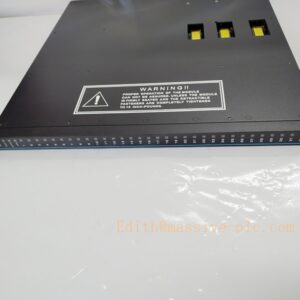
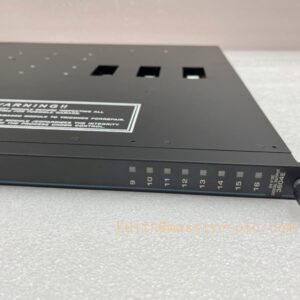
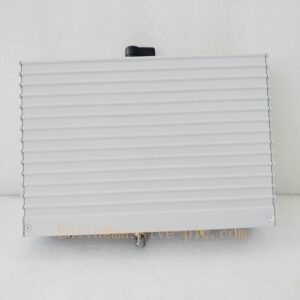
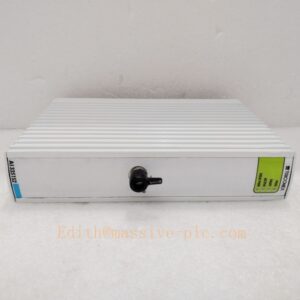
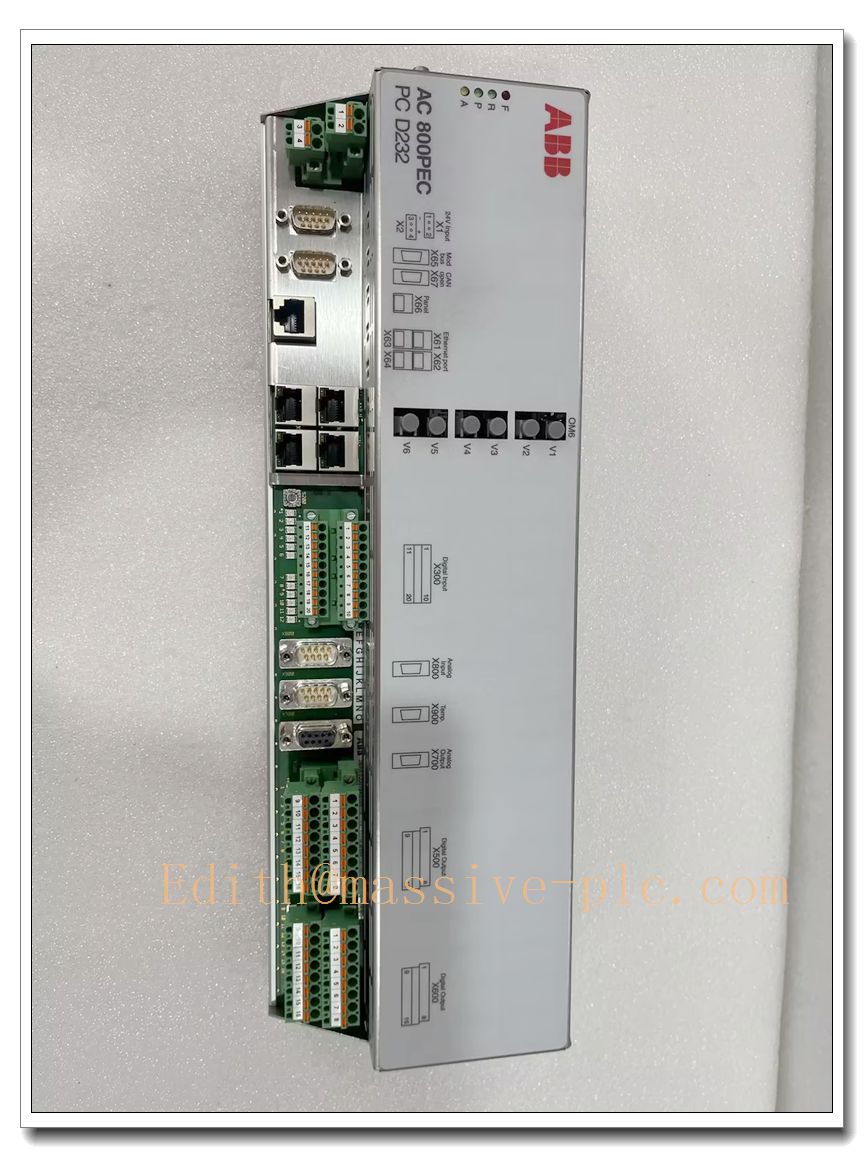
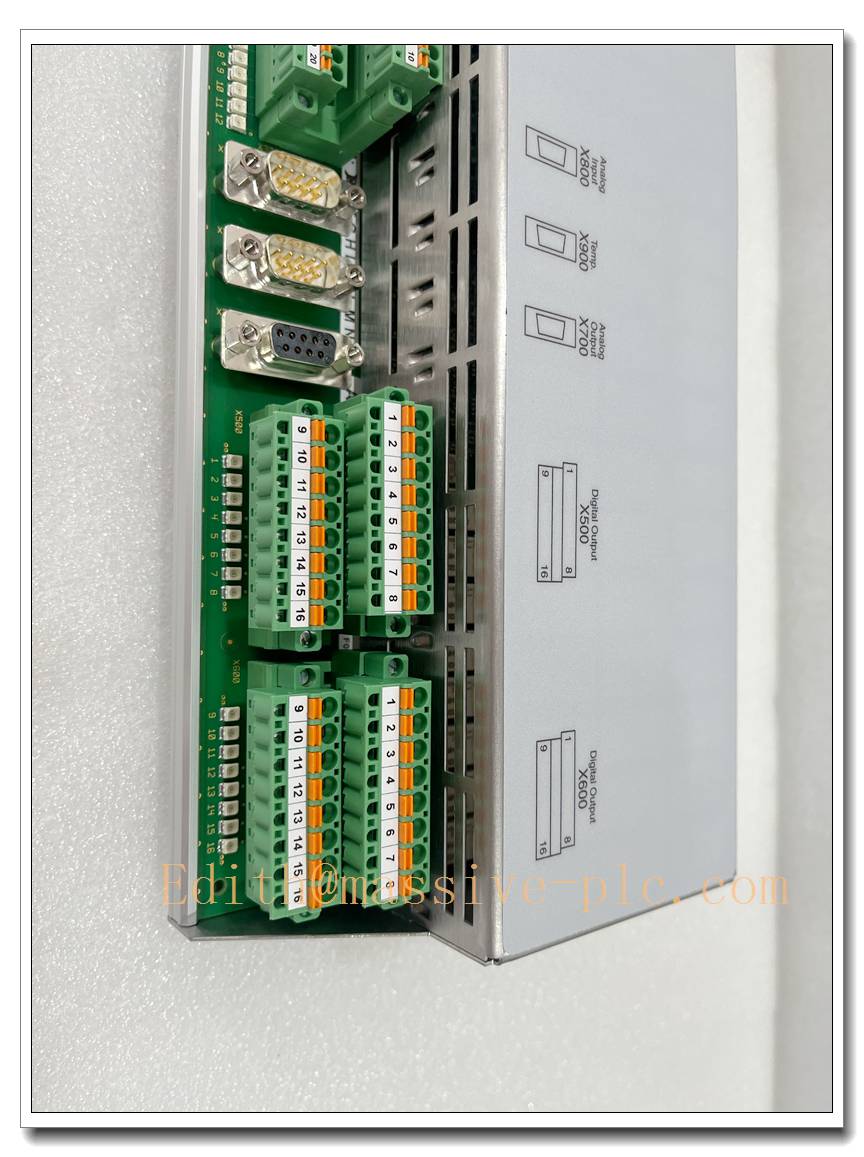
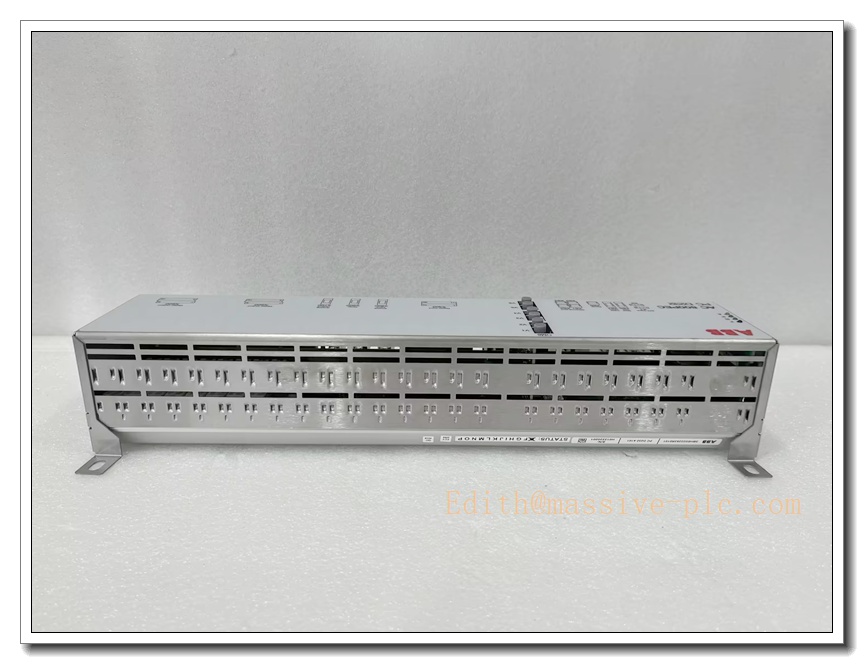
The ABB PCD232A101 (full part number 3BHE022293R0101) is a high-performance Control and Communication Processor Module belonging to ABB’s industrial power electronics and distributed control system product family. As the core central processing and communication hub for excitation systems, converter control platforms and turbine automation systems, it delivers high-speed 16-bit resolution data processing, multi-protocol industrial communication and full built-in fault diagnostic functions. With robust wide-temperature design and excellent electromagnetic interference resistance, it is widely deployed in power generation, metallurgy, new energy and other high-reliability industrial scenarios worldwide, ensuring long-term stable operation of critical control loops even in harsh industrial environments .
Key Technical Specifications
- Official Part Number: PCD232A101
- Full Order Code: 3BHE022293R0101
- Manufacturer: ABB
- Product Type: Control and Communication Processor Module
- Rated Power Supply: 24V DC
- Power Consumption: 2.5W ultra-low power consumption
- Communication Interfaces: 2× RS232 serial ports, 1× Ethernet port, native support for Profibus DP and Ethernet/IP industrial protocols
- Data Processing Performance: 16-bit high-precision data conversion, dual-channel independent digital signal simultaneous processing
- Built-in Protection: Short-circuit detection, overvoltage protection and full-channel fault diagnostic functions
- Operating Temperature Range: -40°C to +85°C extended industrial operating temperature
- Physical Dimensions: 120mm × 100mm × 50mm compact modular design
- Net Weight: Approximately 0.5kg
- Compliance Standards: Fully compliant with IEC 61131-2, UL 508 international industrial control safety standards
8 Recommended Related Series Models
- PCD230: ABB entry-level control processor module, for standard small and medium industrial control scenarios
- PCD231: ABB mid-range control processor module, for general industrial automation system applications
- PCD235: ABB high-end redundant control processor module, for large-scale high-reliability DCS system main control
- AC 800M: ABB Distributed Control System, the native host platform paired with this processor module
- CI871K01 3BSE056767R: ABB PROFINET IO Communication Interface Module, expanding multi-protocol industrial communication capacity for the system
- PP845 3BSE042235R1: ABB Industrial HMI Operator Panel, providing on-site control system operation and visualization interface
- 3BHB005243R0105: ABB Excitation Control Module, paired with this processor for high-power excitation system control
- 5SHX0660F0002: ABB High-Power IGCT Module, for high-power converter system power regulation
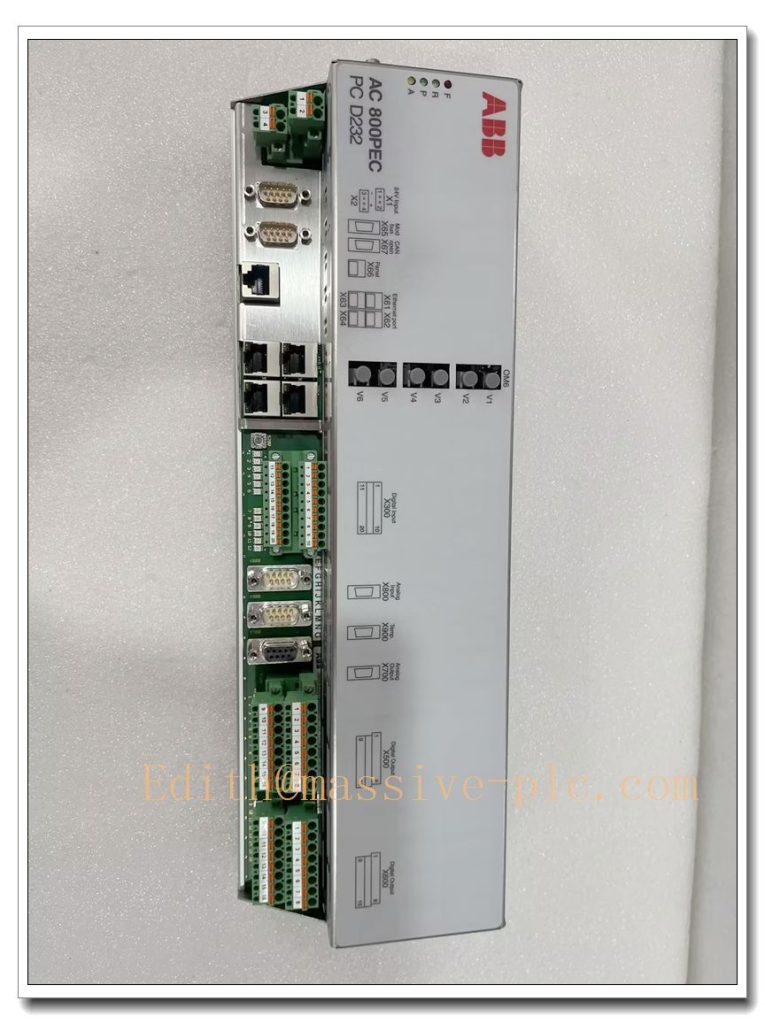
PCD232A101 3BHE022293R0101
Professional Quality Control Test Standard Operating Procedure
- Pre-Test Visual Audit: Inspect the module PCB for physical damage, corroded backplane pins or loose components; confirm all communication ports and rack locking mechanisms are fully intact
- Power Stress Validation: Insert the unit into a certified ABB test bench, apply variable 24V DC input across full operating range, verify no overcurrent, overheating or unexpected shutdown occurs
- Data Processing Performance Test: Run certified standard control program, confirm 16-bit high-precision data conversion and dual-channel signal processing performance meet official specifications, no data drift or processing lag occurs
- Multi-Protocol Communication Validation: Connect all RS232, Ethernet, Profibus DP and Ethernet/IP ports to certified test devices, run 72-hour continuous data transmission test, confirm zero packet loss and no communication dropout under industrial electrical noise simulation
- Protection Function Validation: Simulate short-circuit and overvoltage fault conditions, confirm the built-in protection logic correctly triggers corresponding alarm within specified response time, no module damage occurs
- Environmental Temperature Cycling: Place the module in an environmental chamber, run full functional validation across -40°C to +85°C operating range, confirm no performance degradation or unexpected fault trips at extreme temperature limits
- Vibration Resistance Test: Simulate industrial 10–2000Hz vibration environment, confirm no loose internal components or unstable signal output occurs
- Final Documentation: Record all test metrics and performance data in the official ABB quality log, assign unique serial number traceability tag, and issue formal performance certification report before shipment
New Module Installation Guidelines
- Pre-Installation Preparation: Power down the target control rack completely, confirm 24V DC power supply output is stable, wear certified ESD wrist strap connected to the chassis grounding point before handling the module
- Slot Configuration: Insert the new PCD232A101 module into the designated control slot in the ABB system rack, ensure no adjacent slots are occupied by incompatible non-ABB modules that may cause backplane signal conflicts
- Mechanical Mating: Carefully align the module with the chassis DIN guide rails, push it smoothly into the slot until the rear edge connector fully mates with the system backplane, then lock the front panel mounting screws to recommended torque of 0.6Nm
- Communication Cabling Connection: Connect all industrial communication cables using shielded industrial cables, strictly separate low-level signal cables from high-power VFD motor cables to eliminate electrical interference
- Power-Up and Initial Diagnostic: Restore power supply, observe front panel status LEDs; confirm the module completes boot process and enters normal running state within 60 seconds, verify the module appears online in the ABB engineering station
- Full System Validation: Download the existing control program to the new module, confirm all control loops operate correctly before transferring the system to normal production operation mode
Application Scenarios and Features
- Power Generation Excitation Systems: Deployed in large synchronous generator excitation control systems, delivering high-speed precise excitation regulation performance, drastically improving power generation stability and grid connection quality
- High-Power Converter Control: Used in ABB medium voltage drive and new energy grid-connected converter systems, realizing high-efficiency power conversion and stable system control
- Turbine Automation Systems: Applied in industrial steam turbine and gas turbine auxiliary control systems, providing high-reliability real-time data processing and communication management for turbine operation loops
- Metallurgy Rolling Mill Automation: Deployed in large metallurgy rolling mill control systems, the -40°C to +85°C wide temperature design adapts to harsh high-temperature industrial environments
- Legacy ABB Control System Modernization: Acts as the official drop-in replacement for older PCD232A series modules, preserving all existing backplane wiring and control program configuration to minimize system downtime during hardware replacement
Frequently Asked Questions
- Q: My module reports “Communication Fault” alarm after installation, what is the most common root cause?
A: 90% of this fault is caused by improper communication parameter mismatch. First check the communication port baud rate, station address and protocol configuration, confirm no parameter conflict exists with upper-level control system. - Q: Can I replace an older PCD232A101 unit with this new unit directly without reconfiguration?
A: Yes, the 3BHE022293R0101 variant is fully pin-compatible and functionally identical to all earlier PCD232A101 revisions, you can perform a direct drop-in replacement without any system configuration modification. - Q: What is the maximum operating temperature this module can withstand?
A: The PCD232A101 can operate stably across -40°C to +85°C extended industrial temperature range, fully meeting the strictest harsh industrial application requirements. - Q: Does this module support multiple industrial communication protocols?
A: Yes, the natively supports Profibus DP, Ethernet/IP and RS232 multi-protocol communication, enabling seamless integration with ABB Total Integration Architecture and most third-party industrial control systems.