
Description
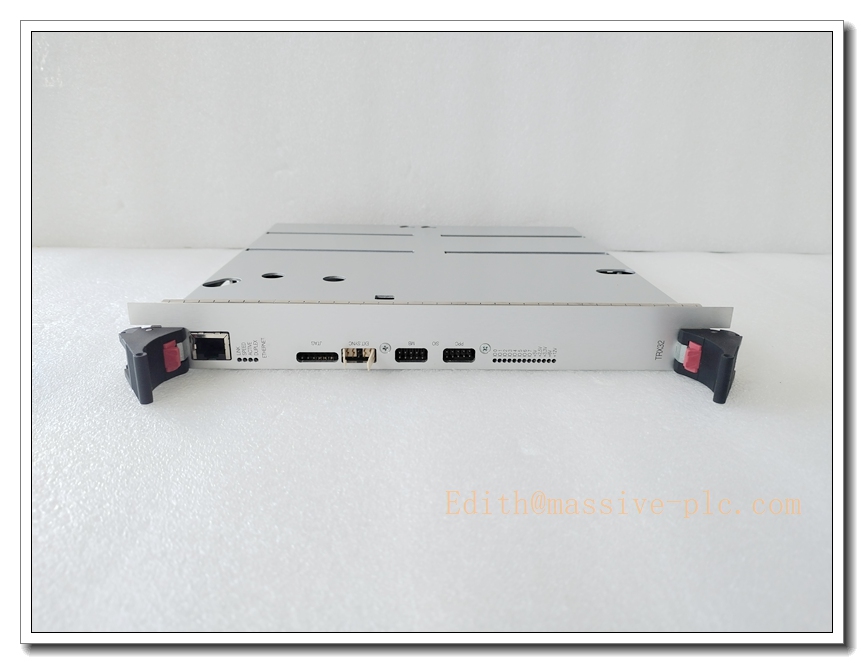
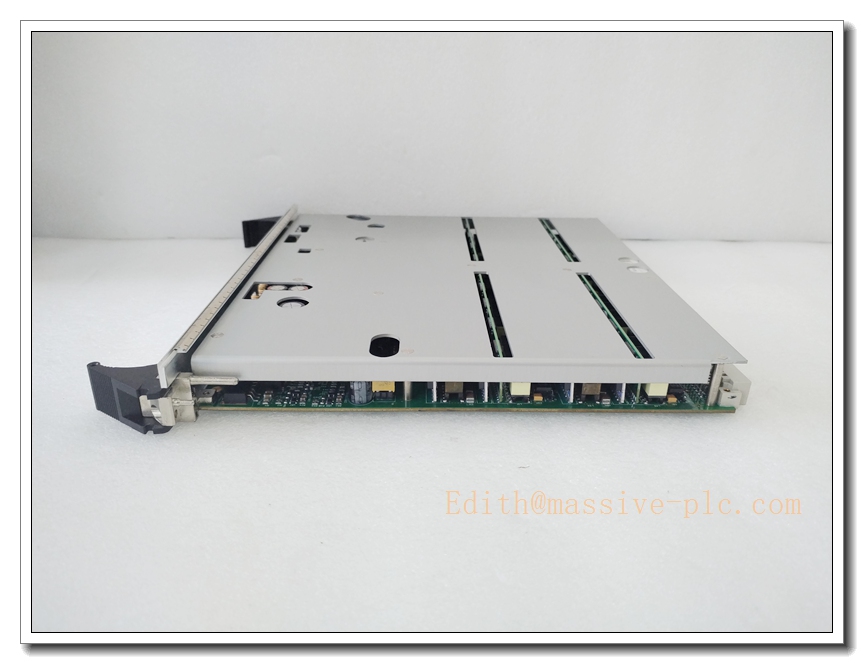
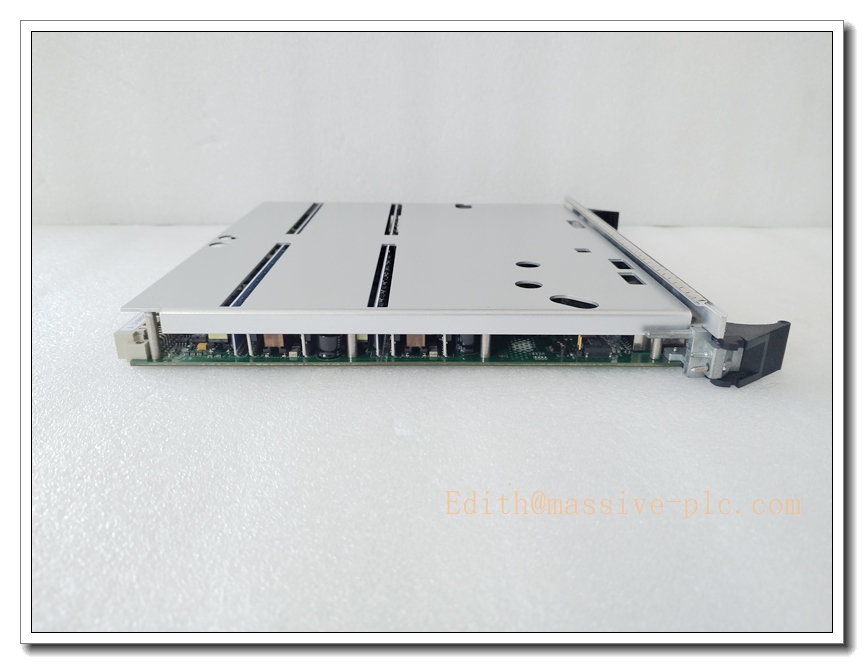
Kongsberg TRX32 (303088) Multi-Frequency Acoustic Transceiver Board, HiPAP USBL Underwater Positioning Interface Card
Product Description
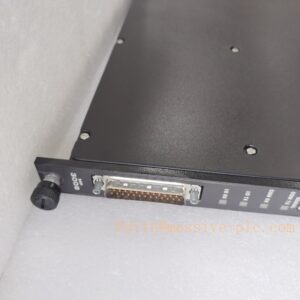
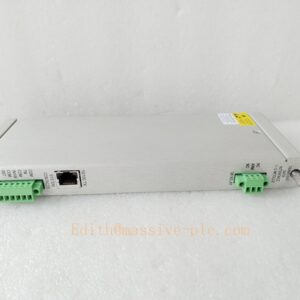
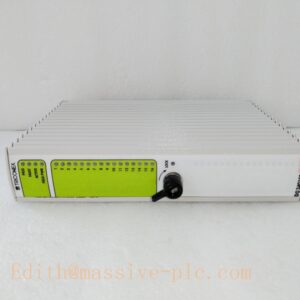
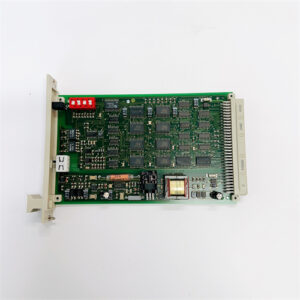
The TRX32, part number 303088, is a dedicated 8-channel acoustic transceiver PCB for Kongsberg HiPAP ultra-short baseline (USBL) underwater acoustic positioning systems. It serves as the core acoustic front-end within the HiPAP transceiver cabinet, performing transmit pulse generation, power amplification for transducers, weak echo signal reception, bandpass filtering and high-speed ADC digitization. Each of its 8 acoustic channels is electrically isolated, with independent short-circuit and thermal protection. The board supports configurable pulse width, transmit power and transponder coding schemes, enabling ranging and identification of multiple underwater transponders. It communicates with the HiPAP main controller via the internal backplane bus, feeding time-of-flight and signal quality data for underwater position calculation. This board is not a general-purpose K-Chief monitoring I/O module; it is purpose-built for subsea acoustic positioning and is a critical spare for HiPAP 101/351/451/501 series systems.
Technical Parameters
| Item | Specification |
|---|---|
| Manufacturer | Kongsberg Maritime |
| Model | TRX32, P/N 303088 |
| Function | 8-channel Acoustic Transceiver (TX+RX) |
| Acoustic Operating Band | 21–31 kHz mid-frequency |
| Power Supply | 18–32 VDC, nominal 24 VDC marine supply |
| Power Consumption | ~22 W continuous; peak transmit pulse up to 60 W |
| Channel Protection | Per-channel short-circuit lockout, over-temperature power derating, reverse polarity & surge protection |
| Backplane Interface | HiPAP internal proprietary cabinet backplane |
| Form Factor | Plug-in VME-style rack card with ejector handles |
| PCB Treatment | Conformal coated for salt mist and high humidity marine environment |
| Operating Temperature | -20 ℃ ~ +70 ℃ |
| Humidity | 5–95% non-condensing |
| Certifications | DNV marine type approval, CE |
| Max Boards Per HiPAP Transceiver Unit | Up to 8 TRX32 cards |
| Weight | Approx. 0.65 kg |
Recommended Related Models (8 units)
- TRX34: Updated next-generation multi-channel acoustic transceiver board for HiPAP
- HiPAP 501 Main Controller: Host USBL processor paired with TRX32 303088
- HiPAP 451 Transceiver Cabinet: Rack chassis housing TRX32 cards and power supplies
- MRU-5: Motion Reference Unit providing roll/pitch/heave compensation for HiPAP
- DPS112: DGNSS position reference for vessel georeferencing of USBL fixes
- HiPAP Transducer Array: Hull-mounted acoustic transducer matched to 21–31kHz band
- 303090 Backplane Interface Module: HiPAP cabinet backplane signal distribution card
- K-Pos DP Controller: Dynamic positioning system accepting HiPAP subsea target positions
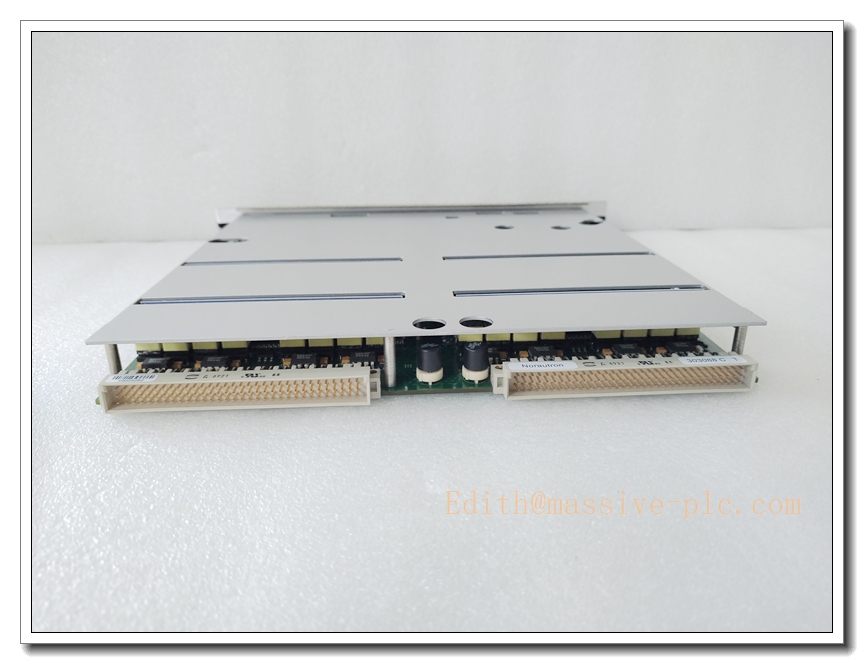
TRX32 303088
Compatibility & Installation Traps
Compatibility
- Native system: Kongsberg HiPAP 101 / 351 / 451 / 501 USBL underwater positioning systems
- Configuration tool: HiPAP System Manager software
- Integration: Output subsea target positions to K-Pos DP, ROV control software and hydrographic survey platforms
- Note: This card cannot be used as a K-Chief / AutoChief general I/O module and is incompatible with RBUS/K-Bus marine monitoring networks.
Critical Installation Traps
- Acoustic Band Matching: The is tuned for 21–31 kHz transducers. Mismatched high-frequency or low-frequency transducers result in no echo lock and poor ranging performance.
- Backplane Slot Allocation: Cards must be seated in designated HiPAP transceiver cabinet slots. Incorrect slot positions cause backplane bus conflicts and channel mapping errors.
- Per-Channel Isolation Limits: A shorted transducer cable on one TX channel will trigger that channel’s self-locking protection; do not reset repeatedly without isolating the faulty transducer.
- Ground Loops on Transducer Cabling: Hull transducer cables carry low-level acoustic receive signals. Poor shielding or multiple grounding points introduces noise and false echoes.
- Conformal Coating Damage: PCB traces are protected by conformal coating. Scraping the coating during handling creates saltwater corrosion failure in engine room / splash zone cabinets.
- Firmware Revision Lock: onboard firmware must match the HiPAP main controller software version. Mismatched firmware leads to channel dropout or unrecognized hardware.
- Transmit Peak Power Risk: Bench testing without a matched transducer load can damage output amplifiers. Use a dummy acoustic load for lab verification.
- Vibration and ESD Control: The high-sensitivity receive preamps are vulnerable to electrostatic discharge. Always handle in ESD bags and use wrist straps during cabinet maintenance.
Standard Operating Procedure (SOP)
- Pre-installation inspection: Inspect PCB, ejector handles and connectors for physical damage. Verify conformal coating integrity and confirm firmware compatibility with the HiPAP host software.
- Cabinet rack installation: Power down and lock out the HiPAP transceiver cabinet. Insert the card into the assigned slot, engage ejector levers to seat the backplane connector securely.
- Transducer wiring: Terminate hull transducer cables to the cabinet terminal assembly; check shield termination and insulation resistance of each transducer line.
- System configuration: Launch HiPAP System Manager, scan for new hardware, assign transducer channels, set transmit power, pulse parameters and transponder ID filters.
- Bench and dry test: Power up the cabinet; verify card status LEDs. Perform built-in self-test and loopback signal check without transmitting into the water.
- Sea trial commissioning: Deploy known test transponders; validate range, signal SNR and target tracking. Cross-check USBL position output against independent acoustic references.
- Periodic maintenance: Quarterly visual inspection of cabinet connectors and cooling airflow. Annual channel self-test and transducer cable insulation survey.
- Decommissioning: Isolate 24VDC cabinet power before card extraction. Cap all signal connectors, store spare boards in dry, ESD-protected packaging.
Application Scenarios
- HiPAP USBL ultra-short baseline underwater acoustic positioning
- ROV and AUV tracking for offshore subsea construction
- Subsea pipeline, manifold and foundation survey positioning
- Offshore rig and vessel DP subsea target monitoring
- Hydrographic and bathymetric survey subsea control point marking
- Cable-lay and trenching vessel subsea asset tracking
- Subsea acoustic transponder network interrogation and ranging
- Retrofit and spare replacement for legacy Kongsberg HiPAP systems
Supporting Components
- HiPAP transceiver cabinet 24VDC filtered power supply
- Matched 21–31kHz hull acoustic transducer array
- ESD wrist strap and anti-static PCB storage bags
- HiPAP System Manager configuration software and service cable
- Transducer dummy load for bench transmit testing
- Spare backplane connectors and cabinet ejector handles
- Conformal coating touch-up kit for PCB repair
- MRU/GNSS timing sync cables for vessel motion compensation

 Start Chat