
Description
Kongsberg DPS112 Marine DGNSS Position Sensor, Dynamic Positioning Reference Receiver
Product Description
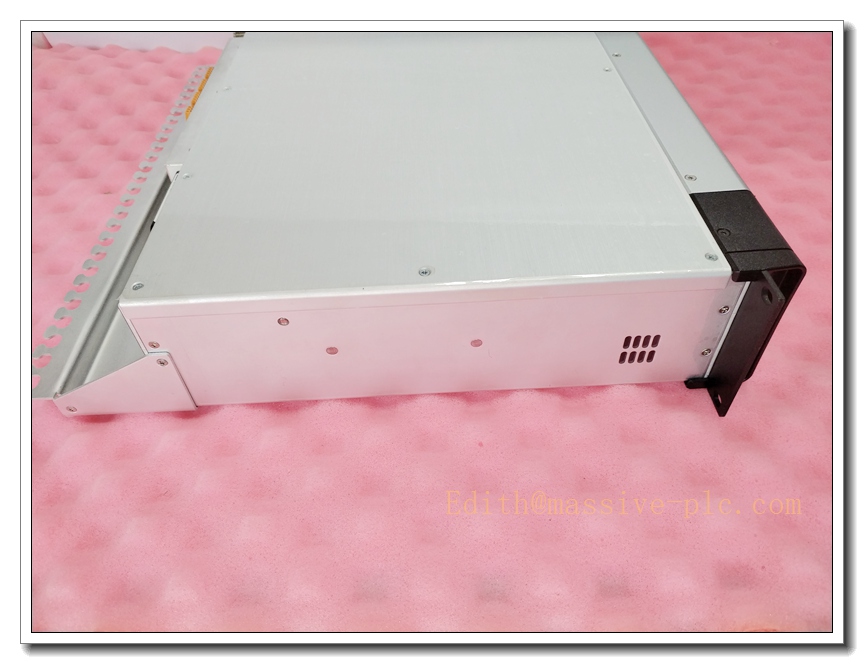
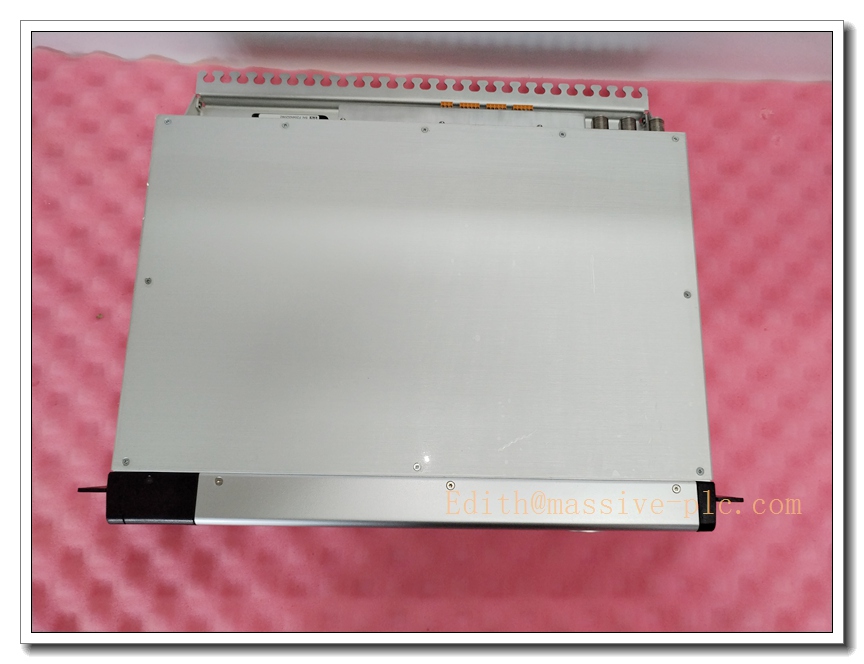
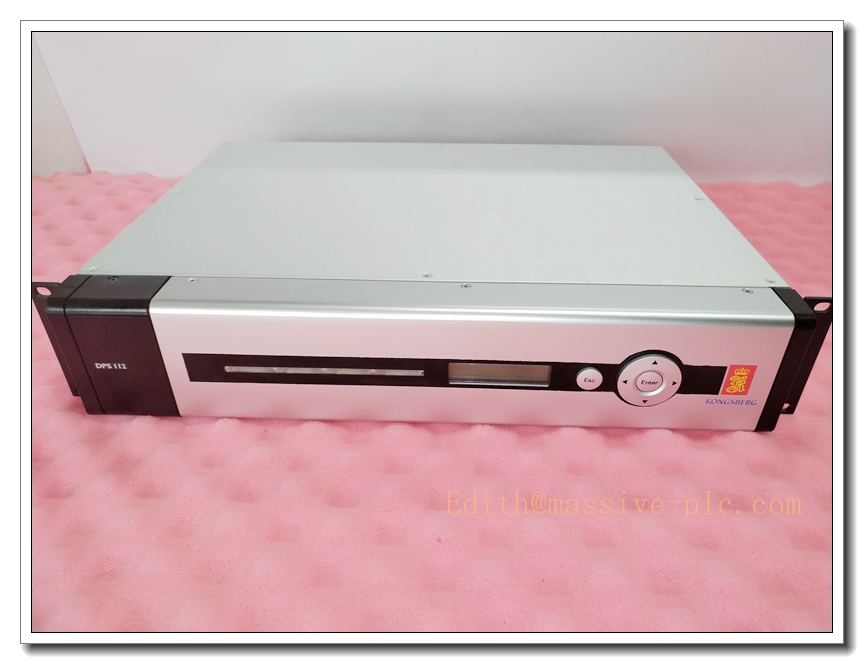
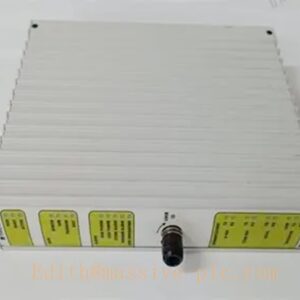
The DPS112 is a rugged marine-grade DGNSS (DGPS/DGLONASS) positioning sensor from Kongsberg Seatex DPS family, designed to supply stable position reference for vessel dynamic positioning (DP), hydrographic survey and offshore navigation. It integrates GPS L1/L2, GLONASS L1/L2, SBAS and IALA beacon receiver plus an internal L-band demodulator for Fugro Seastar G2/SGG global correction service. It features an embedded keypad and local display for on-board configuration and health monitoring, with optional external graphical display for DP operator stations. This model is discontinued by Kongsberg, superseded by DPS i1; spare and refurbished stock are commonly used for vessel retrofits and redundant DP reference loops.
DPS112
Technical Parameters
| Item | Specification |
|---|---|
| Manufacturer | Kongsberg Seatex |
| Model | DPS112 |
| Receiver Constellation | GPS L1/L2, GLONASS L1/L2, SBAS, IALA beacon, L-band Seastar G2 |
| Accuracy (95% CEP) | 1–3 m (IALA DGPS); 1–2 m (SBAS); <1 m decimeter-level (Fugro Seastar G2/SGG) |
| Output Update Rate | 1 Hz default, configurable up to 10 Hz |
| Data Protocol | NMEA 0183, RTCM SC-104 v2.2/v2.3 |
| Interfaces | Ethernet, RS232 / RS422 serial, USB (firmware upgrade) |
| Power Supply | 10–30 VDC marine nominal 24 VDC |
| Power Consumption | ≤12 W |
| Enclosure | Rack-mount marine aluminium housing |
| Operating Temp (Unit) | -20 ℃ ~ +70 ℃ |
| Antenna Temp Range | GNSS antenna: -40 ℃ ~ +85 ℃; IALA beacon antenna: -55 ℃ ~ +70 ℃ |
| Certifications | DNV marine type approval, CE |
| Mounting | 19” rack mount |
| Weight | Approx. 4.3 kg |
Recommended Related Models (8 units)
- DPS i1: Direct successor of DPS112, modern multi-constellation DP position sensor
- DPS132: High-performance upgraded DPS series, integrated IMU aided positioning
- DPS142: Dual-frequency high-accuracy model for deepwater survey vessels
- MRU5: Kongsberg Motion Reference Unit, roll/pitch/heave complementary sensor for DP
- K-Pos DP Controller: Native DP control system that accepts DPS112 position input
- Seatex MRU2: Compact motion sensor for hydrographic survey integration
- DPS085: Entry marine DGPS receiver for auxiliary navigation
- Seastar 9200: Fugro standalone L-band correction receiver
Compatibility & Installation Traps
Compatibility
- Primary integration: Kongsberg K-Pos DP systems, ECDIS, hydrographic survey software, third-party DP controllers
- Antennas: Compatible with Kongsberg GNSS/IALA beacon/L-band spotbeam antennas
- Data output: NMEA 0183 serial and Ethernet TCP/IP for position streaming
- Correction sources: IALA beacon, SBAS, RTCM serial input, Fugro Seastar G2 L-band service
Critical Installation Traps
- End-of-Life Status: OEM manufacturing stopped. No new factory repair boards; long-term vessel DP safety design should prefer DPS i1 instead of relying solely on DPS112.
- Antenna Sky View Requirement: GNSS antenna must have unobstructed sky view. Blockage by superstructure, cranes or containers causes cycle slips and DP position jumps.
- Separate Antenna Types: GNSS, IALA beacon and L-band spotbeam antennas are not interchangeable. Mismatched antennas result in missing correction signals.
- Cable Loss Control: Long RF antenna cables introduce signal attenuation. Use low-loss marine coax and calculate budget to avoid weak L-band Seastar reception.
- Galvanic Isolation & Ground Loops: Serial NMEA ports are vulnerable to ground potential differences on vessels. Use isolated serial converters between and DP controller.
- Correction Service Subscription: Seastar G2/SGG decimeter accuracy requires active Fugro subscription. Without valid service, it falls back to standalone GNSS meter-level precision.
- Serial Termination & Baud Rate Mismatch: NMEA 0183 baud rate and parity must match DP/ECDIS settings; misconfiguration causes garbled position sentences.
- Vibration and Rack Mounting: On working vessels, secure rack slide rails and fasten all connectors; loose RF connectors lead to intermittent position dropout during sea motion.
Standard Operating Procedure (SOP)
- Pre-installation inspection: Check rack unit housing, display and keypad integrity; inspect antenna cables, connectors and insulation for corrosion. Confirm firmware revision compatible with vessel K-Pos DP software.
- Mechanical mounting: Install into 19-inch marine rack, fasten mounting brackets, leave convection clearance around ventilation slots.
- Antenna & cabling: Route GNSS, IALA beacon and L-band spotbeam coaxial cables separately; seal deck penetrations with marine cable glands. Terminate RF connectors properly.
- Power and signal wiring: Apply 24 VDC vessel supply; connect serial NMEA or Ethernet to DP and ECDIS. Fit galvanic isolators on serial lines.
- Configuration: Access local keypad display or web interface; select correction source (IALA / SBAS / Seastar G2), set NMEA output rate and sentence list.
- Commissioning test: Monitor satellite tracking, PDOP, correction status and position output. Compare readings with other DP reference sensors to verify consistency.
- Periodic maintenance: Quarterly RF cable and connector visual inspection; annual satellite tracking and DP cross-check test. Backup configuration before firmware update via USB.
- Decommissioning: Isolate 24 VDC power before rack removal; cap all RF ports to prevent contamination. Store spare units in dry, temperature-controlled marine storage.
Application Scenarios
- Offshore vessel Dynamic Positioning (DP) redundant position reference
- Dredgers, cable-lay vessels and platform support vessel navigation
- Hydrographic survey, bathymetry and offshore construction positioning
- ROV / AUV mother vessel position monitoring
- Coastal and open-water marine navigation with differential corrections
- Retrofit upgrade of legacy Kongsberg DP systems
Supporting Components
- Kongsberg GNSS marine antenna
- IALA beacon antenna and L-band Seastar spotbeam antenna
- Low-loss marine RF coaxial cable and deck cable glands
- Isolated RS422 / NMEA serial isolators
- 24 VDC marine filtered power supply with reverse polarity protection
- 19-inch rack slide kit and locking fasteners
- RF connector crimping and sealing kit
- External DP display unit for bridge operator console

 Start Chat