
Description
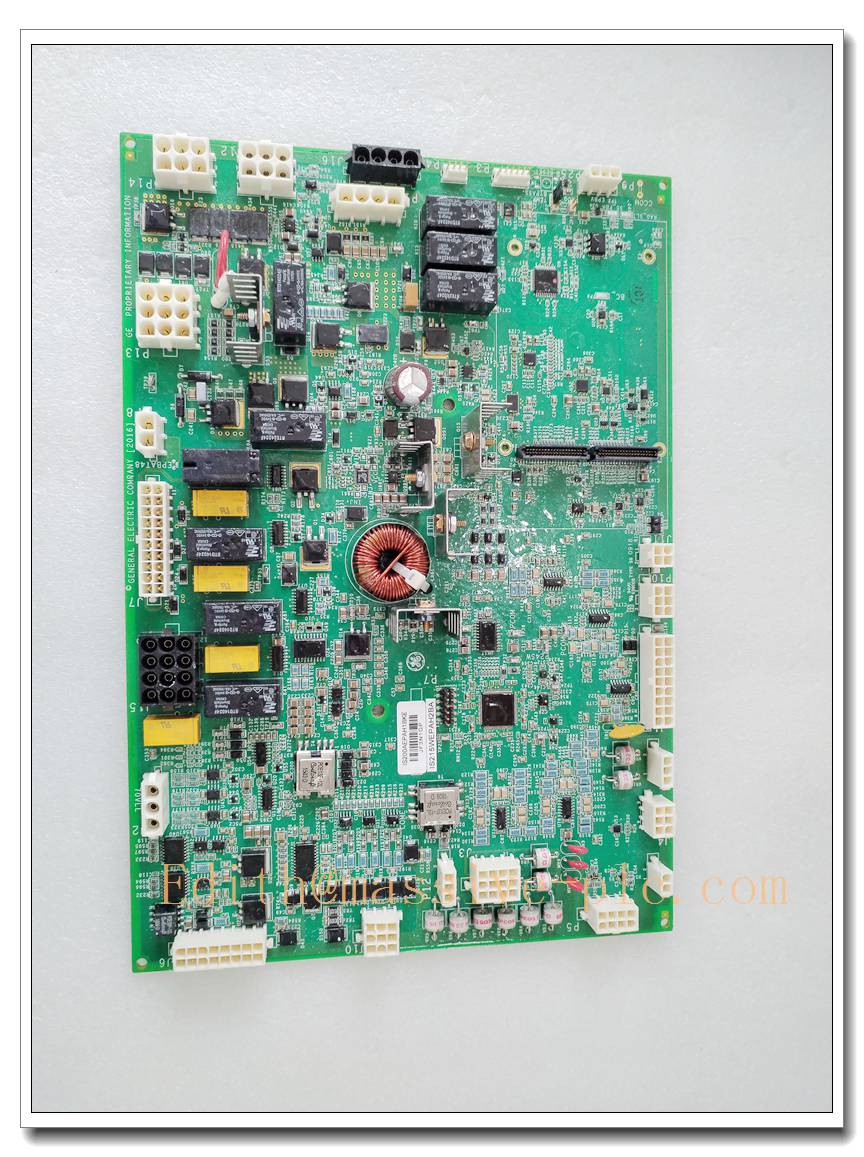
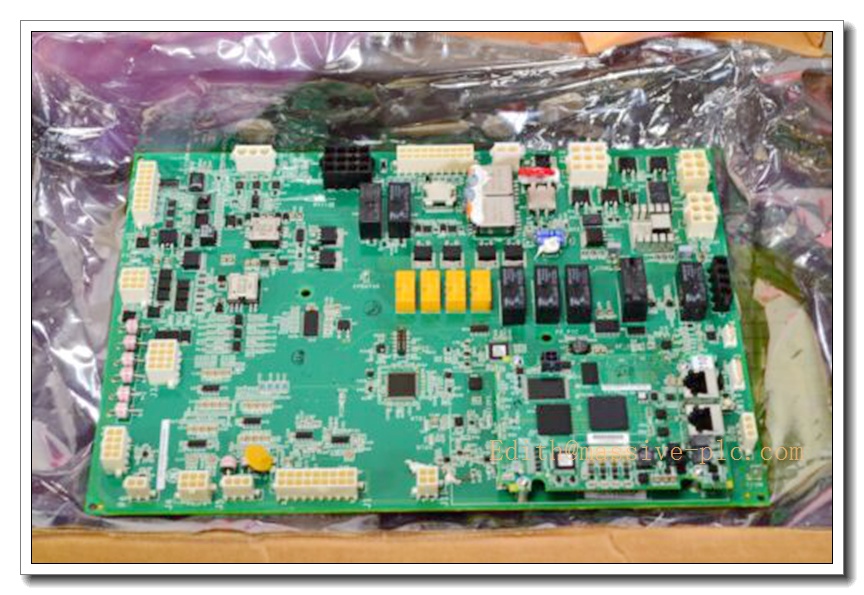
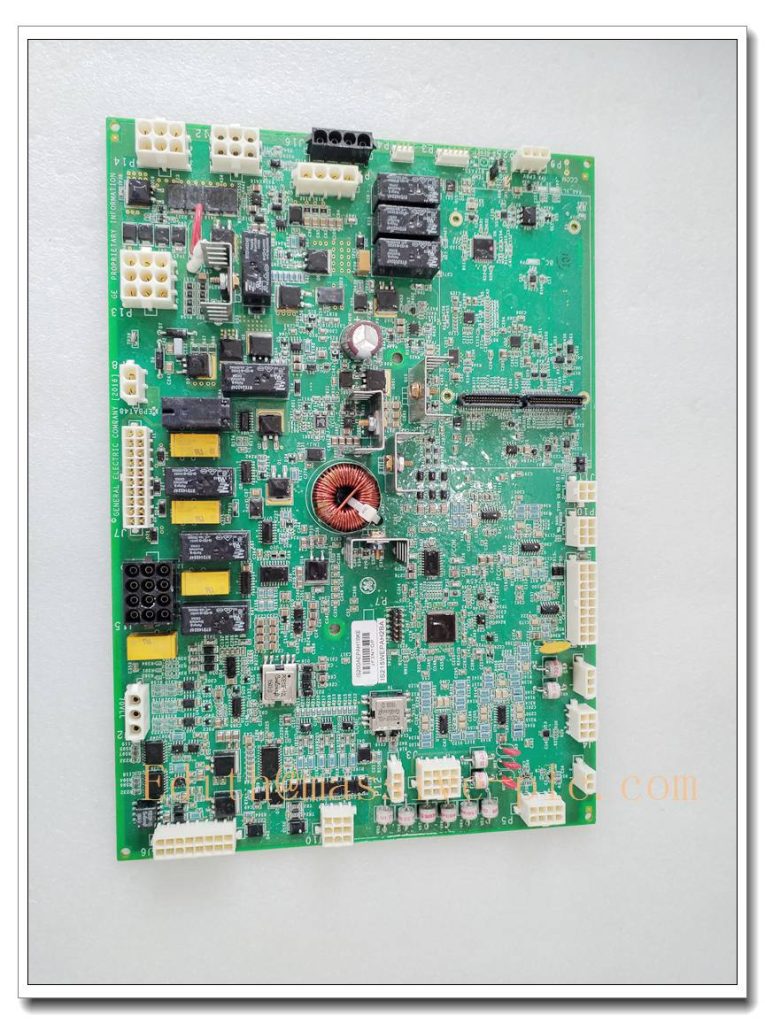
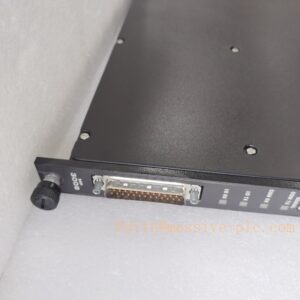
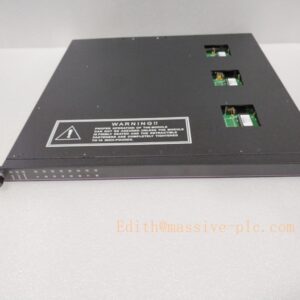
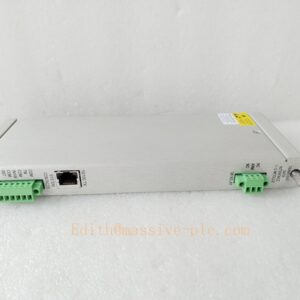
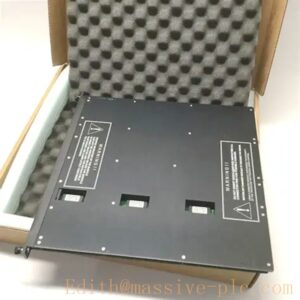
IS215WEPAH2BA GE Mark VIe Wind Energy Pitch Axis Control Board
Core Product Overview
The IS215WEPAH2BA (WEPA = Wind Energy Pitch Axis) is a dedicated high-speed control PCB within the GE Mark VIe Wind control platform. It executes closed-loop pitch control for wind turbine blades, regulating pitch angle to optimize power capture and deliver protective actions during overspeed, high wind and fault conditions. It acquires encoder, analog and discrete feedback signals, drives pitch actuator control loops, and communicates with the main turbine controller over Ethernet and serial links. The board uses conformal coating and surge suppression components to withstand the vibration, humidity and temperature fluctuations of onshore and offshore wind cabinets. It is also compatible with select Mark VIe / EX2100 generator excitation control configurations in power plants. OEM manufacturing is discontinued; available inventory is surplus or professionally refurbished and bench-tested as spare replacement parts.
IS215WEPAH2BA
Main Technical Specifications
- Part Number: IS215WEPAH2BA
- Manufacturer: GE / GE Vernova
- Family: Mark VIe Wind Series
- Device Type: Pitch Axis Control Processor Board
- Power Supply: 18–36 VDC nominal
- Processor: Freescale / AMD embedded real-time processor
- Control Cycle: Configurable 10 ms / 20 ms / 40 ms frame rates
- Communication: 10BaseT Ethernet, multiple RS-232/RS-485 serial diagnostic ports, system backplane interface
- Signal I/O: Analog inputs, discrete inputs/outputs, encoder position inputs, actuator drive interfaces
- Protection: MOV surge suppression, full PCB conformal coating
- Mounting: VME rack slot, plug-in backplane board
- Operating Temperature: -40°C ~ +70°C
- Humidity: 5%–95% non-condensing
- Dimensions: Approx. 200 × 115 × 57 mm
- Weight: ~0.8 kg
- Certifications: CE, UL
- Status: Obsolete OEM production; surplus and refurbished tested stock
Same-Series Model Recommendations (8 Models)
- IS215WEPAH2BA: Standard second-gen pitch control board (subject model)
- IS215WEPAH2BB: Enhanced H2 revision with extra monitoring and communication channels
- IS215WEPAH1AA: First-generation WEPA pitch board, hardware incompatible with H2 series
- IS215WEPAH1AB: First-gen variant with limited diagnostic functions
- IS215EPCAH1A: Mark VIe wind main controller processor card
- IS215UCVEH2AE: VME controller for Mark VIe turbine and wind systems
- IS215AEDAH1A: Analog I/O daughter card for pitch monitoring
- IS215WEMAH1A: Wind turbine safety relay interface board
Professional Quality Control & Testing Standard Operating Procedures
All surplus and refurbished IS215WEPAH2BA boards follow this inspection workflow:
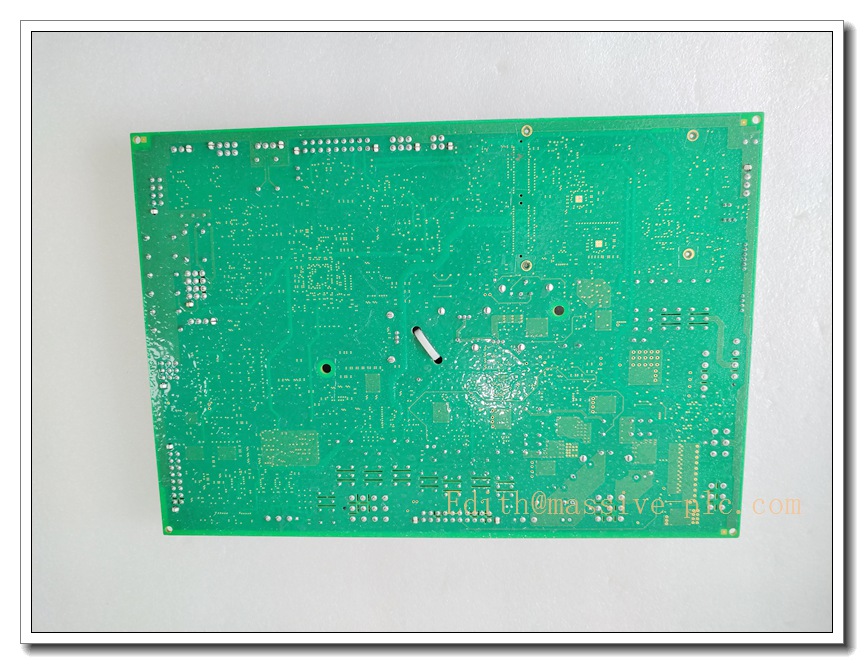
- Visual & PCB Inspection: Check conformal coating, edge connectors, solder joints, surge MOVs, serial/Ethernet ports and terminal headers for corrosion, burn marks or cracked traces; verify part number and revision marking.
- DC Power Bench Test: Apply 18–36 VDC input, confirm stable internal power rails and no power fault latch.
- Boot & Firmware Check: Verify power-up boot sequence, read firmware revision, confirm no permanent hardware fault codes.
- Communication Interface Test: Validate 10BaseT Ethernet link and serial COM port communication with Mark VIe simulator.
- I/O & Encoder Simulation: Inject analog, discrete and encoder signals to test closed-loop pitch position tracking and loop timing.
- Fault Response Test: Simulate signal loss and overspeed conditions to verify protective trip logic.
- Thermal Soak Test: Operate board at elevated cabinet temperature to expose intermittent solder or component drift faults.
- Final Cleaning & Packaging: Clean edge contacts, inspect conformal coating integrity, reset configuration, apply ESD packaging with test certificate.
IS215WEPAH2BA
New / Refurbished Board Installation Guidelines
- Pre-Installation Safety: Execute lockout-tagout procedures; isolate wind turbine main power, pitch drive power and control rack supply to prevent uncontrolled blade movement.
- Rack & Backplane Inspection: Confirm VME backplane revision compatibility, cabinet grounding and adequate airflow; verify no water ingress or salt contamination in offshore enclosures.
- Mechanical Insertion: Align the board edge connector carefully with the VME backplane, insert smoothly without forcing, and fasten front panel retaining screws gently.
- Field Wiring: Terminate encoder, pitch actuator, analog sensor and serial/Ethernet cables; segregate high-power drive wiring from low-level sensor cables to reduce EMI.
- System Configuration: Load turbine pitch application software, set control cycle time, encoder scaling, overspeed setpoints and network address via Mark VIe engineering toolset.
- Pre-Commissioning Functional Test: Power the rack offline; simulate position commands and feedback to confirm pitch loop response, fault detection and relay output behaviour.
- Commissioning & Safe Test: Perform bench and locked-rotor pitch tests before releasing the turbine; validate emergency pitch feathering function and archive the application settings.
Application Scenarios & Product Features
Typical Application Scenarios
- GE Mark VIe wind turbine pitch control cabinets for onshore and offshore wind farms
- Closed-loop blade angle regulation for power optimization and aerodynamic overload protection
- Wind turbine emergency feather and overspeed protection logic
- Retrofit spare replacement for legacy Mark VIe wind control racks
- Selected EX2100 generator excitation and auxiliary turbine control systems in power plants
- Predictive maintenance spare inventory for wind farm O&M programs
Core Product Features
- Real-time pitch axis closed-loop control with configurable scan rates
- Conformal-coated PCB with surge suppression for harsh offshore/onshore environments
- Integrated encoder, analog and discrete signal interfaces for pitch actuator feedback
- 10BaseT Ethernet plus multiple serial diagnostic ports for host communication and troubleshooting
- VME rack plug-in design for quick field replacement
- Onboard fault detection for sensor loss, actuator faults and communication failures
- Designed to coordinate with the main Mark VIe turbine controller for coordinated protection
- Supports password-protected firmware and application updates
IS215WEPAH2BA
Frequently Asked Questions (FAQ)
Q1: What does WEPA stand for in IS215WEPAH2BA? A1: WEPA means Wind Energy Pitch Axis. It is a dedicated blade pitch control board for Mark VIe wind turbines.
Q2: Can this board be used in gas turbine Mark VIe racks? A2: Primarily built for wind pitch control. Some revisions can be used in EX2100 excitation systems, but it is not a general-purpose gas turbine main controller; revision and firmware compatibility must be confirmed.
A3: No, this board is obsolete. Available stock consists of surplus or professionally refurbished, fully bench-tested units.
Q4: What are common failure modes of this board? A4: Typical faults include edge connector corrosion from salt/humidity, degraded conformal coating, MOV surge component failure, serial/Ethernet port ESD damage, ageing electrolytic capacitors and flash memory corruption after uncontrolled power loss.
Q5: Can this board be hot-swapped while the wind control rack is energized? A5: Hot swap is not permitted. Removing the board will interrupt pitch control and can cause uncontrolled blade motion. Isolate all pitch drive and rack control power before replacement.

 Start Chat