
Description
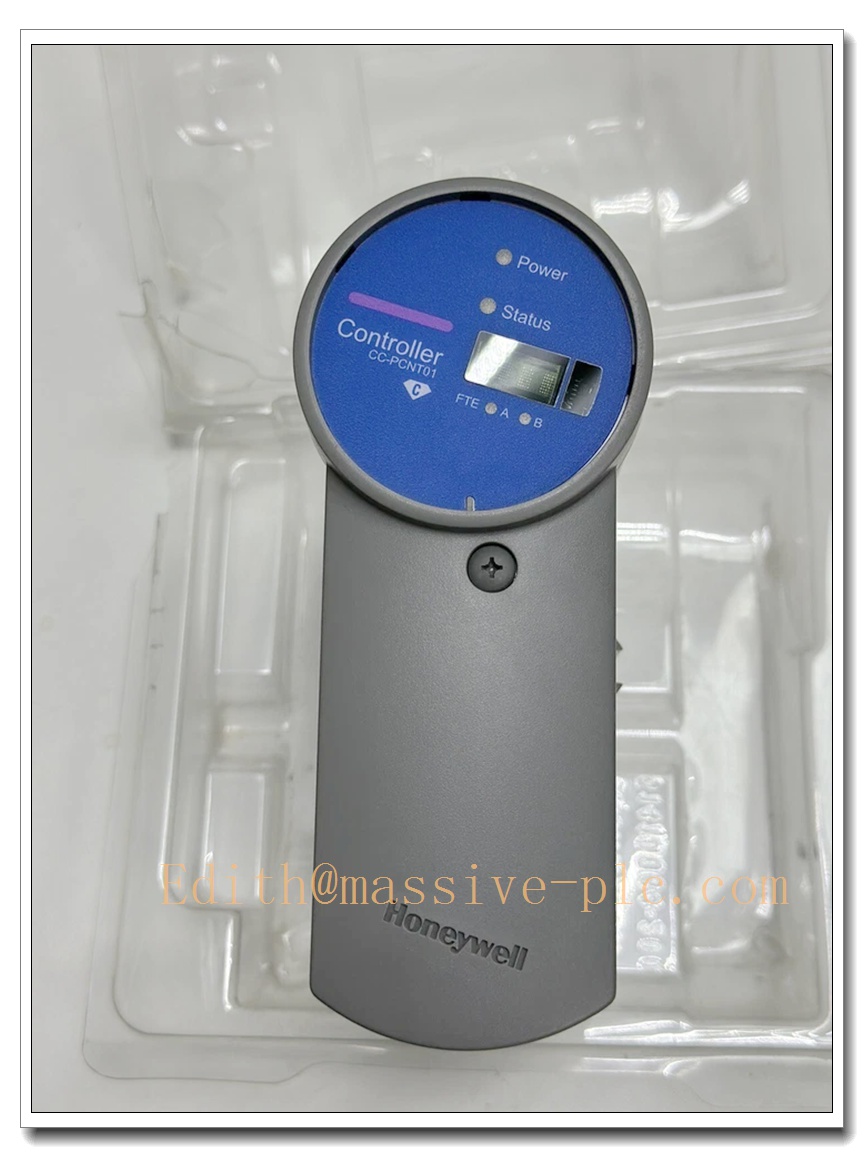
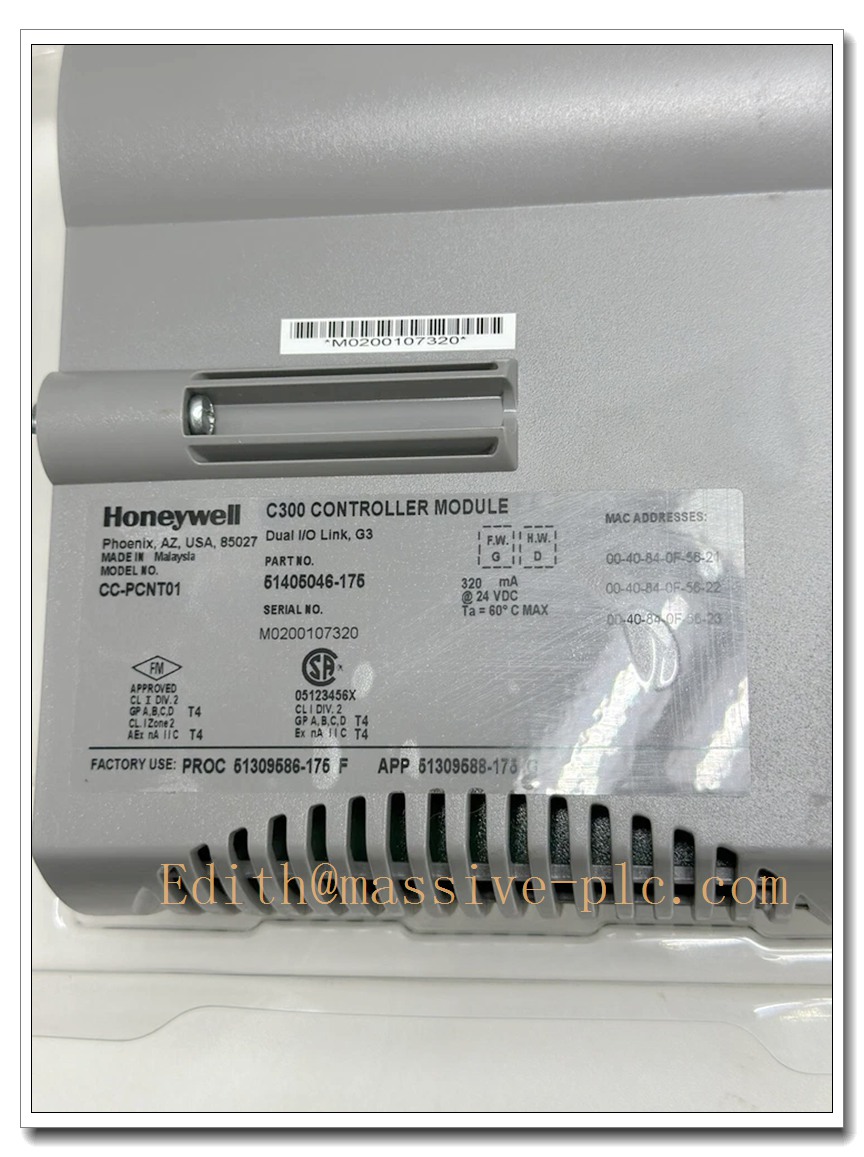
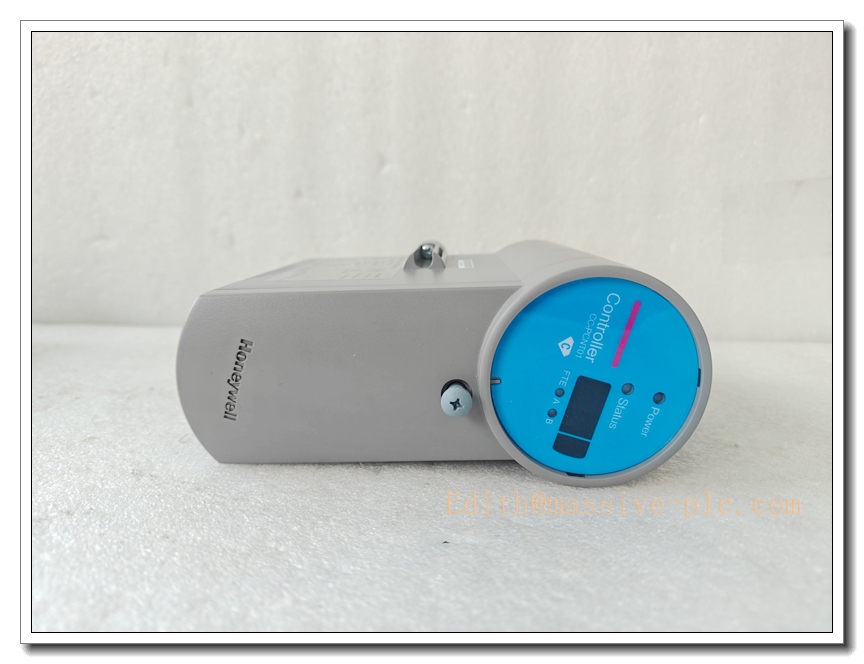
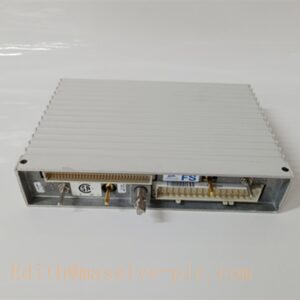
Honeywell CC-PCNT01, 1st Generation C300 Controller Module for Experion PKS Series C
Core Product Overview
CC-PCNT01 is the first-generation C300 DCS controller processor card for Honeywell Experion PKS Series C platform, OEM drawing PN: 51405046-175. It runs Honeywell deterministic CEE (Control Execution Environment), responsible for continuous PID regulation, sequence logic, batch control and I/O scanning. It must be matched with dedicated IOTA termination base CC-TCNT01, which provides 24VDC power, dual FTE ports and I/O Link bus terminals. It supports dual redundant hot-standby pairing for bumpless switchover. Successor model is CC-PCNT02, and the newer high-performance version is CC-PCNT05. Widely used in petrochemical, refinery, gas and power plant Experion PKS DCS cabinets. This is DCS process controller, not SIS safety controller (not FC-QPP-0001).
Main Technical Specifications
- Part Number: CC-PCNT01, Honeywell drawing PN: 51405046-175
- Manufacturer: Honeywell
- Device Type: C300 DCS Control Processor Module
- Compatible IOTA Base: CC-TCNT01 (mandatory)
- Control Engine: CEE deterministic control execution environment
- Memory: 64MB SDRAM, 1MB control strategy memory
- Network: Dual 10/100 Mbps FTE (Fault Tolerant Ethernet)
- I/O Interface: Dual I/O Link bus for local Series C I/O and remote I/O racks
- Control Scan: Configurable scan cycles (20ms / 50ms etc.)
- Redundancy: Supports dual redundant hot standby
- Power Supply: 24 VDC supplied by CC-TCNT01 IOTA
- Cooling: Passive convection cooling, depends on cabinet airflow
- Operating Temperature: 0 ~ +60°C
- Humidity: 10%–90% non-condensing
- PCB Coating: Conformal coated for industrial cabinet environment
- Form Factor: Series C rack single-slot plug-in module
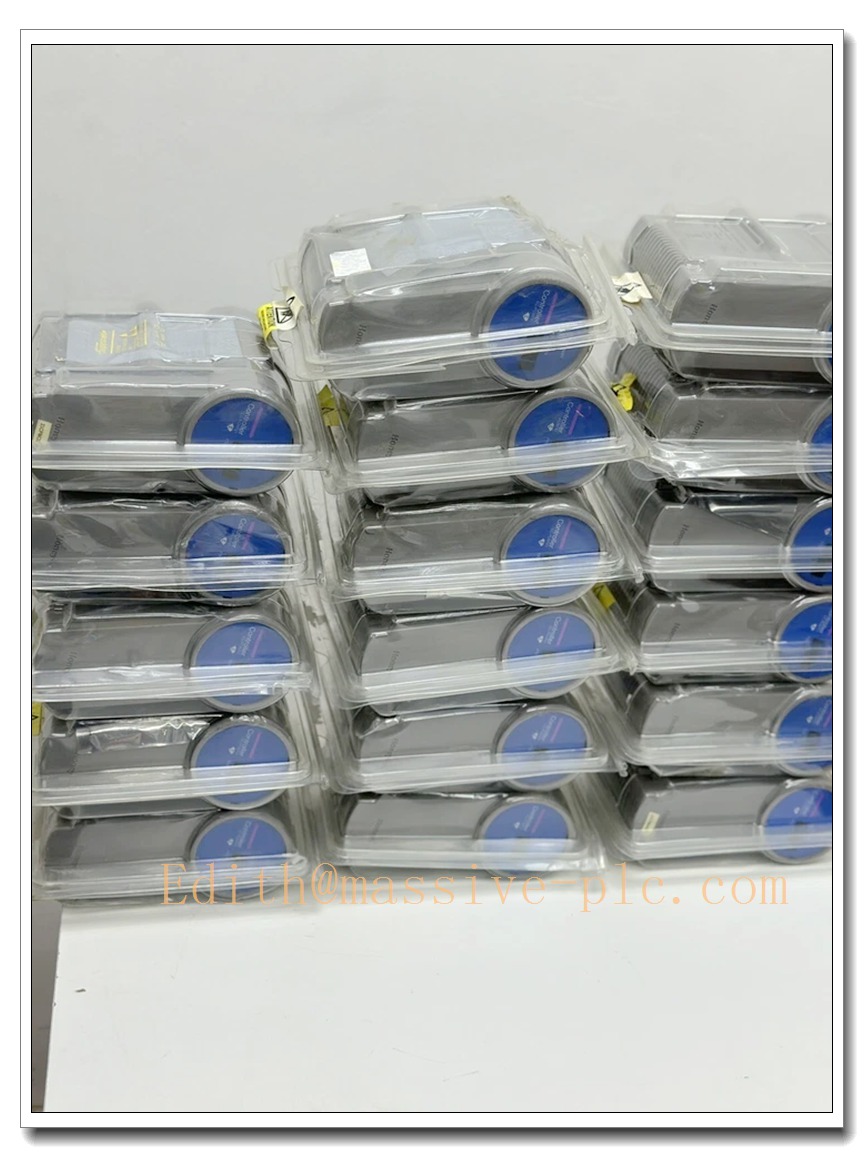
- Status: EOL, original production discontinued; spare stock available as new surplus or professionally refurbished bench-tested units
Same-Series Model Recommendations (8 Models)
-
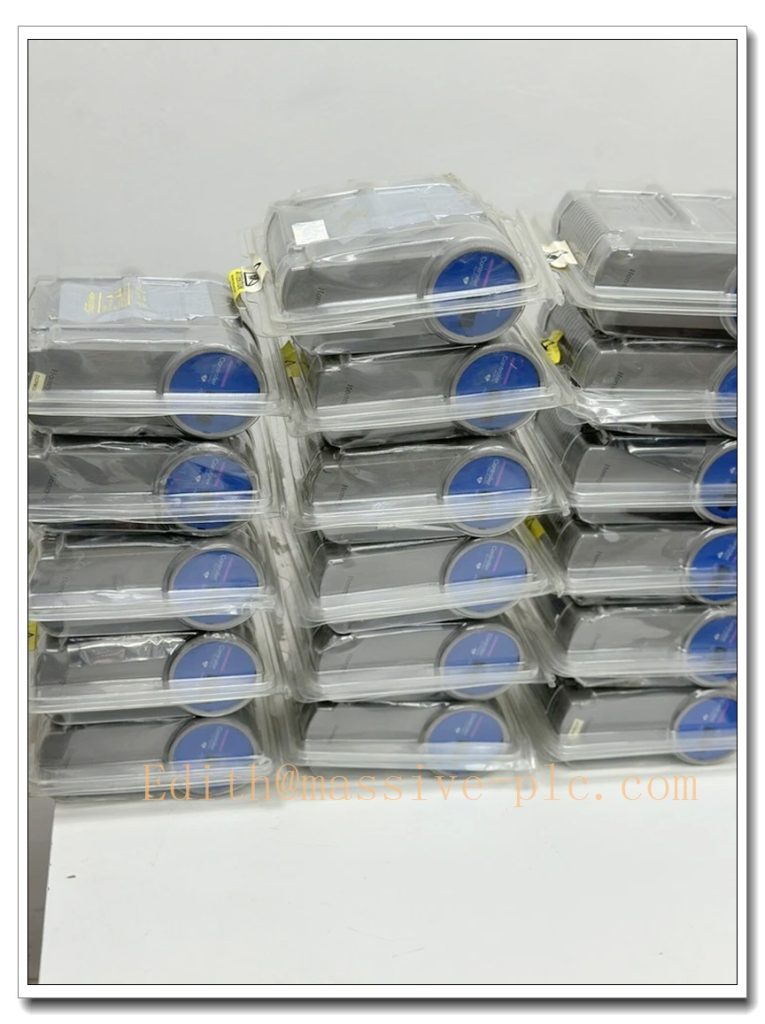
CC-PCNT01
Professional Quality Control & Testing Standard Operating Procedures
All surplus and refurbished Honeywell CC-PCNT01 modules follow this inspection workflow:
- Visual Inspection: Inspect PCB, gold edge fingers, front LED indicators, capacitors and soldering; verify Honeywell part label and revision.
- IOTA Base Power Bench Test: Install on CC-TCNT01, apply 24VDC, confirm stable power rails, no overcurrent or cycling.
- Boot & Firmware Validation: Complete power-on self-test, read firmware revision, confirm no permanent hardware fault codes.
- CEE Control Strategy Test: Download Experion control strategy, verify deterministic scan, PID and sequence execution.
- FTE & I/O Link Test: Test dual FTE links and I/O Link bus; verify communication with local and remote I/O modules.
- Redundancy Switchover Test: Pair two CC- controllers, validate bumpless primary/secondary failover.
- Thermal Soak Test: Run module at upper ambient temperature to expose intermittent memory, timing or connector faults.
- Final Cleaning & Packaging: Clean edge contacts, reset configuration, ESD packaging with printed test certificate.
New / Refurbished Module Installation Guidelines
- Pre-Installation Safety: Execute lockout-tagout; isolate rack 24V supply and FTE network to avoid process control interruption.
- Rack & IOTA Check: Confirm CC-TCNT01 IOTA base is correctly mounted on Series C carrier, protective earth and cabinet ventilation.
- Mechanical Insertion: Align CC- edge connector with CC-, insert smoothly and lock the module latch.
- Network & I/O Wiring: Connect dual FTE cables and I/O Link cables to IOTA terminals; use Honeywell specified shielded cables.
- System Configuration: Download control strategy and redundancy settings via Experion PKS engineering tools.
- Offline Functional Test: Power rack offline; verify Run/Fault LEDs, FTE link status and I/O data refresh.
- Commissioning & Acceptance: Test redundant switchover under fault conditions, confirm control strategy remains stable, archive project and test records.
Application Scenarios & Product Features
Typical Application Scenarios
- Experion PKS Series C DCS continuous process control
- Petrochemical, refinery, natural gas and power plant control cabinets
- Batch control, regulatory PID, interlock and advanced control applications
- Retrofit and spare replacement for legacy DCS installations
Core Product Features
- First-generation DCS controller for Experion PKS
- Deterministic CEE control engine for predictable control scan
- Dual FTE fault-tolerant Ethernet for communication with Experion servers and HMI
- Dual I/O Link bus to connect local and remote Series C I/O racks
- Supports dual redundant hot standby for high process availability
- Conformal coated PCB suitable for industrial cabinet environments
- Hot-swap capable; replacement requires process bypass and site work permit procedures
- Not a SIL safety SIS controller, cannot replace Safety Manager FC-QPP-0001
Frequently Asked Questions (FAQ)
A1: No. CC- is the mandatory IOTA base, providing power, FTE and I/O Link termination.
A2: CC- is the original first-gen . CC-PCNT02 is the revised second generation with enhanced firmware and diagnostics. They are not fully drop-in compatible without checking Experion software revision.
A3: No, it is standard DCS process controller. Honeywell SIL3 SIS uses Safety Manager FC-QPP-0001.
Q4: Is it hot-swappable? A4: Hardware supports hot swap, but removing the primary controller triggers redundancy switchover. Implement process bypass and work permit before replacement.
Q5: What are common failure modes? A5: Edge connector oxidation, FTE RJ45 port ESD damage, ageing capacitors, firmware corruption from voltage transients, memory faults.

 Start Chat