
Description
ABB 7625013-S PFSK113 Brush Block, ABB Stressometer Tension Measurement System Spare Part, Industrial Rolling Mill Force Sensor Contact Assembly
Product Application
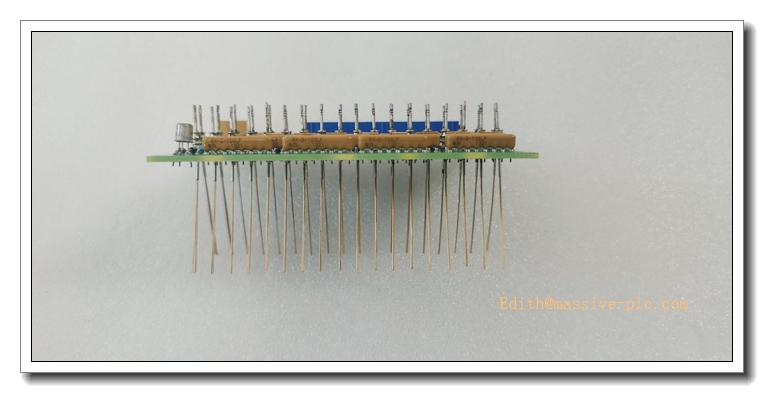
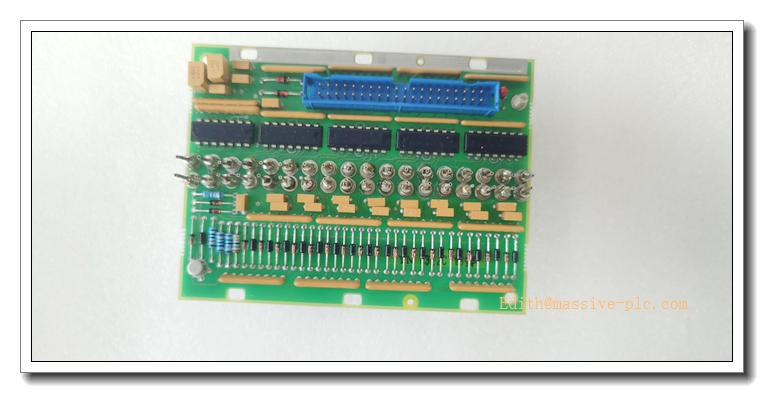
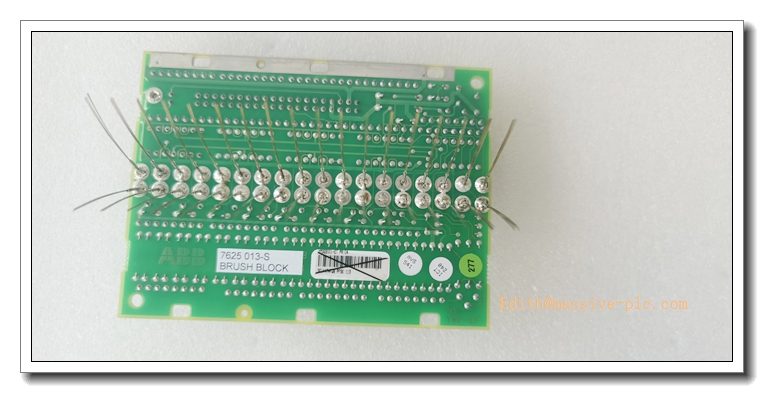
7625013-S (PFSK113) is a dedicated brush block assembly for ABB Stressometer force & tension measurement system. It establishes stable electrical contact between stationary signal circuit and rotating measuring roller, transmitting strain signal from Pressductor load cell to the signal processing unit.
- Steel mill hot rolling & cold rolling line tension monitoring
- Metal foil, paper and film web tension control system
- Continuous processing production line force measurement
- Metallurgy rolling mill Stressometer system maintenance & spare replacement
- Industrial web processing real-time tension closed-loop control
- Heavy industry force measurement equipment retrofit projects
7625013-S
Specifications
- Part Number: 7625013-S, includes PFSK113
- Brand: ABB
- Product Type: Brush Block Assembly
- Compatible System: ABB Stressometer / Pressductor tension measuring system
- Country of Origin: Sweden
- Net Weight: Approx. 0.1 kg
- Mounting: Installed on rotating measuring roller housing
- Protection Class: IP20 (installed inside equipment housing)
- Condition: Original new / refurbished spare available
- Compliance: CE, IEC industrial measuring equipment standard
Parameters
- Contact Material: High-performance carbon brush with low wear rate
- Signal Type: Low-level millivolt strain gauge signal transmission
- Max rotating speed: Matched with Stressometer roller assembly
- Operating temperature: -10°C ~ +70°C
- Storage temperature: -40°C ~ +85°C
- Relative humidity: 5%~95% RH, non-condensing
- Function: Transfer weak force measurement signal from rotating load cell
- Wear characteristic: Visible brush wear for convenient maintenance scheduling
Key Features
- Specialized brush block for ABB Stressometer Pressductor tension measuring system
- Low-noise carbon contact design to ensure stable transmission of weak strain gauge signal
- Low friction and low wear formula, extend service life under continuous rotation
- Compact assembly structure, easy disassembly and on-site replacement
- Good anti-vibration performance, adapt to strong vibration environment of rolling mill
- Reliable signal continuity, reduce tension measurement fluctuation caused by poor contact
- Original ABB spare, perfect matching with Stressometer roller and load cell
7625013-S
ABB Same Series Related Models (≥6)
- 7625013-S PFSK113
- PFSK101
- PFSK102
- PFSK103
- PFSK104
- PFSK111
- PFSK112
Maintenance
- Routine inspection: Check brush wear length and contact condition every 3–6 months
- Clean dust and carbon powder on brush and slip ring surface with dry compressed air; liquid solvent cleaning is forbidden
- ESD protection must be adopted during disassembly, anti-static wristband required
- If tension signal jitter occurs, check brush wear and slip ring surface scratch or contamination
- Replace brush block once carbon brush wears to limit dimension to avoid signal interruption
- We support function testing, refurbishment and spare replacement service for this PFSK113 brush block
Installation
- Shut down the rolling machine and tension measuring system, confirm equipment stops completely before operation.
- Wear anti-static wristband to prevent electrostatic damage to sensitive strain signal components.
- Open the protective housing of Stressometer measuring roller, release the fixing fastener of old brush block.
- Take out old brush assembly carefully, avoid scratch on slip ring surface.
- Install new 7625013-S brush block, adjust brush pre-pressure to keep good contact with slip ring.
- Reinstall protective housing, tighten all fixing screws.
- Restore equipment power, start tension measuring system.
- Perform tension signal calibration, verify signal stability and complete commissioning.

 Start Chat