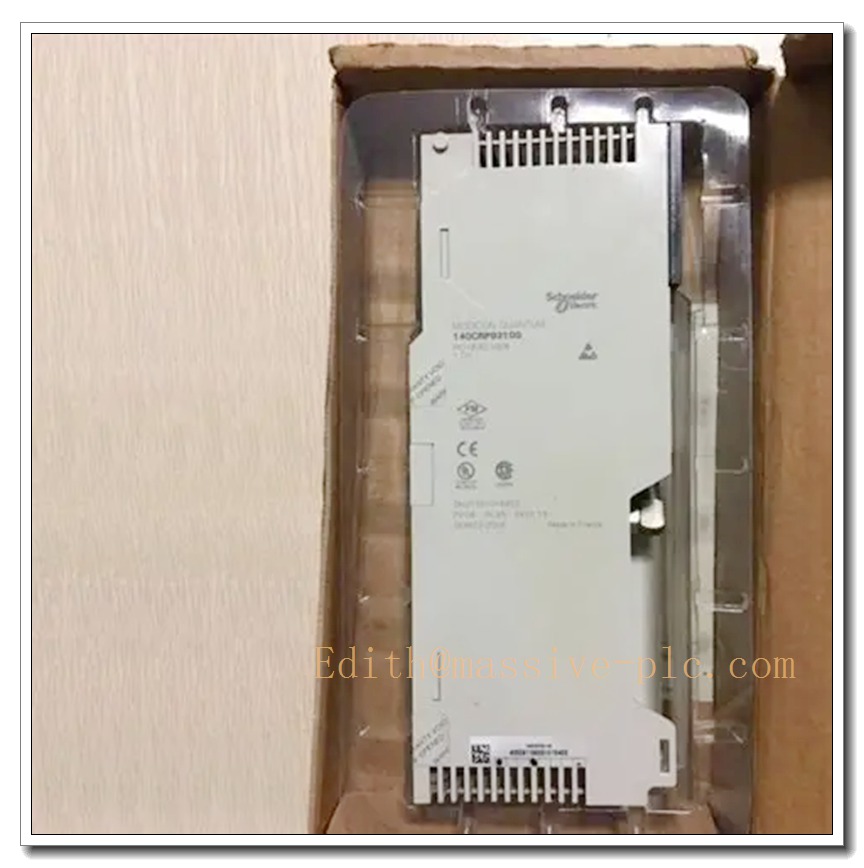
Description
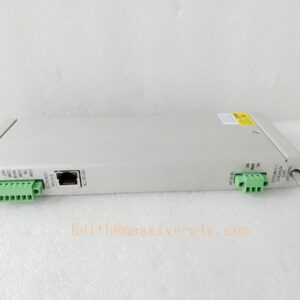
140CRP93100 is a high-performance RIO (Remote I/O) head-end adaptor module manufactured by Schneider Electric, belonging to the classic Modicon Quantum automation platform. Designed exclusively for distributed industrial automation scenarios that require ultra-high-speed, high-reliability long-distance I/O signal transmission, it serves as the core main station connection unit in the Quantum local rack, realizing high-speed data interaction between the main Quantum PLC CPU and remote RIO slave devices via S908 R network. It features industrial-grade rugged hardware design, dual-network interface redundancy capability, and strong electromagnetic interference resistance, delivering exceptional stability and reliability for continuous industrial production processes. Widely deployed in large petrochemical plants, power generation facilities, and large manufacturing production lines, it is a critical maintenance spare part for legacy Modicon Quantum distributed control systems, with current market prices ranging from CN¥232 to CN¥24600 per unit depending on condition, stock status, and supplier.
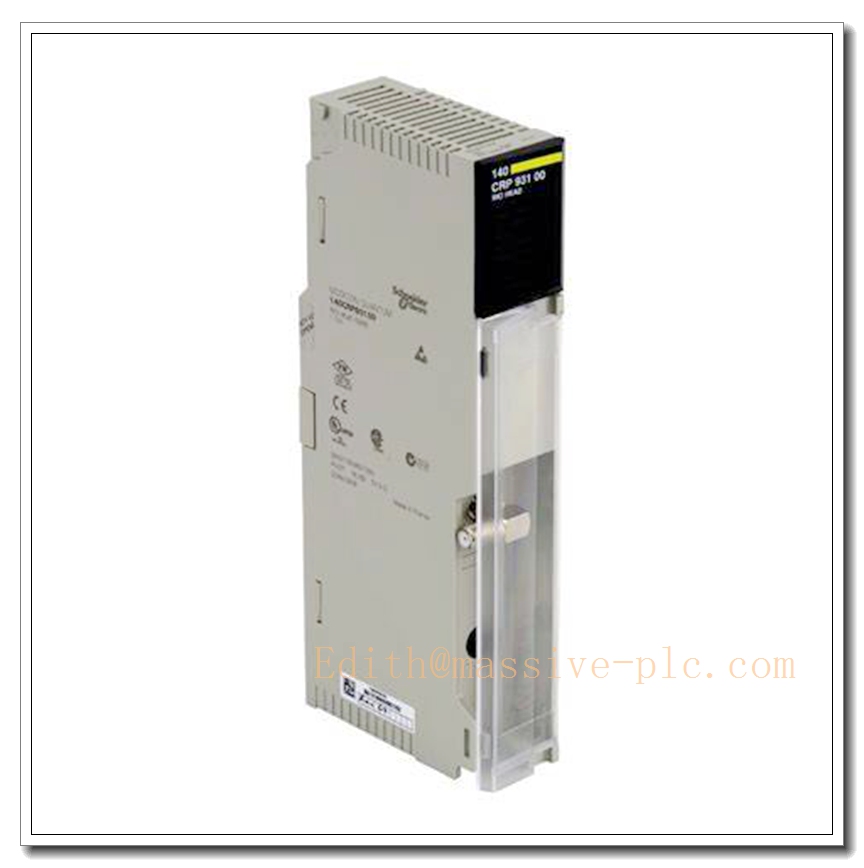
140CRP93100
Core Technical Specifications
| Parameter | Details |
|---|---|
| Manufacturer | Schneider Electric |
| Part Number | 140CRP93100 |
| Product Type | RIO Head-end Adaptor Module |
| Platform Compatibility | Modicon Quantum Automation Platform |
| Supported Network | S908 R network |
| Communication Protocols | PROFINET, Ethernet/IP, Modbus TCP |
| Maximum Supported Remote I/O Nodes | Up to 128 units |
| Redundancy Capability | Dual-network interface redundancy, supporting bumpless hot switching |
| Power Supply | 24 V DC (typical) |
| Typical Power Dissipation | 15 W |
| Operating Temperature Range | -20°C to +60°C |
| Storage Temperature Range | -40°C to +85°C |
| Installation Method | Rack-mounted installation on Modicon Quantum backplane |
| Status Indicators | LED indicators for power status, network status, and communication abnormality |
| Built-in Diagnostic Functions | Node health monitoring, real-time communication status tracking, remote alarm notification |
| Product Certification | Industrial-grade safety certification and EMC (Electromagnetic Compatibility) certification |
| Product Lifecycle Status | Discontinued / Obsolete (New original and refurbished stock widely available in the market) |
| Standard Warranty | 1–2 years manufacturer defect warranty (for new/refurbished units) |
Key Features & Advantages
- Ultra-High-Speed Multi-Protocol Communication: It natively supports PROFINET, Ethernet/IP, and Modbus TCP industrial protocols, ensuring real-time and reliable high-speed data interaction between the main CPU and remote RIO stations, perfectly meeting the ultra-high-speed response requirements of large distributed automation systems.
- Dual-Network Redundancy Capability: The dual-network interface design realizes automatic bumpless hot switching upon single network failure, completely avoiding communication interruption caused by single-point network fault, ensuring zero downtime for critical production processes.
- Massive Remote I/O Expansion Capability: It supports up to 128 remote I/O nodes, enabling users to build super-large-scale distributed automation control systems covering extremely wide industrial sites.
- Comprehensive Built-in Diagnostic Functions: It integrates node health monitoring, real-time communication status tracking, and remote alarm notification functions, which can detect potential system faults in advance and greatly improve system operation and maintenance efficiency.
- Ultra-Wide Operating Temperature Adaptability: It can maintain stable operation in the temperature range of -20°C to +60°C, far exceeding the operating temperature range of ordinary industrial modules, adapting to extremely harsh industrial site temperature environments.
- Intuitive LED Status Indication: The dedicated LED indicators for power, network, and communication status provide real-time and clear operation feedback, helping on-site engineers quickly locate and troubleshoot system faults.
- Seamless System Compatibility: It perfectly integrates into legacy Modicon Quantum distributed automation control systems, and can seamlessly pair with 140CRA93100 and other RIO adapter modules, greatly reducing system transformation and maintenance costs.
Typical Application Scenarios
The 140CRP93100 is widely deployed in industrial scenarios that require high-speed distributed RIO master station control:
- Petrochemical Industry: Core RIO master station unit for large petrochemical production lines, supporting long-distance high-speed I/O signal transmission across wide petrochemical plant sites.
- Power Generation Industry: Distributed RIO master station unit for large power plant main control systems, realizing high-speed data interaction between the main control room and field power generation equipment.
- Large Manufacturing Industry: Distributed control master station unit for large automated continuous production lines, ensuring stable operation of distributed automation systems across multiple production workshops.
- Offshore Oil & Gas Industry: Distributed control unit for offshore oil and gas platforms, supporting stable operation of distributed automation systems in harsh marine environments.
- Legacy System Retrofit: As an original spare part for aging Modicon Quantum distributed control systems, it restores the original full high-speed RIO master station communication function of old equipment without replacing the entire control platform, saving significant retrofit costs.
Installation & Maintenance Guidelines
- Before installation, confirm that the target Modicon Quantum PLC backplane model is within the compatible range, and strictly follow ESD anti-static operation specifications to avoid electrostatic damage to precision electronic components on the board.
- After installation, check that all network communication ports and backplane connection terminals are securely connected, and the tightening torque meets the standard requirements to prevent communication interruption or signal misoperation caused by poor contact.
- When configuring dual-network redundancy architecture, strictly follow the official network configuration specifications to ensure stable automatic switching performance, avoiding communication interruption upon single network fault.
- Regularly check the operating status of the module through the upper PLC configuration software, and make full use of the built-in diagnostic functions to detect potential system faults in advance.
- Regularly clean the dust accumulated on the surface of the module and the communication interface quarterly to maintain good signal transmission performance.
- Keep the internal ventilation of the control cabinet unobstructed to ensure that the heat generated during long-term operation can be dissipated in time, extending the service life of the module.
- For critical continuous production lines, it is recommended to prepare spare units in advance to avoid long-term production shutdown losses caused by unexpected module failures, especially given the discontinued status of the product.