
Description
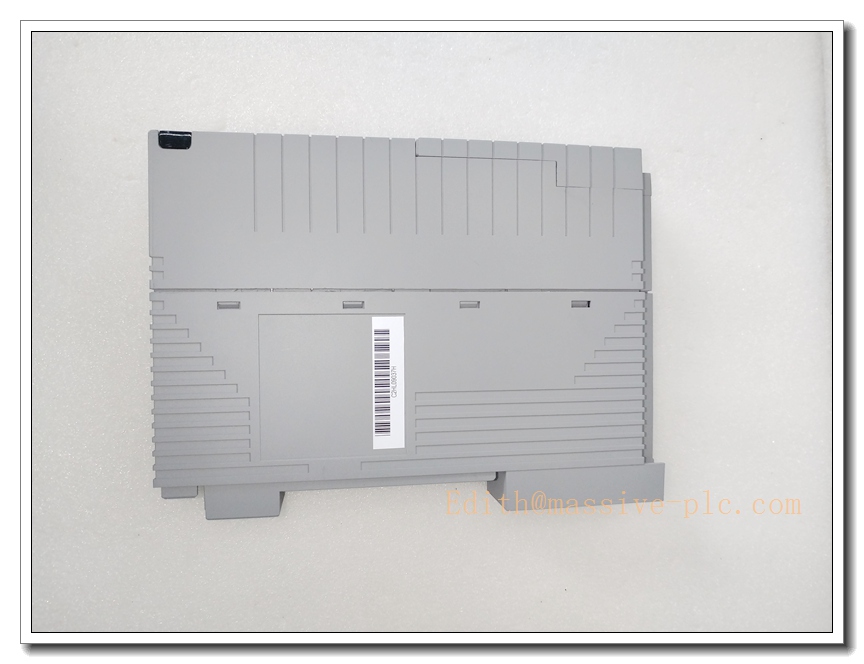
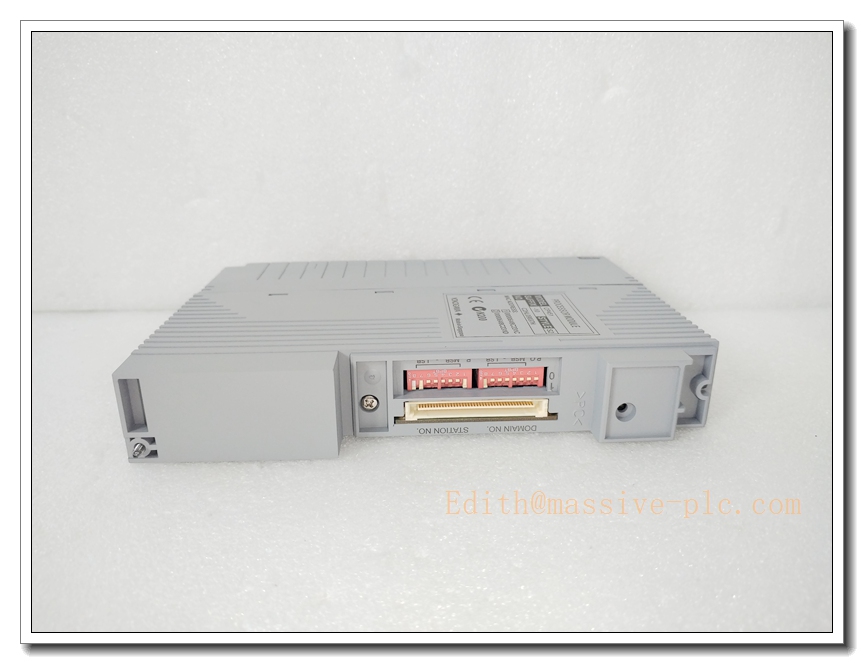
Yokogawa CP451-10, Control Processor Module for CENTUM VP / CS3000 DCS
Core Product Overview
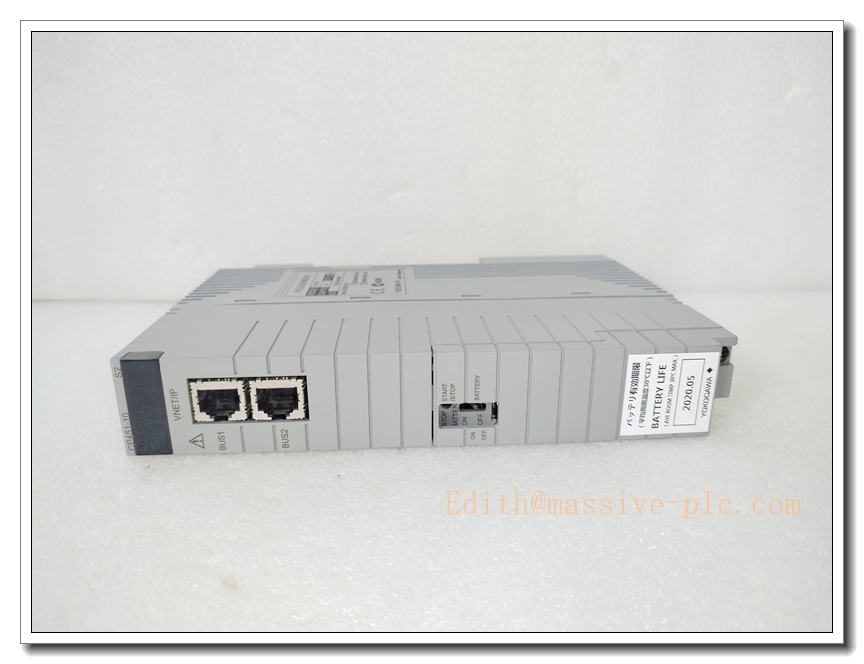
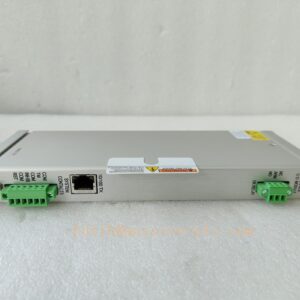
CP451-10 is the core control processor (CPU) for Yokogawa CENTUM VP / CENTUM CS3000 DCS Field Control Station (FCS). It executes real-time regulatory PID control, sequence logic, I/O scanning, alarm and trend processing. It uses dual Vnet/IP ports for redundant deterministic control network communication, linking FCS with HIS operator stations and engineering stations. It supports 1:1 hot standby redundancy for bumpless switchover.
Important note: This is Yokogawa (横河) DCS controller, NOT Honeywell. Different platform from Honeywell C300 CC-PCNT01, Safety Manager FC-QPP-0001.
Main Technical Specifications
- Part Number: CP451-10
- Manufacturer: Yokogawa
- Device Type: DCS FCS Control Processor Module
- Compatible Platform: CENTUM VP, CENTUM CS3000
- Processor: RISC real-time CPU
- Network: Dual Vnet/IP (Yokogawa proprietary deterministic control Ethernet)
- Redundancy: Supports 1:1 hot standby, memory synchronization
- Scan Cycle: Configurable, minimum ~10ms for regulatory control loops
- Power Supply: 24VDC supplied via FCS backplane
- Local Storage: Flash memory + battery-backed RAM for retention of parameters during power loss
- Operating Temperature: 0 ~ +60°C
- Humidity: 5–95% RH non-condensing
- Form Factor: Rack-mounted single-slot FCS module
- Status: Legacy generation, phased out by newer VP processors; spare stock available as new surplus or professionally refurbished bench-tested units
CP451-10
Same-Series Model Recommendations (8 Models)
- CP451-10: FCS control processor (subject model)
- CP461-10: Newer high-performance CENTUM VP processor
- CP401: Older CS3000 generation CPU
- AAI143-S00: Yokogawa analog input module
- AAO143-S00: Yokogawa analog output module
- ADM12C: Communication module
- CC-PCNT01: Honeywell C300 DCS controller
- FC-QPP-0001: Honeywell Safety Manager SIS CPU
Professional Quality Control & Testing Standard Operating Procedures
All surplus and refurbished Yokogawa CP451-10 modules follow this inspection workflow:
- Visual Inspection: Inspect PCB, gold edge fingers, front LED indicators, battery, capacitors and soldering; verify Yokogawa part label and revision.
- Backplane Power Bench Test: Install on matching FCS chassis, apply 24VDC, confirm stable power rails, no overcurrent or cycling.
- Boot & Firmware Validation: Complete power-on self-test, read firmware revision, confirm no permanent hardware fault codes.
- Vnet/IP Communication Test: Test dual network ports, verify link and deterministic data exchange with engineering station.
- Control Logic Test: Download CENTUM test control strategy, verify PID, sequence and I/O refresh.
- Redundancy Switchover Test: Pair two CP451-10 processors, validate bumpless primary/secondary failover.
- Thermal Soak Test: Run module at upper ambient temperature to expose intermittent memory, timing or connector faults.
- Final Cleaning & Packaging: Clean edge contacts, replace backup battery if aged, ESD packaging with printed test certificate.
New / Refurbished Module Installation Guidelines
- Pre-Installation Safety: Execute lockout-tagout; isolate FCS 24V rack power and field signals to prevent unexpected process action.
- Rack & Backplane Check: Confirm compatible CENTUM FCS chassis, protective earth and cabinet cooling airflow.
- Mechanical Insertion: Align edge connector with FCS backplane, insert smoothly and lock the latch.
- Network Wiring: Connect dual Vnet/IP shielded Ethernet cables; separate control network from office IT network.
- System Configuration: Download control strategy, tag database and redundancy settings via CENTUM engineering software.
- Offline Functional Test: Power rack offline; verify Run/Fault LEDs, Vnet/IP link status and I/O data acquisition.
- Commissioning & Acceptance: Test redundant takeover under fault injection, confirm uninterrupted control, archive project and test records.
Application Scenarios & Product Features
Typical Application Scenarios
- Petrochemical, refinery, natural gas and power plant CENTUM VP / CS3000 DCS process control
- Continuous PID regulation, batch control and sequence interlocks
- Field control station (FCS) core processing unit
- Retrofit and spare replacement for legacy Yokogawa CENTUM installations
Core Product Features
- Real-time RISC control processor for Yokogawa CENTUM DCS FCS
- Dual redundant Vnet/IP for low-jitter deterministic control communication
- 1:1 hot standby with full memory synchronization for bumpless failover
- Battery-backed RAM to retain parameters during power outage
- Front-panel status LEDs for Run, Fault, Network and Sync diagnostics
- Hot-swap capable; replacement must confirm standby CPU is fully synchronized and follow site work permit
- General DCS process controller, not SIL-rated safety SIS controller
Frequently Asked Questions (FAQ)
A1: No, it is Yokogawa CENTUM DCS processor, different brand and system from Honeywell Experion PKS.
A2: is older VP/CS3000 CPU; CP461-10 is upgraded newer generation with higher processing performance and improved diagnostics, not fully drop-in compatible without software revision review.
Q3: Can it be used for SIS safety interlock? A3: It is standard DCS process controller. Yokogawa ProSafe-RS is the dedicated SIL safety SIS platform.
Q4: Is it hot-swappable? A4: Hardware supports hot swap. Always verify standby CPU sync status before replacement to avoid process trip.
Q5: What are common failure modes? A5: Backup battery depletion, gold finger oxidation, Vnet/IP port ESD damage, capacitor ageing, flash firmware corruption.

 Start Chat