
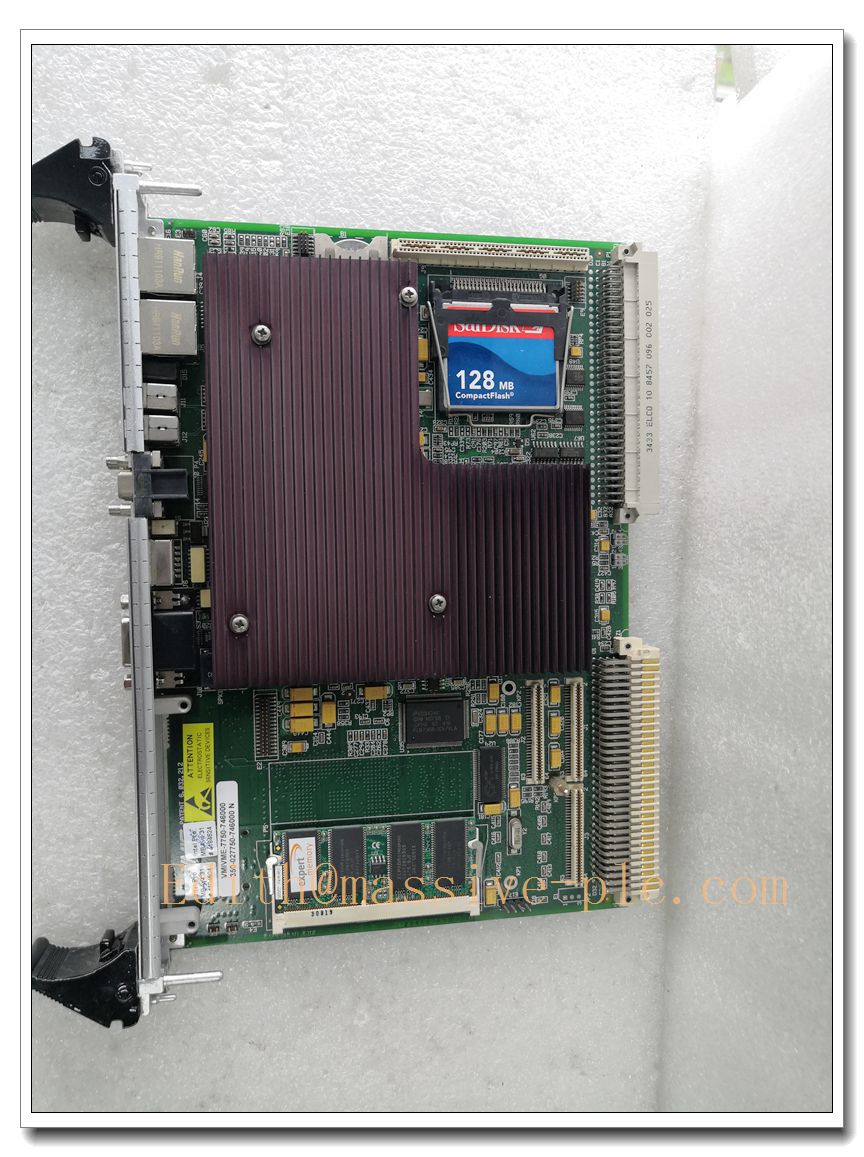
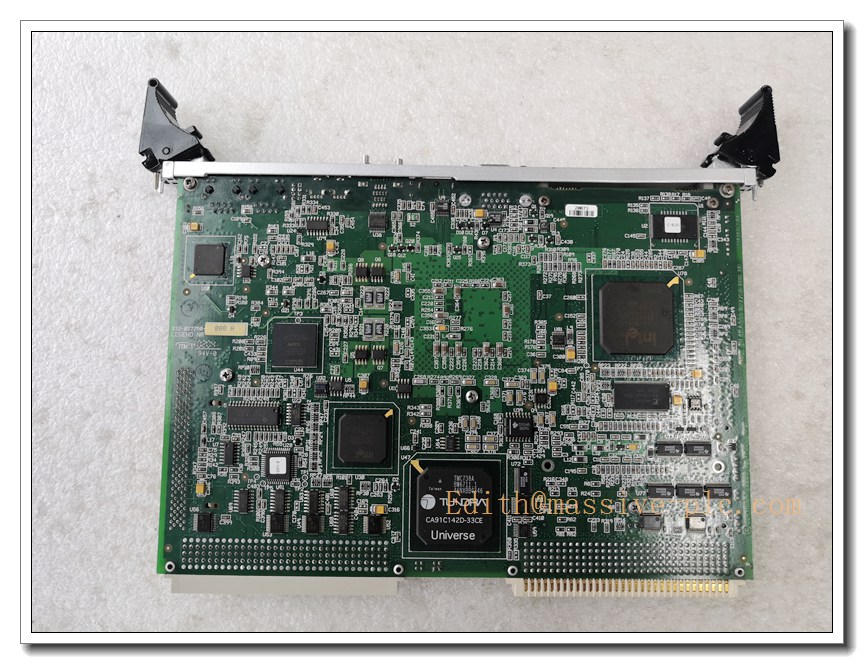
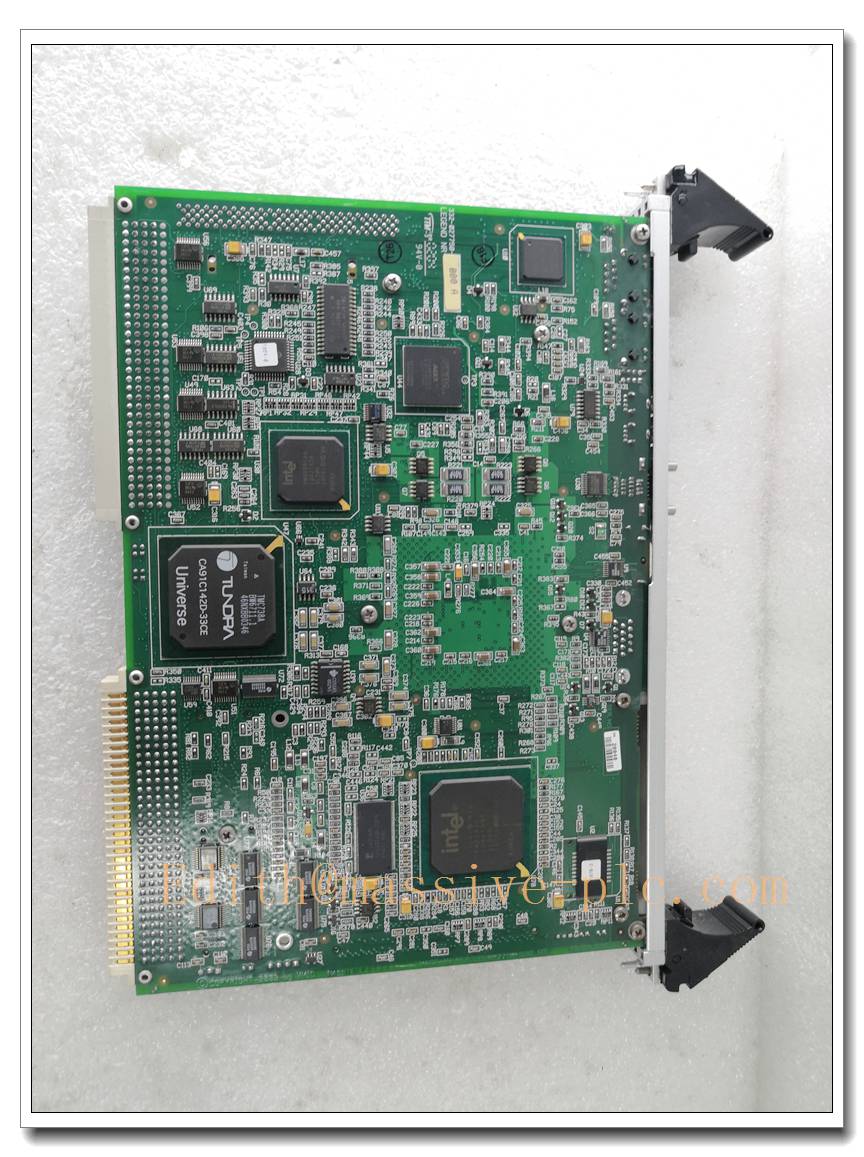
Description
VMIVME-7750-746 6U VMEbus Single Board Computer, Pentium III Embedded SBC
Core Product Overview
The VMIVME-7750-746 is a 6U single-slot VMEbus single-board computer originally designed by VMIC (later acquired by GE). It uses Intel Pentium III processor and Intel 815E chipset with a transparent PCI-to-VME bridge, supporting operation either as VME system controller or secondary CPU in multi-processor VME racks. It integrates dual 10/100 Ethernet, VGA graphics, serial, USB and IDE storage interfaces, and runs common real-time operating systems for embedded control. Widely used in legacy turbine control, military, aerospace and high-reliability industrial VME systems. OEM production has long been discontinued; available stock is surplus or professionally refurbished and bench-tested spare parts.
Main Technical Specifications
- Part Number: VMIVME-7750-746
- Manufacturer: VMIC / GE
- Form Factor: 6U VMEbus single Eurocard, VME Rev C.1 compliant
- Processor: Intel Pentium III, 133 MHz FSB
- Chipset: Intel 815E
- Memory: Up to 512 MB PC133 SDRAM
- Graphics: Onboard SVGA with 4 MB display cache, VGA output
- Network: Dual independent 10/100 Base-T Ethernet ports
- Onboard Peripherals: 2×RS232 serial, 2×USB, IDE, floppy, PS/2 keyboard/mouse, RTC, front-panel reset
- VME Interface: PCI-to-VME bridge, A32/D32 master/slave, DMA and interrupt support
- Supported OS: VxWorks, QNX, LynxOS, Linux, Windows 2000
- Power: Powered from VME backplane (+5V, ±12V)
- Operating Temperature: 0°C ~ +70°C standard; extended temperature variants optional
- Humidity: 5%–95% non-condensing
- Certifications: CE
- Status: Obsolete legacy VME SBC; no new OEM production, supplied as surplus or refurbished tested units
Same-Series Model Recommendations (8 Models)
-
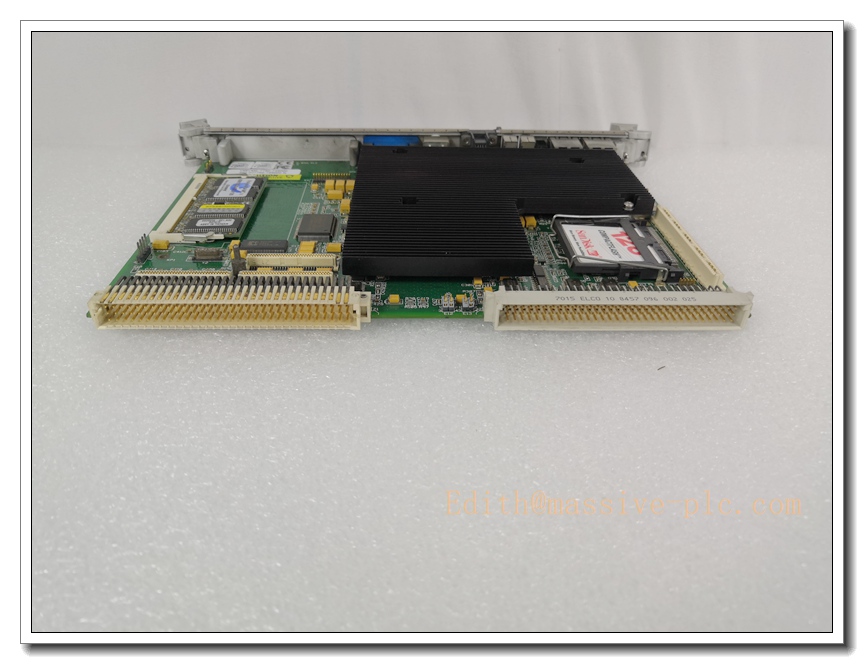
VMIVME-7750-746000
Professional Quality Control & Testing Standard Operating Procedures
All surplus and refurbished VMIVME-7750-746 boards follow this inspection workflow:
- Visual & Connector Inspection: Check PCB, front panel connectors, VME edge fingers, capacitors, solder joints for corrosion, bent pins, burn traces or physical damage; verify part number and revision label.
- VME Backplane Power Bench Test: Insert into compatible 6U VME chassis, apply backplane power and confirm stable power rails without immediate fault.
- BIOS & Boot Validation: Confirm POST and BIOS boot sequence, read board ID and hardware version, check RTC clock function.
- Peripheral Interface Test: Validate dual Ethernet link, RS232 serial communication, USB enumeration, VGA video output and IDE storage detection.
- Memory & CPU Burn-in: Run memory test suite and CPU diagnostic software to verify SDRAM integrity and processor stability.
- VME Bridge Function Test: Use VMEbus diagnostic tools to test PCI-VME bridging, master/slave transfers, interrupt and DMA operation.
- Thermal Soak Test: Operate board at elevated cabinet temperature to expose intermittent cold-solder or component drift faults.
- Final Cleaning & Packaging: Clean VME edge contacts, reset BIOS defaults, apply ESD shielding and include printed test certificate.
New / Refurbished Board Installation Guidelines
- Pre-Installation Safety: Execute lockout-tagout; isolate VME chassis control power to avoid bus faults or unintended equipment operation.
- Chassis & Backplane Check: Confirm the VME backplane is 6U compatible, chassis grounding is secure, and fan cooling is functional.
- Mechanical Insertion: Align the board with VME card guides, insert smoothly into the backplane without forcing, secure front panel screws gently.
- Front Panel I/O Wiring: Terminate Ethernet, serial, VGA, USB and storage cables; segregate low-speed signal wiring from high-power cables to reduce EMI.
- System Configuration: Enter BIOS to set boot order, memory parameters and VME bridge modes; load target operating system and board support package (BSP).
- Pre-Commissioning Functional Test: Power the VME rack offline; verify POST, network communication, serial I/O and VME bus transfers without live field loads.
- System Commissioning: Integrate with other VME I/O modules, test interrupt synchronization and application runtime; archive BIOS and OS configuration.
Application Scenarios & Product Features
Typical Application Scenarios
- Legacy VME-based turbine and power generation control systems
- Aerospace and defense embedded VME computing platforms
- Industrial real-time data acquisition and high-speed test systems
- Retrofit spare replacement for existing VMIC/GE VME racks
- Offline simulator and diagnostic systems for older turbomachinery controls
- Rugged embedded control requiring VMEbus multi-card synchronization
Core Product Features
- 6U single-slot Pentium III embedded SBC for standard VME chassis
- Transparent PCI-to-VME bridge, capable as VME system controller or secondary CPU
- Dual independent 10/100 Ethernet for network redundancy and host communication
- Rich onboard peripherals: VGA, dual RS232, USB, IDE storage and real-time clock
- Broad real-time OS support including VxWorks, QNX and Linux
- Passively cooled Eurocard design optimized for industrial embedded racks
- Full VMEbus master/slave, interrupt and DMA capability for multi-card systems
- Front-panel reset switch and status indicators for local troubleshooting
Frequently Asked Questions (FAQ)
Q1: What is VMIVME-7750-746 used for? A1: It is a VME single-board computer. It runs embedded operating systems and user control software inside VME chassis, acting as the main CPU or secondary processor for legacy high-reliability systems.
Q2: Can it work in any 6U VME chassis? A2: It fits standard 6U VME slots, but backplane voltage, cooling and VME revision compatibility must be verified. Older passive backplanes may require careful termination.
A3: No, this VMIC/GE VME SBC is obsolete. Available stock consists of surplus or professionally refurbished, fully bench-tested units.
Q4: What are common failure modes of this board? A4: Typical faults include ageing electrolytic capacitors causing boot instability, VME edge finger corrosion, RTC battery depletion, Ethernet PHY ESD damage, and flash/BIOS corruption after uncontrolled power loss.
Q5: Can this board be hot-swapped in a powered VME rack? A5: Standard VME does not define safe hot swap for this SBC family. Removal while powered can crash the VME bus and trigger system faults. Isolate chassis power before replacement.

 Start Chat