
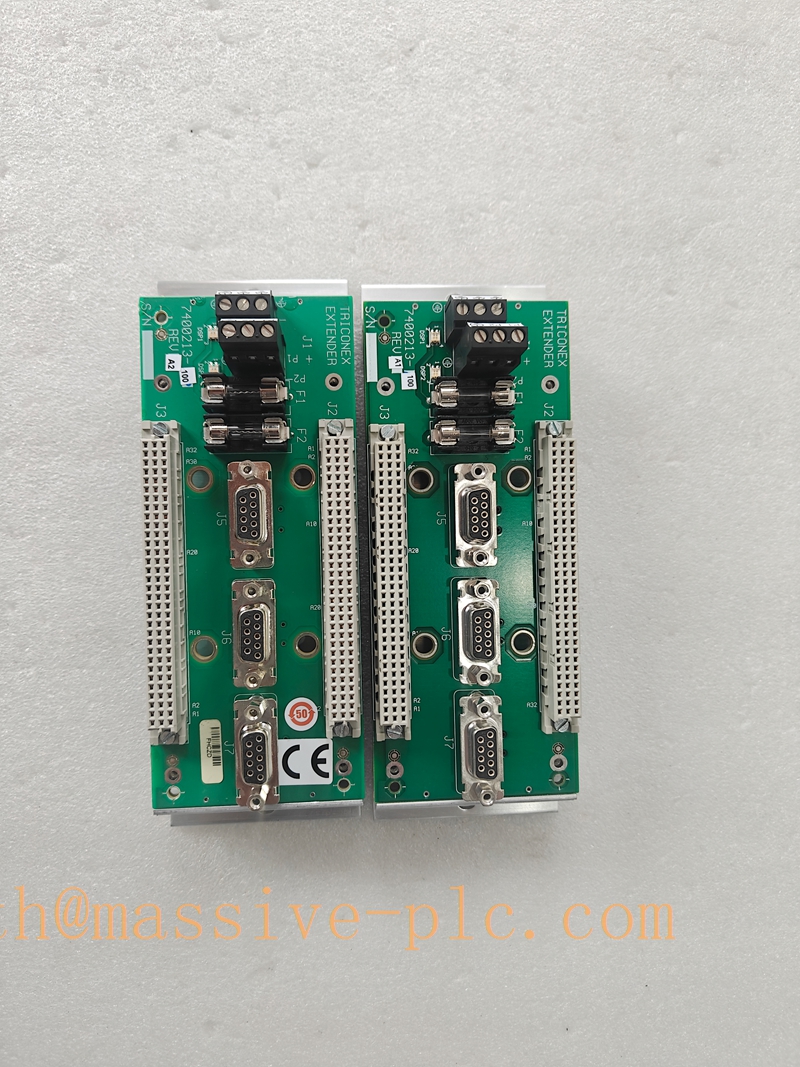
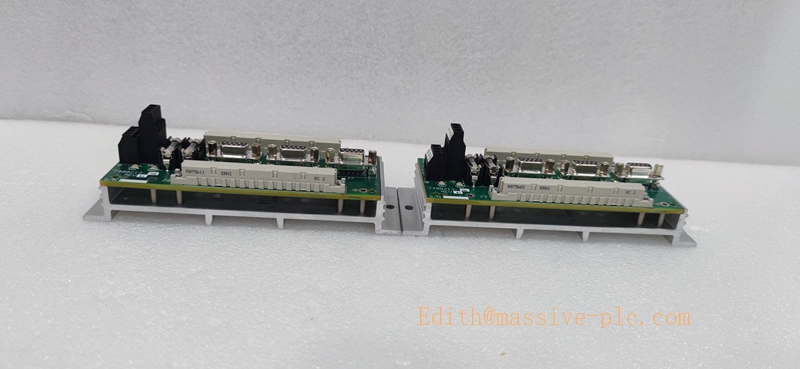
Description
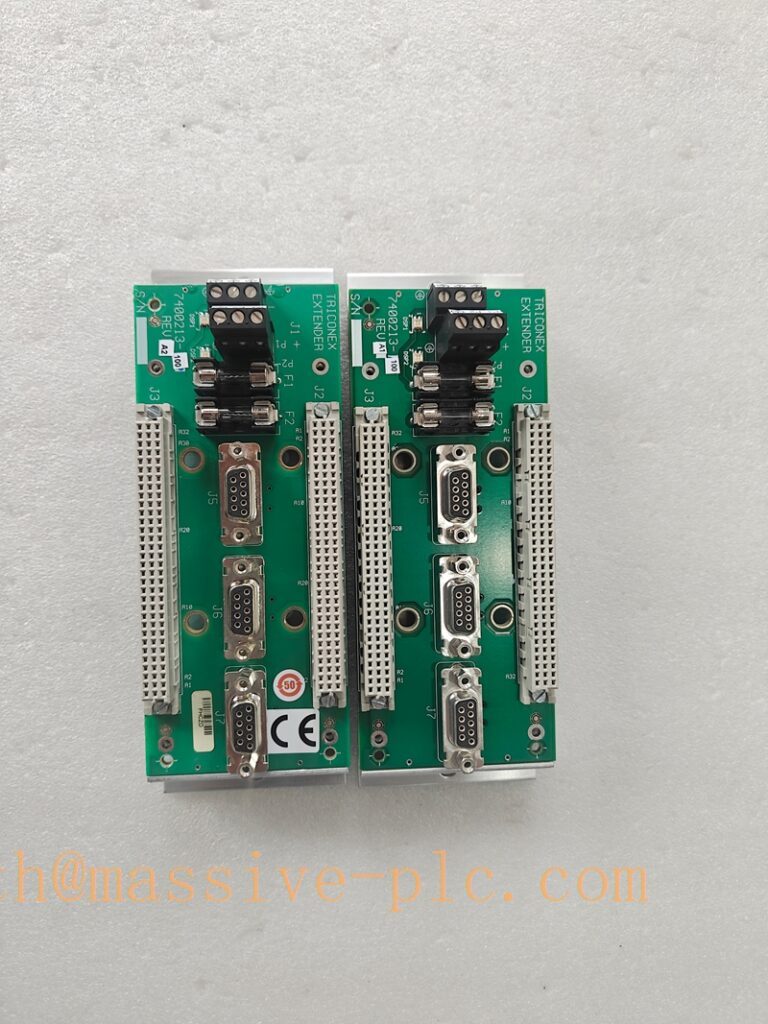
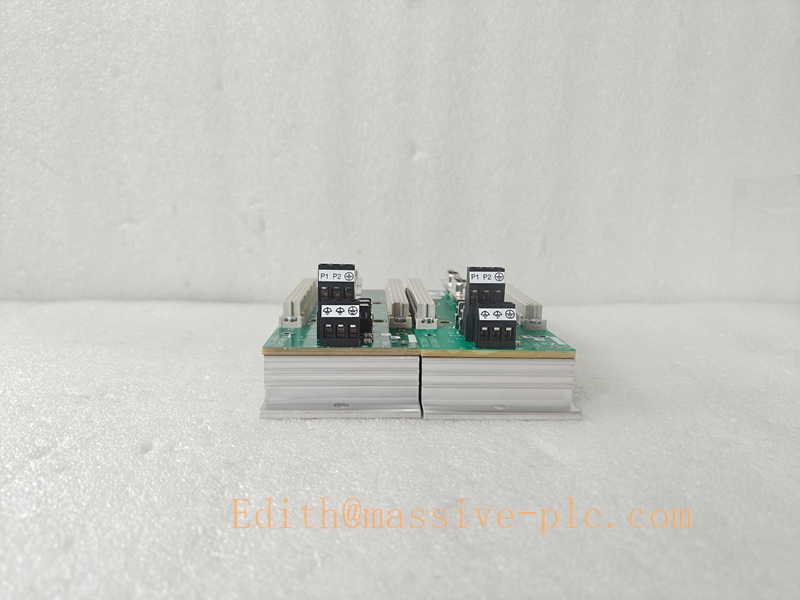
TRICONEX 2291 TMR Auxiliary Communication Module Product Introduction
Product Overview
The TRICONEX2291 is a high-reliability TMR Auxiliary Communication Module exclusively developed for Tricon and Trident Triple Modular Redundancy (TMR) Safety Instrumented Systems (SIS). Serving as a dedicated auxiliary data transmission and system docking unit, it undertakes non-safety auxiliary communication, system data uploading and external device linkage tasks for SIS systems. Different from core safety control modules, the 2291 focuses on stable transmission of monitoring data, parameter information and system status signals, realizing seamless data interaction between Tricon safety systems and upper monitoring platforms, third-party host systems and auxiliary industrial equipment.
Adopting standard TMR-compatible industrial design and isolated communication architecture, the 2291 features strong anti-interference capability, stable long-term communication operation and full system compatibility. It supports multi-protocol adaptive transmission and comprehensive communication status self-diagnosis functions. Matching the industrial G3 harsh environment standard and supporting online hot-swap maintenance, the module effectively avoids auxiliary communication bus congestion and data transmission delay. It is widely deployed in petrochemical, natural gas, thermal power and coal chemical industries, providing reliable auxiliary communication guarantee for the data visualization and external linkage of high-risk industrial safety instrumented systems.
TRICONEX 2291
Same-Series Model Classification & Peer Models
The TRICONEX 2291 belongs to the Tricon 22xx Auxiliary Communication Series, positioned as a universal system auxiliary communication module, forming a complete internal and external communication system with core safety communication modules, with clear functional differentiation:
2.1 Product Positioning: Universal TMR auxiliary communication module, dedicated to non-safety auxiliary data transmission, system status reporting and external system data docking. It undertakes large-capacity monitoring data transmission tasks without occupying core safety communication bus resources, ensuring independent and non-interfering operation of safety control communication and auxiliary communication.
2.2 Same-Series Typical Peer & Matching Models
4210 Fiber Optic Extender: Core long-distance safety communication module, responsible for safety I/O bus fiber extension, used for core safety signal transmission, different from 2291’s auxiliary data positioning.
4119A EICM Module: Enhanced intelligent main communication module, responsible for main protocol docking and high-priority data transmission, while 2291 undertakes auxiliary and extended communication tasks.
8110/8111/8112 Chassis Series: System main and expansion chassis; the 2291 is installed in standard chassis slots to provide auxiliary communication expansion functions for the whole system.
3008 Main Processor: Core control unit; the 2291 receives system operating data from the main processor and uploads it to external platforms without participating in safety logic judgment.
2.3 System Compatibility: Fully compatible with classic Tricon TMR racks and Trident safety systems. It supports adaptive docking with TriStation 1131 configuration software, realizing communication parameter configuration, protocol matching, online debugging and real-time communication status monitoring. The plug-and-play design supports rapid system communication expansion and old system communication function upgrade.
Core Technical Specifications & Product Specifications
| Parameter Item | Technical Specifications |
| Product Model | 2291 TMR Auxiliary Communication Module |
| Architecture | TMR triple redundant compatible design, matching SIS system operating logic |
| Core Function | System auxiliary data transmission, status monitoring upload, external device docking |
| Communication Mode | Isolated industrial bus communication, multi-protocol adaptive |
| Transmission Performance | Stable low-delay data transmission, supporting mass monitoring data upload |
| Diagnostic Function | Communication link abnormality, data packet loss, module operating status full diagnosis |
| Isolation Performance | Electrical isolation design between internal and external buses, anti-cross-interference |
| Hot-Swap Function | Support online hot-swap replacement, zero system downtime maintenance |
| Operating Temperature | -40℃ ~ +70℃ industrial wide temperature range |
| Working Humidity | 5%~95% RH, non-condensing |
| Industrial Grade | G3 harsh environment grade, enhanced EMC anti-interference design |
| Application Attribute | Non-safety auxiliary communication, no impact on core safety loop operation |
Core Main Functions
4.1 Auxiliary System Data Transmission
The 2291 module undertakes the core auxiliary communication task of Tricon SIS systems, specially responsible for the transmission of non-safety data such as system operating status, equipment operation parameters, historical logs and fault alarm information. It independently bears large-capacity monitoring data upload tasks, effectively separating auxiliary data flow from core safety control data flow, avoiding safety bus congestion and ensuring the priority and stability of core safety signal transmission.
4.2 External System Data Docking
As an external communication interface expansion unit, the 2291 realizes stable data interaction between SIS safety systems and upper-level monitoring systems, DCS distributed control systems and industrial host platforms. It supports standardized protocol adaptation and data conversion, realizing real-time synchronization of safety system operating data, on-site equipment status and alarm information to external platforms, providing data support for remote monitoring, centralized management and equipment operation analysis.
4.3 Communication Link Monitoring & Fault Self-Diagnosis
The module integrates comprehensive communication self-diagnosis functions, which can real-time monitor link connection status, data packet transmission status, communication delay and module operating temperature. It can accurately identify common faults such as link disconnection, data packet loss, communication timeout and signal interference, automatically generate fault codes and alarm logs, and feed back abnormal information to the main system and upper computer to assist operation and maintenance personnel in rapid troubleshooting.
4.4 Isolated Anti-Interference Data Transmission
Adopting professional electrical isolation design for internal and external communication buses, the 2291 effectively isolates external industrial electromagnetic interference, power grid surge and signal crosstalk. It prevents external abnormal signals from penetrating into the internal safety bus, ensures that auxiliary data transmission does not interfere with the normal operation of core safety loops, and maintains the independence, stability and security of the whole system communication architecture.
4.5 Zero-Downtime Online Maintenance
Consistent with Tricon series unified industrial design standards, the 2291 supports full online hot-swap function. Module replacement, parameter debugging and daily maintenance can be carried out during normal system and production operation. The maintenance process will not interrupt system communication services, nor affect the operation of core safety interlock loops, realizing non-stop maintenance of auxiliary communication links and improving system continuous operation capability.
Core Product Features
5.1 Independent Data Flow Isolation & High Safety
The 2291 adopts independent auxiliary communication bus design, completely separating non-safety monitoring data from core safety control data. It avoids resource occupation and signal interference of auxiliary communication on safety bus, fully protecting the independence and integrity of SIS safety control logic. The isolated architecture eliminates potential communication risks and ensures the safe and stable operation of high-risk industrial safety loops.
5.2 Stable Low-Delay Mass Data Transmission
Optimized industrial communication algorithm and bus scheduling mechanism enable the 2291 to efficiently process and transmit large-capacity system monitoring data, with stable transmission delay and no data packet loss or disorder. It meets the long-term continuous upload demands of industrial system operating logs, status parameters and alarm records, providing reliable and consistent data support for industrial big data monitoring and equipment management.
5.3 Strong Protocol Adaptability & Easy Expansion
The module supports multiple industrial mainstream communication protocols and adaptive docking with various upper computer platforms and third-party industrial equipment. It features flexible parameter configuration and convenient protocol debugging, which can quickly adapt to different system docking requirements. It effectively expands the external communication capacity of SIS systems and solves the problem of insufficient communication interfaces of traditional safety systems.
5.4 Excellent Harsh Environment Adaptability
Adopting industrial-grade anti-aging, vibration-resistant and electromagnetic shielding components, the 2291 passes strict G3-level harsh environment tests and EMC electromagnetic compatibility certification. It operates stably in -40℃~+70℃ ultra-wide temperature range and high-humidity non-condensing environment, resisting on-site mechanical vibration, dust corrosion and strong electromagnetic interference, adapting to long-term uninterrupted operation of industrial field cabinets.
5.5 Intelligent Diagnosis & Low Maintenance Cost
Built-in full-link communication status monitoring and intelligent fault diagnosis function, the 2291 can accurately locate communication link faults and module operation abnormalities. Visualized status feedback and complete log recording simplify daily operation and maintenance work, reduce manual inspection pressure and fault troubleshooting time. The hot-swap design further reduces system downtime and later maintenance costs.
5.6 High Compatibility & Flexible Scalability
The 2291 is fully compatible with all Tricon TMR series chassis, processors and I/O modules, supporting plug-and-play installation and rapid system communication expansion. It can be flexibly configured according to project scale and system communication demands, suitable for new project deployment and old system communication function upgrade and renovation, with strong system compatibility and business scalability.
TRICONEX 2291
Industrial Application Scenarios
The TRICONEX 2291 auxiliary communication module is widely used in SIL3-level high-risk industrial Safety Instrumented Systems (SIS), focusing on system auxiliary data transmission, external platform docking and system communication expansion scenarios, covering petrochemical refining, natural gas gathering and transportation, thermal power generation, coal chemical and industrial process automation industries.
Specific application scenarios include: real-time upload and centralized monitoring of ESD emergency shutdown system operating status and fault logs in large chemical plants; data docking and status synchronization between natural gas station SIS safety systems and upper management platforms; auxiliary communication expansion and parameter data transmission of thermal power unit safety control systems; communication function upgrading and data visualization transformation of old industrial SIS systems; stable transmission of FGS fire and gas system operating data and alarm information. It provides stable, efficient and isolated auxiliary communication support for the informatization and intelligent management of industrial safety systems.

 Start Chat