Description
Product Core Overview
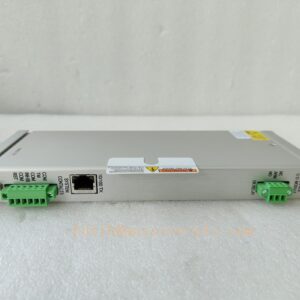
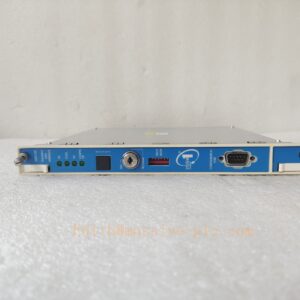
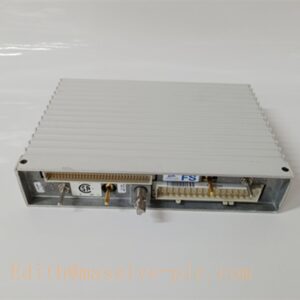
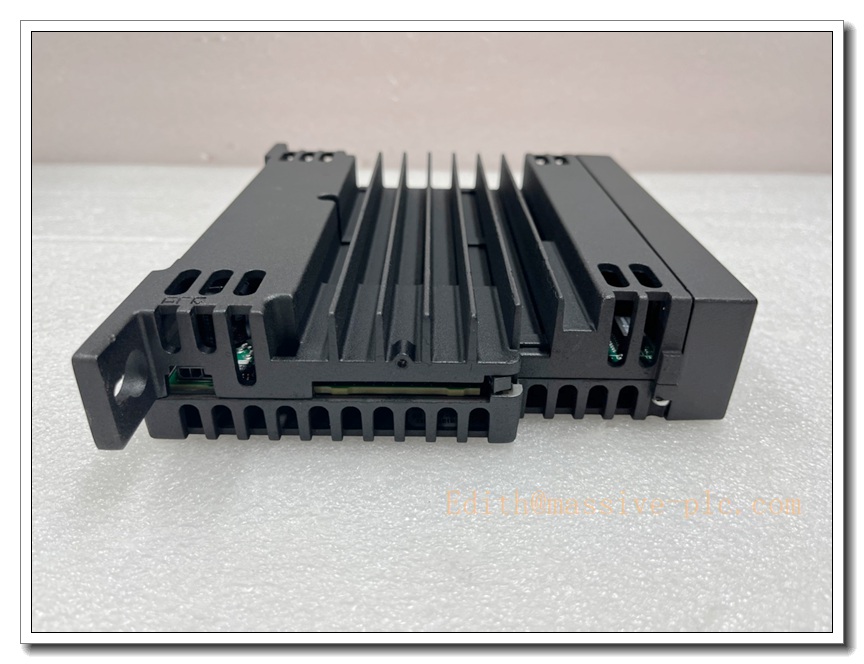
The GE IS220UCSAH1AK is a high-performance embedded processor module belonging to the GE Mark VIe Speedtronic gas/steam turbine control system platform. As the core real-time control processing unit, it executes deterministic turbine control logic, high-speed IONet data exchange and field device integration, supporting TMR (Triple Modular Redundancy), dual redundancy and simplex deployment architectures. Built with fanless industrial design and ECC error-correcting memory, it delivers long-term reliable operation in harsh power generation industrial environments, fully compliant with NFPA Class I, Div 2 and ATEX Zone 2 hazardous area safety standards .
Key Technical Specifications
- Official Part Number: IS220UCSAH1AK
- Manufacturer: GE Energy
- Product Platform: Mark VIe Speedtronic Turbine Control System
- Core Processor: Freescale MPC8349 PowerQUICC III, 667MHz main frequency
- Operating System: QNX Neutrino real-time operating system, ensuring fully deterministic control loop execution
- Memory Configuration: 256MB ECC DDR2 SDRAM, 1GB NAND Flash for firmware, control program and fault log storage, with automatic data retention during power loss
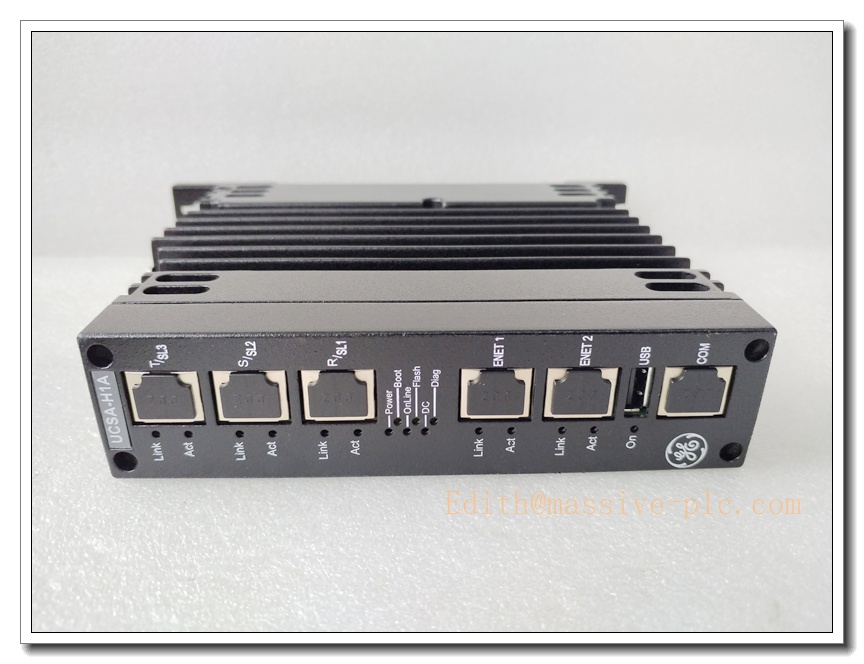
- Communication Interfaces: 2× 10/100BaseTX Ethernet ports for UDH upper-level connections, 3× 10/100BaseTX Ethernet ports dedicated for IONet fieldbus communication, native support for Modbus TCP and other industrial protocols
- Power Requirements: 18–36V DC wide-range industrial power input, with built-in redundant power protection and overvoltage/overcurrent fault isolation mechanism
- Operating Environment: -20°C to +60°C standard operating temperature, robust EMI/EMC protection for heavy industrial electrical noise environments
- Physical Parameters: 204mm × 152mm × 55mm dimensions, supporting standard DIN rail mounting in control cabinets
- Reliability Features: Full ECC memory error correction, fanless passive cooling design, native hot-swap support, 24-month official GE warranty
8 Recommended Related Series Models
- IS220UCSAH1A: Earlier non-AK revision of the Mark VIe embedded processor module, fully backward compatible with the IS220UCSAH1AK for legacy system retrofit
- IS220PSCAH1A: Mark VIe primary safety controller module, dedicated for critical turbine emergency trip safety logic execution
- IS220PTURH1A: Mark VIe Turbine Protection board, collecting critical turbine fault signals and executing independent safety interlock protection
- IS220ICSAH1A: Mark VIe I/O Communication interface module, providing high-speed backplane data exchange for all system I/O units
- IS200EPSMG2A: Mark VIe redundant power supply module, providing regulated stable power for the entire turbine control rack
- IS215ACLEH1A: Mark VIe Application Control Layer module, expanding advanced large-scale control logic processing capabilities
- IS220VRAH1A: Mark VIe Vibration I/O board, collecting turbine shaft vibration and acceleration monitoring signals
- IS220TBAIH1A: Mark VIe Thermocouple Input board, acquiring multi-point turbine temperature measurement data for the control system
IS220UCSAH1A
Professional Quality Control Test Standard Operating Procedure
- Pre-Test Visual Audit: Inspect the module PCB for physical damage, bent backplane pins, corroded Ethernet ports or loose components; confirm all front panel status LEDs and mounting brackets are fully intact
- Power Stress Validation: Insert the unit into a certified GE Mark VIe test chassis, apply variable DC input from 18V to 36V, verify no overcurrent, overheating or unexpected shutdown occurs across the full voltage operating range
- Firmware Integrity Check: Connect the GE ToolboxST turbine control configuration software, confirm firmware signature matches the official GE release baseline, validate no corruption in QNX real-time operating system runtime
- Logic Execution Performance Test: Download a certified large-scale turbine control project to the controller, run 100,000 consecutive logic cycles, confirm zero execution error and deterministic control loop latency
- Communication Compliance Test: Run 72-hour continuous data transmission test across all 5 Ethernet ports, confirm zero packet loss and no communication dropout under industrial electrical noise simulation
- Redundancy Switchover Test: Configure two identical IS220UCSAH1AK units as redundant CPU pair, force primary controller fault manually, validate bumpless switchover completes within 5ms with no control disruption
- Environmental Temperature Cycling: Place the module in an environmental chamber, run full functional validation across -20°C to +60°C operating range, confirm no performance degradation or unexpected fault trips at extreme temperature limits
- Final Documentation: Record all test metrics and performance data in the official GE quality log, assign unique serial number traceability tag, and issue formal performance certification report before shipment
New Module Installation Guidelines
- Pre-Installation Preparation: Power down the target Mark VIe control rack completely, confirm 24V DC redundant power supply output is stable within 18–36V range, wear certified ESD wrist strap connected to the chassis grounding point before handling the module
- Mounting Configuration: Secure the IS220UCSAH1AK on the DIN rail in the control cabinet, maintain a minimum 50mm clearance around the module for proper passive heat dissipation, avoid installing adjacent to high-power heat-generating devices
- Mechanical Mating: Carefully align the module with the chassis guide rails, push it smoothly into the slot until the rear edge connector fully mates with the Mark VIe backplane, then lock the front panel mounting screws to recommended torque of 0.8Nm
- Communication Cabling: Connect all UDH and IONet Ethernet cables using shielded industrial Ethernet cables, strictly separate control communication cables from high-power ignition and motor cables to eliminate electrical interference
- Power-Up and Initial Diagnostic: Restore chassis power, observe front panel RUN LED; confirm it transitions from blinking to steady green within 90 seconds, verify the controller appears online in the ToolboxST diagnostic utility
- Project Download and Validation: Load the validated full turbine control project, perform full I/O loop test, confirm all control logic executes correctly before transferring the system to automatic turbine operation mode
Application Scenarios and Features
- Large Heavy-Duty Gas Turbine Control: Deployed in GE 9E/9FA 9HA heavy-duty gas turbine Mark VIe control systems, executing high-performance real-time control logic for fuel regulation, speed control and load distribution
- Steam Turbine Power Generation Control: Used in large-scale thermal power plant steam turbine control systems, delivering stable redundant control for main steam valves, extraction steam regulation and turbine protection logic
- Combined Cycle Power Plant Control: Applied in combined cycle gas-steam turbine facilities, coordinating multi-unit control logic to maximize overall plant thermal efficiency and grid-friendly operation performance
- Offshore Oil & Gas Turbine Drives: Deployed in offshore platform turbocompressor and pump drive systems, meeting NFPA Class I, Div 2 hazardous area safety requirements for explosive industrial environments
- Legacy Mark VIe System Modernization: Acts as the official drop-in replacement for older IS220UCSAH1 series processor units, preserving all existing IONet fieldbus wiring and control project configuration to minimize turbine system downtime during hardware replacement
Frequently Asked Questions
- Q: My module reports “IONet Communication Fault” after installation, what is the most common root cause?
A: 90% of this fault is caused by damaged or improperly terminated IONet fieldbus cable. First check the cable shield integrity and bus termination resistor status, then re-validate the IONet node address configuration in the ToolboxST project. - Q: Can I replace an old IS220UCSAH1A unit with this IS220UCSAH1AK directly without reconfiguration?
A: Full compatibility requires matching the exact firmware version and turbine control project baseline. You can perform a direct replacement only if you export and restore the full existing control project backup to the new module, otherwise you must re-validate all I/O mapping and control logic parameters. - Q: What is the maximum deterministic control loop latency this controller can achieve?
A: The delivers deterministic ≤1ms control loop execution latency, fully meeting the strictest heavy-duty gas turbine real-time control performance requirements. - Q: Does this controller support online hot-swap replacement without shutting down the running turbine?
A: Yes, when deployed in a redundant CPU architecture, you can replace the faulty unit online while the standby controller is fully operational, ensuring continuous turbine control without unplanned shutdown.