Description
Product Core Overview
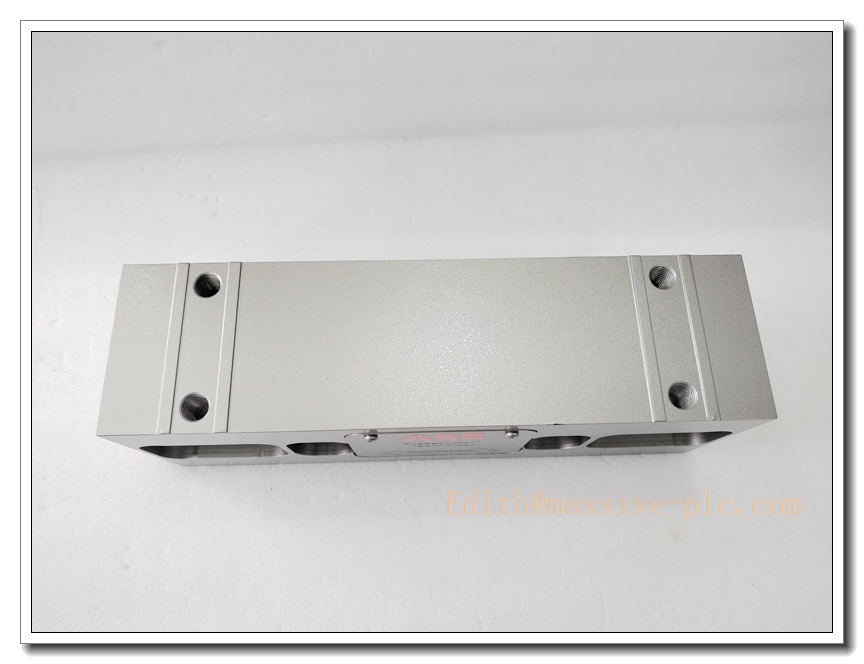
The ABB PFTL101B 2.0KN is a high-precision tension load cell belonging to ABB’s PFTL101 series industrial force measurement product line, purpose-built for real-time web tension monitoring and closed-loop control in continuous production processes. As the upgraded successor to the PFTL101A series, it retains the patented Pressductor magnetic stress measurement technology while adding optimized mechanical mounting interfaces and enhanced environmental adaptability. It converts mechanical web tension force into a stable, low-level electrical signal, delivering drift-free, long-term reliable performance for mid-range tension measurement scenarios across multiple industrial sectors.
Key Technical Specifications
- Official Part Number: PFTL101B 2.0KN, corresponding full part identifier 3BSE004185R1
- Rated Nominal Load: 2 kN (2000N) in primary measuring direction, equivalent to approximately 204 kgf
- Nonlinearity Error: ≤±0.03% full scale, repeatability and hysteresis error ≤±0.02% full scale
- Rated Output: Typical 2.0 mV/V under 5–10V DC excitation voltage
- Ultimate Overload Capacity: 150% full scale safe overload, ultimate breaking load ≥300% full scale
- Operating Temperature Range: -20°C to +70°C, with built-in automatic temperature compensation to eliminate environmental drift impact
- Protection Rating: IP65, fully dustproof and splash-proof, suitable for general industrial production environments
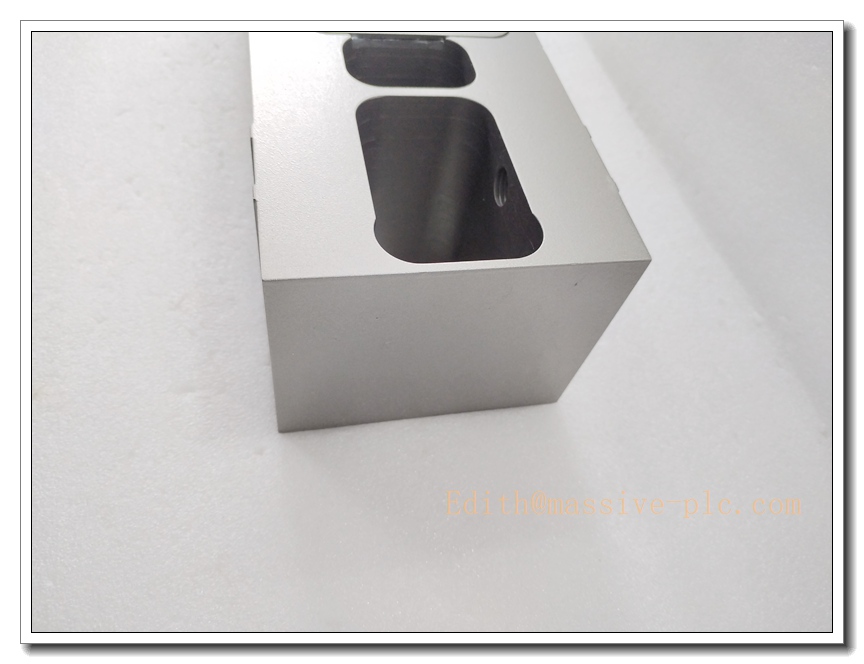
- Mechanical Design: Equipped with M6/M8 threaded rod end connectors for direct series installation on traction rollers, guide wheel brackets and winding mechanisms
- Signal Interface: Full Wheatstone bridge four-wire connection, supporting long-distance signal transmission while minimizing wire resistance interference
- Housing Material: High-strength alloy steel with anti-corrosion surface treatment, resistant to mild corrosive industrial environments
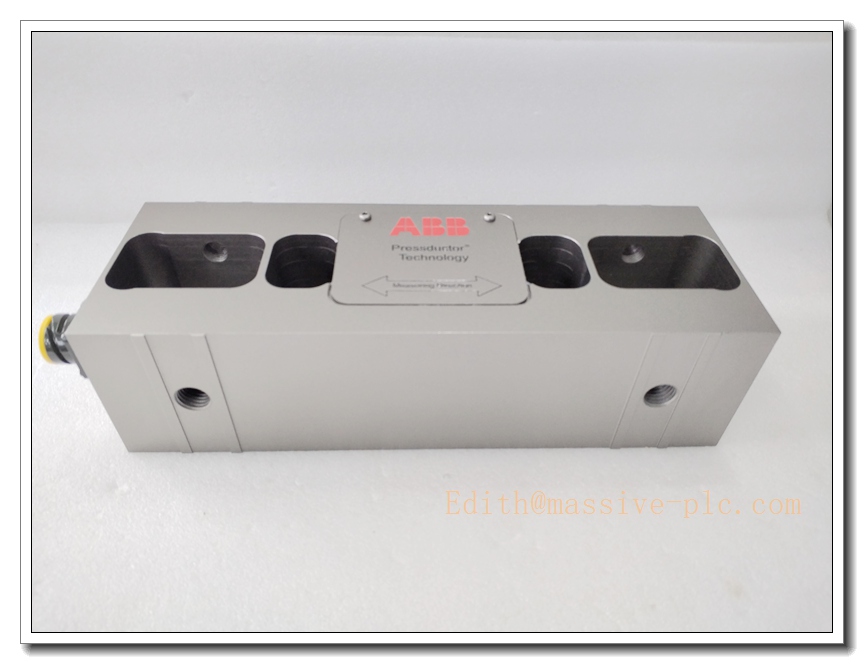
PFTL101B 3BSE004185R1 2KN
8 Recommended Related Series Models
- PFTL101B 0.5KN: Low-range 0.5kN tension load cell, optimized for ultra-low tension thin film and textile production line applications
- PFTL101B 1.0KN: Mid-range 1kN tension load cell, designed for small paper making and light converting production lines
- PFTL101B 5.0KN: High-capacity 5kN tension load cell, for medium-thickness metal strip and heavy paper board production lines
- PFTL101B 10KN: Heavy-duty 10kN tension load cell, for thick steel strip and heavy industrial rolling mill applications
- PFTL101A 2.0KN 3BSE004172R1: Previous generation PFTL101A series 2kN tension load cell, fully backward compatible with the B series for system retrofit
- TCMU ABB Tension Measurement Unit: Dedicated ABB tension signal processing transmitter, converting the load cell’s mV-level signal to standard 4–20mA industrial output
- PFSK151 3BSE018876R1: ABB dedicated tension signal processing unit, perfectly paired with this load cell for complete tension measurement system
- PDAA401 3BSE017234R1: ABB Millmate 400W central processing unit, providing full system-level tension control and industrial communication functions
Professional Quality Control Test Standard Operating Procedure
- Pre-Test Visual Audit: Inspect the alloy steel housing for physical deformation, surface damage or corrosion; confirm the threaded rod end connectors are intact with no thread damage
- Mechanical Load Calibration Test: Mount the load cell on a certified tension test bench, apply standard traceable reference loads from 0 to 2kN full scale, confirm output signal linearity error meets ≤±0.03% F.S. specification
- Overload Validation Test: Apply 3kN 150% full scale overload force in the primary measuring direction, hold for 5 minutes, confirm no permanent mechanical deformation and zero point shift remains within 0.02% of full scale
- Electrical Performance Test: Verify excitation input meets 5–10V DC specification, confirm bridge output impedance stays within factory tolerance, no short-circuit or open-circuit conditions exist
- Temperature Drift Test: Place the load cell in an environmental chamber, run full performance validation across -20°C to +70°C operating range, confirm zero drift and sensitivity drift stay within specified tolerance limits
- Vibration and Shock Test: Perform 10-2000Hz random vibration test and 1000g mechanical shock test per IEC 60068 standard, confirm no mechanical damage or performance degradation after testing
- Insulation Resistance Test: Apply 500V DC megohmmeter test between all electrical terminals and the metal housing, confirm insulation resistance exceeds 100MΩ to eliminate electrical leakage risks
- Final Documentation: Record all calibration data and test metrics in the official ABB quality log, assign unique serial number traceability tag, and issue formal calibration certification report before shipment
New Module Installation Guidelines
- Pre-Installation Preparation: Power down the connected tension processing unit completely, wear certified ESD wrist strap, prepare required mounting bolts, torque wrench and shielded signal cable, confirm the installation mounting surface is flat and rigid
- Mechanical Mounting: Secure the 2.0KN to the machine frame using the specified threaded rod end connectors, tighten to recommended torque specification, ensure the load cell is perfectly aligned with the tension roll axis to avoid introducing parasitic transverse force
- Force Direction Alignment: Confirm the load cell’s marked primary measuring direction is exactly parallel to the web tension force vector, any misalignment greater than 5 degrees will cause significant measurement accuracy loss
- Electrical Wiring: Connect the shielded twisted-pair signal cable to the four-wire bridge terminals, strictly separate the low-level load cell signal cable from high-power VFD motor cables, single-point ground the cable shield at the control cabinet end
- Pre-Power Check: Verify no wiring short-circuit or open-circuit conditions, confirm the excitation power supply from the tension controller is set to 5–10V DC specification before restoring system power
- On-Site Calibration: Perform full on-site zero point tare and span calibration using a certified reference weight, validate the full tension measurement range before transferring the tension control system to automatic production mode
Application Scenarios and Features
- High-Speed Printing and Converting Lines: Deployed in multi-color flexographic printing and slitting production lines, maintaining consistent web tension to eliminate print registration deviation and material wrinkling defects
- Cable and Optical Fiber Manufacturing: Used in high-speed wire drawing and stranding processes, precisely monitoring traction force to guarantee consistent product diameter and eliminate fiber breakage
- Roll-to-Roll Winding Systems: Applied in film, paper and metal foil winding production lines, implementing taper tension control to prevent material stretching, wrinkling or breakage during high-speed winding
- Packaging Equipment: Deployed in automatic labeling and flexible packaging production lines, regulating label paper and aluminum foil conveying tension to ensure high-precision labeling and packaging quality
- Laboratory Material Testing Machines: Used as a standard force measurement element for tensile, peeling and other mechanical performance tests, delivering high-accuracy measurement data for material property analysis
Frequently Asked Questions
- Q: My load cell shows large zero drift after installation, what is the most common root cause?
A: 90% of zero drift issues are caused by misaligned mechanical installation, where parasitic transverse or axial force is applied to the load cell. First recheck the force direction alignment and mounting bolt torque, then perform a full zero tare recalibration. - Q: Can I replace an old PFTL101A 2.0KN unit with this 2.0KN directly without recalibration?
A: No. Each load cell has unique factory calibration characteristics. You must perform a full on-site zero tare and span calibration procedure after replacement to ensure measurement accuracy matches your specific production line requirements. - Q: What is the maximum measurement accuracy this load cell can deliver?
A: When properly installed and calibrated with a matched ABB tension processing unit, the 2.0KN achieves ≤0.03% full-scale measurement accuracy, meeting the most demanding mid-range tension control requirements for precision continuous production lines. - Q: Does this load cell contain any internal moving parts that require regular maintenance?
A: No. The uses ABB Pressductor non-contact magnetic stress measurement technology, with zero moving mechanical parts. It requires no scheduled maintenance, delivering 20+ years of reliable service life under normal operating conditions.