Description
Product Core Overview
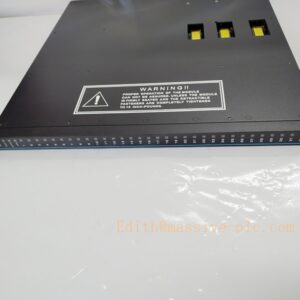
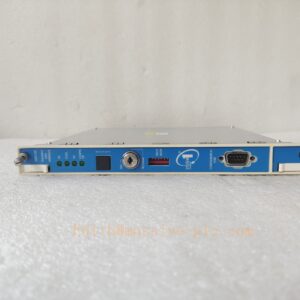
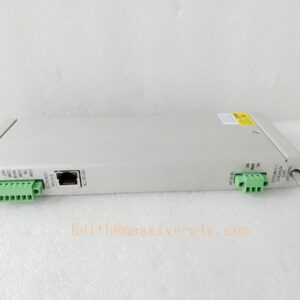
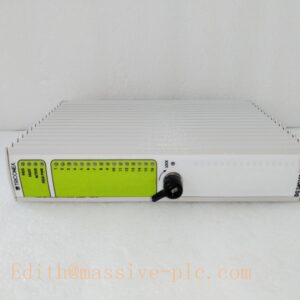
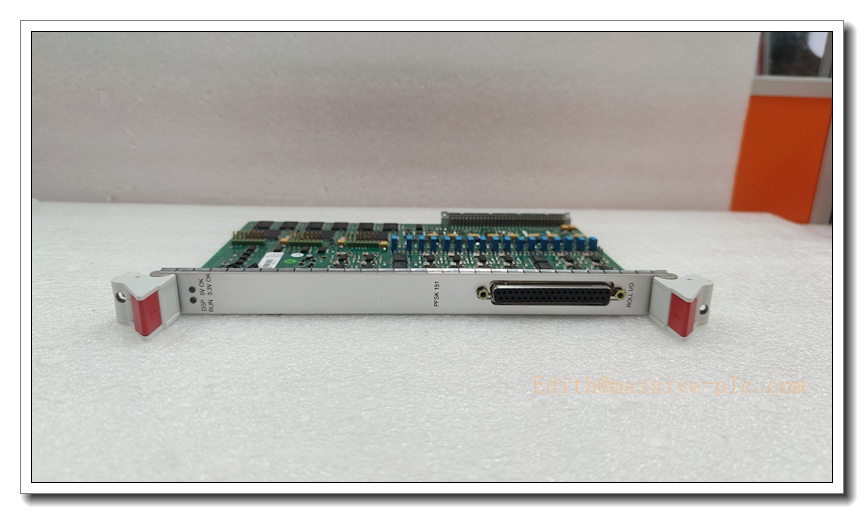
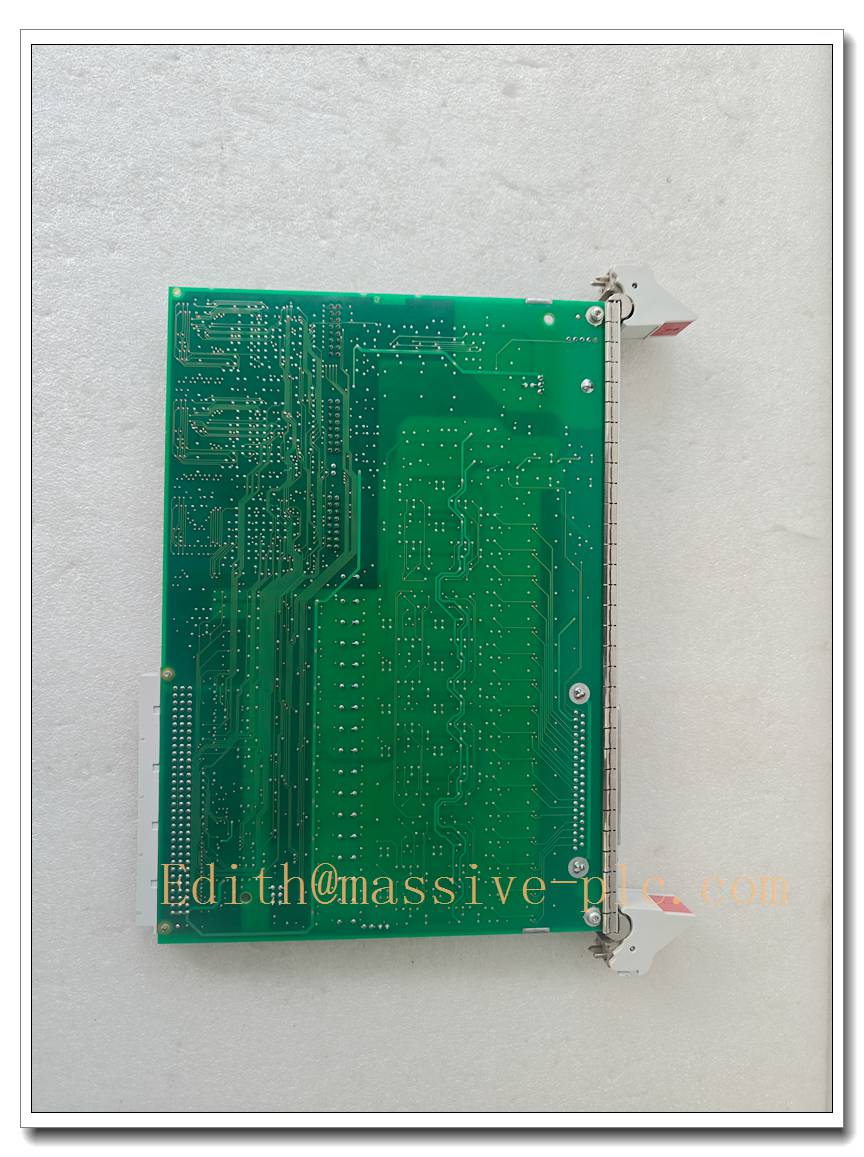
The ABB PFSK151 (3BSE018876R1) is a high-performance dedicated signal processing unit belonging to the ABB Advant Controller industrial automation platform, purpose-built for ABB Pressductor® tension measurement systems. As the core processing node that converts raw, low-level signals from Pressductor load cells into calibrated, high-precision tension data, it acts as the critical “signal brain” for web tension control in continuous production lines. It integrates high-speed DSP architecture, precision analog front-end conditioning and multi-protocol industrial communication, delivering stable, drift-free tension measurement performance that is the industry standard for metal rolling, paper making and film production lines worldwide .
Key Technical Specifications
- Core Processor: High-performance TI C2000 series digital signal processor (DSP), optimized for real-time high-speed signal filtering and FFT analysis
- Memory Configuration: 8K-step Flash EPROM for firmware and calibration data storage, 8K-word high-speed SRAM for runtime signal processing
- Power Requirements: 24V DC nominal input, operating range 18–30V DC, typical power consumption 10–15W, with built-in reverse polarity and overvoltage protection
- Signal Inputs: 2 independent fully differential analog input channels, designed exclusively for Pressductor® load cell low-level millivolt signal acquisition
- Output Interfaces: Configurable 0–10V analog voltage output, 4–20mA analog current output, plus isolated digital status relay outputs for tension limit alarms
- Communication: Native support for PROFIBUS-DP, RS-485 and industrial Ethernet protocols, enabling seamless data exchange with ABB DCS, Advant Controller and third-party process control systems
- Environmental Ratings: 0°C to +60°C operating temperature, 95% RH non-condensing humidity tolerance, fully compliant with IEC 61000-6-2/6-4 industrial EMC immunity standards
- Physical Parameters: DIN rail mountable per EN 60715 standard, net weight 0.4kg to 1.29kg depending on hardware revision, front panel equipped with dedicated power, run, signal and fault status LEDs
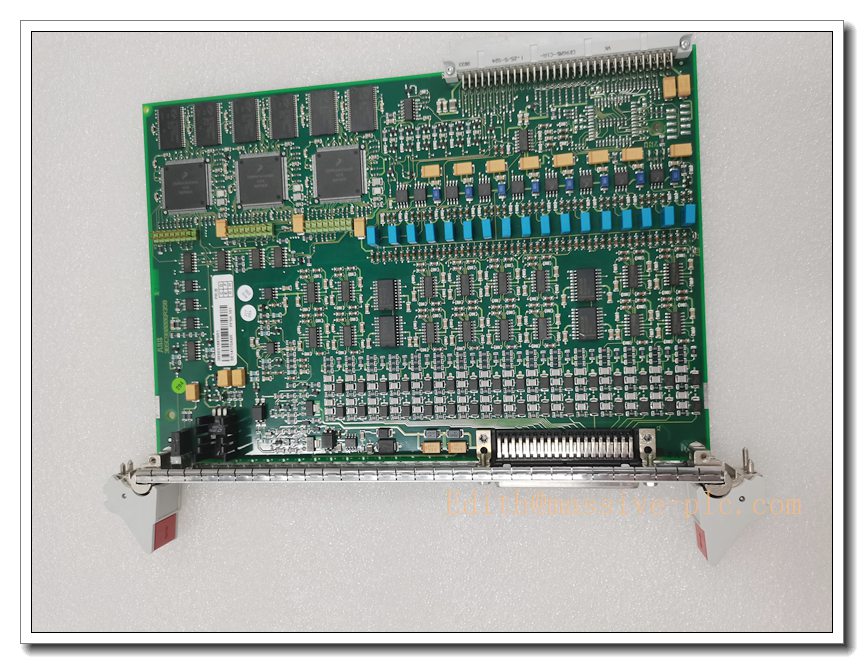
PFSK151 3BSE018876R1
8 Recommended Related Series Models
- PFSK152 3BSE018877R1: 4-channel extended tension signal processing variant, supporting up to 4 Pressductor load cells for multi-zone wide web production lines
- PFSK153 3BSE018878R1: High-speed sampling version with 24-bit ADC, delivering 10μs ultra-fast signal response for high-speed foil rolling mill applications
- PFTK101 3BSE000460R1: ABB Pressductor® load cell signal pre-amplifier module, designed to boost raw sensor signals before transmission to the PFSK151
- PFSK111 3BSE003293R1: Basic tension signal processing unit, entry-level model for simple single-zone low-speed tension control applications
- PDP800 3BSE000342R1: PROFIBUS-DP communication gateway module, expanding redundant network connectivity for the PFSK151 system
- AC800M 3BSE036651R1: ABB Advant Controller 800M main CPU, acting as the host process controller for the PFSK151 tension control loop
- PFSK141 3BSE012468R1: Legacy tension processing unit, fully backward compatible with the PFSK151 for drop-in replacement in older ABB rolling mill systems
- PFTL101A 3BSE004160R1: ABB Pressductor® tension load cell, the matched field sensing device that pairs directly with the PFSK151 processing unit
Professional Quality Control Test Standard Operating Procedure
- Pre-Test Visual Audit: Inspect the module PCB for physical damage, bent terminal pins, corroded connectors or loose components; confirm all front panel status LEDs and DIN rail mounting clips are fully intact
- Power Stress Validation: Mount the unit on a certified ABB test DIN rail, apply variable DC input from 18V to 30V, verify no overcurrent, overheating or unexpected shutdown occurs across the full voltage operating range
- Firmware and Calibration Check: Connect the ABB Control Builder configuration software, confirm firmware signature matches the official ABB release baseline, validate factory tension calibration data is intact and within tolerance
- Signal Accuracy Calibration Test: Input standard reference millivolt signals simulating Pressductor load cell output, confirm the module converts the signal to calibrated tension data with ≤0.05% full-scale accuracy
- Communication Compliance Test: Run 72-hour continuous data transmission test across all supported communication ports, confirm zero packet loss and no communication dropout under industrial electrical noise simulation
- Output Performance Verification: Validate both 0–10V and 4–20mA analog outputs track the measured tension value linearly across the full measurement range, confirm tension limit alarm relays trigger at the exact configured threshold
- Environmental Temperature Cycling: Place the module in an environmental chamber, run full functional validation across 0°C to 60°C operating range, confirm no signal drift or performance degradation at extreme temperature limits
- Final Documentation: Record all test metrics and calibration data in the official ABB quality log, assign unique serial number traceability tag, and issue formal calibration certification report before shipment
New Module Installation Guidelines
- Pre-Installation Preparation: Power down the target control cabinet completely, confirm 24V DC power supply output is stable within 18–30V range, wear certified ESD wrist strap connected to the cabinet grounding point before handling the module
- DIN Rail Mounting: Clip the securely onto the EN 60715 standard DIN rail inside the control cabinet, maintain a minimum 20mm clearance around the module for natural convection cooling
- Field Wiring Connection: Wire the Pressductor load cell shielded twisted-pair cable directly to the differential input terminals, strictly separate low-level sensor signal cables from high-power motor drive cables to eliminate electrical interference
- Power and Communication Cabling: Connect the 24V DC power input to the isolated regulated power supply bus, wire the PROFIBUS/Ethernet communication port to the ABB control system network, terminate the communication bus with proper 120Ω termination resistor
- Power-Up and Initial Diagnostic: Restore power, observe front panel RUN LED; confirm it transitions from blinking to steady green within 30 seconds, verify the module appears online in the Control Builder diagnostic utility
- Calibration and Loop Validation: Perform on-site span calibration with the matched Pressductor load cell, run full tension loop test across the full measurement range, confirm the tension control response meets production line requirements before transferring to automatic production mode
Application Scenarios and Features
- Metal Rolling Mill Tension Control: Deployed in steel, aluminum and copper cold rolling production lines, delivering high-precision real-time tension measurement to ensure uniform strip thickness and eliminate strip breakage defects during high-speed rolling processes
- Paper and Pulp Machine Web Control: Used in large-scale paper making machines, maintaining consistent web tension across the entire production line to prevent paper breakage, wrinkling and uneven winding during high-speed paper forming and winding operations
- Plastic and Film Production Lines: Applied in BOPP, PET and packaging film stretching lines, providing ultra-stable tension control to guarantee uniform film thickness and perfect winding quality for thin-gauge flexible packaging materials
- Textile and Fiber Spinning Processes: Deployed in high-speed industrial fiber spinning and weaving lines, precisely controlling yarn tension to reduce breakage rates and improve final textile product quality consistency
- Converting and Winding Equipment: Used in slitting, coating and laminating production lines for flexible materials, ensuring smooth, constant-tension material handling across multiple process zones to eliminate material stretching and winding defects
Frequently Asked Questions
- Q: My existing unit shows large tension reading drift, what is the most common root cause?
A: 90% of drift issues are caused by unshielded or improperly routed load cell signal cables. First confirm the sensor cable is fully shielded and separated from high-power VFD motor cables, then perform a full on-site recalibration of the module and matched Pressductor load cell. - Q: Can I replace an old unit with a new unit directly without re-calibration?
A: No. Each is factory calibrated to its paired Pressductor load cell. You must perform a full on-site zero and span calibration procedure after replacement to ensure measurement accuracy matches your specific production line requirements. - Q: What is the maximum tension measurement accuracy this module can deliver?
A: When properly calibrated with a matched ABB Pressductor load cell, the achieves ≤0.05% full-scale measurement accuracy, making it one of the most precise tension processing units available for industrial continuous production lines. - Q: Does this module support direct integration with non-ABB third-party PLC systems?
A: Yes, it supports standard PROFIBUS-DP and Modbus RTU communication protocols, allowing seamless data exchange with almost all mainstream industrial PLC and DCS platforms without requiring custom driver development.