
Description
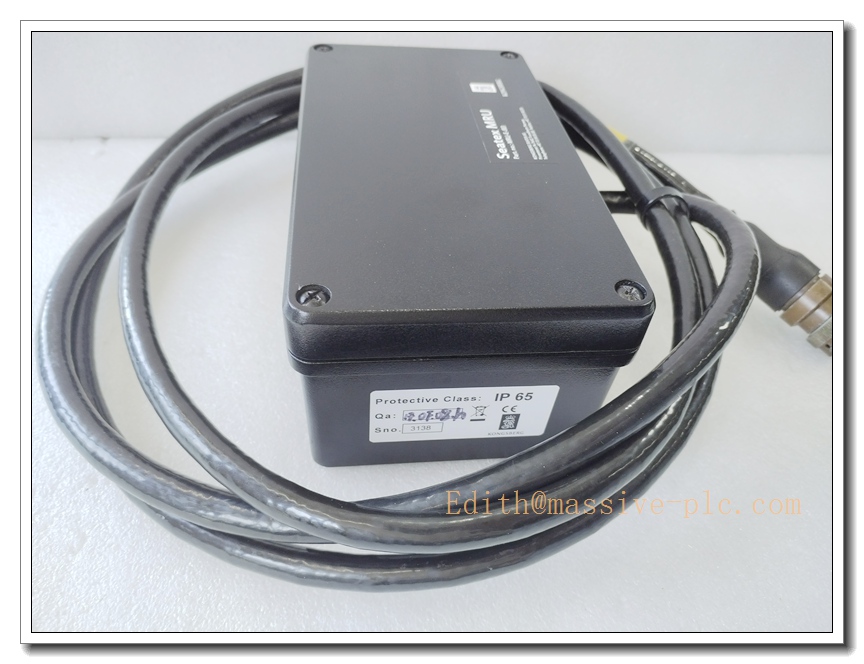
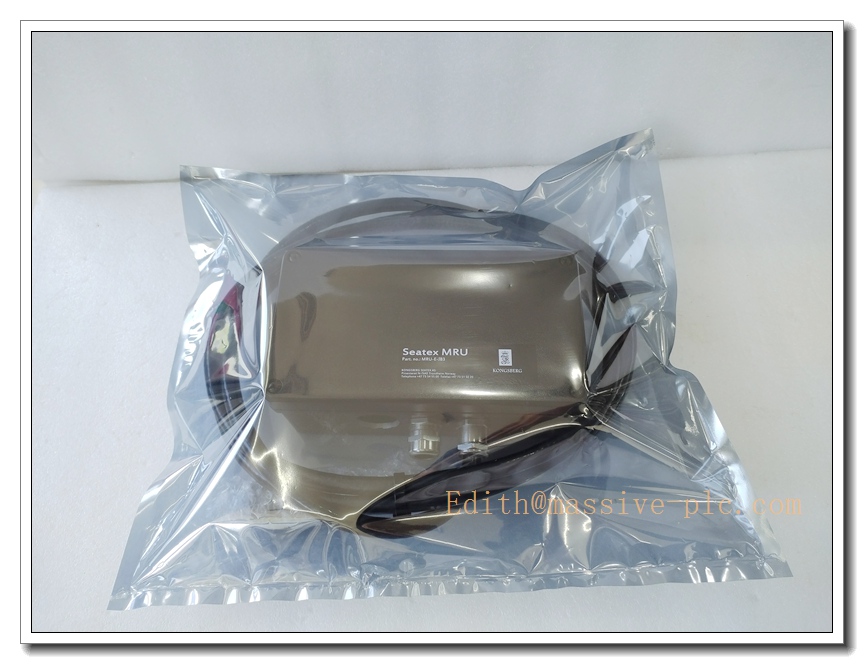
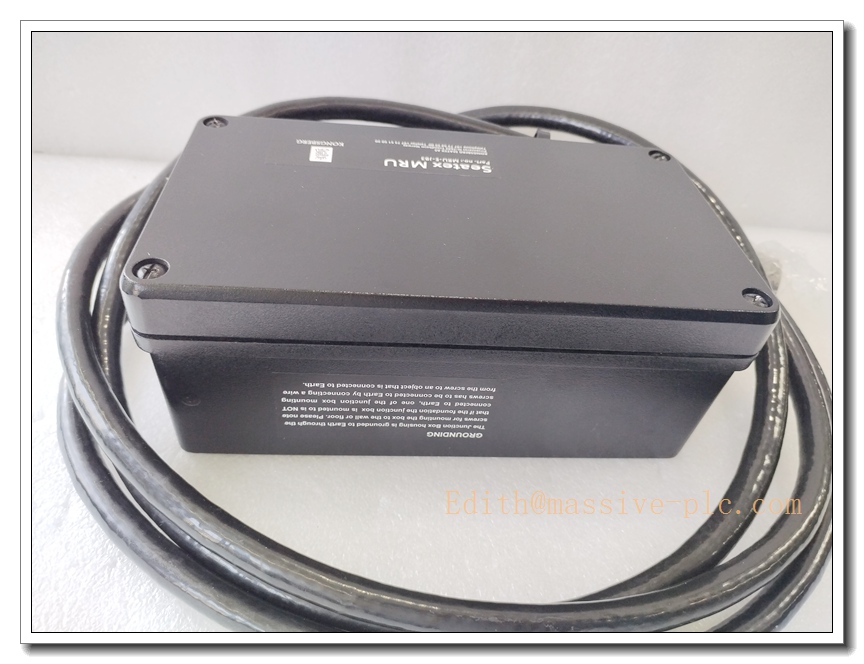
Kongsberg MRU-E-JB3 Motion Reference Unit with JB3 Marine Junction Box, 6-DOF Attitude & Heave Sensor
Product Description
The MRU-E-JB3 is a complete fifth-generation Kongsberg Seatex marine motion sensing assembly consisting of the MRU-E inertial sensor head paired with the dedicated JB3 junction box. It integrates 3-axis MEMS gyros and accelerometers to measure roll, pitch, heave, angular rates and linear accelerations. The JB3 junction box provides AC input power conversion, terminal wiring, signal distribution, galvanic separation and expanded I/O interfaces, supporting Ethernet, dual RS232/RS422 serial ports and optional analog outputs. It runs the patented PFreeHeave algorithm, delivering both low-latency real-time heave and high-precision delayed heave for long wave periods. Widely used for DP vessel reference, multibeam hydrography, offshore crane compensation and USBL acoustic positioning. This package is widely deployed for retrofit of legacy Kongsberg marine motion systems.
MRU-E-JB3
Technical Parameters
| Item | Specification |
|---|---|
| Manufacturer | Kongsberg Seatex, Norway |
| Model | MRU-E-JB3 (MRU-E sensor + JB3 junction box) |
| Measurement | 6-DOF: Roll, Pitch, Heave, Surge, Sway, Angular Rates |
| Static Roll/Pitch Accuracy | 0.03° RMS |
| Dynamic Roll/Pitch Accuracy | 0.01° (1-sigma) |
| Real-Time Heave Accuracy | 5 cm or 5% RMS, up to 25 s wave period |
| Delayed Heave Accuracy | 1 cm or 1% RMS, up to 50 s wave period |
| Max Data Output Rate | 200 Hz |
| JB3 Power Input | 100–240 VAC, 50/60 Hz, 0.6 A |
| JB3 DC Output to Sensor | 24 VDC, 0.63 A |
| Communication Interfaces | 10/100 Mbps Ethernet UDP/TCP; 2× configurable RS232/RS422; analog 0–10 V / 4–20 mA via terminal block |
| Protocols | NMEA 0183, Kongsberg proprietary motion sentences |
| Sensor Enclosure | IP67, anodized aluminium |
| JB3 Junction Box | IP66 aluminium enclosure |
| Operating Temperature | -25 ℃ ~ +70 ℃ |
| Certifications | DNV, ABS, BV, CCS, LR marine type approval, CE |
| Total Assembly Weight | Approx. 2.0 kg |
| Timing Synchronization | <1 ms |
Recommended Related Models (8 units)
- MRU-5: High-performance standalone fifth-gen MRU without separate JB junction box
- MRU-E-JB1: Older generation MRU-E with JB1 junction box, limited serial-only I/O
- MRU-H: High stability heave optimized variant for deep-sea survey
- miniMRU: Compact lightweight MRU for ROV/AUV small payloads
- DPS112: Kongsberg DGNSS position sensor, commonly paired for DP redundant reference
- Seapath 320: Integrated GNSS heading & attitude system with embedded MRU core
- MRU-E-CS8: Specified interconnection cable set between MRU-E head and JB3
- K-Pos DP Controller: Native Kongsberg dynamic positioning host system
Compatibility & Installation Traps
Compatibility
- Native host integration: Kongsberg K-Pos DP, multibeam echosounders, USBL acoustic positioning, hydrographic survey software
- Configuration software: Kongsberg MRU PC Tools / K-Config
- Timing sync: Compatible with GNSS PPS pulse for time-aligned survey datasets
- Backward note: MRU-E sensor can run on older JB1 box, but analog outputs and second serial port will be unavailable
Critical Installation Traps
- Separate Sensor & Junction Box: MRU-E-JB3 is a two-part system. The IP67 sensor head is mounted outboard/deck; JB3 must be fitted inside protected cabinet space, not exposed to direct seawater splash.
- AC Power Input Miswiring: JB3 accepts 100–240 VAC mains; feeding raw vessel 24 VDC directly to the AC terminals will destroy the internal XP ECL15US24-E power supply.
- Cable Compatibility Restriction: Older CS4 subsea cables cannot support Ethernet; use MRU-E-CS8 / CS10 cables when high-speed Ethernet output is required.
- Lever Arm Offset Error: Motion is measured at the MRU-E sensor location. Failing to input accurate 3D lever-arm offsets to sonar or crane reference points creates large heave compensation bias.
- Ground Loop Risk on Serial Lines: Vessel potential differences easily corrupt RS422 NMEA signals. Install galvanic isolators on serial lines between JB3 and remote acquisition units.
- Heave Mode Misselection: Real-time heave has low latency but higher noise for long waves; delayed heave delivers superior precision with fixed latency, select per operational workflow.
- Rigid Mount Mandatory: Sensor head must fasten to stiff vessel structure. Thin flexible panels amplify vibration and induce high attitude noise.
- Axis Orientation Calibration: Incorrect definition of vessel fore-aft / port-starboard axis swaps roll and pitch data; verify axis mapping after mechanical installation.
Standard Operating Procedure (SOP)
- Pre-installation inspection: Inspect MRU-E sensor housing, connector glands and JB3 enclosure for corrosion. Verify internal power supply part marking and firmware compatibility with host DP/survey software.
- Mechanical mounting: Secure MRU-E sensor head on rigid deck structure with stainless fasteners. Mount JB3 junction box inside protected electrical cabinet, maintain clearance for ventilation. Record full lever-arm coordinates.
- Cabling: Run approved CS8/CS10 interconnection cable between sensor and JB3. Separate signal wiring from heavy power cables; terminate all cable shields at the cabinet earth bar.
- Power and terminal wiring: Terminate 100–240 VAC vessel supply to JB3 AC terminals. Wire Ethernet and serial outputs to host systems; fit surge protection.
- Software configuration: Connect via MRU PC Tools, define vessel axis orientation, select output sentences, set update rate and choose real-time / delayed heave mode. Configure analog scaling if required.
- Static and dynamic commissioning: Power up and validate roll/pitch/heave noise floor in stable conditions. Cross-compare motion data with independent attitude references during vessel sea trials.
- Periodic maintenance: Quarterly visual inspection of glands, connectors and cable jackets. Annual static performance check. Re-calibration required after heavy shock or impact.
- Decommissioning: Isolate AC mains supply before opening JB3. Disconnect sensor cable, cap all connectors, store sensor and junction box in dry shock-protected packaging.
Application Scenarios
- Offshore vessel DP redundant motion reference
- Multibeam bathymetry and hydrographic survey heave correction
- Offshore heavy lift crane active heave compensation
- USBL underwater acoustic positioning attitude correction
- Dredgers, cable-lay and construction support vessels
- Seismic marine streamer stabilization
- ROV mother vessel motion monitoring
- Retrofit upgrade of legacy Kongsberg MRU-E marine installations
Supporting Components
- MRU-E-CS8 interconnection cable (sensor to JB3)
- XP ECL15US24-E spare internal power supply module for JB3
- Galvanic isolators for RS422 NMEA communication
- Stainless steel mounting bracket and M5 fastener kit
- Marine cable glands and spare pin contact set
- MRU PC Tools configuration software and USB service cable
- PPS GNSS timing module for time synchronization
- Shock-resistant transit storage case

 Start Chat