
Description
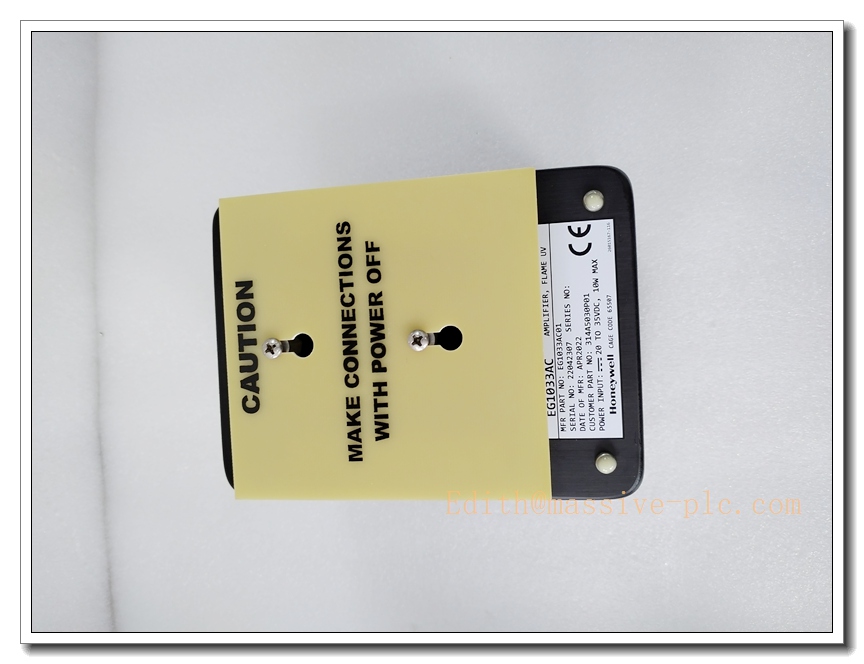
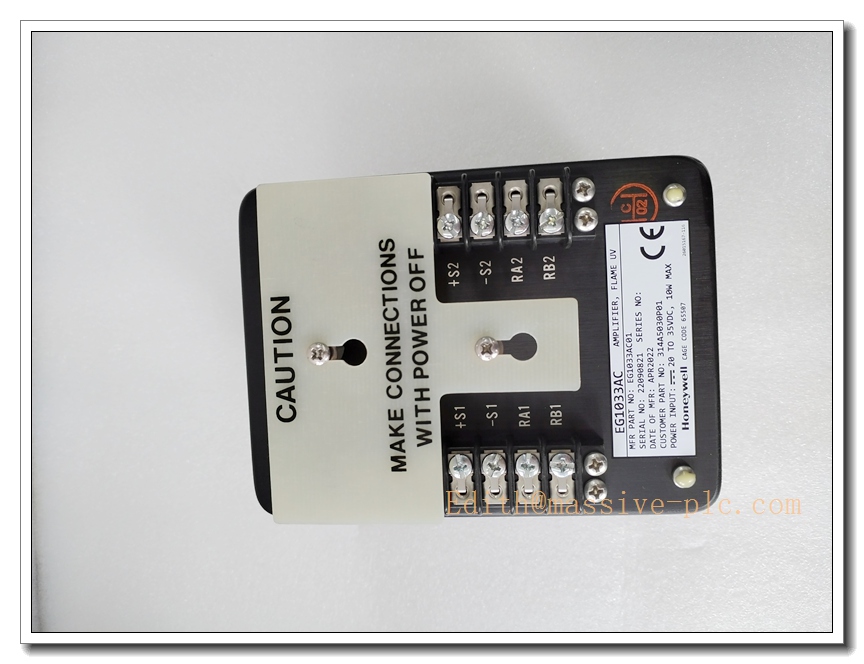
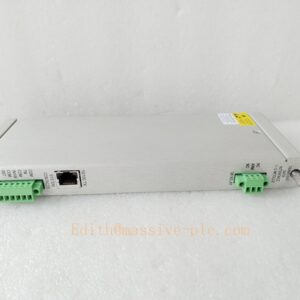
Honeywell EG1033AC01 UV Flame Amplifier for LG Series UV Flame Probes
Core Product Overview
EG1033AC01 is Honeywell flame signal processing amplifier matched with LG-series Geiger-Müller UV flame probes (such as LG1093AC01). It receives pulse UV signals from the flame probe, filters noise, validates flame presence, and provides SPDT relay dry-contact outputs for turbine/burner safety trip circuits. This is the signal conditioning unit of the Honeywell LG/EG flame monitoring system, widely deployed on GE Speedtronic Mark IV / Mark V gas turbines for power generation. It is a combustion safety module, not Experion PKS DCS rack controller card.
Main Technical Specifications
- Part Number: EG1033AC01
- Manufacturer: Honeywell
- Device Type: UV Flame Amplifier
- Compatible Probe: LG1093AC01 and other LG UV flame detectors
- Sensor Spectrum: 180–260 nm solar-blind UV
- Response Time: Flame detected typical 0.1 s; flame loss max 0.2 s
- Power Supply: 20–35 VDC or 115 VAC
- Output: SPDT relay dry contact
- Max cable length (probe to amplifier): Up to 330 m (1000 ft)
- MTBF: 10,000 hours
- Operating Temperature: -40°C ~ +75°C (cabinet-mounted)
- Certifications: CE, ATEX, qualified for GE gas turbine control
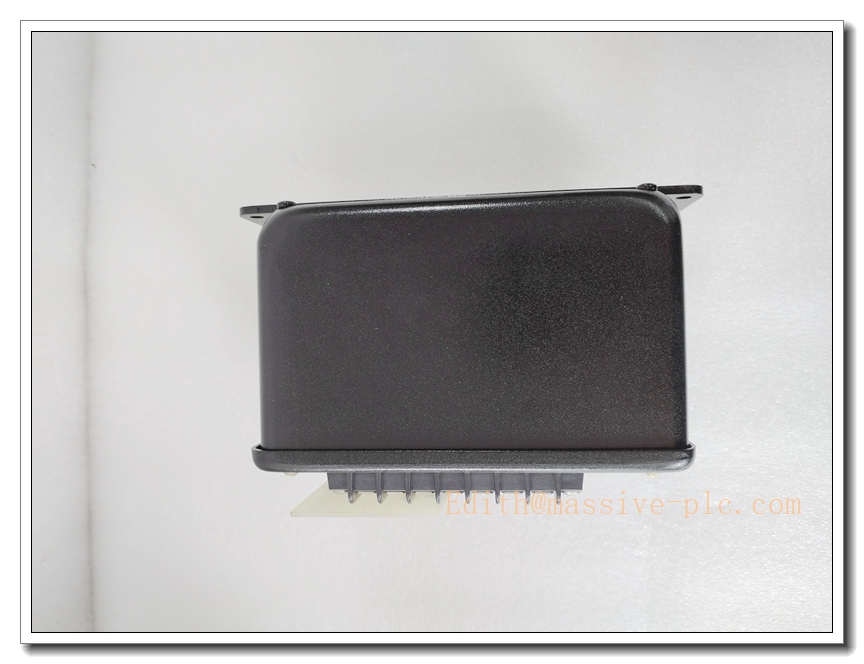
- Mounting: Chassis plate mount, metal enclosure
- Status: EOL original production; spare stock available as new surplus or professionally refurbished bench-tested units
EG1033AC01
Same-Series Model Recommendations (8 Models)
- EG1033AC01: Relay-output flame amplifier (subject model)
- LG1093AC01: Matching UV flame detector probe
- EG1033AD01: Open-collector transistor output variant
- EG1033AA01: Early EG-series flame amplifier
- CC-PCNT01: C300 Experion PKS DCS controller
- CC-TUIO01: Series C universal IOTA base
- CC-PCF901: CF9 FTE control firewall module
- FC-QPP-0001: Safety Manager SIS CPU
Professional Quality Control & Testing Standard Operating Procedures
All surplus and refurbished Honeywell EG1033AC01 amplifiers follow this inspection workflow:
- Visual Inspection: Check metal housing, terminal block, wiring terminals, PCB, verify Honeywell part label and revision.
- Power Bench Test: Apply rated supply voltage, confirm no overcurrent, stable power rail and normal power-up self-check.
- Probe Interface Test: Connect with LG1093AC01 UV probe, check pulse signal reception.
- Flame Response Test: Use calibrated UV test lamp, verify relay pulls in for flame present.
- Flame Loss Test: Remove UV stimulus, confirm relay de-energizes within max 0.2 s.
- Noise Immunity Test: Apply electromagnetic interference to verify no false flame trigger.
- Thermal Soak Test: Operate at upper ambient temperature to expose intermittent relay or timing faults.
- Final Cleaning & Packaging: Clean terminals, reset configuration, ESD packaging with printed test certificate.
New / Refurbished Module Installation Guidelines
- Pre-Installation Safety: Execute lockout-tagout; isolate turbine fuel supply and amplifier power, follow hot work and combustion safety permit.
- Mounting Location Check: Install in control cabinet away from high heat, vibration and high-voltage cables.
- Mechanical Mounting: Secure amplifier to chassis mounting plate with hardware, maintain protective earth connection.
- Field Wiring: Run armored cable from LG probe to amplifier terminals; separate probe signal wiring from high-current power cables.
- Trip Circuit Wiring: Wire SPDT relay contacts to SIS / turbine trip logic per control drawing.
- Offline Functional Test: Power amplifier offline, use UV test lamp to confirm flame/no-flame relay action.
- Commissioning & Acceptance: Perform burner light-off and flame loss trip test, validate interlock shutdown, archive loop test records.
Application Scenarios & Product Features
Typical Application Scenarios
- GE Mark IV / Mark V gas turbine flame safety monitoring for power plants
- Refinery and chemical plant gas burner / boiler UV flame detection systems
- Combustion protection, loss-of-flame safety trip interlock
- Spare replacement and retrofit for legacy Honeywell LG/EG flame monitoring packages
Core Product Features
- Designed to pair with LG-series solar-blind UV flame probes
- Fast flame detection and flame-loss response for safety shutdown
- SPDT relay contact output for direct hardwired turbine trip circuits
- Long cable reach between amplifier and remote flame probe
- Built-in noise filtering to reject blackbody heat and ambient light interference
- Rugged metal enclosure for control cabinet mounting
- Requires matched LG UV probe; cannot work independently as flame sensor
- Not hot-swappable during turbine firing; fuel isolation is mandatory before replacement
Frequently Asked Questions (FAQ)
Q1: What is the difference between EG1033AC01 and EG1033AD01? A1: uses SPDT relay contact output. EG1033AD01 uses open-collector transistor output; grounding scheme is different. They are not direct drop-in substitutes without drawing review.
A2: No, it is a UV amplifier, only processes UV pulse signals from Geiger-Müller UV probes. IR flame monitors use separate hardware.
Q3: Can it connect directly to C300 DCS I/O? A3: Yes via the relay dry contact wired to DCS digital input, but its primary purpose is hardwired safety trip for turbine protection.
Q4: What are common failure modes? A4: Relay contact burnout, power regulation failure, signal input circuit drift, terminal corrosion, false flame or no-flame misdiagnosis.
A5: This AC variant is for single-probe configuration; check drawing for multi-probe amplifier models.

 Start Chat