
Description
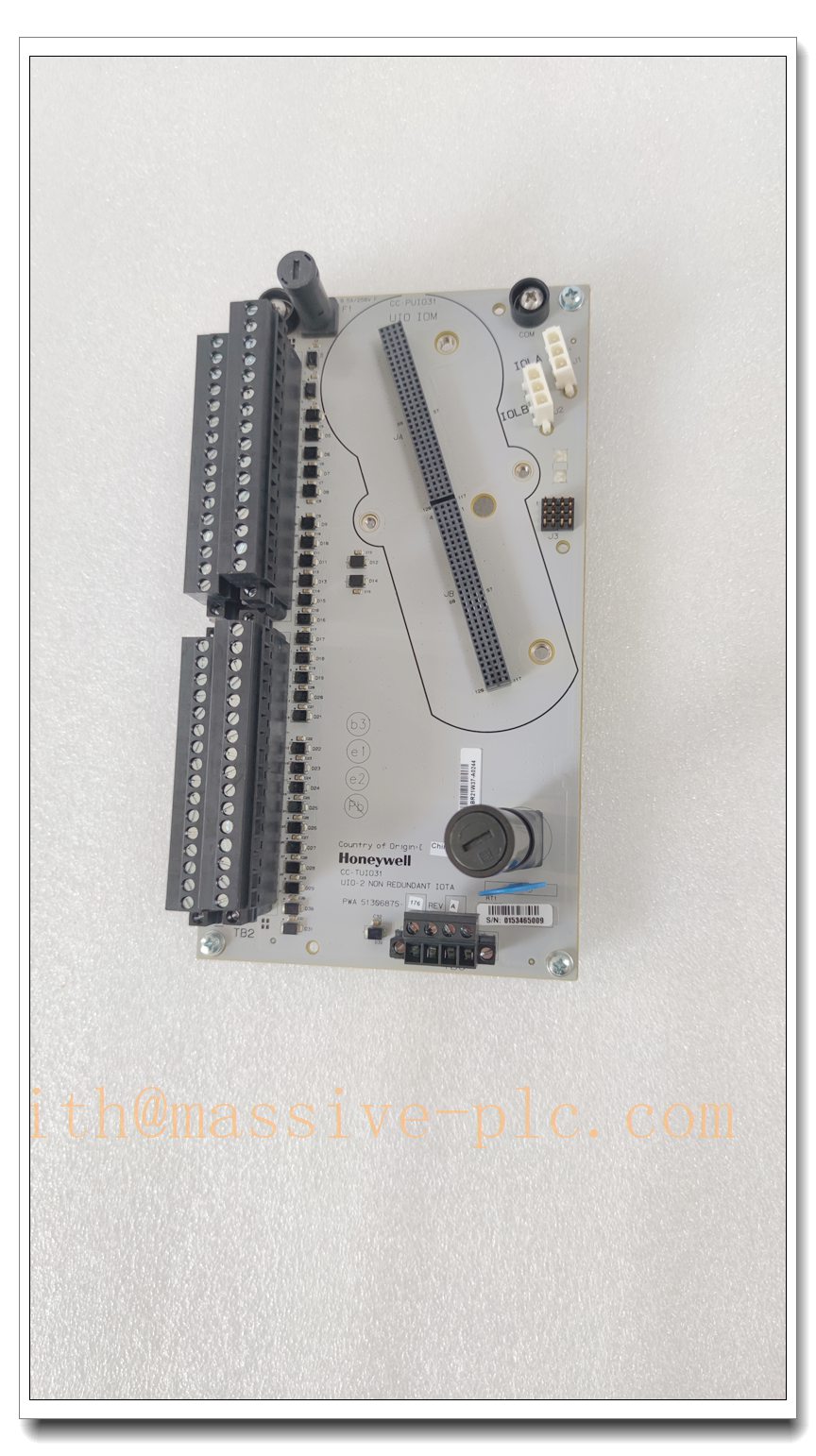
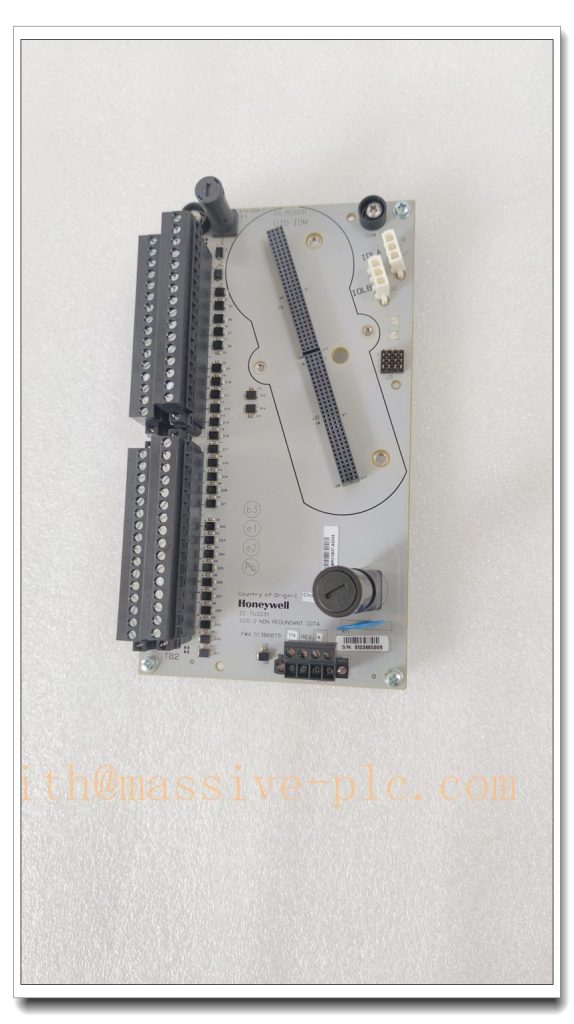
Honeywell CC-TUIO31 Universal I/O IOTA Base for CC-PUIO31, Experion PKS Series C
Core Product Overview
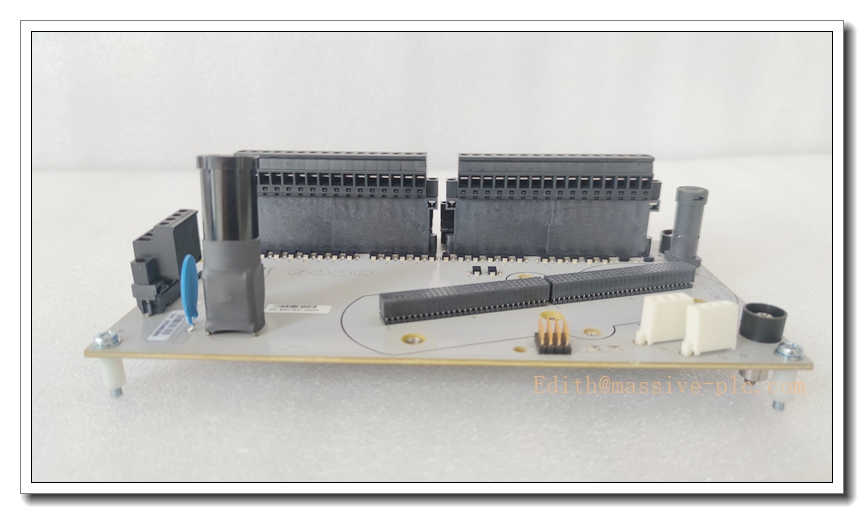
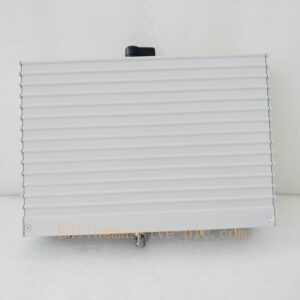
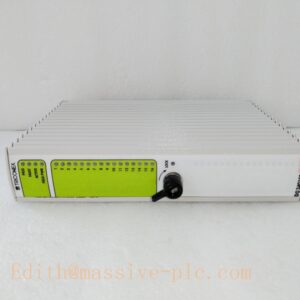
CC-TUIO31 is Honeywell Experion PKS Series C universal I/O termination assembly (IOTA), designed exclusively to pair with the CC-PUIO31 universal I/O processor card. It provides rack mounting, 24VDC power distribution, field signal screw terminals and I/O Link bus interface to the C300 controller (CC-PCNT01 / CC-PCNT02 / CC-PCNT05). This is the high-density software-configurable UIO IOTA base; each slot supports 32 software-definable channels (AI/AO/DI/DO). It is only the termination base, signal processing logic resides on the CC-PUIO31 processor card. It communicates with C300 over the Series C I/O Link bus for petrochemical, gas and power DCS control cabinets.
Main Technical Specifications
- Part Number: CC-TUIO31
- Manufacturer: Honeywell
- Device Type: Series C Universal I/O (UIO) IOTA Termination Base
- Matching Processor Card: CC-PUIO31 (mandatory)
- Channel Capacity: 32 software configurable channels per IOTA
- Signal Types: Software selectable: Analog Input, Analog Output, Digital Input, Digital Output via Experion engineering tool
- Power Supply: 24 VDC from Series C backplane
- Bus Interface: I/O Link to C300 controller
- Field Termination: Screw terminal blocks for instrument wiring
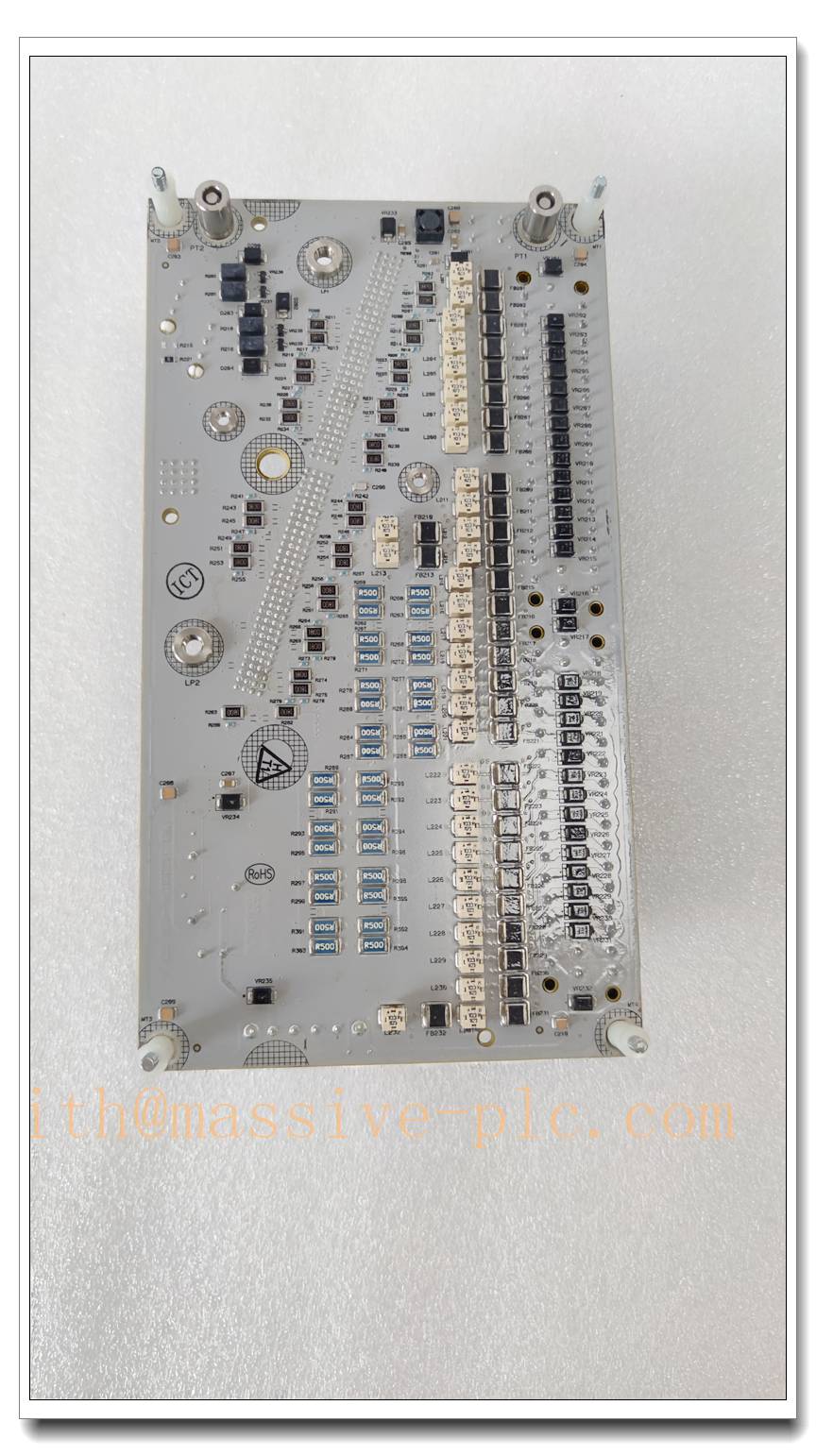
- PCB Coating: Conformal coated for industrial cabinet environments
- Operating Temperature: 0 ~ +60°C
- Humidity: 10%–90% non-condensing
- Form Factor: Series C rack slot IOTA base
- Status: EOL, original production discontinued; spare stock available as new surplus or professionally refurbished bench-tested units
CC-TUIO31
Same-Series Model Recommendations (8 Models)
- CC-TUIO31: UIO IOTA base (subject model)
- CC-PUIO31: 32-channel universal I/O processor card
- CC-TUIO01: Older fixed universal IOTA base
- CC-PCNT01: 1st Gen C300 controller
- CC-TCNT01: C300 controller IOTA base
- CC-PCF901: CF9 FTE control firewall
- FC-QPP-0001: Safety Manager SIS CPU
- CP451-10: Yokogawa CENTUM VP DCS CPU
Professional Quality Control & Testing Standard Operating Procedures
All surplus and refurbished Honeywell CC-TUIO31 modules follow this inspection workflow:
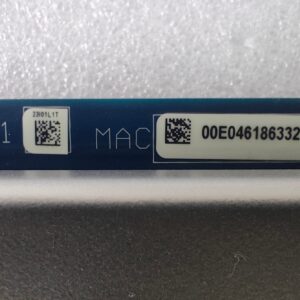
- Visual Inspection: Inspect PCB, gold edge fingers, screw terminal blocks, traces and soldering; verify Honeywell part label and revision.
- Backplane Power Bench Test: Install on Series C carrier rack, apply 24VDC, confirm stable power rails, no overcurrent or short circuit.
- Continuity Test: Check all field terminals and backplane pins for correct continuity, no open or short circuits.
- I/O Link Communication Test: Mate with CC-PUIO31 processor card, verify I/O Link communication to C300 controller.
- Multi-Type Signal Path Test: Validate AI, AO, DI, DO signal paths via software configuration on Experion PKS.
- Insulation Test: Verify isolation between field signals, 24V power and backplane bus.
- Thermal Soak Test: Operate at upper rated temperature to expose intermittent terminal or contact faults.
- Final Cleaning & Packaging: Clean gold fingers and terminals, inspect screw terminals, ESD packaging with printed test certificate.
New / Refurbished Module Installation Guidelines
- Pre-Installation Safety: Execute lockout-tagout; isolate rack 24V supply and all field instrument wiring to prevent unexpected valve or equipment action.
- Rack Check: Confirm compatible Series C carrier rack, protective earth and cabinet cooling airflow.
- Mechanical Mounting: Slide CC-TUIO31 into the rack slot and lock the latch.
- Field Wiring: Connect transmitters, valves and field instruments to screw terminals; separate low-level analog cables from high-power wiring.
- Processor Card Installation: Insert CC- universal I/O processor onto the CC- IOTA and lock.
- Offline Functional Test: Power rack offline, configure channel types in Experion, verify I/O reading and output control.
- Commissioning & Acceptance: Perform channel loop checks, verify diagnostics and wire-break detection, archive loop drawings and test records.
Application Scenarios & Product Features
Typical Application Scenarios
- Experion PKS Series C DCS high-density flexible I/O cabinet
- Petrochemical, refinery, natural gas and power plant process control
- Mixed signal I/O cabinets where AI/AO/DI/DO quantities change per project
- Retrofit and spare replacement for legacy Series C UIO I/O racks
Core Product Features
- High-density 32-channel universal I/O termination base for CC-
- All channels software configurable as AI, AO, DI or DO in Experion, reducing spare part types
- Screw terminal field termination for instrument cabling
- I/O Link bus connection to process controller
- Conformal coated PCB suitable for humid or mildly corrosive cabinet environments
- Supports hot swap of the CC- processor card with proper loop bypass
- Cannot work standalone; requires CC- processor card for signal acquisition and output
Frequently Asked Questions (FAQ)
A1: CC-TUIO01 is the older fixed-function universal IOTA for separate PDIL01, PDOB01, PAIH01, PAOH01 cards. CC- is the newer high-density UIO base paired only with CC-; channels are software defined, not fixed function. They are not interchangeable.
A2: No. CC- is only the wiring termination and power base. CC- carries the A/D, D/A and logic circuitry.
Q3: Is the IOTA base itself hot-swappable? A3: The IOTA base is not hot-swappable. The CC- processor card plugged into it supports hot swap after loop bypass.
A4: No, the pinout and mechanical design are different; CC- only fits CC-.
Q5: What are common failure modes? A5: Screw terminal loose contact, gold finger oxidation, PCB trace corrosion, wiring-induced short circuits, insulation degradation.

 Start Chat