Description
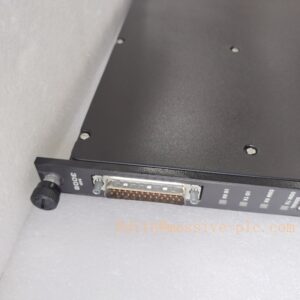
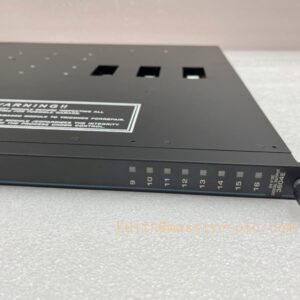
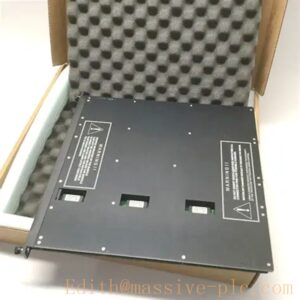
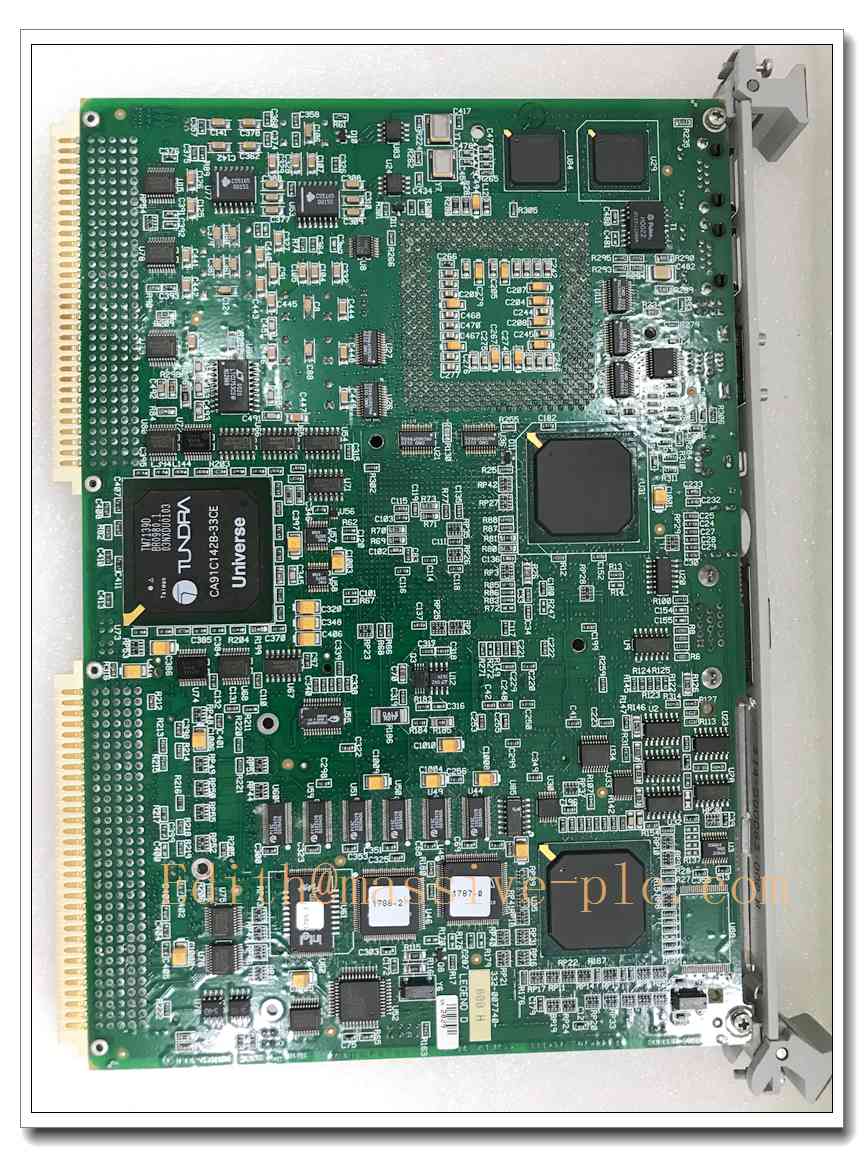
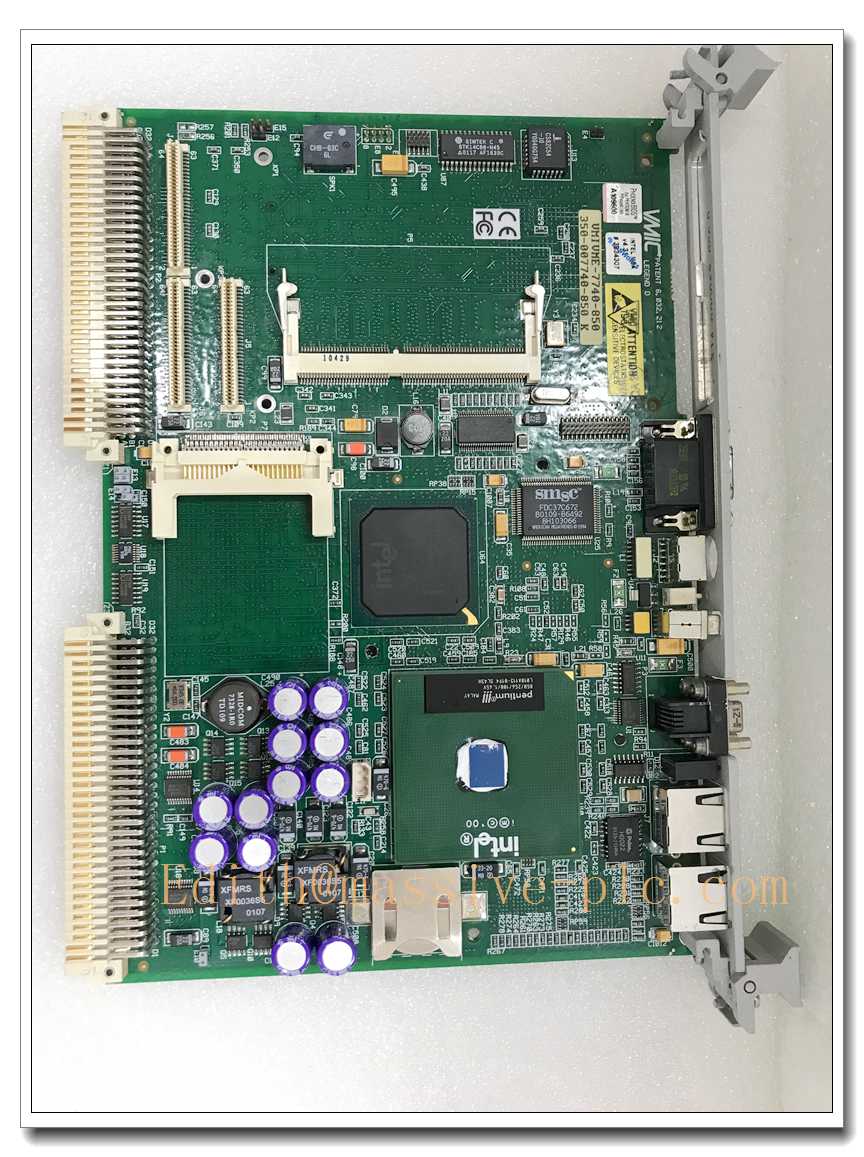
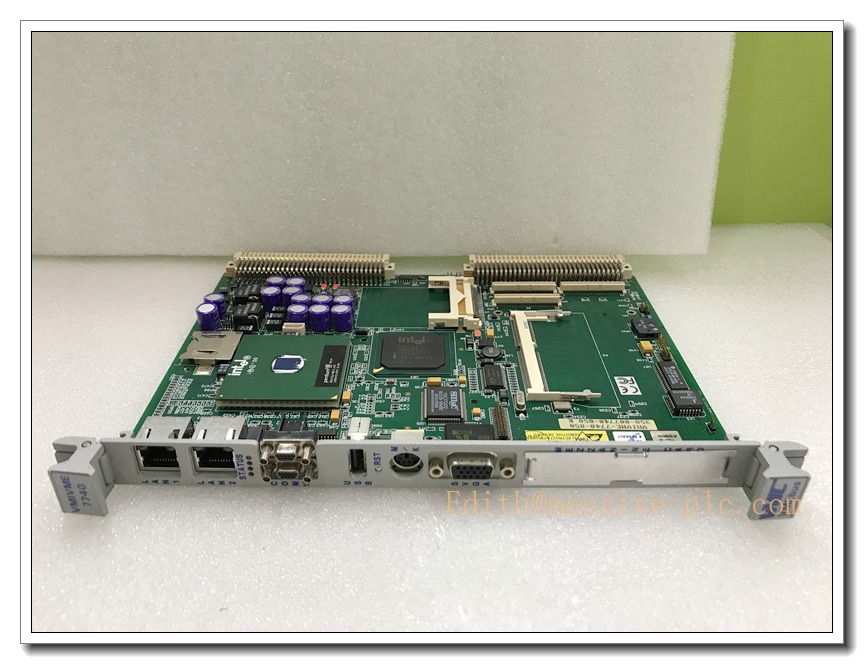
GE VMIVME7740-841 is a 6U VMEbus single board computer based on the Pentium III processor
Product Core Overview
The GE VMIVME7740-841 is a 6U VMEbus single-board computer (SBC) originally developed by GE Fanuc Embedded, now inherited by Abaco Systems and Emerson. Built around the Intel Pentium III architecture, it serves as the primary system controller for legacy VME64-based automation racks, widely deployed in GE Mark VI and Mark Vie turbine control systems, industrial real-time workstations, and critical embedded process control environments. It delivers robust x86 processing performance while maintaining full backward compatibility with existing VME I/O modules, protecting long-term software and hardware investments for facilities operating legacy control infrastructure.
VME7740-841
Key Technical Specifications
- Processor: Intel Pentium III (Coppermine/Tulatin) ranging from 700MHz to 1GHz depending on production batch, with 32KB L1 cache and 256KB full-speed L2 cache
- Memory: 128MB to 512MB onboard SDRAM, expandable up to 1GB via 144-pin SODIMM slot, optional parity check support
- Storage: Onboard IDE Disk-on-Module socket and CompactFlash Type II slot, supporting boot from flash, CF, local HDD or PXE network
- VME Interface: Compliant with ANSI/VITA 1.4 VME64 standard, supporting A16/A24/A32 address spaces and D32/D64 data transfers, configurable as system controller for the VME backplane
- Communication Ports: 2 independent 10/100BASE-TX Ethernet ports, 2 configurable EIA-232/422/485 serial ports
- Expansion: 1 PMC Type I/II 32-bit 33MHz PCI slot for additional communication or I/O expansion
- Power Supply: Powered directly from VME backplane, requiring +5V, +12V and -12V inputs, typical total power consumption 15–25W
- Operating Temperature: 0°C to 55°C for standard air-cooled variants, extended temperature versions available for harsh industrial conditions
- Form Factor: Standard 6U VME footprint (233mm × 160mm), front panel equipped with status LEDs for RUN, network activity and storage access, with ejector handles for secure installation and hot-swap friendly maintenance
8 Recommended Related Series Models
- VMIVME-7740-842: Pentium III 850MHz configuration with 512MB SDRAM and onboard SVGA graphics for local HMI debugging
- VMIVME-7740-843: 1GHz Pentium III variant with extended temperature rating for outdoor and rugged field deployments
- VMIVME-7750-000: VME SBC with Pentium M 1.4GHz processor, dual Gigabit Ethernet and DDR memory architecture
- VMIVME-7807: High-performance VME SBC featuring Intel Core Duo processor, supporting modern 64-bit real-time operating systems
- VMIVME-5565: Reflective Memory VME interface module designed for low-latency, deterministic peer-to-peer data sharing
- VMIVME-2514B: 16-channel high-speed digital I/O module optimized for time-critical interlock and safety logic
- VMIVME-3122: 16-bit analog-to-digital conversion module for high-precision process variable data acquisition
- VMIVME-4150: 12-channel analog output module for closed-loop control of valves, actuators and field transmitters
Professional Quality Control Test Standard Operating Procedure
- Visual Inspection: Examine the board for physical damage, bent pins, corroded connectors, or loose components; confirm all front panel LEDs and ejector handles are intact and functional
- Power Sequence Test: Insert the module into a test VME chassis, apply power gradually through a current-limited DC supply, verify no overcurrent or short-circuit conditions occur during power-up
- Minimum System Boot Test: Connect serial console and Ethernet debug port, confirm BIOS initialization completes normally, verify the board successfully boots from onboard CompactFlash or IDE DOM
- VME Interface Compliance Test: Use a VME bus analyzer to validate A16/A24/A32 address space access, D32/D64 data transfer performance and interrupt response under full load
- Communication Burn-In Test: Run continuous 72-hour loopback test for both Ethernet ports and all serial channels, confirm zero packet loss and no communication dropout under industrial noise simulation
- Watchdog Function Verification: Force a software hang condition to confirm the hardware watchdog timer triggers a reliable system reset within the configured 0.1s to 60s window
- Temperature Cycling Test: Place the module in an environmental chamber, perform full functional testing across 0°C to 60°C operating range to validate thermal stability
- Final Documentation: Record all test data, assign a unique serial number tag, and issue a formal quality certification report before releasing the module for shipment
New Module Installation Guidelines
- Pre-Installation Preparation: Power down the target VME chassis completely, confirm the backplane voltage output matches the module specification, prepare an ESD wrist strap and all required connection cables
- Slot Selection: Install the VMIVME7740-841 in the designated system controller slot (usually Slot 1) if it will act as the rack master CPU; for slave operation, select any empty standard 6U VME slot with no backplane signal conflicts
- Grounding and Insertion: Wear ESD protection at all times, carefully align the module with the chassis guide rails, push it smoothly into the slot until the edge connector fully mates with the backplane, then lock both front panel ejector handles to secure the board in place
- Cabling Configuration: Connect the debug serial cable to COM1 for initial setup, wire Ethernet ports to the control network, attach VGA and keyboard only if local on-site HMI access is required
- Power-Up and Initial Check: Restore chassis power, observe the front panel RUN LED; confirm it transitions from blinking to steady on within 60 seconds, verify the module appears on the VME bus map through the system diagnostic utility
- Software Configuration: Update the system BIOS to match your application requirements, set the correct boot device order, and re-validate all existing I/O module mappings before transferring production control to the new CPU
Application Scenarios and Features
- Heavy-Duty Turbine Control: Serves as the main processing unit for GE Mark VI gas and steam turbine control panels, delivering deterministic real-time performance to ensure stable operation of speed control, temperature protection and load management loops
- Power Generation Substation Automation: Deployed in plant DCS control racks to handle high-density data acquisition, interlock logic execution and remote SCADA communication for generator and transformer protection systems
- Aerospace and Defense Test Benches: Used in radar simulation, avionics test platforms and motion control systems, where its proven VMEbus interoperability and long product lifecycle reduce costly system redesigns
- Petrochemical Process Control: Operates in refinery and pipeline control environments, supporting continuous 24/7 operation with robust noise immunity to handle electrical interference from high-power field devices
- Legacy System Migration Workstations: Acts as a programming and diagnostic station for existing GE 90-70 PLC systems, allowing engineers to maintain and upgrade legacy control logic without replacing the entire automation infrastructure
Frequently Asked Questions
- Q: My existing VME rack uses a different brand SBC, can I directly replace it with the VMIVME7740-841?
A: Full compatibility depends on your existing operating system, driver stack and VME memory map. You will need to reconfigure the VME base address, interrupt assignment and real-time OS kernel before performing a hot swap, we strongly recommend running a full offline simulation test before production deployment. - Q: The module powers on but the RUN LED stays blinking and never goes steady, what should I check first?
A: First verify your CompactFlash or IDE DOM is properly seated and contains a valid boot image, then confirm the VME backplane +5V rail output is within 4.8V to 5.2V tolerance; a low or unstable supply voltage is the most common cause of incomplete boot initialization. - Q: Can I install a modern Windows 10 operating system on this board?
A: The hardware architecture only officially supports legacy real-time operating systems including QNX 6.x, VxWorks 5.4+/6.x and Windows NT Embedded. Modern 64-bit general-purpose operating systems are not compatible and will not deliver the required deterministic control performance. - Q: What is the typical service lifespan for a properly maintained unit?
A: Under recommended operating temperature and regular preventive maintenance, the VMIVME7740-841 can provide 15 to 20 years of reliable continuous service, making it an ideal long-term support option for facilities with extended control system lifecycle requirements.