Description
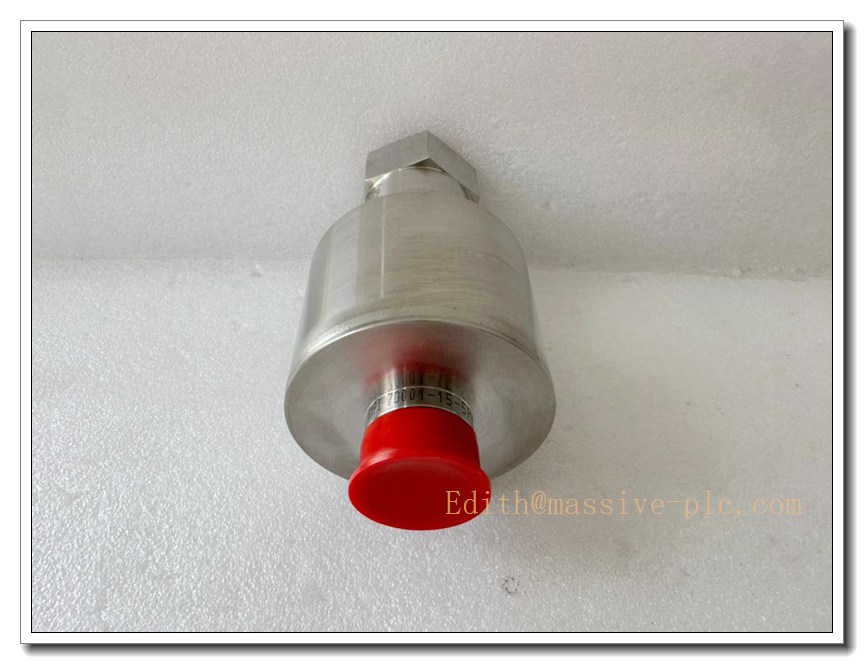
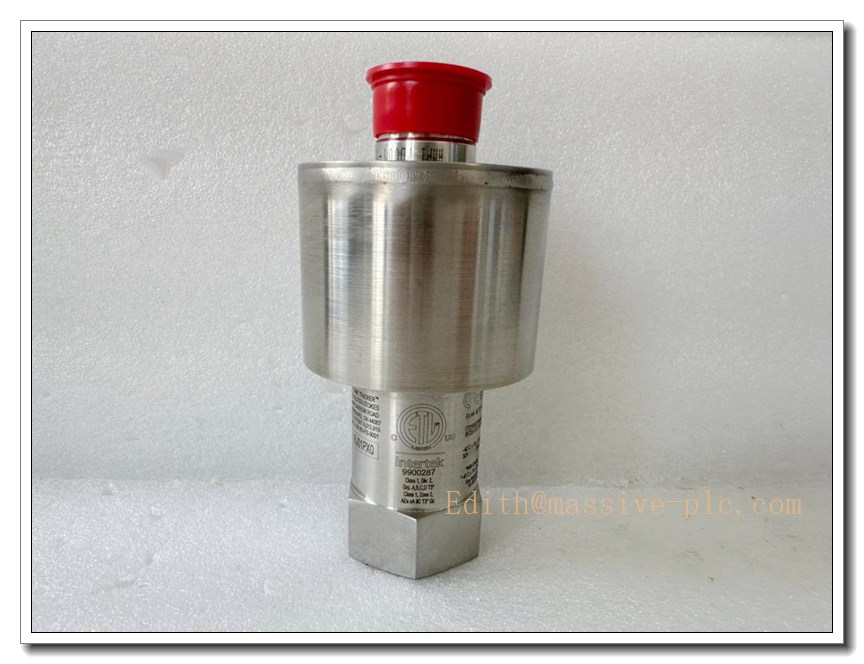
GE RS-FS-9001 362A1052P004 Industrial UV Flame Detector
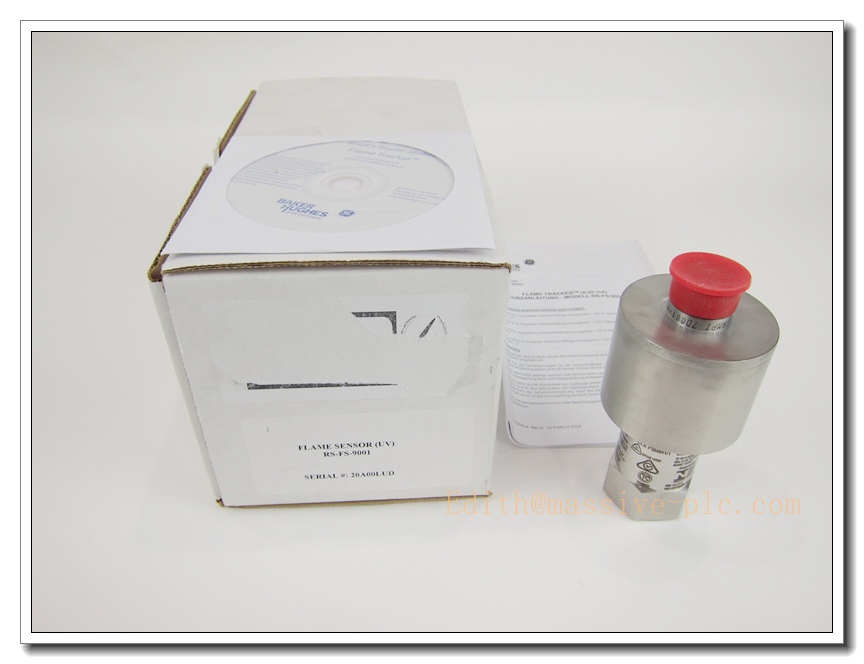
RS-FS-9001
Product Core Introduction
The GE RS-FS-9001 (part number 362A1052P004) is a high-performance industrial-grade ultraviolet (UV) flame detector, purpose-built for continuous, reliable flame presence monitoring in critical combustion systems. It leverages a hermetically sealed SiC photodiode and precision optical focusing system to detect the unique 185–260 nm UV emission band of hydrocarbon flames, while effectively filtering out false interference signals from hot surfaces, sunlight, and electrical arcs.
Designed for mission-critical safety applications in gas turbines, industrial boilers, process furnaces and incinerators, it delivers a fast response time ≤ 25 ms, enabling instant flame loss signal capture to meet millisecond-level emergency fuel cut-off requirements. The rugged IP66-rated housing and wide operating temperature tolerance make it fully suitable for deployment in harsh power generation, oil & gas refining and petrochemical facility environments, eliminating the risk of unburned fuel accumulation and potential explosion hazards caused by undetected flameout. It features a standard 4-20 mA linear analog output, seamlessly integrating with GE Mark VIe, DCS and plant safety interlock systems for real-time flame intensity monitoring and alarm triggering.
Primary Technical Specifications
- Official Part Number: RS-FS-9001 (362A1052P004)
- Product Family: GE RS-FS Series Industrial Flame Monitoring System
- Detection Technology: Ultraviolet (UV) spectrum detection, 185–260 nm wavelength band
- Power Supply Input: 12 VDC to 30 VDC wide-range DC input, rated operating voltage 24 VDC
- Minimum Supply Current: 100 mA, with built-in automatic reverse polarity protection
- Analog Output: 4 mA corresponds to no flame, 20 mA corresponds to full flame intensity, linear 4-20 mA signal
- Sensitivity Performance: Standard 5 mA output at 310 nm UV photon flux; customized ILG version reaches 6.5 mA
- Maximum Loop Resistance: 560 Ω under 24 VDC supply, with transient withstand voltage up to 42 V
- Optical Design: High-pressure resistant sapphire light-transmitting window, built-in focusing lens, 90° wide viewing angle with zero detection blind zone
- Response Time: ≤ 25 ms, meeting millisecond-level emergency fuel cut-off requirements for gas turbines
- Mechanical Interface: 3/4 inch NPT internal thread standard mounting interface
- Environmental Rating: IP66 dust and water ingress protection
- Operating Temperature Range: -40°C to +85°C
- Humidity Tolerance: 5% to 95% non-condensing relative humidity
Quality Control Procedures
Every GE RS-FS-9001 unit follows GE’s strict power generation safety-grade multi-stage quality assurance workflow before factory release:
- Component Incoming Validation: All SiC photodiodes, sapphire windows and signal conditioning circuits are batch-tested against GE flame safety specifications, with full lot traceability logged in the global GE quality management system.
- UV Calibration Validation: Each completed detector undergoes full-range precision calibration against a NIST-traceable standard UV light source, ensuring detection accuracy and sensitivity consistency across the full operating range.
- HASS Stress Screening: Units undergo highly accelerated combined temperature and vibration stress screening, eliminating early-age component failures that could cause missed flame detection events.
- False Signal Immunity Testing: Detectors are validated against simulated hot surface radiation, sunlight and electrical arc interference, confirming zero false flame alarm triggering.
- Final Functional Burn-In: Each unit runs 96 hours continuous UV detection testing, before being sealed in shock-absorbing anti-static packaging with a unique serial number linked to its full test record.
Related Model Recommendations
- GE RS-FS-9002: Dual UV/IR spectrum flame detector, for complex combustion environments requiring enhanced false signal rejection
- GE 362A1052P104: High-sensitivity customized ILG variant of RS-FS-9001, for low-intensity flame monitoring applications
- GE Mark VIe IS220PRTDH1A: RTD input module, for combustion system temperature monitoring paired with the flame detector
- GE IS220PSVOH1A: Servo valve I/O module, for emergency fuel shutoff valve drive control triggered by flame loss signal
- GE 362A1121P001: Flame detector signal processing relay module, for local hardwired flame alarm and interlock logic
- GE IS200TBAOH1A: Terminal board assembly, for field wiring connection between RS-FS-9001 and the turbine control system
- GE RS-FL-9000: Flame detector calibration test rig, for periodic on-site performance verification and sensitivity recalibration
- GE Mark VIe Control System: The native turbine safety control platform that natively integrates with the RS-FS-9001 flame detector
Brand Development History
GE, as a global leader in power generation safety and turbine control systems, has over 60 years of accumulated technology leadership in industrial flame monitoring and combustion safety protection.
In the 1990s, GE launched the RS-FS series flame detector family, which quickly became the industry standard for gas turbine and industrial boiler flame safety monitoring worldwide. The RS-FS-9001 was introduced as the flagship UV detection model of this platform, replacing legacy generation flame sensors to deliver far faster response speed and extreme temperature operating capability.
In the 2010s, the platform received a major functional upgrade, adding enhanced false signal filtering algorithms and sapphire window high-pressure resistance, making it fully compliant with modern gas turbine safety standards. Today, hundreds of thousands of RS-FS-9001 detectors are deployed across power plants worldwide, delivering reliable flame safety protection for critical combustion assets.
Frequently Asked Questions
- Q: Does the RS-FS-9001 support hot-swap replacement while the combustion system is in normal operation?
A: No. The detector is part of the critical flame safety interlock path. Replacement must be performed with the combustion system fully shut down and fuel supply locked out, to prevent unprotected flameout conditions. - Q: What is the most common failure mode for this detector in long-term power plant operating conditions?
A: The most frequent issue is sapphire window fouling caused by long-term exposure to combustion flue gas dust. This can be prevented by performing monthly visual inspection and cleaning of the optical window with a soft lint-free cloth. - Q: Can the RS-FS-9001 detect non-hydrogen/non-hydrocarbon metal high-temperature flames?
A: Yes, it can detect most high-temperature hydrocarbon, gas and metal flames, while effectively filtering out false signals from hot surfaces and sunlight. - Q: How do I troubleshoot a detector that shows constant no-flame alarm even when the burner is confirmed to be ignited?
A: First verify that the 24 VDC power supply is within the rated range, then inspect the sapphire optical window for dust or soot accumulation, and confirm the detector viewing angle is properly aligned with the flame core. Window fouling or misalignment are the two most common root causes of this type of fault. - Q: What is the typical service life expectancy of this detector under normal power plant operating conditions?
A: With regular preventive maintenance and annual sensitivity calibration, the RS-FS-9001 can reliably operate for over 10 years in 24/7 combustion system safety monitoring applications.