
Description
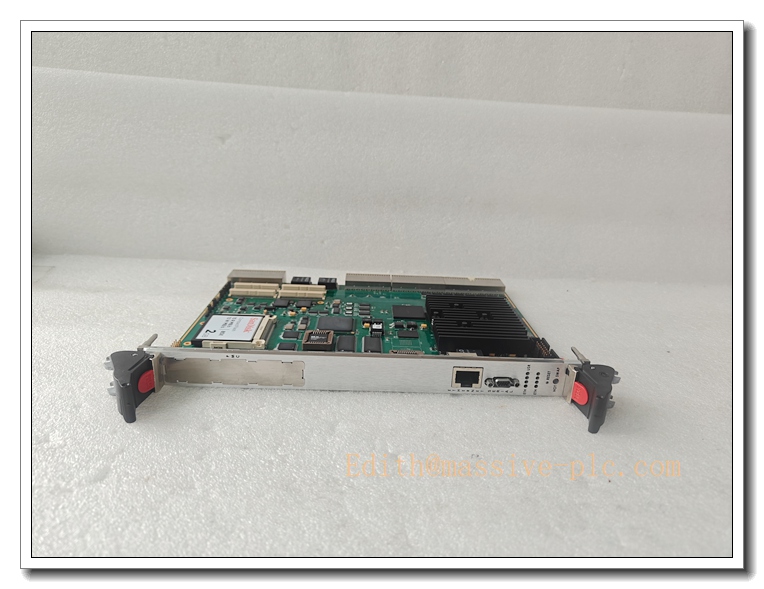
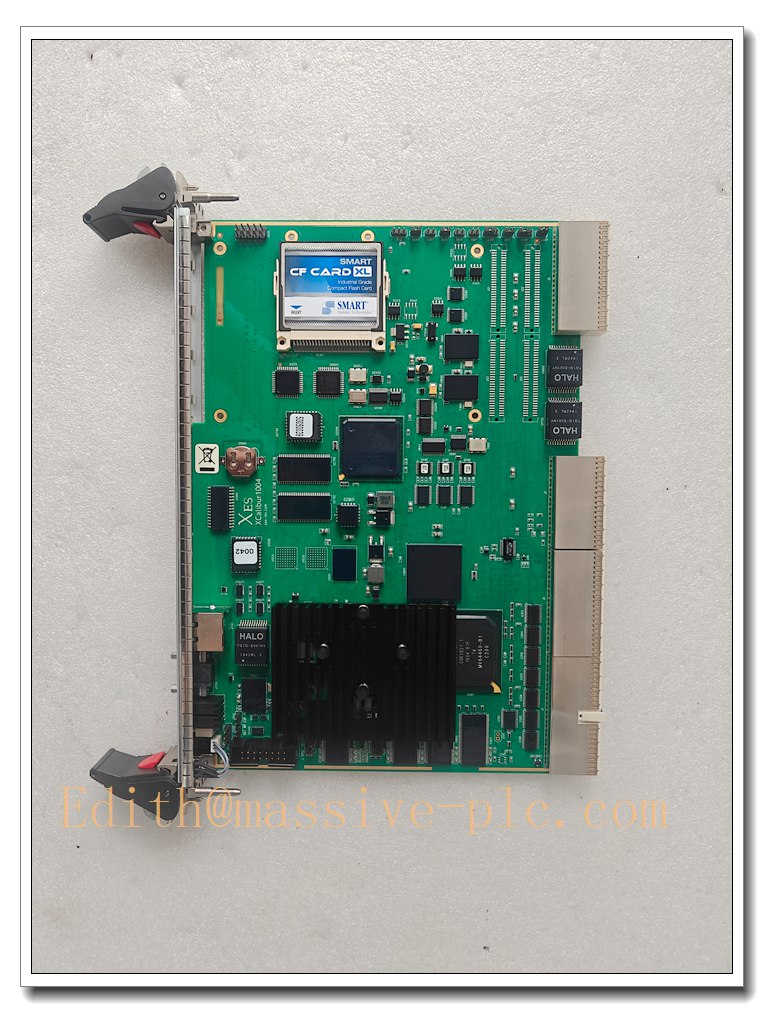
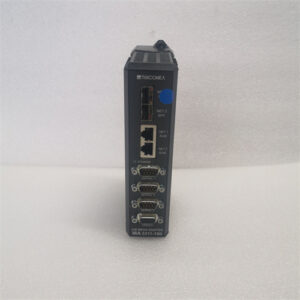
CRAFT 012-92599-53 VME Bus Turbomachinery Control Processor Board
Product Core Introduction
The CRAFT 012-92599-53 is a high-reliability VME-bus processor board designed for GE Mark VI turbomachinery control systems. It serves as the core logic processing unit responsible for real-time control algorithm execution, high-speed signal acquisition, interlock protection and data communication within the turbine/ compressor control rack. Built with rugged industrial-grade FPGA and CPU architecture, this board performs closed-loop speed regulation, safety trip logic and diagnostic data management. It exchanges high-speed data with I/O and signal conditioning modules via VME backplane bus, widely deployed in power generation gas/steam turbine and compressor control systems for continuous, critical process operation.
Main Technical Specifications
| Item | Parameter |
|---|---|
| Manufacturer | CRAFT (CraftTech) |
| Model | 012-92599-53 |
| Module Type | VME Bus Processor Control Board |
| System Compatibility | GE Mark VI Turbomachinery Control Rack |
| Bus Interface | VME64 backplane bus |
| On-board Memory | SRAM + Flash for firmware & control logic storage |
| Power Supply | 5VDC / ±12VDC from rack backplane |
| Power Consumption | ≤22W |
| Operating Temperature | -20℃ ~ +70℃ |
| Storage Temperature | -40℃ ~ +85℃ |
| Humidity | 5~95% RH, non-condensing |
| Diagnostics | Watchdog timer, memory self-test, bus communication fault detection |
| Certification | CE, IEC 61508 SIL2 capability for turbomachinery protection |
| Mounting | Standard VME rack slot, hot-swap supported |
| Protection Class | IP20 (cabinet mounted only) |
| Dimension | 167 × 148 × 55 mm |
| Weight | 0.6 kg |
Brand Same Series Model Recommendation
- 012-92599-41: Entry-level VME processor board for small auxiliary turbine control
- 012-92599-48: Mid-performance variant for standard compressor control racks
- 012-92599-53: High-speed enhanced version for main turbine safety & control loops
- 012-92599-62: Upgraded high memory revision for complex multi-variable control algorithms
Professional Quality Control Test Standard SOP
- Visual Inspection: Inspect PCB traces, soldering, connectors, capacitors and component labels for corrosion, cracks or physical damage.
- Backplane Power-On Test: Apply VME rack power, verify power LED status and confirm no short circuit or overheating.
- Memory & Watchdog Self-Test: Run built-in self-test (BIST) for RAM, flash and watchdog circuit.
- VME Bus Communication Test: Insert into Mark VI rack, validate stable high-speed data exchange with I/O modules.
- Logic & Interlock Simulation: Load turbine control firmware, simulate trip signals and verify fast protection response.
- Thermal Cycling Test: Temperature cycle from -40℃ to +70℃ for 24 hours to validate thermal stability.
- Vibration Screening Test: Apply cabinet-level vibration to check solder joint and connector reliability.
- EMC Immunity Test: Comply with EN 61000-6-2 industrial EMC standard.
- Continuous Burn-in Test: 72-hour full-load burn-in, record diagnostic logs before final packaging.
New Module Installation
- Wear anti-static wristband. Execute LOTO procedure and power off the Mark VI control rack before replacement.
- Verify part number 012-92599-53 matches rack BOM and firmware compatibility requirements.
- Release front panel latch, carefully extract the old processor board from VME slot.
- Insert CRAFT 012-92599-53 into the designated VME slot, lock front panel fasteners securely.
- Confirm backplane connector fully seated; check no bent pins or loose connections.
- Restore rack power, access control HMI, run module BIST self-test.
- Verify firmware version, download matching turbine control configuration.
- Perform offline logic simulation, confirm all interlock and control functions before putting system online.
Application Scenarios & Features
Application Scenarios
- GE Mark VI gas turbine & steam turbine control systems in power plants
- Oil & gas centrifugal compressor safety & control racks
- Petrochemical turbomachinery protection and speed regulation
- Combined-cycle power generation unit control
- Heavy-duty rotating machinery safety interlock systems
Features
✅ VME64 bus architecture, native compatibility with GE Mark VI turbomachinery control rack ✅ High-speed CPU+FPGA for real-time closed-loop turbine speed control and safety trip logic ✅ Built-in watchdog and comprehensive self-diagnosis for board health monitoring ✅ Supports hot-swap replacement for online maintenance under proper system configuration ✅ SIL2 capability for safety instrumented protection loops of rotating equipment ✅ Rugged PCB design, resistant to vibration and temperature fluctuation in control cabinet ✅ Drop-in replacement for original Mark VI processor boards
FAQ
Q1: Can CRAFT 012-92599-53 directly replace the original GE Mark VI processor? A: Yes, it is form-fit-function compatible. Firmware version and control configuration must be verified before commissioning.
Q2: BIST memory fault alarm after board replacement? A: Check backplane connector pin integrity, rack power quality, and re-run self-test. If fault persists, confirm hardware revision compatibility.
Q3: Does it support hot swap? A: Hardware supports hot swap. But for safety-critical turbine systems, evaluate risk and pause safety logic before hot swapping.
Q4: What is the difference between 012-92599-48 and 012-92599-53? A: 012-92599-53 has higher processing speed and larger onboard memory, suitable for complex turbine control algorithms; 012-92599-48 is for standard compressor control.
Q5: Communication dropout between processor and I/O modules? A: Inspect VME backplane connector, check rack grounding, verify bus termination and reduce cabinet electrical interference.


 Start Chat