
Description
PNI800 Product Technical Manual
Product Core Introduction
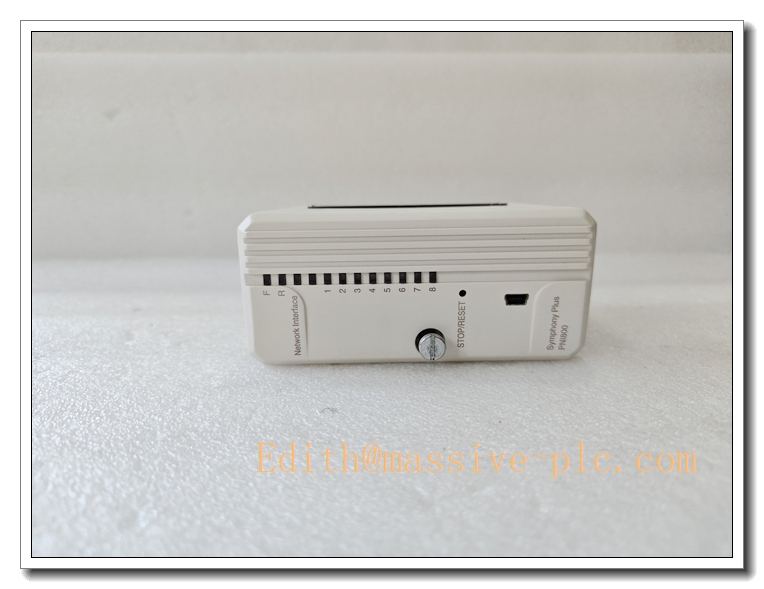
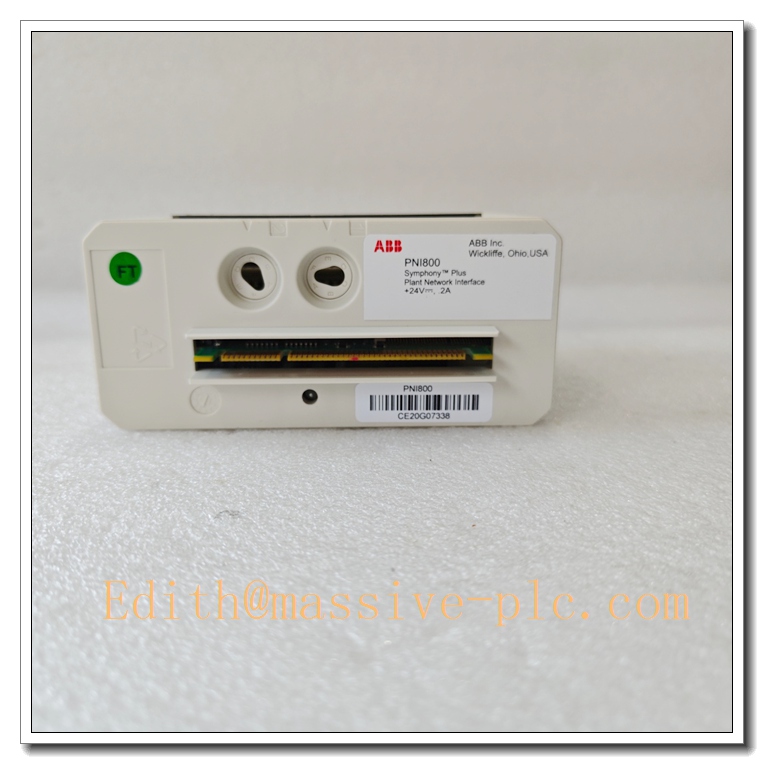
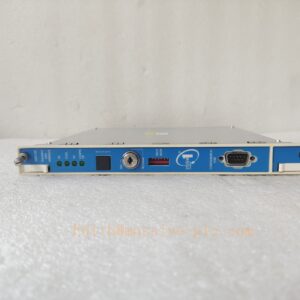
The PNI800 is ABB Symphony Plus PNI800 plant network interface module, dedicated to connecting engineering and operator workstations to the PNI800 real-time process network. It establishes bidirectional deterministic communication between PC stations and HC800 / CP800 series DCS controllers, serving as the critical access gateway for supervisory and engineering operations within the distributed control system. Built for continuous plant operation, it delivers high data integrity, redundant network transmission and strong electromagnetic immunity. Separate software license PNI800SWLIC-01 must be ordered to activate full functionality.
PN800
Main Technical Specifications
- Power Supply: 24VDC (18–30 VDC operating range)
- Power Consumption: ≤4.5 W
- Network Ports: 2 × 10/100 Mbps RJ45 (A/B redundant PN800 network)
- Debug Interface: 1 × serial port (RS232/485)
- Supported System: Symphony Plus DCS, HC800 / CP800 controllers
- Operating Temperature: 0°C ~ +60°C
- Storage Temperature: -40°C ~ +85°C
- Relative Humidity: 5%–95% RH, non-condensing
- Protection Class: IP20 (cabinet indoor installation only)
- MTBF: ≥100,000 hours
- Mounting: Standard DIN rail mounting
- Certifications: CE, UL, RoHS
- Dimension: 176 mm × 110 mm × 40 mm
- Net Weight: 0.60 kg
- Status Indicator LEDs: Power, Run, Network A, Network B, Fault
Recommended Homologous Series Models
- PNI800K01: Standard base variant of PNI800, for single workstation PN800 network access, most widely used for DCS cabinet expansion.
- PNI800A: Enhanced industrial grade variant with reinforced EMC filtering, suitable for power, metallurgy and high EMI heavy process sites.
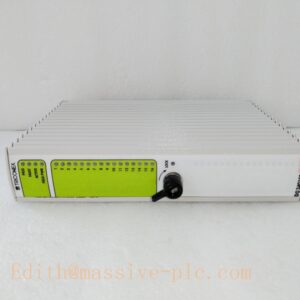
- PN8100: High-capacity plant network repeater module, for long-distance PN800 bus extension and multi-cabinet network interconnection.
- HC800: Main DCS controller matching PNI800, core process control unit of Symphony Plus system.
PN800
Professional Quality Control & Test Standard Operating Procedures (SOP)
4.1 General Test Standard
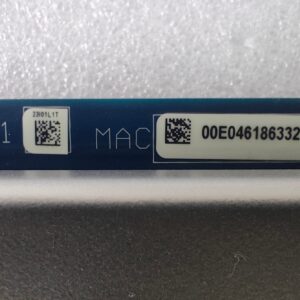
All PNI800 modules comply with ISO9001, IEC61131 and IEC61000 EMC standards. Each unit carries unique serial number for full lifecycle traceability.
4.2 Core Test SOP
- Visual & Mechanical Inspection: Inspect housing, PCB, terminal blocks and connectors for damage, solder defects or pin bending; verify DIN rail latch and mechanical dimensions against engineering drawings.
- Power-On Basic Function Test: Apply minimum, rated and maximum 24VDC supply; verify power LED, run LED and fault indicator operate correctly; confirm no overcurrent or short circuit.
- Dual Redundant Network Communication Test: Connect both A/B Ethernet ports to PN800 test network; test normal transmission, single network cable failure automatic switchover, verify zero data loss during redundancy switching.
- EMC Immunity Test: ESD, electrical fast transient burst, surge and radiated interference test per IEC61000; confirm no communication dropout or false fault alarms.
- Temperature Cycling Test: 0°C ↔ +60°C temperature cycling for 40 cycles, 2 hours per cycle; validate stable network throughput without parameter drift.
- Vibration & Mechanical Shock Test: 10–150Hz sinusoidal vibration and mechanical shock test to check solder joint and connector robustness.
- Continuous Burn-In Aging: 160 hours burn-in at 55°C under continuous network traffic; monitor packet loss rate and temperature rise, screen intermittent communication faults.
- Final Configuration & Packing: Reset factory parameters, perform serial number marking, anti-static sealing and packaging with inspection report attached.
New Module Installation Guidelines
5.1 Pre-installation Preparation
Cut off cabinet power and network power; confirm model and serial number match order; inspect anti-static package and connector integrity. Wear anti-static wristband before touching PCB or internal circuits. Prepare DIN rail, torque screwdriver, Ethernet cables and multimeter.
5.2 Installation Steps
- Snap PNI800 onto DIN rail inside DCS cabinet, lock bottom fixing buckle to prevent sliding.
- Align backplane bus connector and push the module fully seated onto the backplane.
- Wire redundant network cables to Network A and Network B RJ45 ports separately; route signal cables away from high-power cables to reduce interference.
- Connect 24VDC power terminals, tighten terminal screws to 0.5–0.7 N·m, check no bare copper exposure.
- Connect serial debug port only for commissioning; disconnect after formal commissioning is finished.
5.3 Post-installation Commissioning
Restore cabinet power and power on the module; observe LED status to confirm power and run status normal. Configure workstation network parameters and activate PNI800SWLIC-01 license. Test A/B redundant network switching manually, verify seamless switchover without disconnection. Run continuous 60-minute communication stability test, check packet loss and fault alarms before putting online.
PN800
Application Scenarios & Product Features
6.1 Core Application Scenarios
- Power plant thermal control, boiler and turbine DCS monitoring system
- Petrochemical continuous process control and plant supervisory network
- Pulp & paper, cement and metallurgy large-scale distributed automation system
- Water & wastewater treatment large DCS workstation access
- Industrial plant real-time data acquisition, HMI and engineering station connection
6.2 Core Product Features
- Dual Ethernet redundant network design, automatic A/B link switchover to improve system availability
- Deterministic real-time bus communication, low latency for process control data
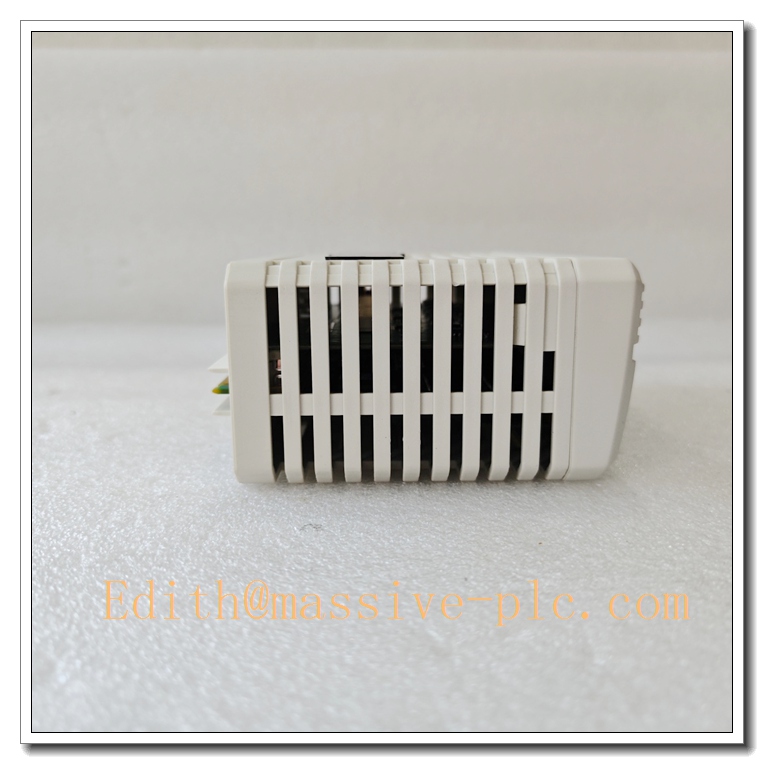
- Compact DIN rail design, simple integration inside standard DCS cabinets
- Built-in hardware watchdog for fault self-diagnosis and fault LED alarm indication
- Strong EMC protection, stable operation under industrial electromagnetic interference
- Standardized Symphony Plus ecosystem, seamless matching with HC800/CP800 controllers
Frequently Asked Questions (FAQ)
A1: Verify 24VDC supply and polarity; check loose or broken power wiring; measure terminal voltage. If input voltage is normal while LED remains off, replace module.
A2: Confirm PNI800SWLIC-01 software license is activated; check Ethernet cable, port wiring and workstation IP configuration; verify bus address setting; inspect network cable damage or grounding loop interference.
Q3: Network A port loses connection frequently A3: Replace Ethernet cable and re-seat RJ45 connector; check cabinet vibration causing loose contact; swap port A/B to judge if fault comes from cable or module hardware.
Q4: Redundancy switchover causes brief communication interruption A4: Normal switchover should be seamless. Check cable quality, network terminal resistance and bus load; reduce excessive network traffic burst on bus.
Q5: Module reports fault alarm LED flashing A5: Read fault diagnostic information via engineering tool; check over-temperature, bus overload or backplane contact issue; clean backplane connector and restart module.
A6: is dedicated plant network interface for ABB Symphony Plus DCS. It cannot communicate with third-party PLC or non- network without matched system controllers and license.

 Start Chat