
Description
PFV1401 Product Technical Manual
Product Core Introduction
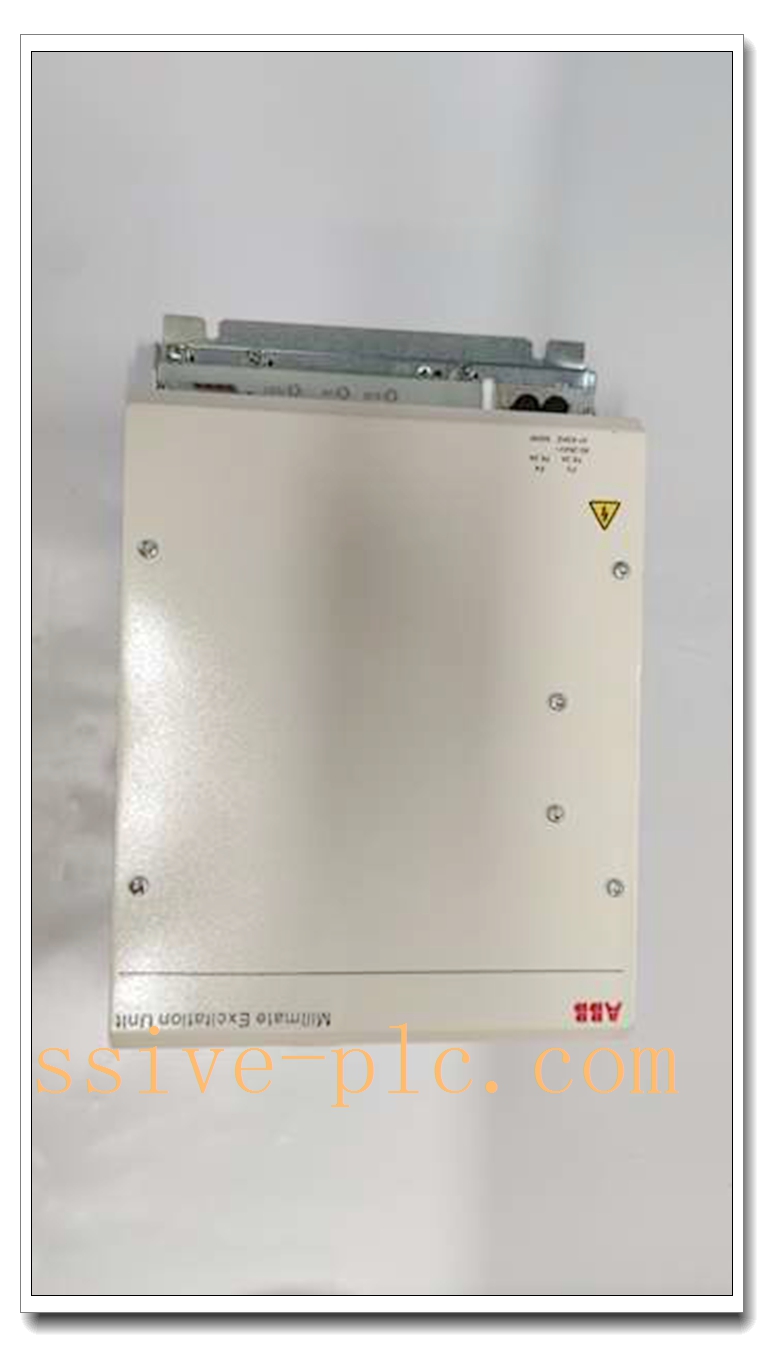
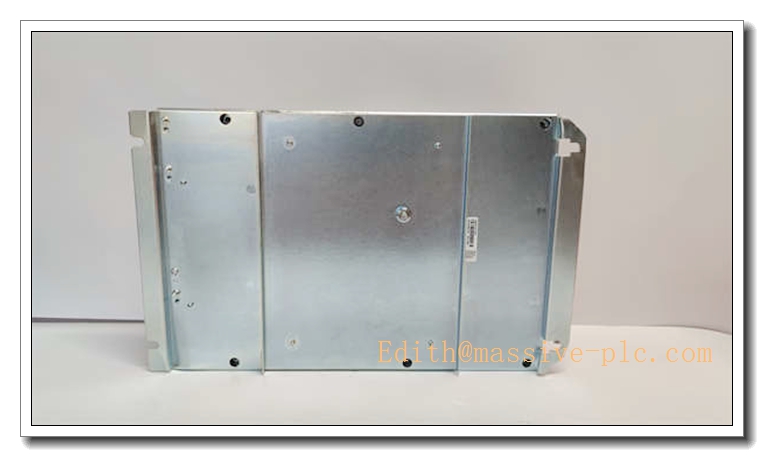
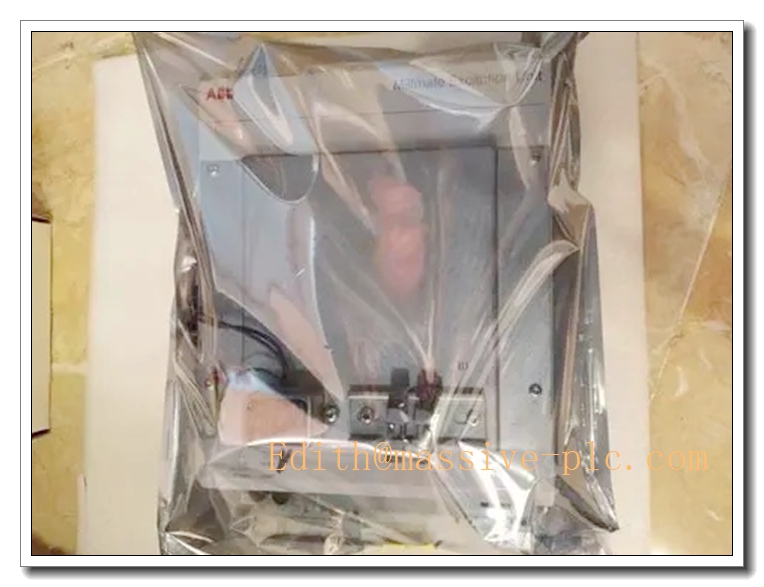
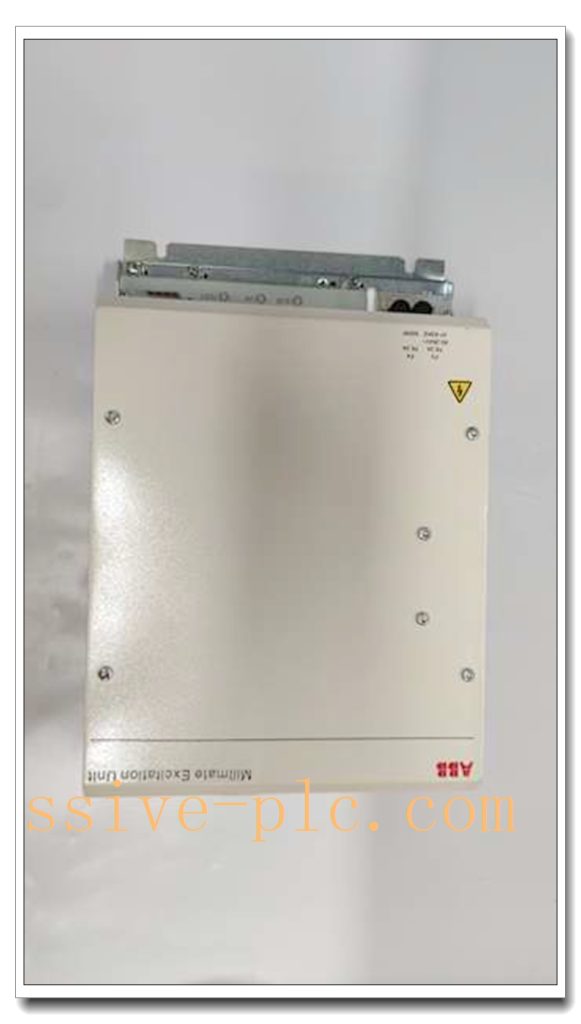
The PFV1401 is a high-performance, industrial-grade functional module developed for precision mechanical transmission and fluid control systems. Adopting optimized integrated structural design and high-strength engineering materials, this product features outstanding stability, low noise operation, and long service life under continuous working conditions. It is engineered to adapt to complex industrial operating environments, effectively reducing system operation failure rates and maintenance costs while ensuring consistent output accuracy. With compact dimensions and high compatibility, the PFV1401 supports modular assembly and flexible system expansion, making it a core universal component for automated production, fluid delivery, and precision control equipment.
Main Technical Specifications
- Rated Operating Voltage: 24V DC (±10% tolerance)
- Rated Working Current: ≤1.2A
- Operating Pressure Range: 0.1MPa – 1.6MPa
- Operating Temperature Range: -20℃ to +80℃
- Response Time: ≤20ms
- Repeat Positioning Accuracy: ±0.02mm
- Continuous Working Life: ≥10 million cycles
- Protection Grade: IP65
- Installation Dimension: 140mm × 105mm × 48mm
- Net Weight: 0.85kg
- Working Humidity: 5% – 95% RH (non-condensing)
- Material: Aluminum alloy anodized shell, high-temperature resistant rubber seal, precision steel transmission core
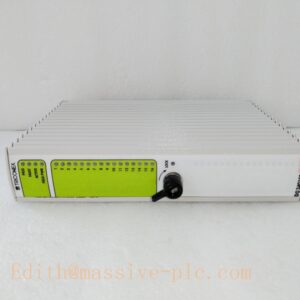
PFV1401
Recommended Homologous Series Models
To meet differentiated application demands of different load capacities, precision requirements and system scales, the following models from the same product series are recommended for matching and alternative selection:
- PFV1201: Standard basic model with compact structure, suitable for light-load and low-frequency operating scenarios. It retains the core performance of the PFV series, with lower power consumption and cost-effective advantages, ideal for small automated equipment and auxiliary control systems.
- PFV1402: Enhanced upgraded model of PFV1401, with increased load capacity and upgraded pressure resistance up to 2.0MPa. It supports high-frequency continuous operation and is applicable for medium-load industrial production lines.
- PFV1601: High-precision heavy-duty model, adopting ultra-precision machining process, with positioning accuracy improved to ±0.01mm. Equipped with enhanced heat dissipation structure, it adapts to long-term high-intensity working conditions of heavy-load precision equipment.
- PFV1401S: Special waterproof and dustproof customized model, upgraded to IP67 protection grade, suitable for outdoor, dusty and humid harsh working environments.
Professional Quality Control & Test Standard Operating Procedures (SOP)
4.1 General Test Standards
All PFV1401 products are tested in strict accordance with ISO9001 quality management system standards and industrial mechanical component inspection specifications. All test procedures, data records and qualification judgments comply with IEC industrial equipment safety standards to ensure full compliance with industrial batch application requirements.
4.2 Core Test SOP
- Appearance & Structural Inspection: Check the shell for scratches, deformation and oxidation; verify the integrity of sealing parts and mounting holes; confirm consistent structural dimensions with design drawings, with dimensional tolerance strictly controlled within ±0.1mm.
- Electrical Performance Test: Conduct voltage and current stability tests under rated and extreme working conditions; detect circuit conduction and insulation performance to ensure no short circuit, open circuit or leakage; verify that current fluctuation is within ±5% during continuous operation.
- Pressure Resistance & Sealing Test: Perform static pressure holding test at 1.8MPa for 30 minutes; observe no pressure drop, air leakage or liquid leakage; conduct cyclic pressure impact test for 10,000 times to verify structural sealing stability.
- Precision Calibration Test: Use high-precision laser calibrator to detect positioning accuracy and response speed; record full-load and no-load operating data to ensure all indicators meet technical specification standards.
- Durability Aging Test: Conduct 500-hour continuous full-load aging operation; monitor temperature rise, noise and performance attenuation; qualified products show no abnormal noise, structural jitter or performance degradation after aging.
- Environmental Adaptability Test: Complete high and low temperature cycle test, humidity resistance test and dustproof and waterproof test according to protection grade standards to verify stable operation in the specified environmental range.
New Module Installation Guidelines
5.1 Pre-installation Preparation
Confirm that the product model is complete and accessories are intact; check that the installation working surface is flat, clean and free of burrs, oil stains and impurities; ensure the power supply and pipeline system are in a power-off and pressure-relief state to avoid safety accidents; prepare standard mounting tools, torque wrenches and calibration instruments.
5.2 Installation Steps
- Fix the PFV1401 module on the reserved mounting position, adjust the horizontal and vertical level to ensure no installation deviation, and preliminarily fix the mounting bolts.
- Calibrate the module installation position with a precision level meter to ensure the installation flatness error is less than 0.03mm/m, then lock the bolts with standard torque to avoid loose installation caused by excessive or insufficient torque.
- Connect electrical wiring in strict accordance with the wiring diagram, distinguish positive and negative poles and signal interfaces, fix the wiring terminals firmly, and do not expose bare wires.
- Connect fluid or transmission pipelines, check the sealing connection points, and install gaskets and sealing rings in place to ensure tight connection.
- After installation, conduct manual debugging first to confirm flexible module operation without jamming or abnormal resistance.
5.3 Post-installation Debugging
Power on the equipment, perform no-load test operation for 10 minutes, observe the module’s operating noise, temperature rise and signal response; then conduct graded load test from low load to full load, verify that pressure, accuracy and response speed meet the standard requirements; after confirming stable operation without abnormality, the installation is completed.
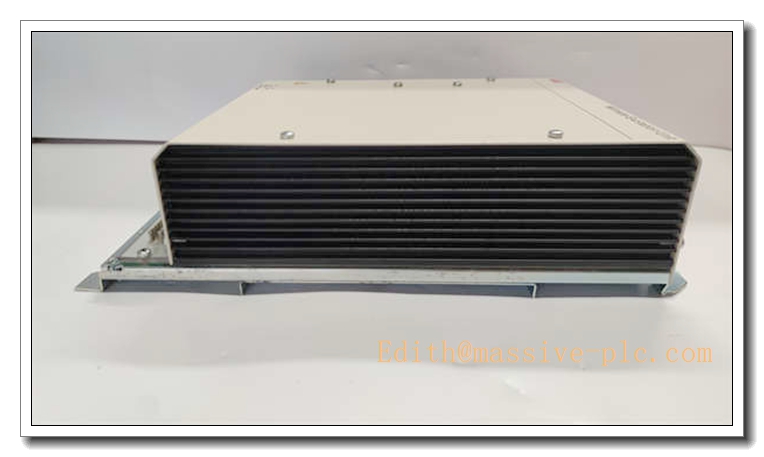
PFV1401
Application Scenarios & Product Features
6.1 Core Application Scenarios
- Industrial Automated Production Line: Applied to precision positioning and transmission control of assembly, sorting, stamping and handling equipment, ensuring high-precision and high-stability operation of automated processes.
- Fluid Control System: Used for quantitative delivery, pressure regulation and switch control of gas and liquid fluids in chemical, food, pharmaceutical and environmental protection equipment.
- Precision Mechanical Equipment: Served as the core control module of testing instruments, precision processing equipment and automated testing equipment to guarantee equipment operation accuracy.
- Intelligent Logistics Equipment: Applied to power transmission and position control of automated conveying and sorting equipment in warehousing and logistics industry.
- New Energy & Electronic Manufacturing: Adapted to high-precision and low-interference working environments of battery manufacturing, electronic component processing equipment.
6.2 Product Core Features
- High Operational Stability: Adopts integrated anti-shock structure and high-quality sealing materials, effectively resisting vibration and environmental interference, with extremely low failure rate in continuous industrial operation.
- High Precision & Fast Response: Optimized internal transmission structure and control algorithm realize millisecond-level response and high repeat positioning accuracy, meeting precision production demands.
- Strong Environmental Adaptability: Wide temperature and humidity working range plus IP65 high protection grade, adaptable to various complex and harsh industrial environments.
- Modular & Easy Maintenance: Standard modular design supports quick disassembly, replacement and expansion, greatly reducing equipment maintenance time and cost.
- Low Energy Consumption & Long Service Life: Low-power operating design and wear-resistant structural materials achieve long-cycle stable operation and reduce equipment energy consumption and replacement frequency.
Frequently Asked Questions (FAQ)
- Q1: The module operates with abnormal noise during use A1: Check whether the installation bolts are loose and the internal transmission structure is stuck; confirm that the operating pressure is within the rated range and there is no impurity blockage in the pipeline; if abnormal noise persists, disassemble and clean the internal structure or replace the sealing and wear-resistant parts.
- Q2: Slow response speed and reduced positioning accuracy A2: Verify whether the input voltage and working pressure meet the rated standards; check for pipeline leakage and signal interface poor contact; calibrate the module precision again, and replace aging internal parts if the equipment has been used for a long time.
- Q3: Liquid or gas leakage at the connection part A3: Turn off the power and relieve pressure immediately; check whether the sealing ring and gasket are aging, deformed or incorrectly installed; re-lock the connecting pipeline and replace damaged sealing accessories to ensure tight connection.
- Q4: Module overheating during continuous operation A4: Confirm long-term operation is not under overpressure and over-load conditions; check whether the heat dissipation structure is blocked by dust; properly reduce continuous load operation time, and clean the heat dissipation parts regularly.
- Q5: The module cannot be started after installation A5: Check whether the power supply voltage and wiring are correct, without open circuit or reverse connection; confirm the system pressure is in the start-up range and the installation structure is not jammed; troubleshoot circuit and system linkage faults one by one.
- A6: The standard is applicable to -20℃~+80℃ and non-condensing humid environments. For long-term high-temperature (above 80℃) and high-humidity condensing scenarios, it is recommended to select the customized PFV1401S enhanced model.

 Start Chat