
Description
Abaco Systems XVR16 6U VME Single Board Computer — 4th Gen Intel Core i7 Haswell, Dual PMC/XMC Sites, Rugged Embedded SBC
SEO / Short Titles
- XVR16 6U-VME-SBC | Abaco Rugged VMEbus SBC with Intel Core i7 Quad-Core, DDR3 ECC Memory
- Abaco XVR16 Single-Slot 6U VME SBC, Haswell CPU, Dual Mezzanine Expansion for HPEC & C4ISR
- Rugged 6U VME Single Board Computer XVR16, Air / Conduction Cooled, VME Tsi148 Bus Controller
Abaco XVR16 6U-VME-SBC
Product Overview
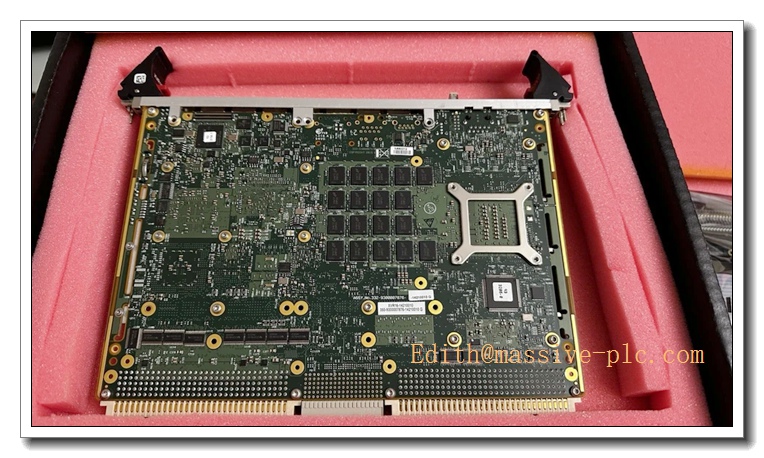
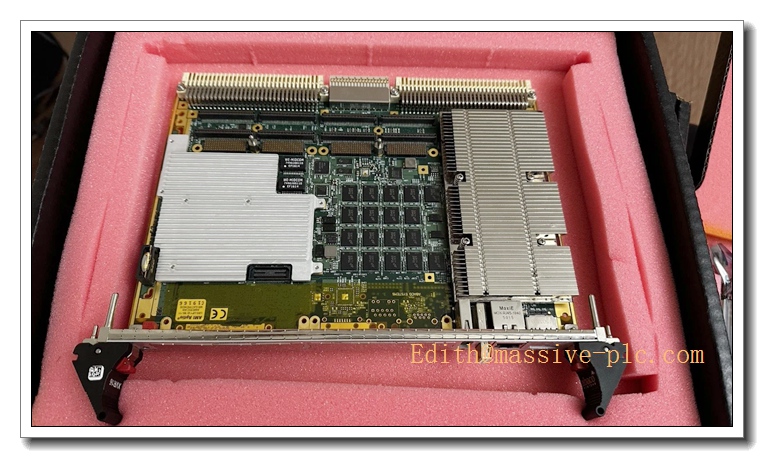
The XVR16 is a single-slot 6U VME rugged single board computer (SBC) manufactured by Abaco Systems, built around the 4th Generation Intel Core i7 (Haswell) quad-core processor paired with Intel QM87 mobile chipset. It delivers high CPU and graphics performance while retaining full VMEbus compatibility, serving as a drop-in upgrade for legacy XVR14/XVR15 VME systems without major chassis or backplane redesign.
The processor integrates quad-core compute engine, memory controller and GPU in one silicon package, delivering high on-board and off-board I/O bandwidth. The VME bus interface is implemented via Tundra Tsi148 bridge chip. The XVR16 supports soldered dual-channel DDR3L ECC memory, up to 16GB maximum, plus on-board NAND Flash storage up to 64GB and optional SATA storage. It features two PMC/XMC mezzanine expansion sites for custom mission I/O modules, which is one of its key differentiators versus single-mezzanine models such as XVB603.
It supports multiple ruggedization grades, including air cooling and optional conduction cooling for severe thermal environments. The companion rear transition module is VTM26, which brings out rear-panel I/O.
Lifecycle note: is in Restricted Production Phase (RPP). Abaco recommends XVR19 as the primary migration replacement for new projects.
Core Hardware Summary
- Processor: 4th Gen Intel Core i7 Quad-Core (Haswell), up to 2.4GHz, 6MB L3 cache
- Chipset: Intel QM87 Express
- Memory: Up to 16GB soldered dual-channel DDR3L with ECC
- Storage: Up to 64GB on-board NAND Flash; optional SATA drive / eSATA
- VME Interface: Tundra Tsi148 VME bridge
- Expansion: 2× PMC/XMC mezzanine sites
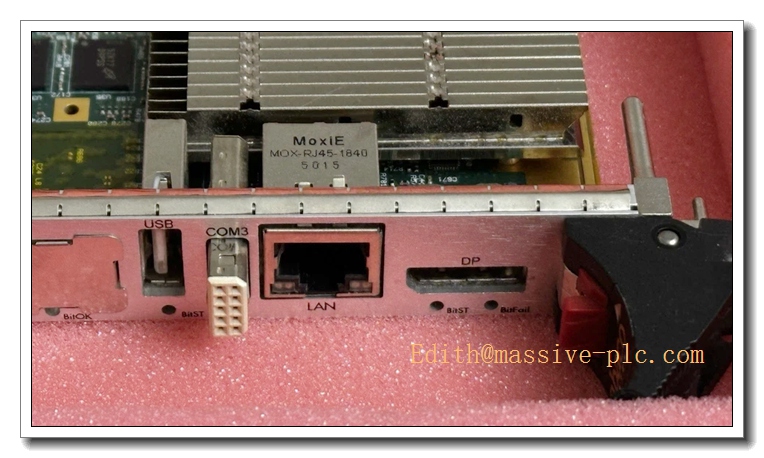
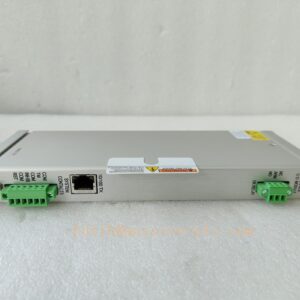
- Front I/O: 2× Gigabit Ethernet, 1× DisplayPort, 1× COM, USB 2.0 / USB3.0 option, eSATA optional
- Rear I/O (via VTM26 RTM): 2× GigE, VGA, DVI dual video, 2× SATA RAID-capable, 2× serial COM, USB 2.0, Audio, 12× GPIO
- OS Support: VxWorks, Linux, Windows 7 / Windows 10, with BIT built-in test software
- Ruggedization: Five ruggedization levels, air-cooled standard, conduction cooling optional; conformal coating available
Applications
The targets rugged embedded high-performance computing (HPEC) in defense, aerospace and industrial mission-critical VME systems:
- Defense & Aerospace: C4ISR, radar & sonar signal processing, electronic warfare, ISR intelligence surveillance reconnaissance, flight simulation, mission computing
- Automatic Test Equipment (ATE): High-performance bench and rack-mounted test systems
- Industrial & Energy: Power plant monitoring, heavy industrial control, offshore marine control systems
- Transportation: Rugged onboard control and data acquisition
- Legacy VME modernization: Direct performance upgrade for existing XVR14 / XVR15 deployed VME chassis, protecting existing backplane investment
Abaco XVR16 6U-VME-SBC
Brand & Same-Series Models
Brand: Abaco Systems (global supplier of rugged embedded computing for aerospace, defense and industrial markets)
| Model | Form Factor | Processor | Mezzanine Sites | Positioning |
|---|---|---|---|---|
| XVR14 | 6U VME | 2nd Gen Intel Core i7 | 2× PMC/XMC | Older predecessor, RPP |
| XVR15 | 6U VME | 3rd Gen Intel Core i7 | 2× PMC/XMC | Mid-generation predecessor, RPP |
| 6U VME | 4th Gen Intel Core i7 Haswell | 2× PMC/XMC | Dual mezzanine high-performance VME SBC, RPP | |
| XVR19 | 6U VME | 7th Gen Intel Xeon E3 v6 | 1× PMC/XMC | Recommended successor for |
| XVB601 / XVB602 / XVB603 | 6U VME | Intel Core i7 / Xeon E3 v6 | 1× PMC/XMC | Single mezzanine VME SBC family |
| XVP14 | 6U VME | Intel high-performance | Multi-site | Dual-slot high-end VME SBC |
Companion hardware: VTM26 Rear Transition Module (RTM), PMC/XMC mezzanine I/O modules, Abaco reflective memory and VME switch boards.
Key Features
- Quad-core 4th Gen Intel Core i7 (Haswell) with integrated GPU and 6MB shared cache, delivering strong signal and graphics processing performance
- Up to 16GB soldered DDR3L ECC memory for high reliability and protection against memory corruption
- Dual PMC/XMC mezzanine slots — supports two custom I/O cards simultaneously, great for multi-function mission systems
- Tundra Tsi148 VME bridge, full VMEbus system controller capability
- Rich multi-display graphics: DisplayPort front panel plus rear VGA / dual DVI via VTM26, supports DX11.1, OpenGL 3.2, OpenCL 1.2
- Flexible storage: Onboard NAND Flash up to 64GB, optional SATA/eSATA and RAID support
- Five ruggedization levels: air cooling standard, optional conduction cooling and conformal coating for harsh environments
- Comprehensive BIT built-in test, watchdog timer, backup BIOS for fail-safe boot
- Broad OS support for real-time and general-purpose embedded operating systems
- Single-slot 6U VME form factor, drop-in upgrade path for XVR14 / XVR15 existing installations
Main Functions
- VME System Controller / Coprocessor: Acts as primary host or secondary compute node on VMEbus for mission command, control and high-speed data processing
- Multi-channel Graphics & Video Processing: Render multiple independent video outputs for cockpit displays, surveillance consoles and simulation systems
- High-bandwidth Data Acquisition: Capture and process radar, sonar and sensor data via dual PMC/XMC mezzanine I/O cards
- Network Communication: Dual front Gigabit Ethernet plus rear GigE through VTM26 for redundant high-speed networking
- Mass Storage & Data Logging: Onboard NAND Flash + SATA storage with RAID capability for persistent mission data recording
- Serial & Discrete I/O: Multiple RS-232/422 serial ports plus 12-channel GPIO for sensor and actuator control
- System Health & Diagnostics: Onboard BIT self-test, watchdog timer, temperature monitoring and status LED indicators
- Expansion Integration: Dual PMC/XMC sites to add MIL-STD-1553, ARINC, high-speed I/O, frame grabbers or additional network modules

 Start Chat