Description
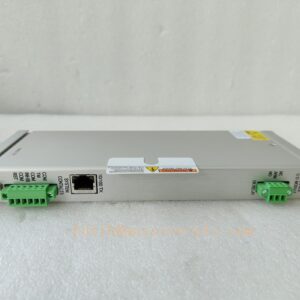
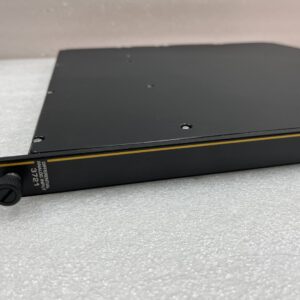
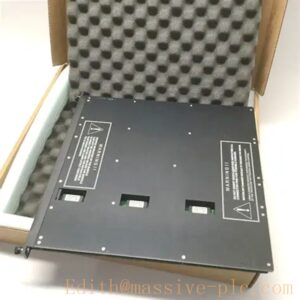
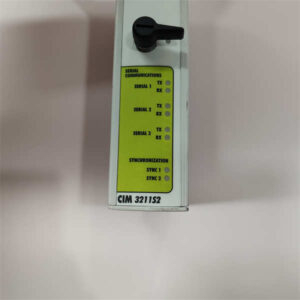
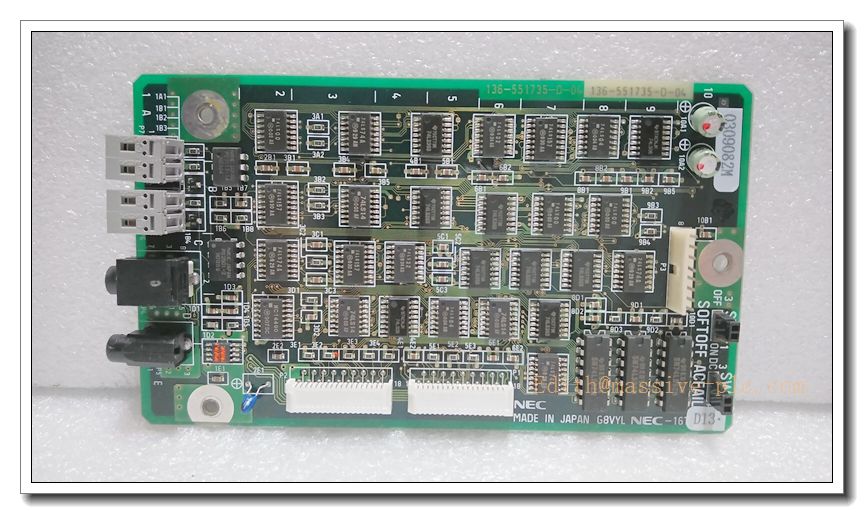
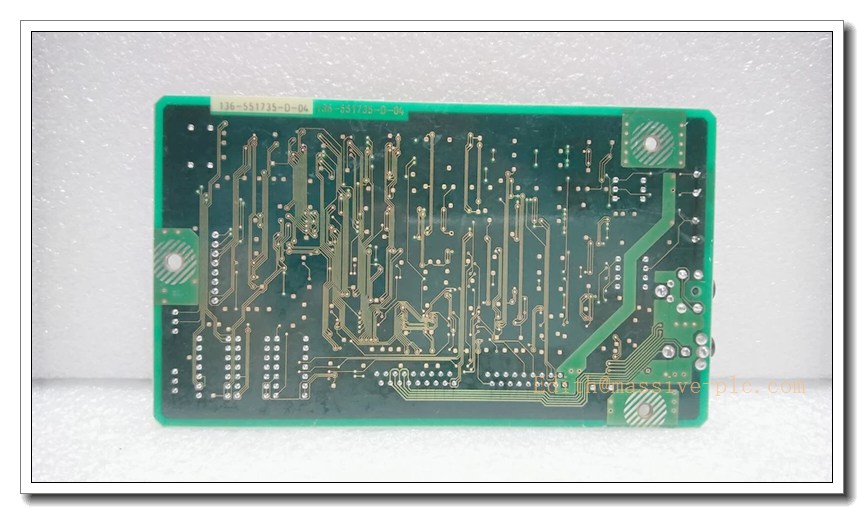
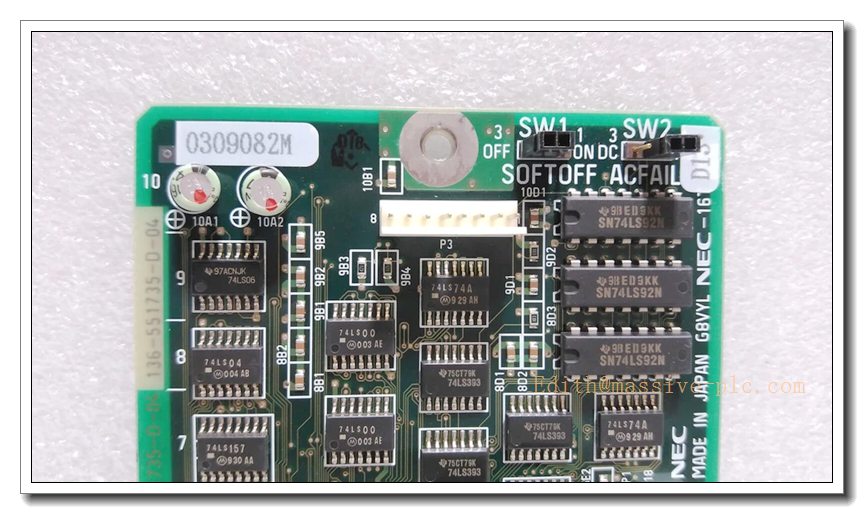
136-551735-D-04 is a high-performance System Command Control Module manufactured by NEC, a leading Japanese industrial automation brand, designed exclusively for complex distributed control systems (DCS) and industrial automation networks. As the core “logic brain” of the entire control architecture, it undertakes system-level instruction parsing, logic operation coordination, and data communication management, ensuring precise control command distribution and real-time field data return. It adopts the unique Direct on-board operation mode to eliminate traditional backplane communication bottlenecks, achieving millisecond-level control logic execution. Widely deployed in heavy-duty industrial scenarios such as petrochemical, thermal power, and metallurgy, it is a critical maintenance spare part for aging NEC DCS systems, with current market prices ranging from US3500toUS7000 per unit.
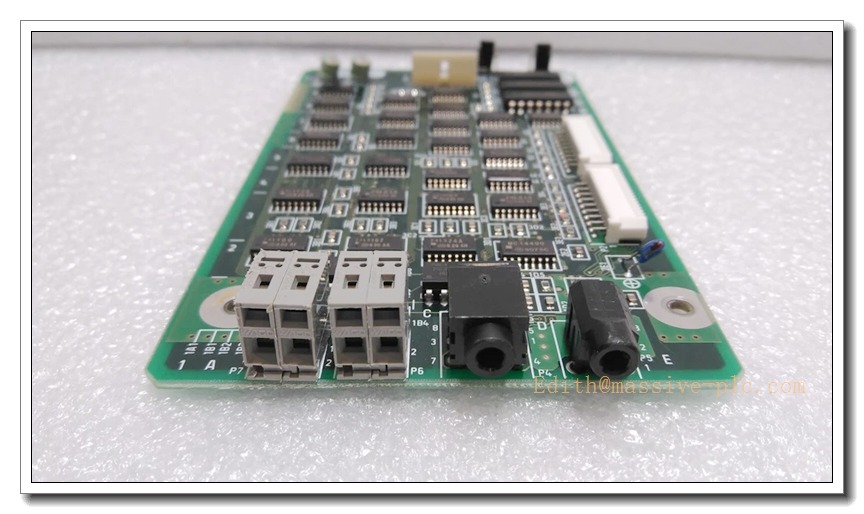
136-551735-D-04
Core Technical Specifications
| Parameter | Details |
|---|---|
| Manufacturer | NEC Corporation |
| Part Number | 136-551735-D-04 |
| Product Type | System Command Control Module for DCS Platforms |
| Rated Operating Voltage | 220 V DC |
| Output Current Range | 4-26 mA (+6% overrange support) |
| Input Current Range | 3-19 mA (+4% overrange support) |
| Continuous Over-Voltage Protection | +42.7 V DC |
| System Memory Capacity | 259 Mb |
| Number of Independent Communication Interfaces | 4 |
| Operation Mode | Direct on-board (no backplane communication bottleneck) |
| Dimensions | 360 mm × 340 mm × 350 mm |
| Product Weight | 7.2 kg |
| Operating Temperature Range | -40°C to +105°C (industrial-grade wide temperature) |
| Dielectric Strength | 500 V AC |
| Rated Current Per Pin | 2 A |
| Product Lifecycle Status | Discontinued / Obsolete (New original and refurbished stock widely available in the market) |
| Standard Warranty | 12 months manufacturer defect warranty |
Key Features & Advantages
- Ultra-Low Latency Logic Execution: The unique Direct on-board operation mode completely eliminates the communication delay bottleneck of traditional backplane transmission, enabling millisecond-level execution of complex control algorithms and safety interlock logic, ensuring that key control loops maintain stable scan periods even under multi-task concurrent conditions.
- Large-Capacity High-Speed Memory: Equipped with 259 Mb of dedicated system memory, it can store massive historical trend data, complex PID control algorithms, and system configuration information, supporting long-term data traceability and fault analysis for large-scale DCS systems with thousands of I/O points.
- High-Precision Analog Signal Processing: The 4-26 mA output (with +6% overrange) and 3-19 mA input (with +4% overrange) design ensures extremely high linearity of control signals, accurately driving various pneumatic valve positioners and analog actuators, avoiding product quality fluctuations caused by control deviation.
- Enhanced Electrical Safety Protection: The built-in +42.7 V DC continuous overvoltage protection circuit effectively resists voltage spikes and surge interference in industrial power grids, protecting internal precision circuits from damage and significantly extending the service life of the module in harsh high-electromagnetic-interference environments.
- Flexible Multi-Interface Expansion: 4 independent communication interfaces support the construction of redundant control networks, operator station connections, and third-party system integration, enabling users to freely build complex industrial automation network topologies without additional gateway modules.
- Extreme Environmental Adaptability: The industrial-grade wide-temperature design supports stable operation in the -40°C to +105°C range, with a rugged black metal shell and full-board three-proof coating, adapting to harsh industrial environments such as high temperature, high humidity, heavy dust, and strong vibration.
Typical Application Scenarios
The 136-551735-D-04 is widely deployed in industrial scenarios that require high-reliability DCS core control:
- Petrochemical Industry: Core instruction control layer for catalytic cracking, ethylene cracking, and atmospheric and vacuum distillation units in oil refineries and chemical plants, coordinating thousands of control loops and safety interlock logic to avoid unplanned shutdown losses.
- Thermal Power Industry: Core processing unit for unit coordinated control (CCS) and auxiliary machinery control systems (BOP) in thermal power plants, perfectly matching the 220 V DC power supply of the plant DC panel, ensuring that key control logic can still be executed even when AC power fails.
- Metallurgy & Heavy Industry: System command processing for large rolling mill main drives and heating furnace control systems in metallurgical plants, supporting long-term high-load continuous operation of heavy industrial equipment.
- Legacy System Retrofit: As an original spare part for aging NEC DCS systems, it restores the original full control functions of old equipment without replacing the entire DCS platform, saving millions of dollars in system renovation costs for factories.
Installation & Maintenance Guidelines
- Before installation, confirm that the on-site power supply voltage is within the specified 220 V DC range, and strictly follow ESD anti-static operation specifications to avoid electrostatic damage to precision electronic components on the board.
- After installation, check that all 4 communication interfaces and backplane connection terminals are securely connected, and the tightening torque meets the standard requirements to prevent signal loss or control misoperation caused by loose wiring.
- Regularly check the operating status of the module through the upper DCS system, and clean the dust accumulated on the surface of the module quarterly to maintain good heat dissipation performance.
- Keep the internal ventilation of the control cabinet unobstructed to ensure that the heat generated during high-load operation can be dissipated in time, extending the service life of the module.
- For critical production lines, it is recommended to prepare spare units in advance to avoid long-term shutdown losses caused by unexpected failures.