
Description
Product Overview
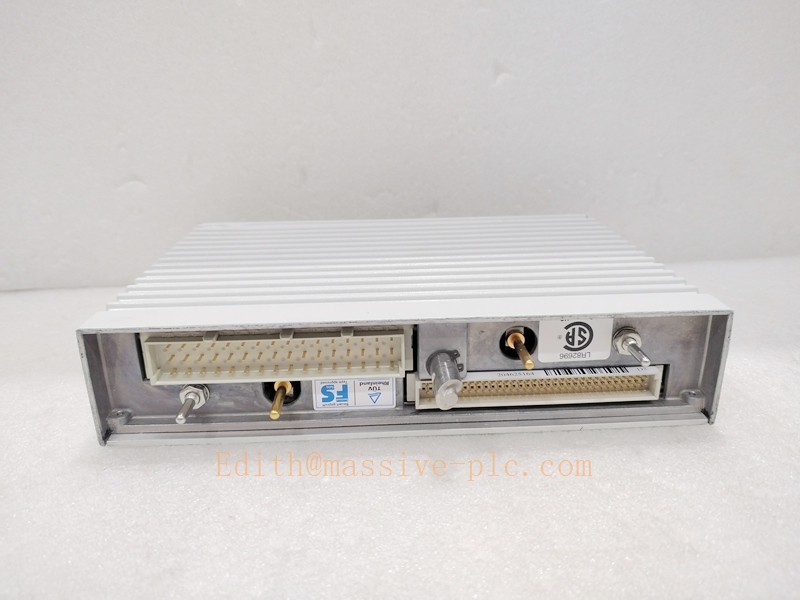
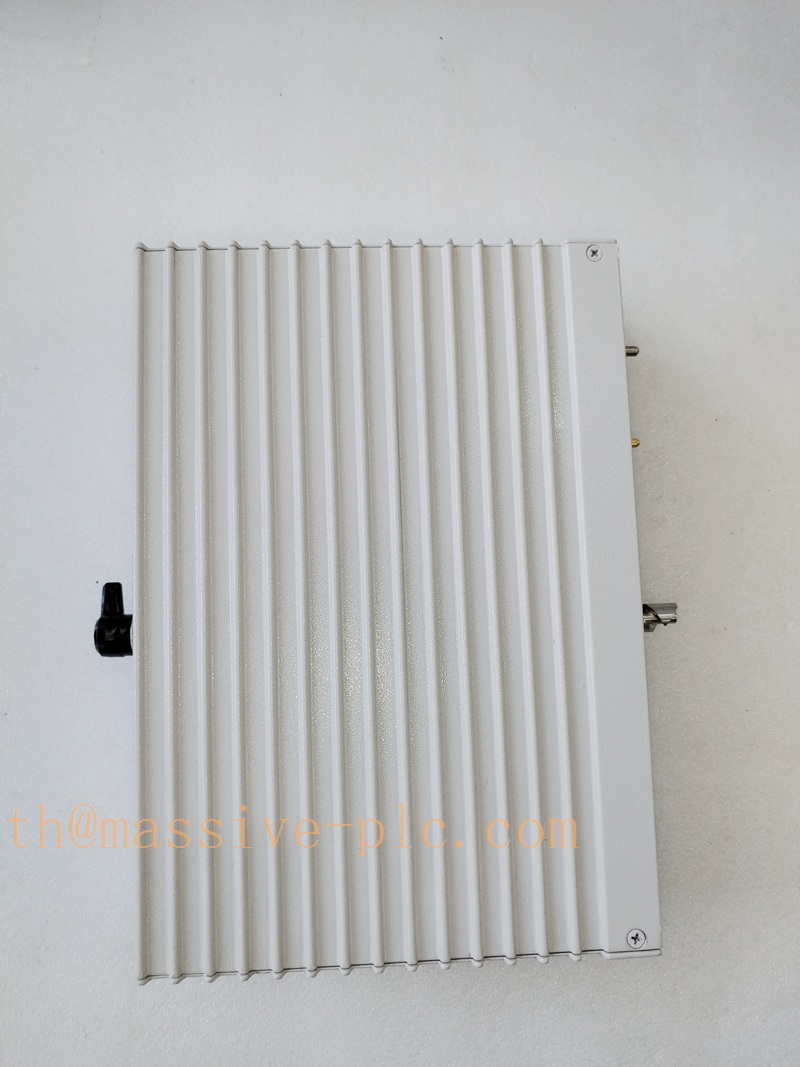
The TRICONEX PI3351 is a high-performance 8-Channel Pulse Input Module designed for the Tricon Safety Instrumented System (SIS). As a specialized I/O component, it is engineered to interface with field devices such as flow meters, turbine speed sensors, and tachometers, converting high-frequency pulse signals into digital data for the main processor. This module is essential for precise flow totalization, rotational speed monitoring, and overspeed protection in mission-critical turbomachinery control applications.
Technical Specifications & Parameters
| Parameter | Specification |
|---|---|
| Module Type | 8-Channel Pulse Input Module |
| Signal Type | Pulse/Frequency Signals (Supports TTL, Magnetic, Optical) |
| Channel Count | 8 Independent, Non-Shared Channels |
| Frequency Range | 20 Hz to 20,000 Hz (High-Precision Band) |
| Safety Integrity | IEC 61508 SIL3 Compliant |
| Redundancy | Triple Modular Redundant (TMR) Architecture |
| Accuracy | ±0.01% (1kHz-20kHz); ±0.1% (100-999Hz) |
| Diagnostics | Supports Force-to-Value (FVD) and Loop Open Detection |
| Mounting | Standard Tricon Rack Slot Installation |
Key Features
- High-Precision Frequency Measurement: Designed for high-speed pulse signals, maintaining an exceptional accuracy of ±0.01% in the 1kHz to 20kHz range, making it ideal for rotational speed monitoring and high-precision flow metering in turbomachinery control.
- TMR Fault Tolerance: Operates within the Tricon TMR architecture, where three independent processor channels process pulse data in parallel and vote on results. This ensures continuous safe operation and prevents spurious trips even if a single channel fails.
- Intelligent Diagnostics: Features built-in microprocessors to continuously monitor the health of each channel. It can detect and isolate faults such as open or short circuits, triggering alarms and recording detailed diagnostic data to distinguish between field instrument issues and module hardware failures.
- Seamless System Integration: As a native Tricon I/O module, it communicates with the main processor (e.g., MP3101S2) via the dedicated TriBus, ensuring real-time synchronization of pulse data without the need for additional signal conditioning equipment.
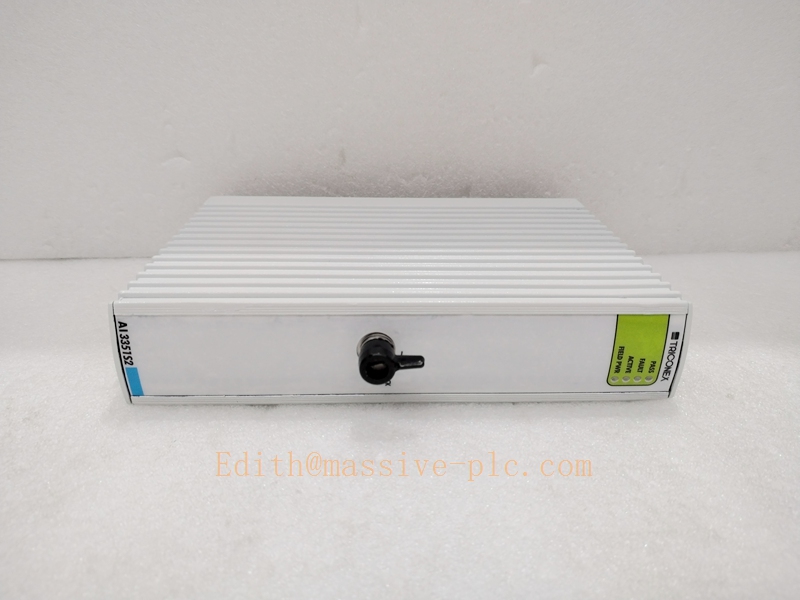
TRICONEX 3351S2
Installation Guidelines
- Signal Wiring & Shielding: Pulse signals are highly sensitive to Electromagnetic Interference (EMI). Always use twisted-pair shielded cables and ensure the shield is properly grounded at the control cabinet side to prevent interference from variable frequency drives or high-power motors.
- Grounding Check: Verify the ground potential difference between the field sensor and the control system. Excessive potential differences can cause signal drift or damage the input circuit; signal isolators may be required if necessary.
- Frequency Range Verification: Before configuration, confirm that the maximum output frequency of the field sensor falls within the module’s effective range (20Hz-20kHz). Signals outside this range may be detected but accuracy cannot be guaranteed.
- Rack Installation: Insert the module into a compatible Tricon rack slot, ensuring it is securely seated and locked in place for reliable backplane communication.
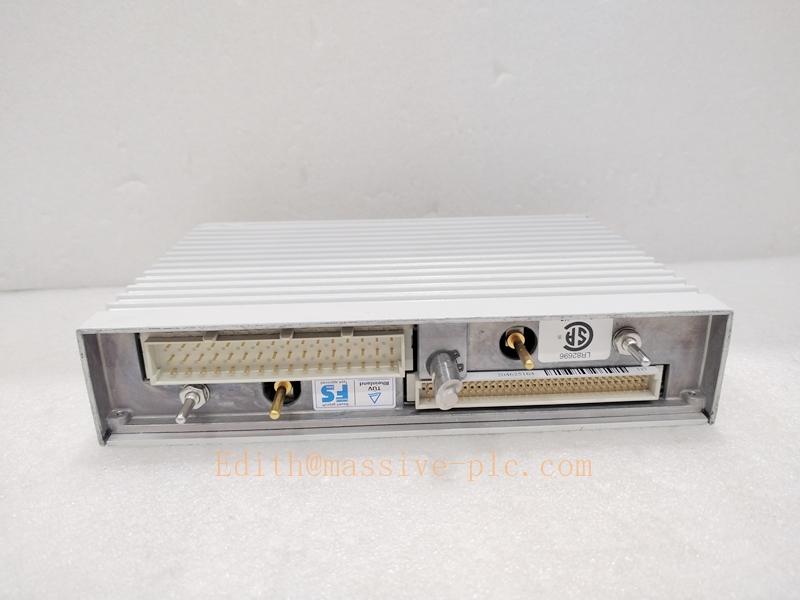
TRICONEX 3351
Related Series Models
The PI3351 is part of the broader Tricon I/O family. Common related models include:
- 3351: The base model pulse input module, often used interchangeably with PI3351 in documentation.
- 3721 / 3805E: Analog and Digital I/O modules frequently paired with the PI3351 in mixed I/O racks for comprehensive process monitoring.
- 3503E: Digital Input modules that complement the PI3351 in safety system designs requiring both discrete and pulse signal acquisition.
- MP3101S2: Main Processor Module that typically manages the data acquired by the PI3351.

 Start Chat