
Description
TRICONEX 5301 TMR Communication Module Product Introduction
Product Overview
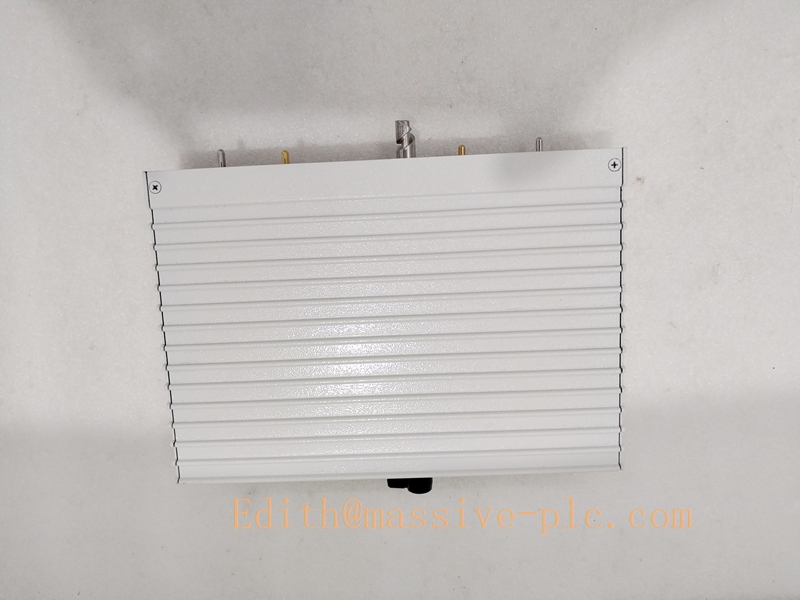
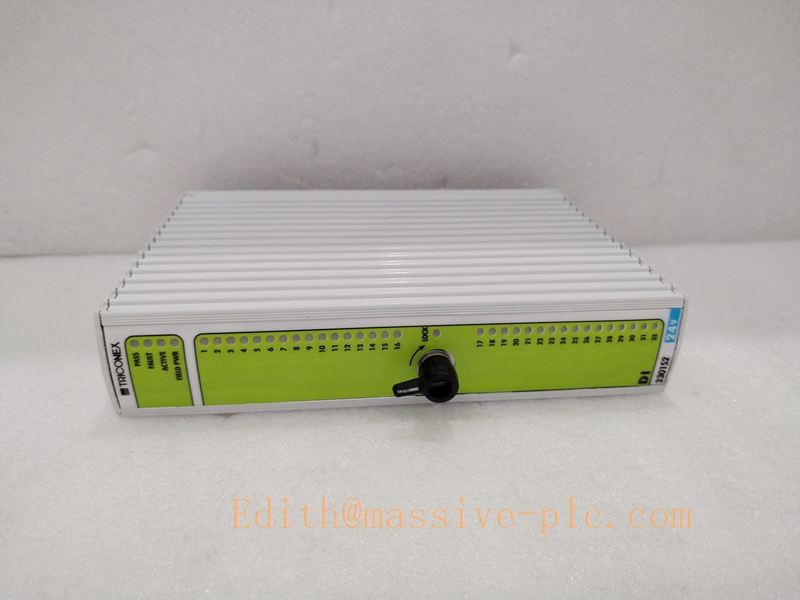
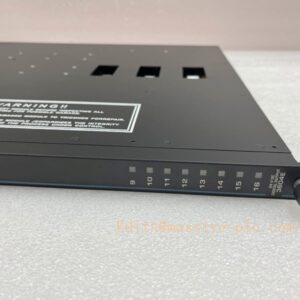
The TRICONEX 5301 is a high-reliability TMR (Triple Modular Redundancy) Communication Interface Module designed exclusively for Tricon and Trident Safety Instrumented Systems (SIS). As the core data transmission gateway of the Tricon safety system, it undertakes high-speed data interaction between the SIS main control rack, remote racks, upper monitoring stations, DCS systems and third-party industrial equipment.
Adopting a full triple-modular redundant hardware architecture and 2oo3 fault-tolerant voting logic, the 5301 completely eliminates single-point communication failure, data loss and transmission distortion risks. It supports multi-industry standard communication protocols, features ultra-stable long-distance transmission, full-link fault self-diagnosis and online hot-swap functions. Certified with IEC 61508 SIL 3 functional safety and TÜV safety approval, the module ensures uninterrupted and accurate data transmission for high-risk industrial safety loops, and is widely used in ESD emergency shutdown, FGS fire and gas monitoring and process safety interlock systems.
Same-Series Model Classification & Peer Models
The TRICONEX 5301 belongs to the Tricon 53xx TMR Communication Series, positioned as a universal high-stability safety communication module, serving as the standard data interaction gateway for classic Tricon SIS systems, with clear differentiated positioning among peer products:
2.1 Product Positioning: Standard TMR redundant communication interface module, dedicated to internal system bus communication and external protocol data transmission, optimized for long-term stable data interaction of traditional Tricon racks, with strong compatibility and low failure rate.
2.2 Same-Series Typical Peer Models
5302: Enhanced high-speed communication module with higher transmission bandwidth and faster data refresh rate, suitable for large-scale multi-point data centralized transmission scenarios.
5311: Extended multi-protocol communication module, supporting more third-party device docking protocols, suitable for complex cross-system data interaction scenarios.
4355X: New-generation intelligent communication module, adapted to upgraded Trident systems, with richer diagnostic functions and network management capabilities, different from 5301 classic universal positioning.
3008 Main Processor: Matched core processing unit, forming a complete system operation and data transmission architecture with 5301 communication module.
2.3 System Compatibility: Fully compatible with classic Tricon series racks, perfectly matched with 3008/3006 main processor modules, supporting full-version TriStation 1131 configuration, online debugging and data monitoring, plug-and-play replacement for old system communication modules.
TRICONEX 3301S2
Core Technical Specifications & Product Specifications
| Parameter Item | Technical Specifications |
| Product Model | 5301 TMR Communication Interface Module |
| Safety Architecture | Full Triple Modular Redundancy (TMR), 2oo3 fault-tolerant voting mechanism |
| Core Function | System internal bus communication & external device data transmission |
| Supported Protocols | TriStation proprietary protocol, standard industrial communication protocols |
| Transmission Stability | Zero data packet loss, ultra-low transmission delay |
| Diagnostic Function | Full-link communication fault, signal interruption, data abnormality real-time diagnosis |
| Safety Certification | IEC 61508 SIL 3, TÜV Functional Safety Certified |
| Hot-Swap Function | Support online hot-swap replacement, zero downtime maintenance |
| Isolation Performance | Electrical isolation between communication link and system bus, anti-interference and anti-surge |
| Working Voltage | 10.5VDC ~ 30VDC industrial wide voltage power supply |
| Operating Temperature | -40℃ ~ +70℃ ultra-wide industrial temperature range |
| Working Humidity | 5%~95% RH, non-condensing |
| Industrial Grade | G3 harsh environment grade, enhanced EMC anti-interference design |
| Transmission Mode | Full-duplex synchronous high-speed data transmission |
| Fault Tolerance Capability | Single-channel communication fault does not affect overall data transmission |
Core Product Features
4.1 TMR Triple Redundant Fault-Tolerant Communication
The 5301 adopts three fully independent synchronous communication processing channels, executing real-time 2oo3 voting logic for all transmitted data. When a single channel suffers circuit failure, electromagnetic interference or data error, the system automatically isolates the faulty channel and uses normal redundant channels for data transmission. This inherent fault-tolerant design completely eliminates single-point communication failure risks, ensures continuous and stable data interaction of safety systems, and avoids safety misjudgment caused by data interruption or distortion.
4.2 Ultra-Stable Full-Duplex Data Transmission
Supporting full-duplex synchronous high-speed transmission mode, the module realizes real-time two-way data interaction between SIS system and external equipment. It features ultra-low transmission delay and zero packet loss rate, ensuring that field collection signals and safety logic commands are accurately and efficiently transmitted in place. It maintains long-term transmission stability in complex industrial network environments and avoids data delay and deviation affecting safety loop operation.
4.3 Full-Link Intelligent Fault Diagnosis
The 5301 integrates a comprehensive communication link self-diagnosis mechanism, which can real-timely monitor communication disconnection, data abnormality, link interference and module operating status. It automatically generates standard fault codes and detailed event logs, supports local indicator alarm and upper computer remote fault query. It helps operation and maintenance personnel quickly locate network faults, wiring abnormalities and module hidden dangers, greatly improving system troubleshooting efficiency.
4.4 Strong Anti-Interference & Isolation Performance
Adopting professional electrical isolation design between communication links and system internal bus, the module effectively isolates external network surge, electromagnetic crosstalk and signal interference. The enhanced EMC electromagnetic compatibility design adapts to strong interference industrial environments, ensures pure and stable data transmission signals, and prevents external network abnormalities from affecting the normal operation of the SIS main system.
4.5 Zero-Downtime Online Hot-Swap Maintenance
Retaining the series-standard hot-swap function, the 5301 can be inspected, maintained and replaced during normal SIS system operation without rack shutdown, system outage or data transmission interruption. The TMR redundant architecture ensures that the communication function remains complete during maintenance, realizing 24/7 uninterrupted data interaction of industrial safety systems and zero maintenance downtime loss.
4.6 Excellent Harsh Environment Adaptability
Built with industrial-grade anti-aging components and optimized circuit design, the module operates stably in -40℃ to +70℃ ultra-wide temperature range and high-humidity non-condensing environment. It has strong resistance to industrial vibration, dust corrosion and strong electromagnetic interference, adapting to long-term uninterrupted operation in harsh scenarios such as petrochemical, natural gas and thermal power.
4.7 High Compatibility & Easy Operation
The 5301 has perfect hardware and software compatibility with all classic Tricon racks and matching main processor modules. It supports plug-and-play installation and one-click configuration debugging via TriStation 1131 software, with simple operation and low threshold for system integration and equipment replacement. Its stable performance and high fault tolerance rate reduce long-term system operation and maintenance costs.
TRICONEX 3301S2
Industrial Application Scenarios
The TRICONEX 5301 TMR communication module is widely used in SIL3-level high-risk process industrial safety instrumented systems, covering petrochemical, natural gas gathering and transportation, coal chemical, thermal power generation, metallurgy and pharmaceutical industries. It is the core data transmission gateway for safety system internal interaction and external docking.
Specific application scenarios include: data communication between Tricon SIS main rack and remote expansion racks; real-time data interaction between SIS system and DCS monitoring system; parameter transmission and command interaction between safety system and upper engineer station; network data transmission for ESD emergency shutdown logic execution and FGS fire and gas signal linkage. It ensures efficient and accurate data transmission for all links of industrial safety control and monitoring, and is a key guarantee for the stable operation of safety instrumented systems.
Standard Installation Guidelines
6.1 Pre-Installation Preparation
Before installation, verify the 5301 module model and system configuration matching, check the circuit board for damage, pin oxidation and accessory integrity. Completely cut off the rack auxiliary power supply, ensure the installation environment is dust-free, dry and vibration-isolated, and use professional anti-static tools to avoid static damage to internal communication circuits. Prepare standard industrial communication shielded cables to ensure stable network transmission.
6.2 Rack Installation Steps
Adopt standard Tricon rack plug-in installation. Align the module with the rack slot guide rail, push it horizontally and smoothly into the slot until it is closely fitted with the backplane bus, and tighten the fixing screws on both sides of the module to prevent poor contact caused by equipment vibration. Ensure the module is fully inserted in place without offset or virtual connection to guarantee stable bus data interaction and normal operation of TMR redundant communication channels.
6.3 On-Site Wiring Specification
Use dedicated shielded communication cables for network wiring, strictly separate communication signal lines from power lines to avoid electromagnetic crosstalk interference. Standardize wiring sequence and interface docking, ensure firm terminals without bare wire exposure or virtual connection, and mark communication links independently. Complete line continuity test and insulation test after wiring to eliminate hidden dangers such as short circuit and poor contact.
6.4 Post-Installation Debugging
After installation and wiring, power on the rack slowly, observe the module indicator status, and connect TriStation 1131 software for online debugging. Verify communication link connection status, test data transmission stability and real-time performance, confirm the effectiveness of fault diagnosis function, and ensure normal data interaction between the SIS system and external equipment.
Daily Maintenance & Fault Maintenance Guidelines
7.1 Daily Routine Maintenance
Regularly check the module operating status, indicator lights and rack temperature and humidity to ensure operation within the standard environmental range. Regularly clean the module surface and rack internal dust to avoid affecting circuit heat dissipation and communication stability. Inspect wiring firmness and shielding grounding status to prevent network interference and data transmission abnormality. Regularly back up system configuration parameters and communication logs to ensure data traceability.
7.2 Common Fault Diagnosis & Maintenance
Communication Disconnection Fault: Caused by loose wiring, poor interface contact or network line failure. Re-tighten communication terminals, check line integrity and interface docking status, restart the module to restore link connection.
Data Transmission Abnormality: Triggered by electromagnetic interference or configuration parameter error. Optimize on-site shielding grounding, check system communication configuration parameters, eliminate external interference, and recalibrate transmission parameters.
Module Fault Alarm: Query fault codes through upper computer software, locate internal circuit failure or bus abnormality, clean slot pins, restart and reset the module; replace the module if hardware failure occurs.
Intermittent Packet Loss: Caused by aging communication lines or unstable power supply. Replace aging shielded cables, check power supply voltage stability, and eliminate transmission jitter and packet loss problems.
7.3 Hot-Swap Replacement Maintenance
For unreparable faulty modules, perform online hot-swap replacement without system shutdown. Loosen fixing screws, smoothly pull out the faulty 5301 module, insert the new module in place and lock tightly. The system automatically completes configuration matching and communication link synchronization. After replacement, test data transmission stability and fault diagnosis functions to ensure normal system communication operation.
7.4 Spare Module Storage & Aging Maintenance
Spare 5301 modules need to be stored in a constant-temperature, dry, dust-free and anti-static environment to avoid moisture and static damage to precision communication circuits. For long-term operating modules, regularly check communication sensitivity, link stability and fault diagnosis functions, and replace aging modules in advance to prevent system communication interruption.
Common FAQs
8.1 What is the core function of the TRICONEX 5301 module?
The 5301 is a dedicated TMR redundant safety communication module, mainly responsible for internal bus data interaction of Tricon SIS system and stable data transmission between the system and external DCS, upper computer and other equipment. It is the core network gateway to ensure the normal communication and data synchronization of the safety instrumented system.
8.2 What is the advantage of TMR redundant communication design?
The triple-modular redundant design realizes 2oo3 fault-tolerant voting for data transmission. Even if a single communication channel fails, the other two normal channels can still ensure stable data transmission, completely avoiding system communication paralysis caused by single-point faults, and meeting SIL3 high-level safety operation requirements.
8.3 Can the 5301 module be hot-swapped online?
Yes. The 5301 supports standard online hot-swap function. Module replacement will not cause system shutdown, communication link interruption or data loss. The redundant architecture ensures uninterrupted system communication during maintenance, realizing zero-downtime equipment maintenance.
8.4 What scenarios is the 5301 suitable for?
It is widely applicable to all SIL3-level industrial SIS safety systems such as petrochemical, natural gas and thermal power. It is specially used for system internal rack communication and cross-system data docking, and is the preferred universal communication module for classic Tricon safety system matching and old equipment renovation.
8.5 Why does the 5301 have intermittent data packet loss?
Intermittent packet loss is mostly caused by poor on-site shielding grounding, aging communication lines, loose interfaces or unstable power supply. It is necessary to optimize grounding processing, replace aging cables, tighten wiring terminals and stabilize power supply to eliminate transmission abnormalities.
8.6 What is the difference between 5301 and 4355X communication modules?
5301 is a classic universal communication module, focusing on stable basic data transmission, suitable for traditional Tricon old racks. 4355X is a new-generation enhanced communication module with higher bandwidth, richer protocols and stronger network management functions, adapted to upgraded Trident systems. The two are different in positioning and applicable system versions.

 Start Chat