
Description
TRICONEX 5101S2 Communication Module Product Introduction
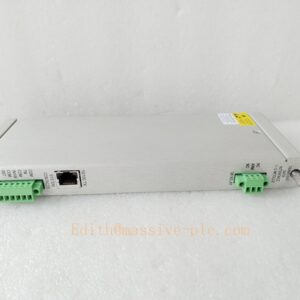
The TRICONEX 5101S2 is a high-integrity, safety-certified dual-protocol communication module designed for Triconex TMR (Triple Modular Redundancy) Safety Instrumented Systems (SIS). Serving as the core data exchange gateway for Tricon safety control systems, this module integrates Ethernet and RS-485 multi-port communication functions, enabling stable data interaction between SIS controllers, field devices, DCS platforms, and upper monitoring systems. With fault-tolerant communication capability, comprehensive diagnostic functions and SIL 3 safety compliance, it ensures continuous, reliable data transmission for critical industrial safety loops.
Product Applications
The TRICONEX 5101S2 is dedicated to safety-critical industrial scenarios that require high-stability, high-reliability system interconnection and data transmission. It is widely deployed in oil & gas, petrochemical, thermal power, chemical processing, pharmaceutical and energy industries, supporting multi-system collaborative safety control. Typical application scenarios are as follows:
- Emergency Shutdown (ESD) System Communication: Realizes real-time data interaction between ESD safety controllers and upper SCADA monitoring systems, uploading equipment operating status, fault alarm information and safety loop data to support remote safety monitoring and emergency scheduling.
- Fire & Gas (F&G) Monitoring Systems: Establishes stable communication links between gas detection devices, fire alarm units and SIS main controllers, ensuring rapid transmission of hazard signals and synchronous execution of linkage protection commands.
- Cross-System DCS & SIS Interconnection: Acts as a protocol conversion gateway for docking Triconex SIS systems with mainstream DCS, PLC and industrial monitoring platforms, realizing data sharing and coordinated control between safety control and conventional process control systems.
- On-Site Field Device Communication: Connects with on-site safety relays, status indicators and intelligent field instruments via RS-485 interface, collecting field operating data and issuing control instructions to complete localized safety monitoring.
- Turbine & Power Equipment Safety Control: Supports data transmission for turbine control systems and high-integrity pressure protection systems (HIPPS), ensuring high-precision and low-delay communication for power equipment safety protection loops.
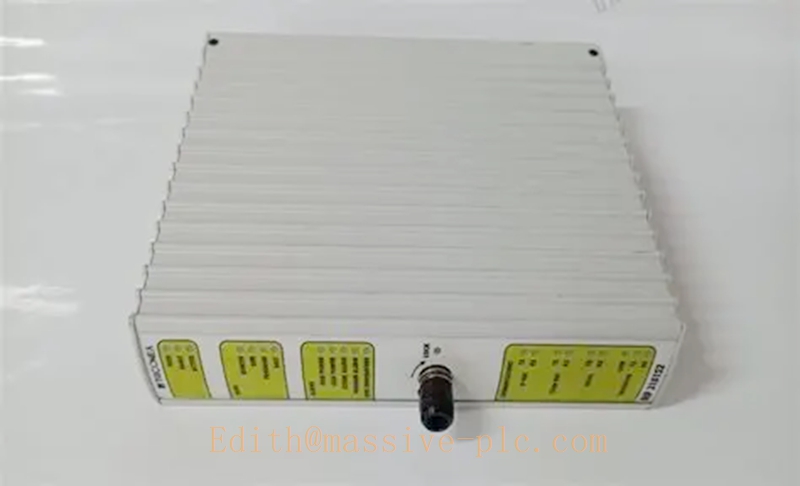
TRICONEX 3101S2
Technical Specifications & Parameters
The TRICONEX 5101S2 features industrial-grade multi-interface communication design, with standardized electrical, environmental and mechanical parameters, adapting to harsh industrial operating conditions and meeting high-standard safety communication requirements. Detailed specifications are listed below:
2.1 Communication & Electrical Parameters
- Module Type: TMR safety communication gateway module
- Ethernet Interface: 2 independent 10/100 Mbps adaptive Ethernet ports
- Serial Interface: 1 isolated RS-485 communication port
- Supported Protocols: Modbus TCP, Triconex Tricon Communication Protocol, Modbus RTU
- Rated Power Supply: 24VDC nominal
- Operating Voltage Range: 15VDC to 30VDC industrial wide voltage
- Transmission Mode: Full-duplex high-speed data transmission
- Isolation Design: Complete galvanic isolation for Ethernet and RS-485 ports, isolating external interference and protecting system internal circuits
2.2 Environmental Parameters
- Operating Temperature: -20°C to +60°C
- Storage Temperature: -40°C to +85°C
- Relative Humidity: 5% to 95% (non-condensing)
- Environmental Adaptability: Compliant with IEC industrial vibration and shock resistance standards, with excellent anti-electromagnetic interference and dust-proof performance
2.3 Mechanical & Certification Parameters
- Dimensions: 6.0 × 5.5 × 2.5 inches
- Installation Method: Standard Triconex chassis slot mounting
- System Compatibility: Supports up to 118 matched Triconex analog and digital I/O modules
- Safety Certification: SIL 3 certified per IEC 61508:2010, TÜV, CE, UL compliant
Core Product Features
3.1 TMR Fault-Tolerant Communication Architecture
Built on Triconex exclusive Triple Modular Redundancy technology, the 5101S2 module adopts three independent internal communication processing channels with two-out-of-three voting logic. It realizes fault-tolerant data transmission and signal verification. Single-channel communication failure or data deviation will be automatically identified and masked without interrupting overall system communication, eliminating single-point communication failure risks and ensuring continuous and stable data interaction of safety loops.
3.2 Multi-Interface & Multi-Protocol Compatibility
Integrates dual Ethernet and single RS-485 multi-port design, supporting Modbus TCP, Tricon proprietary protocol and Modbus RTU multi-protocol adaptive switching. It can seamlessly connect upper SCADA, DCS systems and lower field intelligent devices, realizing one-stop protocol conversion and data forwarding, and greatly improving the flexibility and universality of system interconnection.
3.3 Full-Range Intelligent Self-Diagnosis
Equipped with comprehensive real-time diagnostic functions, it can accurately monitor communication port faults, data transmission errors, protocol matching abnormalities, link disconnection and power supply anomalies. All fault information and communication status data are uploaded to the host controller and upper monitoring system in real time, supporting precise fault location, early warning and rapid troubleshooting, and improving system operation visibility and maintainability.
3.4 High Anti-Interference & Stable Transmission Performance
All communication ports adopt independent galvanic isolation design, which effectively isolates external electromagnetic interference, signal crosstalk and power fluctuation interference in industrial environments. The industrial-grade hardware design ensures low-delay, error-free and stable data transmission in long-term continuous operation scenarios, meeting the high-reliability communication requirements of SIL 3 safety loops.
3.5 Online Maintenance & Strong Scalability
Supports online module replacement and hot maintenance without shutting down the SIS system. Module replacement will not affect field wiring and normal operation of other system modules. It can be freely expanded and matched with various Triconex analog/digital I/O modules, supporting peer-to-peer network communication between multiple controllers, with flexible system expansion and upgrade capabilities.
3.6 Strict Safety Compliance
Fully compliant with IEC 61508 functional safety standards and certified by TÜV SIL 3. It strictly follows safety communication specifications in data transmission, verification and fault processing, avoiding data loss, mis-transmission and abnormal linkage risks, and ensuring the safety integrity of industrial critical control systems.
Installation Guidelines
Standardized installation procedures ensure the stable communication performance and service life of the TRICONEX 5101S2 module. On-site installation must comply with the following specifications:
- On-Site Environment Requirements: Install in a sealed, dust-proof and moisture-proof industrial control cabinet, avoiding corrosive gas, strong electromagnetic radiation, oil pollution and direct sunlight. Reserve sufficient heat dissipation space around the module to prevent communication instability caused by overheating.
- Chassis Mounting Operation: Vertically insert the module into the designated slot of the Triconex TMR chassis, ensure accurate docking of the backplane connector, and lock the fixing buckle firmly. Fill idle chassis slots with standard blank panels to ensure chassis air circulation and electromagnetic shielding integrity.
- Communication & Power Wiring: Adopt industrial shielded Ethernet cables and RS-485 dedicated shielded cables for wiring to reduce signal interference. Access stable 24VDC isolated power supply with overcurrent and overvoltage protection. Check all wiring for firm connection, no short circuit, open circuit or virtual connection.
- System Configuration & Debugging: Complete module identification, communication protocol configuration, baud rate and IP parameter setting via TriStation 1131 supporting software after installation. Conduct full-link communication test and diagnostic function verification to ensure smooth data transmission and normal fault reporting.
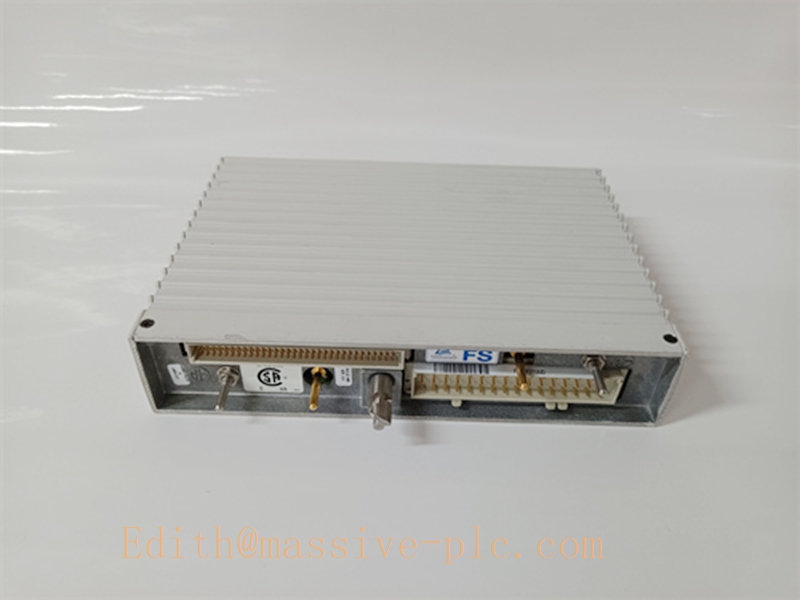
TRICONEX 3101S2
Maintenance & Troubleshooting
Scientific standardized daily maintenance can effectively maintain the long-term stable communication performance of the TRICONEX 5101S2 module, ensure the safety integrity of system data transmission, and reduce communication failure downtime. The specific maintenance specifications and fault handling rules are as follows:
5.1 Routine Maintenance
- Monthly Functional Inspection: Use dedicated Triconex diagnostic software to scan module operating status, check communication link connectivity, data transmission accuracy and historical fault codes, and verify the validity of self-diagnostic functions.
- Quarterly On-Site Inspection: Manually check the tightness of communication wiring and power terminals, clean module and cabinet dust, inspect cable aging and shielding layer damage, and test multi-protocol switching stability.
- Annual Comprehensive Calibration: Conduct full performance detection of communication ports, verify TMR communication voting accuracy, data transmission real-time performance and anti-interference capability, and eliminate potential wiring and hardware hidden dangers.
5.2 Common Fault Handling Rules
- Single-Port Communication Abnormity: The module automatically shields the faulty port through TMR voting, and other ports work normally. Troubleshoot cable damage, protocol mismatch or IP configuration errors to restore communication functions.
- Data Transmission Delay & Packet Loss: Prioritize checking cable shielding performance, on-site electromagnetic interference and network bandwidth load; optimize configuration parameters or replace faulty cables if necessary.
- Communication Voting Mismatch Fault: Check backplane connection stability and power supply quality first; if the fault persists after eliminating on-site wiring problems, replace the module for offline maintenance.
- Operation Prohibition: Hot plugging is prohibited during system normal operation to avoid backplane circuit damage and system communication interruption.
5.3 Service Life & Replacement Standard
The TRICONEX 5101S2 module has a design service life of more than 10 years under standard industrial operating conditions. For modules with frequent communication faults, unstable data transmission or aging hardware after long-term operation, timely replacement is recommended to ensure the long-term SIL 3 safety integrity of the entire SIS system.
Similar Series Models
TRICONEX TMR safety system communication and I/O modules form a complete supporting product line. The mainstream similar and matching models of the 5101S2 communication module are listed below for system configuration, replacement and expansion reference:
- TRICONEX 5101: Standard version communication module with basic Ethernet and serial communication functions, suitable for conventional safety system interconnection scenarios.
- TRICONEX 5201S2: Enhanced high-speed communication module, supporting higher network bandwidth and more communication links, applicable to large-scale multi-device interconnected systems.
- TRICONEX 3301: Classic 32-channel digital input module, matched with 5101S2 to complete field signal acquisition and remote data transmission.
- TRICONEX 3411: High-reliability SDO digital output module, cooperating with 5101S2 to realize remote command transmission and safety actuator control.
- TRICONEX 3501: Analog input module, supporting analog signal collection and uploading via 5101S2 communication links.
Product Summary
The TRICONEX 5101S2 is a high-performance TMR safety communication gateway module dedicated to industrial SIS safety instrumented systems. Adopting triple modular redundant fault-tolerant architecture and multi-interface multi-protocol integration design, it integrates stable data transmission, intelligent fault diagnosis and strong anti-interference capability. It serves as the core data interaction hub between SIS controllers, field equipment and upper monitoring platforms, ensuring efficient, accurate and safe data transmission of industrial safety loops. With reliable safety performance, excellent environmental adaptability and convenient maintenance and expansion characteristics, it is widely applied in high-risk process industries and has become an indispensable core component of Triconex TMR safety control systems.

 Start Chat