Description
Product Core Overview
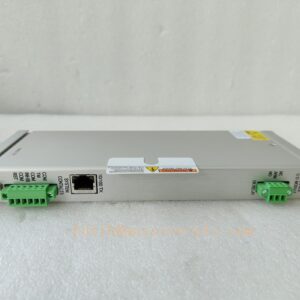
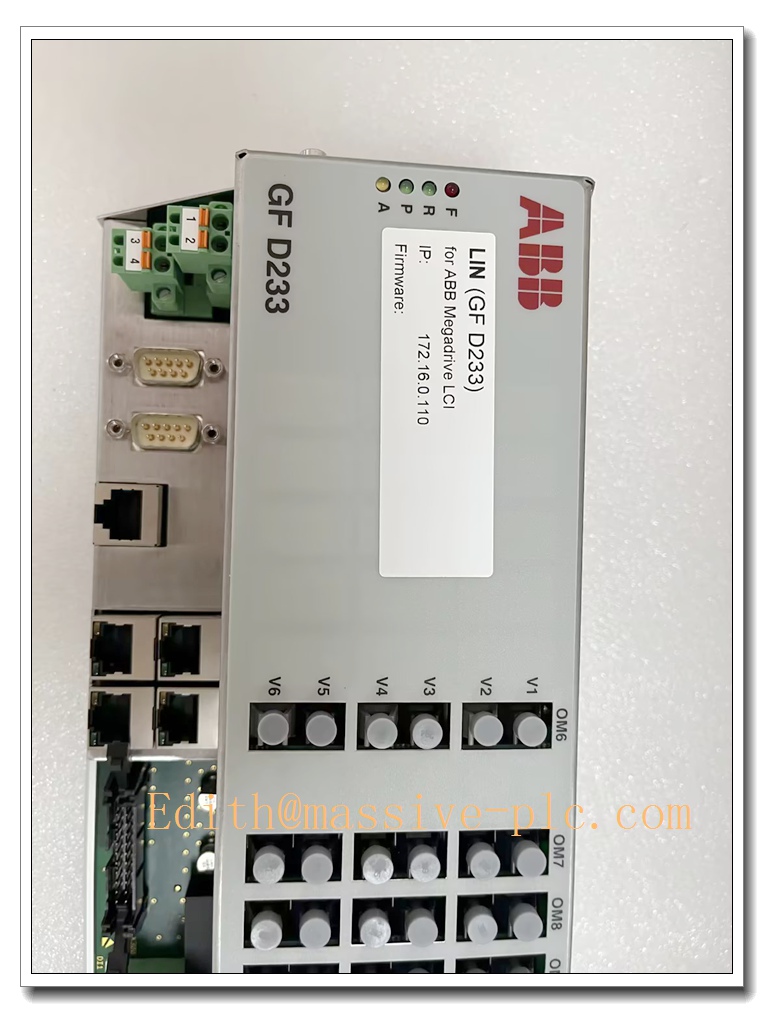
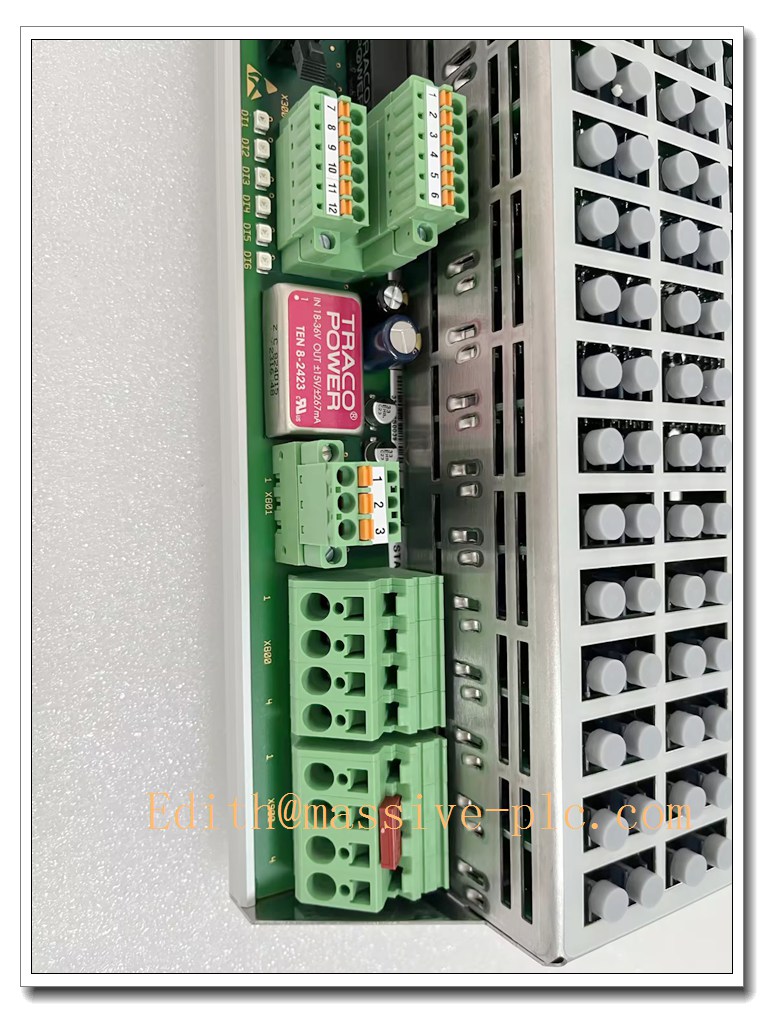
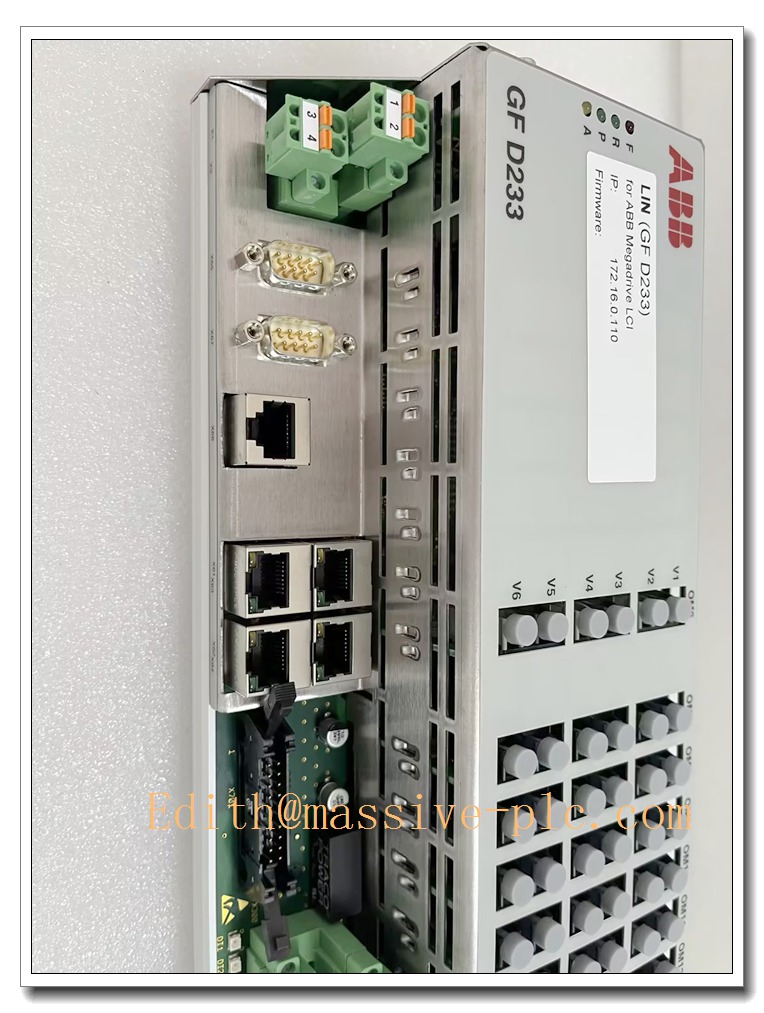
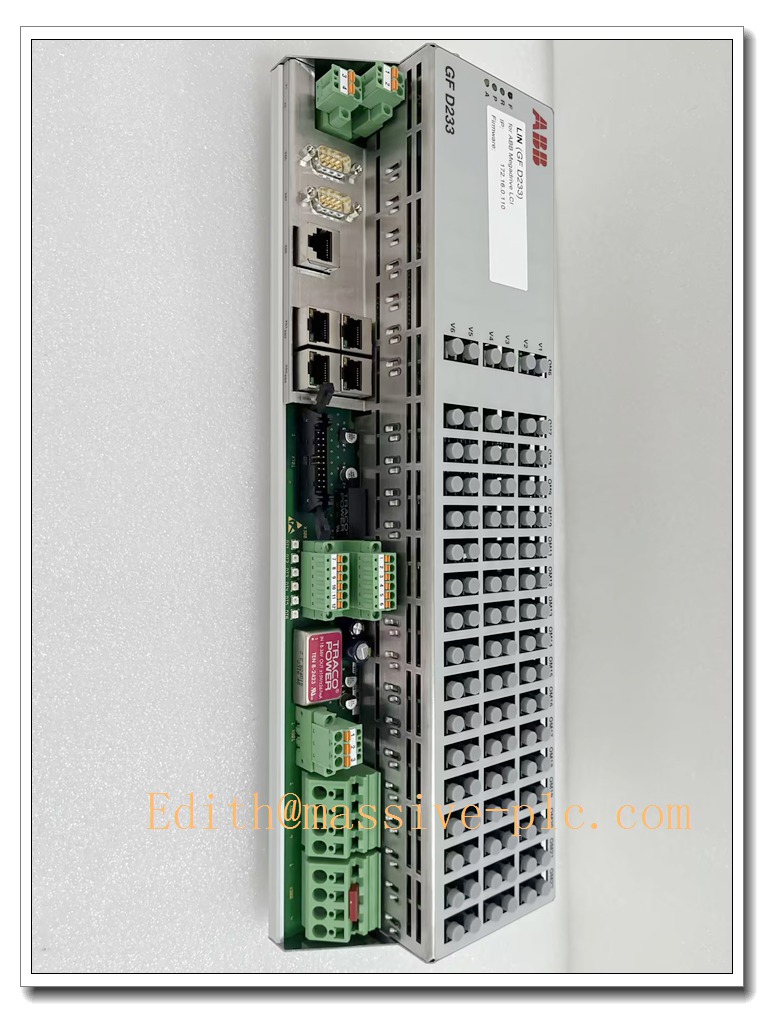
The ABB GFD233 3BHE022294R0103 (full part identifier GFD233A103) is a high-performance excitation controller module belonging to ABB’s industrial generator excitation control system platform. As the core processing unit for synchronous generator and motor excitation regulation, it precisely controls excitation current and voltage to dynamically adjust generator output voltage, reactive power and power factor, ensuring stable grid-connected operation under variable load conditions and grid fluctuations. It integrates advanced closed-loop PID regulation logic and full-range electrical protection functions, making it a mission-critical component for power generation facilities worldwide .
Key Technical Specifications
- Official Part Number: GFD233A103, 3BHE022294R0103
- Product Category: Generator Excitation Controller Module
- Control Accuracy: ±1% full-scale regulation precision for excitation current and voltage
- Control Interface: 4–20mA analog control signal input/output, supporting seamless integration with plant DCS and automatic voltage regulator systems
- Communication Protocols: Native support for Modbus RTU and PROFIBUS-DP industrial communication, enabling real-time data exchange with upper-level automation platforms
- Operating Modes: Dual-mode operation supporting local manual excitation adjustment and remote automatic closed-loop regulation
- Protection Functions: Built-in overexcitation, underexcitation, overcurrent, overvoltage and loss-of-excitation protection routines to safeguard generator health
- Physical Parameters: Net weight approximately 1kg, standard 1-slot rack-mount form factor, hot-swap capable for non-disruptive maintenance
- Operating Environment: 0°C to +60°C operating temperature, 5% to 95% non-condensing humidity tolerance, fully compliant with IEC 61800 industrial EMC immunity standards
- Redundancy Support: Designed for 1oo2 redundant architecture deployment, delivering bumpless switchover to standby unit within 10ms upon primary controller fault
8 Recommended Related Series Models
- GFD233A102 3BHE022294R0102: Entry-level excitation controller variant, optimized for small-scale synchronous generator excitation systems
- GFD233A104 3BHE022294R0104: High-current output version, supporting large-capacity generator excitation systems above 1000MW
- GFD232 3BHE022293R0001: ABB legacy excitation controller module, fully backward compatible with the GFD233 for drop-in replacement in older excitation systems
- UNS 3020 3BHE000342R1: Excitation power supply unit, providing regulated high-current DC power for the GFD233 controller
- PDP800 3BSE000342R1: PROFIBUS-DP communication gateway module, expanding redundant network connectivity for the GFD233 excitation system
- AC800M 3BSE036651R1: ABB Advant Controller 800M main CPU, acting as the host process controller for the excitation control loop
- GFD241 3BHE022301R0001: Multi-channel excitation monitoring module, collecting real-time generator stator and rotor electrical parameters
- UN 0910 3BHE001234R1: Excitation thyristor power stage module, executing high-power excitation current regulation commands from the GFD233 controller
Professional Quality Control Test Standard Operating Procedure
- Pre-Test Visual Audit: Inspect the module PCB for physical damage, bent backplane pins, corroded terminals or loose components; confirm all front panel status LEDs and rack locking mechanisms are fully intact
- Power Stress Validation: Insert the unit into a certified ABB excitation system test chassis, apply variable DC input across the full operating voltage range, verify no overcurrent, overheating or unexpected shutdown occurs
- Firmware Integrity Check: Connect the ABB excitation system configuration software, confirm firmware signature matches the official ABB release baseline, validate all built-in protection logic routines are intact
- Regulation Accuracy Test: Input standard 4–20mA reference control signals, confirm the module outputs corresponding excitation control commands with ≤±1% full-scale precision
- Communication Compliance Test: Run 72-hour continuous data transmission test across all supported communication ports, confirm zero packet loss and no communication dropout under industrial electrical noise simulation
- Protection Function Verification: Simulate overcurrent, overvoltage and loss-of-excitation fault conditions, confirm the module triggers the correct protection action within the specified safe response time window
- Redundancy Switchover Test: Configure two identical GFD233 units as redundant controller pair, force primary controller fault manually, validate bumpless switchover completes within 10ms with no excitation disruption
- Final Documentation: Record all test metrics and calibration data in the official ABB quality log, assign unique serial number traceability tag, and issue formal performance certification report before shipment
New Module Installation Guidelines
- Pre-Installation Preparation: Power down the target excitation control rack completely, confirm power supply output is stable within rated range, wear certified ESD wrist strap connected to the chassis grounding point before handling the module
- Slot Configuration: Insert the new 3BHE022294R0103 into the designated excitation controller slot in the ABB excitation rack, ensure no adjacent slots are occupied by incompatible non-excitation modules that may cause backplane signal conflicts
- Mechanical Mating: Carefully align the module with the chassis guide rails, push it smoothly into the slot until the rear edge connector fully mates with the backplane, then lock the front panel mounting screws to recommended torque of 0.8Nm
- Field Wiring Connection: Wire the 4–20mA control signal cables and excitation feedback cables using shielded twisted-pair, strictly separate low-level signal cables from high-power excitation power cables to eliminate electrical interference
- Power-Up and Initial Diagnostic: Restore chassis power, observe front panel RUN LED; confirm it transitions from blinking to steady green within 60 seconds, verify the module appears online in the ABB excitation system diagnostic utility
- Parameter Configuration and Validation: Load the validated excitation control parameter set, perform full manual and automatic mode test, confirm all protection thresholds are correctly configured before transferring to generator grid-connected operation
Application Scenarios and Features
- Thermal Power Generator Excitation Control: Deployed in coal-fired and gas-fired thermal power plants, executing precise excitation regulation for large-capacity synchronous generators to maintain stable grid voltage and reactive power balance during load fluctuations
- Hydropower Station Generator Control: Used in hydroelectric power generation facilities, providing fast dynamic excitation response to adapt to rapid water flow and load change conditions, ensuring stable generator operation during peak and off-peak grid demand periods
- Industrial Synchronous Motor Excitation Systems: Applied in large industrial synchronous motors for mining, steel and petrochemical plants, maintaining constant power factor operation to reduce plant reactive power consumption and improve power grid efficiency
- Grid-Connected Renewable Energy Generation: Deployed in wind farm and solar thermal power generation grid-connected systems, providing stable excitation control for synchronous generators to meet strict grid code requirements for fault ride-through capability
- Legacy Excitation System Modernization: Acts as the official drop-in replacement for older ABB excitation controller units, preserving all existing power stage wiring and excitation system configuration to minimize system downtime during control platform upgrades
Frequently Asked Questions
- Q: My module reports “Excitation Overcurrent” alarm after power-up, what is the most common root cause?
A: First check the excitation power stage thyristor for short-circuit fault, then confirm the excitation current limit parameter in the module configuration matches the actual generator rated excitation current. Mismatched current limit settings are the most frequent cause of this fault. - Q: Can I replace an old unit with a new unit directly without reconfiguration?
A: Full compatibility requires matching the exact firmware version and excitation parameter set. You can perform a direct replacement only if you export and restore the full existing excitation project backup to the new module, otherwise you must re-validate all regulation and protection parameters. - Q: What is the maximum dynamic response speed this controller can achieve?
A: The can complete full excitation regulation adjustment within 20ms, delivering fast dynamic response that meets the most demanding grid code requirements for generator voltage stability during grid fault conditions. - Q: Does this module support redundant hot-swap operation without excitation system shutdown?
A: Yes, the is fully hot-swap capable. You can replace the faulty module online while the redundant standby controller is fully operational, ensuring continuous excitation control for the generator without unplanned shutdown.