Description
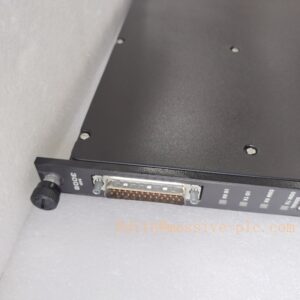
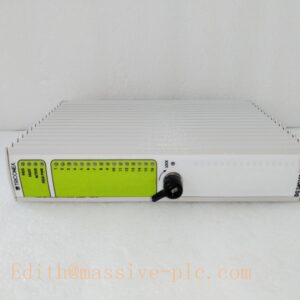
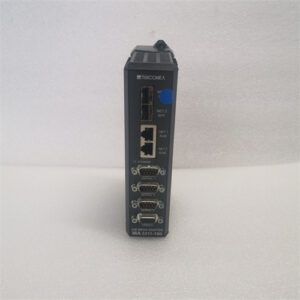
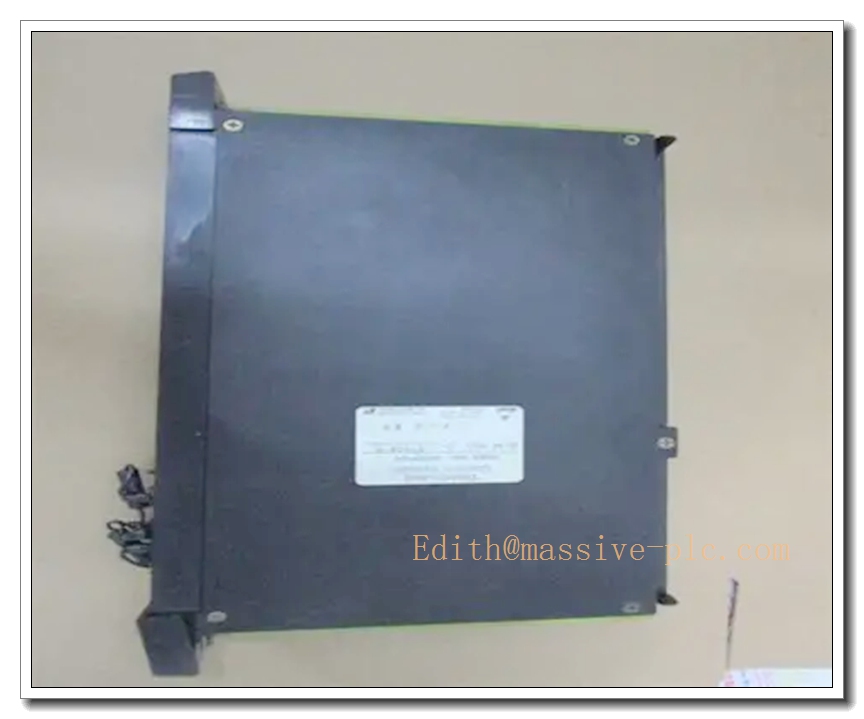
RELIANCE 0-57C408-B Analog Input Signal Acquisition Module, Rack Mount Industrial Control Card
Product Introduction
The RELIANCE 0-57C408-B is a high-density analog input module developed for Reliance legacy motion and process control rack systems. Designed to capture multi-channel analog field signals, it converts analog sensor readings into digital data for the main controller for closed-loop monitoring and process regulation. This rack-pluggable module is widely deployed for system retrofit, spare replacement, and maintenance projects in heavy manufacturing, metal rolling, material handling and heavy machinery automation. Built with robust EMC protection, it maintains stable measurement performance under industrial vibration, dust and electrical noise environments. It complies with UL and CE industrial standards and integrates seamlessly into the Reliance 0-57C series backplane architecture.
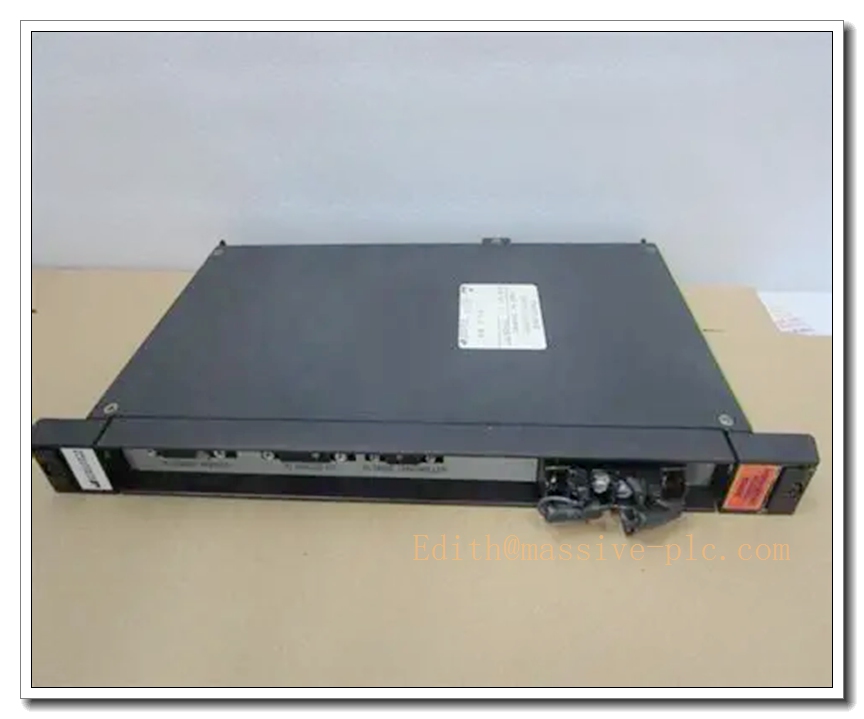
0-57C408-B
Technical Introduction
- Product Type: Multi-channel Analog Input Module
- Brand: RELIANCE Electric
- Model: 0-57C408-B
- Input Channels: 8 isolated analog input channels
- Signal Types: 4–20mA current, 0–10V DC voltage; compatible with pressure, flow, temperature transmitters
- ADC Resolution: 16-bit high precision analog-to-digital converter
- Basic Accuracy: ±0.05% full scale at 25℃
- Galvanic Isolation: 500V AC isolation between field channels and backplane side
- Operating Temperature: -20°C ~ +60°C
- Humidity: Up to 90% non-condensing
- System Interface: Native Reliance proprietary rack backplane bus
- Protection: ESD protection, overvoltage and overcurrent channel protection
- Mounting: Standard rack insertion design, locking screw for mechanical fixation
- Function: Field analog signal sampling, signal filtering, fault diagnosis of sensor open/short circuit, digital data upload to host controller
- Application: Mill process monitoring, conveyor system measurement, hydraulic & pneumatic unit sensing, heavy equipment condition monitoring
Adaptive Quality Assurance & Test Protocol
Every 0-57C408-B module undergoes a full adaptive validation workflow before shipment to guarantee hardware integrity and long-term field reliability.
- Visual & Physical Inspection: Full visual check of PCB, solder points, connectors and components; screen for oxidation, scratches or physical damage.
- Power Cycling Burn-in: Continuous powered burn-in plus repeated power on/off cycles to expose early failure components.
- Analog Calibration Test: Precision signal source injects standard current/voltage signals across all 8 channels to verify reading accuracy, linearity and repeatability.
- Backplane Communication Test: Insert into matching Reliance rack to validate bus handshake, data transmission and fault alarm reporting.
- EMI Immunity Adaptive Test: Apply simulated industrial conducted and radiated interference to verify signal stability.
- Temperature Cycling Screening: Thermal cycle test to confirm measurement consistency across full operating temperature range.
- Final Test Report: Generate unique traceable test log for each unit. Pass criteria include channel accuracy within tolerance, no communication dropout, and correct fault flag triggering. All test records are retained for traceability.
Field Engineer Technical Notes
This analog input module is used for field sensor signal acquisition. Installation, commissioning and troubleshooting must be performed by qualified field technicians.
- Installation: Power down the control rack fully before card insertion. Align backplane connector properly and fasten module locking screws. Implement proper cabinet grounding to reduce analog signal noise.
- Wiring: Use shielded twisted-pair cables for field sensors. Separate analog signal wiring from high-power drive cables. Apply single-point shield grounding to eliminate ground loop interference.
- Commissioning: After power-up, run channel offset and gain calibration. Verify raw readings against physical sensor values; check open/short diagnostic bits.
- Troubleshooting: Common alarms include sensor open circuit, short circuit, signal out-of-range and channel overvoltage. Use controller diagnostic registers to distinguish between field wiring faults and module hardware defects.
- Maintenance: Periodically inspect connector pins for dust and oxidation. Isolate all power before removing the module. Do not operate the control system with faulty analog readings, as this may trigger incorrect process actions.
- Compatibility Notice: Confirm host rack firmware and backplane revision before retrofit. Mismatched firmware may lead to intermittent communication or sampling errors.
8 Related Models in the Same Series
- 0-57C400-A
- 0-57C402-C
- 0-57C405-C
- 0-57C406-E
- 0-57C407-4H
- 0-57C408-A
- 0-57C409-B
- 0-57C410-A