Description
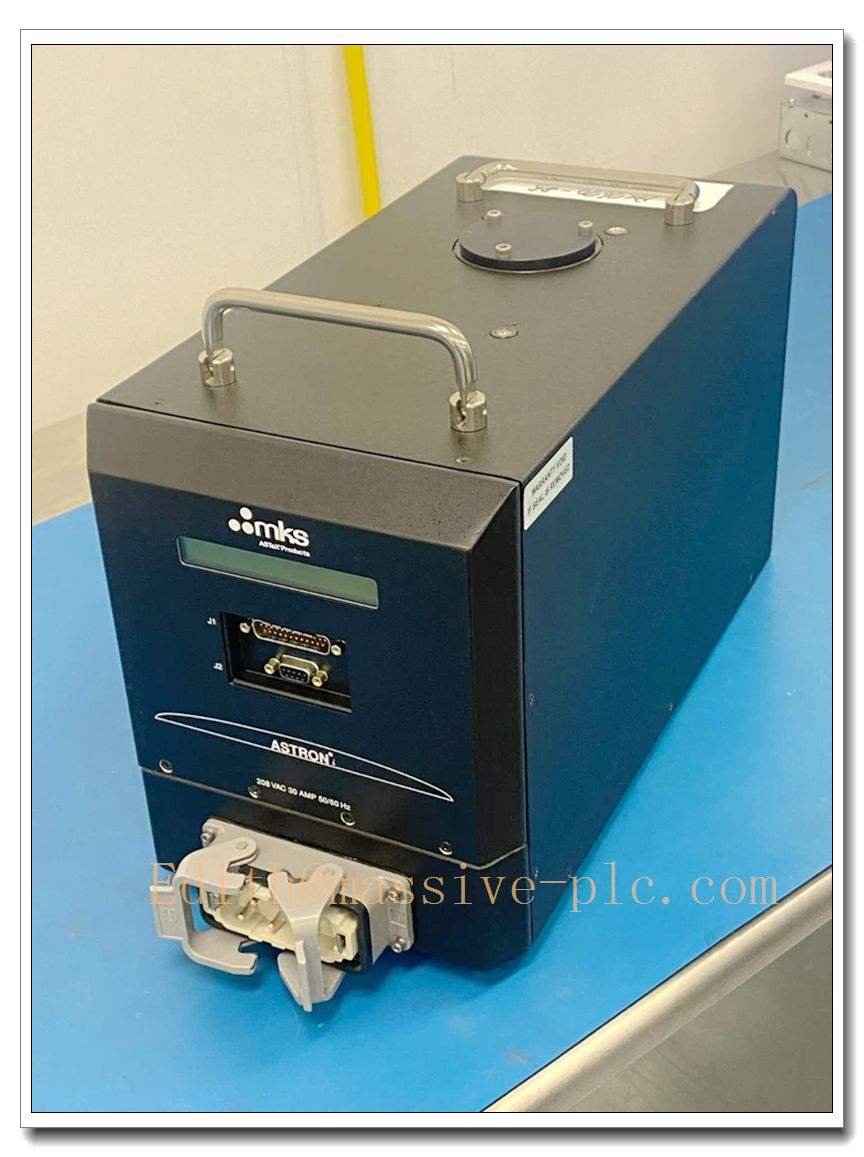
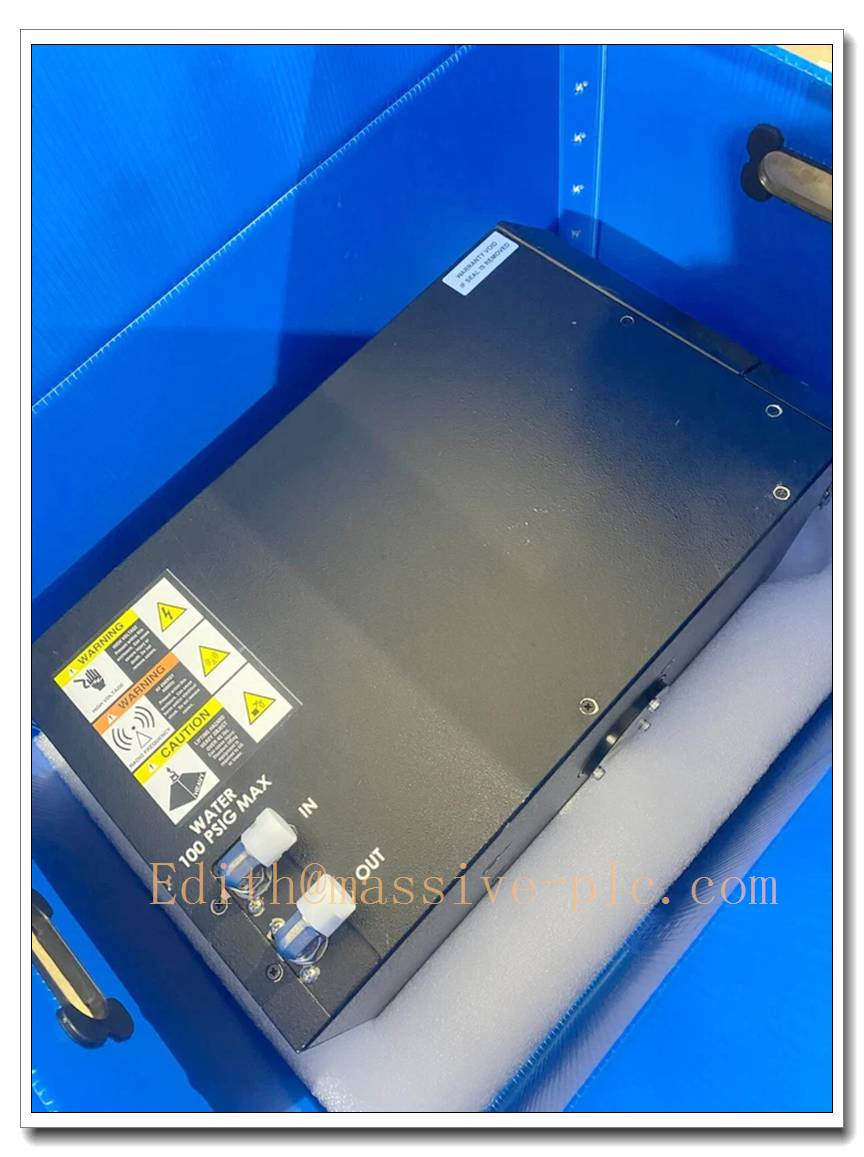
MKS AX7670-85 / Applied Materials 0190-47768
32-Channel Isolated Digital I/O PCA Module for Semiconductor Process Platforms
AX7670-85 0190-47768
Product Core Introduction
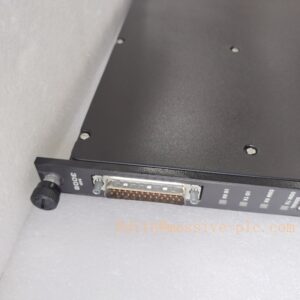
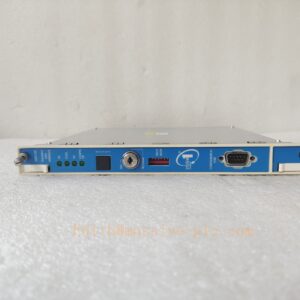
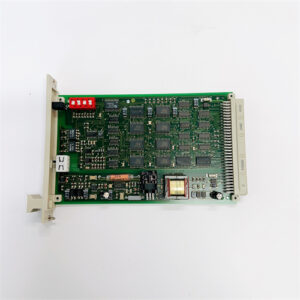
The AX7670-85, officially cross-referenced as Applied Materials part number 0190-47768, is a purpose-engineered 32-channel isolated digital input/output printed-circuit-board assembly co-developed by MKS Instruments and Applied Materials, designed exclusively for the Endura and Centura 200mm/300mm cluster semiconductor manufacturing ecosystems.
Operating at a 24 VDC nominal field-side voltage, it acts as the critical, safety-certified discrete signal bridge between the AMAT tool host controller and field-level process components — including pneumatic gate valves, chamber door interlocks, Pirani vacuum sensors, wafer transfer limit switches, emergency stop transducers and shutter actuators. Every channel is equipped with galvanic optocoupler isolation, delivering industry-leading noise immunity against RF plasma interference, high-voltage arc discharge transients and facility-wide ground loop distortion that are pervasive in high-volume PVD, CVD and etch process environments.
By offloading all discrete signal acquisition, fault flagging and low-latency valve sequencing tasks from the main tool host CPU, the module eliminates the risk of interlock response delays caused by high MES communication or recipe execution load, ensuring deterministic sub-10ms response for safety-critical logic that prevents unplanned wafer scrap and unplanned chamber downtime.
Primary Technical Specifications
1. Channel Architecture: 16 isolated digital sinking/sourcing input channels for interlock and sensor status acquisition; 16 high-current isolated digital output channels for solenoid valve and actuator drive control
2. Electrical Rating: 24 VDC ±15% nominal field-side operating voltage, 5 VDC backplane logic power drawn natively from the AMAT tool mainframe chassis
3. Isolation Performance: 2500 Vrms opto-galvanic isolation between the tool backplane and field wiring, with 100MΩ minimum isolation resistance at 500 VDC
4. Per-Channel Protection: Independent over-current limiting, short-circuit latching fault indication, and 1.5kV ESD contact discharge protection on every field connection
5. Diagnostics & Status Indication: On-board bi-color LED per-channel status indicators, with real-time fault state reporting transmitted to the tool host via the proprietary AMAT backplane bus
6. Environmental Compliance: Operating temperature range 0°C to +40°C, 10% to 80% non-condensing relative humidity, designed for Class 1 cleanroom ambient conditions
7. Communication Interface: Native compatibility with AMAT VME-based legacy backplane and modern ATCA backplane architectures, with full SECS/GEM alarm and status data mapping support for fab-level MES integration
8. Mechanical Design: Standard 3U Eurocard form factor, with front-panel ejector latches and full hot-swap support for cage-mount installation without full tool shutdown
9. MTBF Rating: Calculated mean time between failures exceeding 120,000 hours under normal cleanroom operating conditions
Quality Control Procedures
Every AX7670-85 / 0190-47768 unit follows a strict semiconductor-grade multi-stage quality assurance workflow before leaving the factory:
1. Component Incoming Traceability Verification: All semiconductors, optocouplers, fuses and passive components are batch-tested against MKS and AMAT original specifications, with full lot and serial number traceability logged in the enterprise quality management system.
2. ESD-Controlled SMT Assembly & AOI Inspection: Boards are assembled in a Class 10,000 cleanroom production line with 100% ESD workstation coverage, with post-solder automated optical inspection to flag joint defects, misaligned components or solder bridging.
3. 72-Hour Full-Load Dynamic Burn-In: Each completed module runs continuous 10Hz full-channel I/O toggling under 40°C elevated ambient temperature, screening for early-age component failures that could cause unplanned downtime in production.
4. Plasma Noise Immunity Validation: Units are subjected to 1-hour simulated 13.56MHz RF plasma interference testing in a shielded EMI chamber, verifying zero false trigger or signal corruption under typical semiconductor process noise conditions.
5. Final 100% Functional Calibration: Every channel is individually validated for input threshold accuracy, output drive capacity, isolation resistance and backplane communication latency, before being sealed in anti-static ESD shielding packaging with a unique serial number linked to its full test record.
Related Model Recommendations
1. AMAT 0190-47769: Extended 48-channel isolated digital I/O expansion module, designed for high-density process chambers with over 30 discrete sensors and actuators
2. AMAT 0190-47770: Precision 4-axis motion controller card, dedicated to controlling wafer transfer robots and chamber Z-axis positioning stages in Endura platforms
3. MKS AX7670-90: High-voltage variant digital I/O module, supporting 48 VDC field-side operation for high-power solenoid and gate valve control
4. AMAT 0190-47771: Redundant dual-channel digital I/O module, providing hot backup for safety-critical E-stop and chamber door interlock circuits
5. AMAT 0190-12345: 16-channel analog I/O companion module, providing 16-bit 4-20mA and 0-10V signal acquisition for pressure, temperature and MFC gas flow sensor monitoring
6. MKS 600 Series Modbus TCP Gateway: Standalone protocol translation module, enabling remote real-time monitoring of AX7670-85 channel status from external SCADA and predictive maintenance systems
7. AMAT E9000 Main Control Unit: Next-generation host system platform that natively integrates with the AX7670-85 module for recipe download, real-time status monitoring and process data logging
8. AMAT 0190-67890: High-speed 32-bit counter module, designed to work alongside the AX7670-85 for pulse signal acquisition from rotary encoders and precision liquid flow meters
Brand Development History
MKS Instruments was founded in 1961, and has long been the global leading supplier of precision pressure control, mass flow measurement and process monitoring solutions for the global semiconductor manufacturing industry. Since the 1980s, MKS established a deep strategic co-development partnership with Applied Materials, creating dedicated control and interface modules tailored for AMAT’s Endura and Centura cluster process platforms.
In the early 2000s, as 200mm wafer manufacturing scaled to 24/7 high-volume production, the original generation of discrete I/O solutions for AMAT tools began to show critical limitations in noise immunity, channel density and service life. MKS launched the AX76xx series digital I/O module family, with the — later assigned the official AMAT part number 0190-47768 — quickly becoming the de facto industry standard discrete interface for PVD, CVD and etch chambers.
In the 2010s, the platform received a major hardware upgrade with enhanced ESD protection and extended temperature tolerance, achieving full compatibility with 300mm advanced wafer fabrication requirements. Today, hundreds of thousands of these modules are deployed in fabs across North America, Europe and Asia, and remain the most widely adopted, field-proven digital I/O solution for both legacy and current-generation Applied Materials process equipment.
Frequently Asked Questions
1. Q: Yes, the module is designed with full hot-swap capability that complies with SEMI S2 safety standards. After reinsertion, it will automatically reload its non-volatile stored channel configuration and resume normal operation within 5 seconds, without requiring a full tool reboot or chamber evacuation cycle.
2. Q: What is the most common failure mode for this module in long-term 24/7 production use?A: The most frequently reported issue is gradually degraded optocoupler performance caused by cumulative electrostatic discharge events during routine maintenance. This can be almost entirely prevented by strictly following ESD wrist strap and grounded work surface procedures during module handling and replacement.
3. ?A: Yes, the two part numbers refer to the exact same hardware design, with full pin-to-pin, electrical and function compatibility. No tool host configuration modification or firmware update is required during replacement.
4. Q: How do I troubleshoot a single channel that shows constant input fault status even when the field sensor is confirmed to be working normally?A: First verify that the field-side 24 VDC power supply is within the 22-26 VDC operating range, then inspect the field wiring for hidden short-circuit conditions to chassis ground. If no external fault is found, the channel’s built-in over-current protection latch can be cleared via the tool host’s built-in diagnostic menu.
5. Q: What is the typical service life expectancy of this module under normal Class 1 cleanroom operating conditions?A: With proper ESD protection and annual preventive electrical maintenance, the module can reliably operate for over 12 years in 24/7 high-volume semiconductor production environments.
(AI生成)