
Description
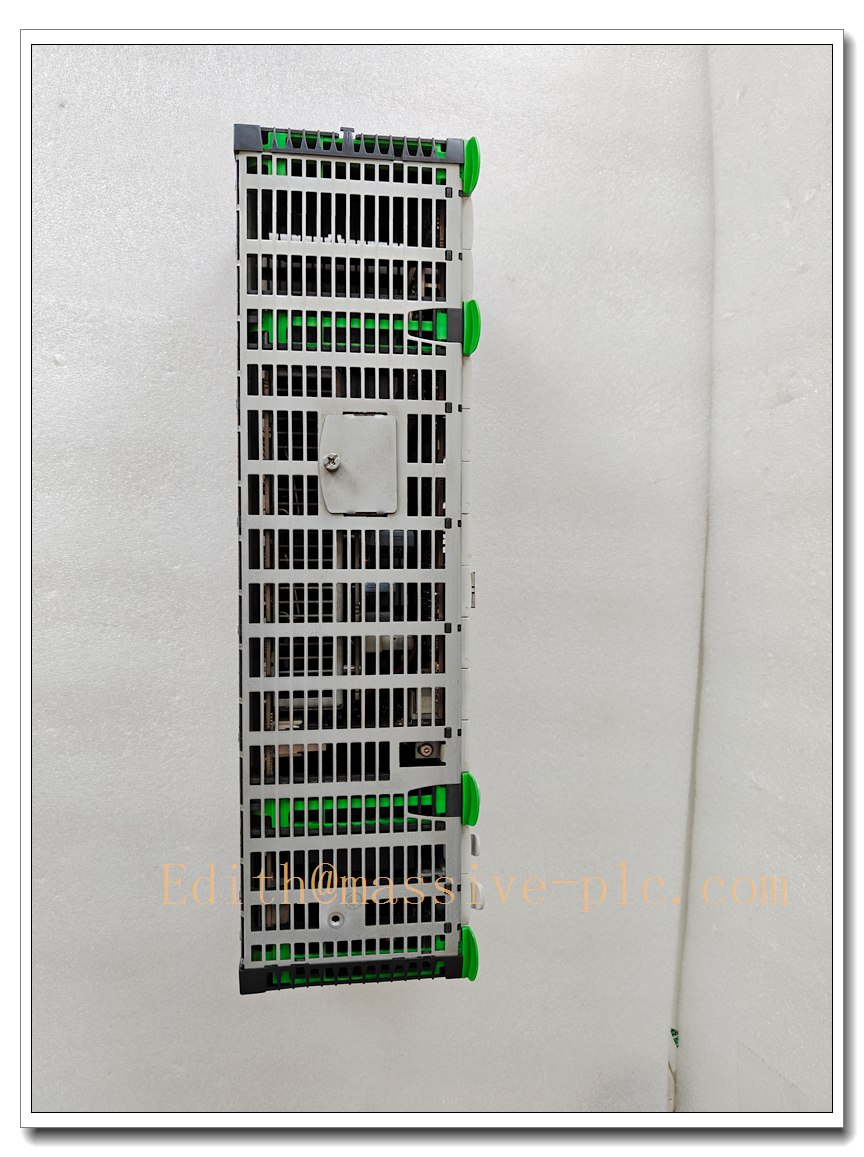
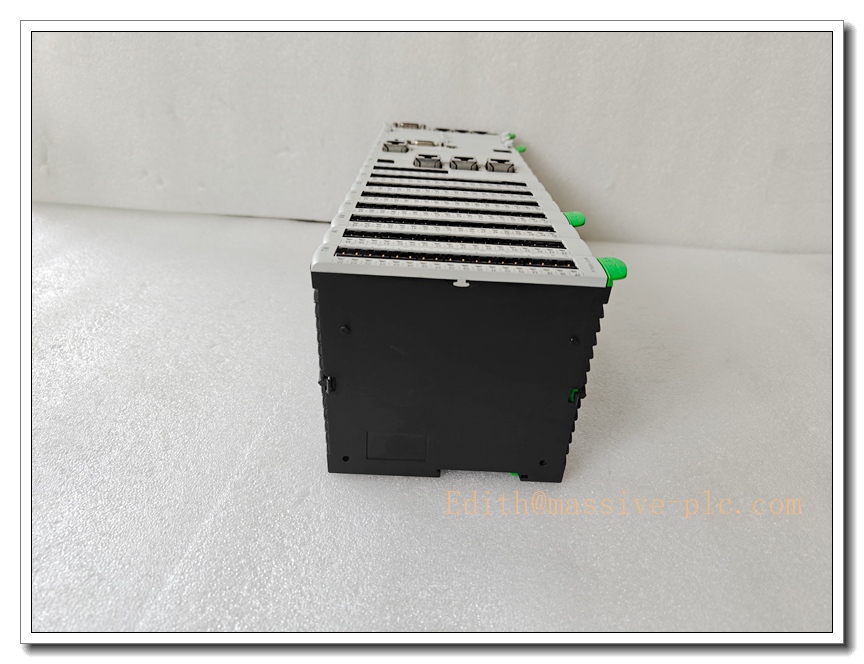
KEBA K2-200 CP253/W Real-Time Motion Control CPU Module, KeControl K2-200 Series PLC Controller
Product Description
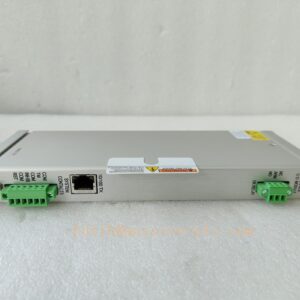
The CP253/W is a high-performance fanless CPU within KEBA KeControl K2-200 automation platform, built for deterministic real-time control and multi-axis motion applications. It executes IEC 61131-3 standard control programs, integrates high-speed EtherCAT fieldbus, and delivers synchronized motion, logic control, data acquisition and communication in a compact DIN-rail form. Designed for machine builders, it features passive thermal dissipation without cooling fans, lowering maintenance risks in dusty industrial cabinets. It works natively with KEBA K2 remote I/O modules and ServoOne servo drives, supporting complex automation sequences, gantry systems, press control and robotic auxiliary axes.
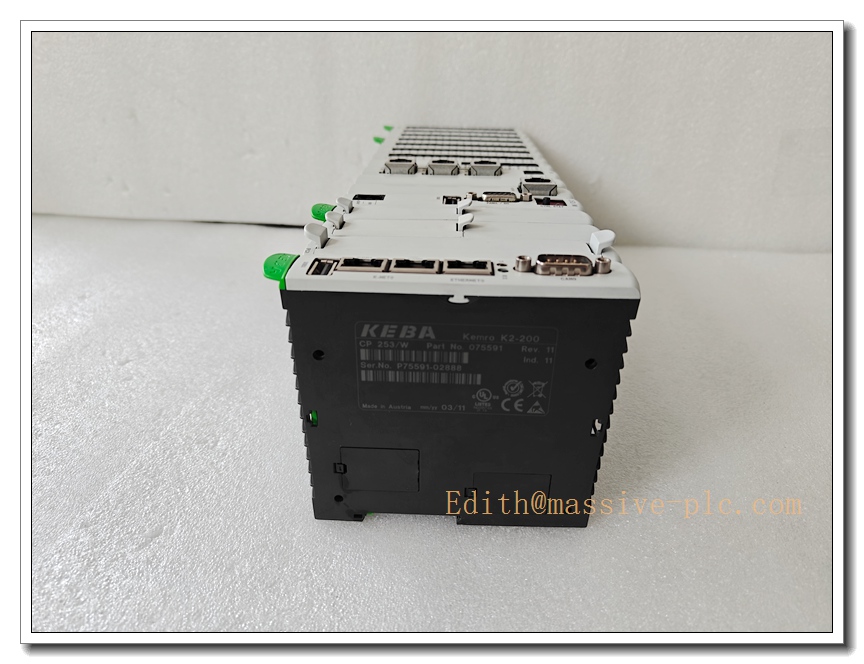
K2-200 CP253W
Technical Parameters
| Item | Specification |
|---|---|
| Manufacturer | KEBA |
| Model | K2-200 CP253/W |
| Series | KeControl K2-200 |
| Programming Standard | IEC 61131-3 |
| Processor | Real-time multi-core industrial processor |
| Memory | Program flash, battery-backed NVRAM for retain variables |
| Power Supply | 24 VDC, 18–30 VDC operating range |
| Power Consumption | ≤15 W |
| Communication Ports | 2×10/100/1000BASE-T Ethernet (EtherCAT, PROFINET, Modbus TCP); 2×RS485 (Modbus RTU); Optional Wi-Fi / Bluetooth |
| Backplane Bus | K2-200 local rack bus |
| Mounting | 35 mm DIN rail |
| Cooling | Fanless passive convection |
| Operating Temperature | -20 ℃ ~ +60 ℃ |
| Ingress Rating | IP20 (for cabinet installation only) |
| Certifications | CE, UL 508, CSA C22.2 No.14, ATEX Zone 2 |
| Insulation | 250 VAC galvanic isolation between power and communication interfaces |
| Weight | Approx. 0.38 kg |
Recommended Related Models (8 units)
- CP251/W: Entry-level K2-200 CPU, reduced memory, basic EtherCAT
- CP255/W: High-end K2-200 CPU, larger memory, extra motion resources
- DI268: K2-200 digital input module, 16DI 24VDC
- DO268: K2-200 digital output module, 16DO 24VDC
- AI288: Analog input module, 8-channel 4–20mA / ±10V
- AO288: Analog output module, 8-channel analog
- BM270: K2-200 backplane base unit for rack assembly
- ServoOne CM: KEBA compact servo drive matched for EtherCAT motion axes
Compatibility & Installation Traps
Compatibility
- Native compatible: KEBA K2-200 series backplanes, digital/analog I/O modules, ServoOne servo family
- Programming software: KEBA WorkVisual
- HMI & SCADA: WinCC, FactoryTalk, Modbus TCP based visualization systems
- Fieldbus slaves: Standard EtherCAT devices, PROFINET peripherals, Modbus RTU sensors
Critical Installation Traps
- IP20 Limitation: Module must be installed inside a protective electrical cabinet; do not expose to dust, liquid or outdoor weather directly.
- Temperature Derating: Do not block side ventilation slots. Crowded racks with multiple CPUs will cause overheating and watchdog trips. Maintain minimum 20 mm clearance top and bottom.
- EtherCAT Cable Requirements: Use shielded industrial Ethernet cable for motion bus. Ordinary office patch cords often cause frame loss and jitter in synchronized multi-axis cycles.
- Backplane Keying & Slot Order: Modules must match BM270 backplane mechanical coding. Wrong slot insertion may damage backplane bus communication.
- 24V Power Quality: Poor ripple or voltage drop on DC supply triggers random communication faults. Use isolated 24V power with adequate inrush rating.
- Battery Retention Risk: The internal backup battery preserves retain variables and RTC. Long-term storage without periodic power leads to data loss; replace battery per KEBA maintenance schedule.
- Grounding Separation: Separate protective earth from signal ground. Common ground loops on RS485 ports create noise and Modbus RTU timeouts.
- Firmware Version Lock: WorkVisual firmware version must match the CPU firmware; mismatched revisions lead to download failure or runtime exceptions.
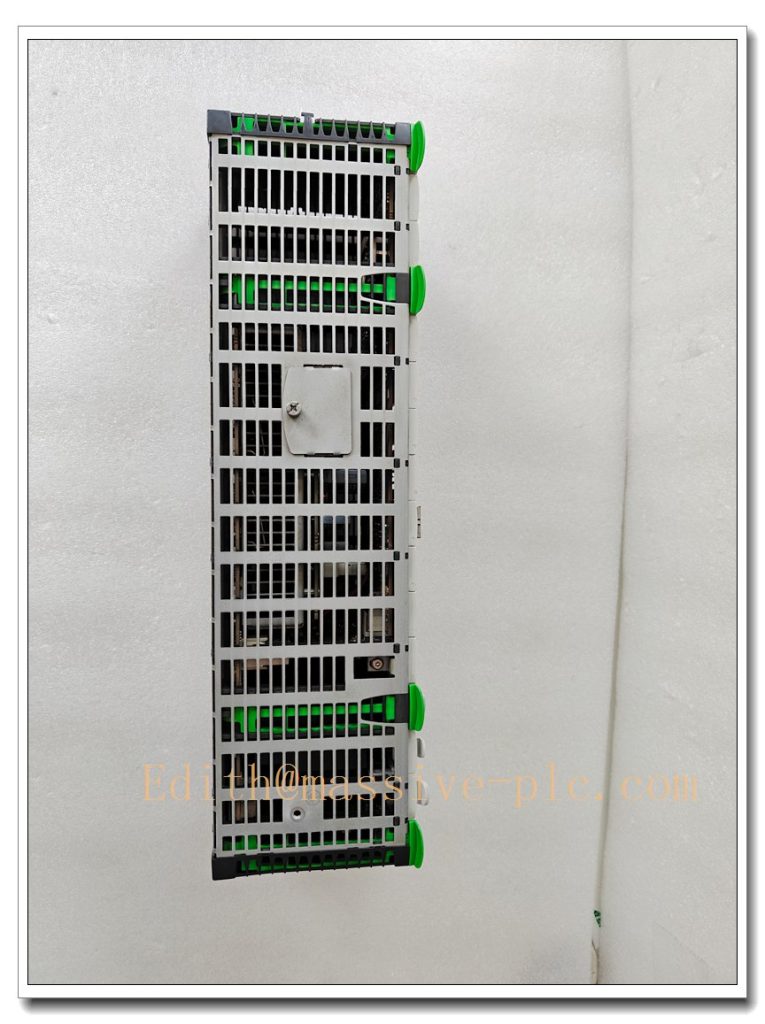
K2-200 CP253W
Standard Operating Procedure (SOP)
- Pre-installation check: Inspect housing for physical damage, verify model marking and LED indicator integrity. Confirm firmware compatibility with project WorkVisual version.
- Rack assembly: Mount BM270 backplane on DIN rail, insert CP253/W CPU first, then add I/O modules in correct slot sequence and lock module latches.
- Wiring: Terminate 24VDC power and protective earth. Wire fieldbus cables with shield termination at cabinet earth bar. Do not ground both cable ends for RS485.
- Software preparation: Open project in WorkVisual, configure hardware topology, set EtherCAT cycle time, download program to CPU.
- Commissioning test: Power up, check status LEDs. Perform bus scan to detect all slaves. Execute forced I/O test and axis homing sequence.
- Runtime validation: Run machine cycle, monitor jitter, watchdog and diagnostic logs. Confirm retain variable backup works after power cycle.
- Maintenance & decommission: Isolate 24V supply before removing from rack. Store spare CPUs in dry ESD packaging. Record battery replacement date.
Application Scenarios
- Multi-axis handling and gantry automation
- Metal forming, stamping and press machinery
- Packaging, sorting and conveying lines
- Plastic injection and blow molding machines
- Robotic auxiliary axis control
- Woodworking and CNC special machines
- Zone 2 hazardous area auxiliary automation
- Intelligent factory EtherCAT-based machine control
Supporting Components
- BM270 backplane rack base
- Shielded EtherCAT / PROFINET industrial Ethernet cables
- RS485 termination resistors
- 24VDC regulated power supply with surge protection
- ESD wrist strap and anti-static bags
- Replacement backup battery for NVRAM / RTC
- KEBA WorkVisual programming license & cable
- Terminal blocks and shield grounding clamps

 Start Chat