
Description
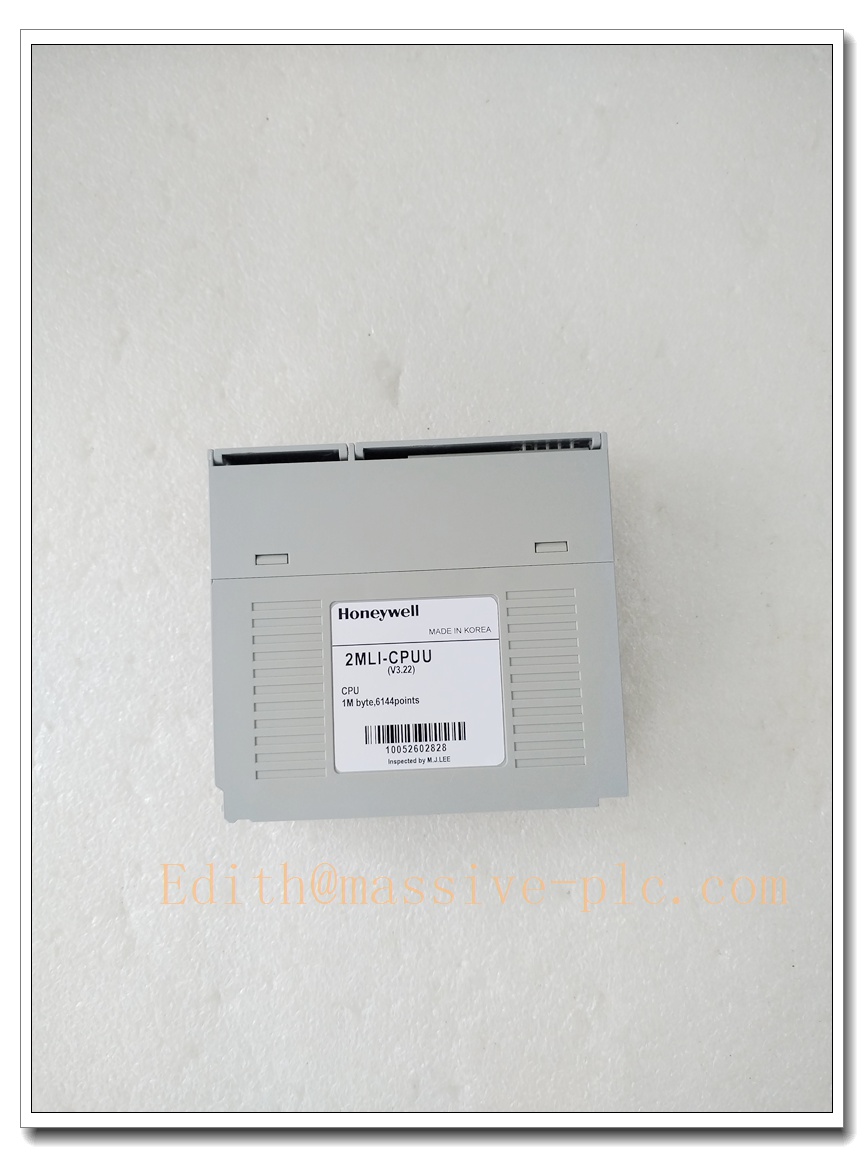
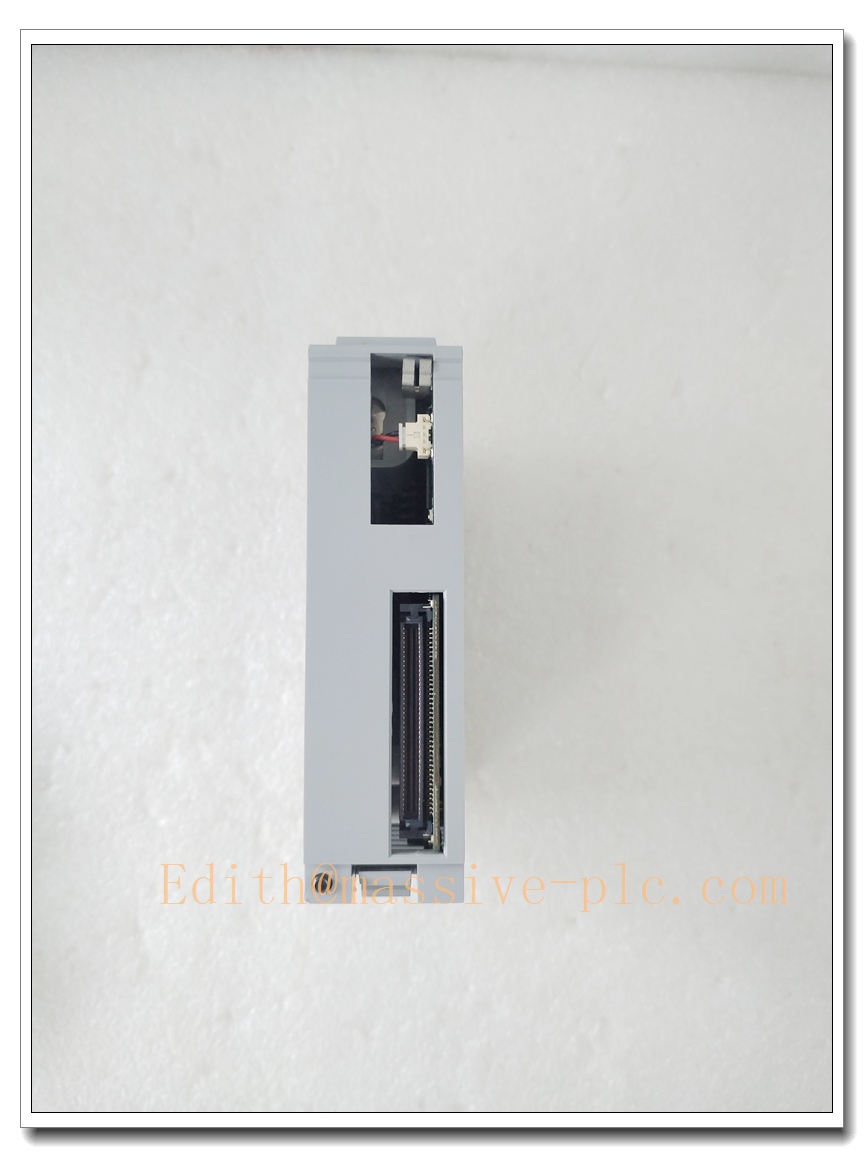
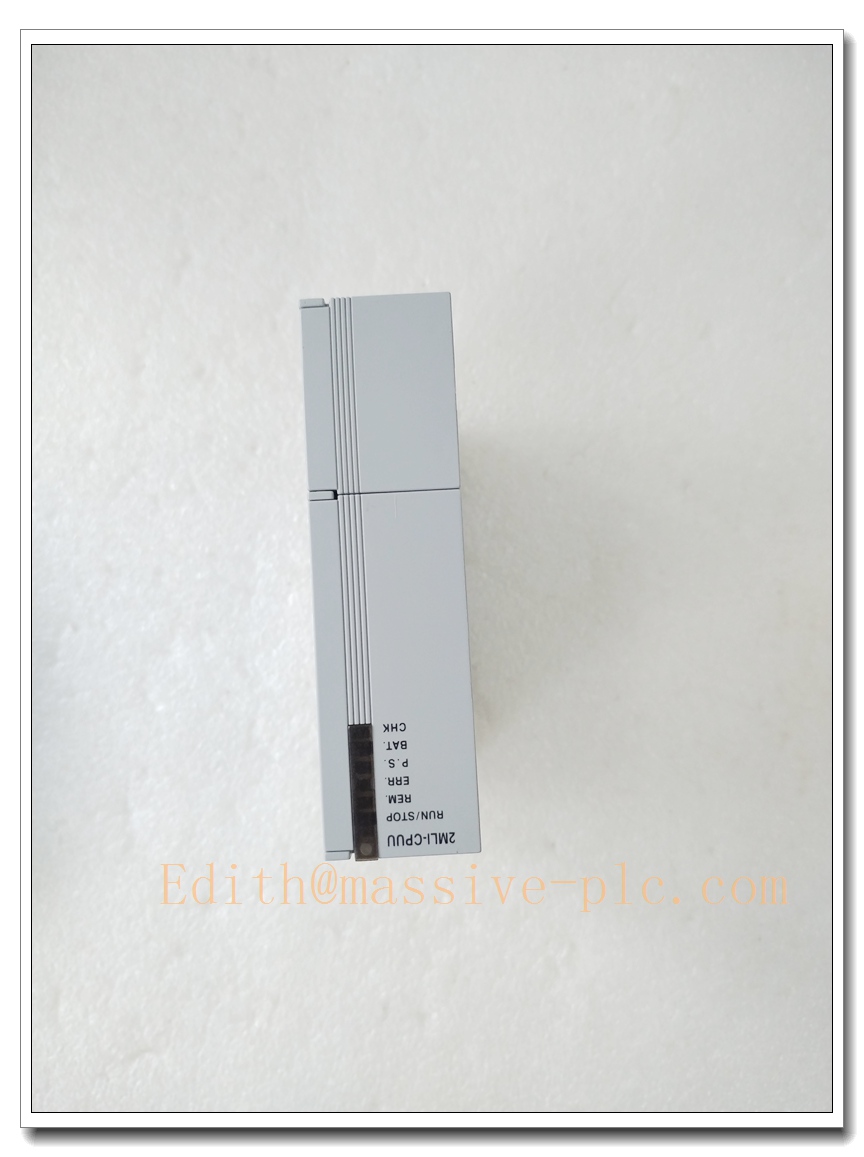
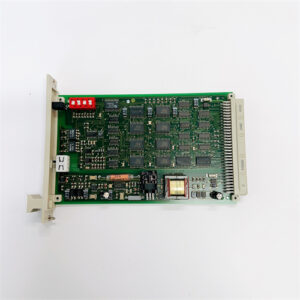
Honeywell 2MLI-CPUU MasterLogic-200 Series Non-Redundant PLC CPU Module
Core Product Overview
2MLI-CPUU is the standard non-redundant CPU of Honeywell MasterLogic‑200 PLC platform, used for general industrial sequential and process control, not SIL safety SIS CPU (different from FC-QPP-0001 Safety Manager). It supports full IEC 61131‑3 programming languages, high-speed logic execution, multi-port communication, local and remote I/O expansion. The paired redundant CPU model is 2MLR-CPUH. This controller is widely applied in auxiliary process, machine control, packaging, water treatment and conventional plant control.
Main Technical Specifications
- Part Number: 2MLI-CPUU
- Manufacturer: Honeywell
- Device Type: MasterLogic‑200 Non-Redundant PLC CPU
- Program Standard: IEC 61131‑3 (LD, ST, FBD, SFC, IL)
- Logic Speed: Bit instruction 0.028 µs/step
- Max Local I/O: 6,144 points
- Remote I/O: Up to 128,000 points via Ethernet
- Memory: Program memory 1MB / 7MB (different revisions), data variable 512KB
- Communication Ports: Ethernet, RS232 (program port), RS485
- Protocols: Modbus TCP, EtherNet/IP, peer-to-peer communication
- Power Supply: 24 VDC (15–28 VDC)
- Operating Temperature: 0 ~ +55°C
- Humidity: 10%–90% non-condensing
- Form Factor: MasterLogic‑200 rack plug-in module
- Status: EOL / discontinued original production; spare stock available as new surplus or professionally refurbished bench-tested units
2MLI-CPUU
Same-Series Model Recommendations (8 Models)
- 2MLI-CPUU: Non-redundant MasterLogic‑200 CPU (subject model)
- 2MLR-CPUH: Redundant hot standby CPU for MasterLogic‑200
- 2MLI-DI32: 32-channel digital input module
- 2MLI-DO32: 32-channel digital output module
- 2MLI-AD08: Analog input module
- 2MLI-DA04: Analog output module
- FC-QPP-0001: Honeywell Safety Manager SIS safety CPU
- CC-TDCU01: Experion PKS C300 DCS controller
Professional Quality Control & Testing Standard Operating Procedures
All surplus and refurbished Honeywell 2MLI-CPUU modules follow this inspection workflow:
- Visual Inspection: Check PCB, edge connectors, front LED indicators, capacitors and soldering; verify Honeywell part label and revision.
- Backplane Power Bench Test: Install on MasterLogic‑200 base rack, apply 24VDC, confirm stable power, no overcurrent or power cycling.
- Boot & Firmware Validation: Complete power-on self-test, read firmware version, confirm no permanent hardware fault codes.
- Logic Execution Test: Download IEC 61131‑3 test project, verify cyclic scan, interrupt and basic instruction execution.
- Communication Port Test: Test Ethernet, RS232 and RS485; verify Modbus TCP and programming connection.
- I/O Expansion Test: Connect local and remote I/O bases, validate I/O refresh and data exchange.
- Thermal Soak Test: Run module at upper ambient temperature to expose intermittent timing, memory or connector faults.
- Final Cleaning & Packaging: Clean edge contacts, reset program, ESD packaging with printed test certificate.
New / Refurbished Module Installation Guidelines
- Pre-Installation Safety: Execute lockout-tagout; isolate rack 24V power and field wiring to prevent unexpected equipment action.
- Rack & Backplane Check: Confirm compatible MasterLogic‑200 base rack, protective earth and cabinet ventilation.
- Mechanical Insertion: Align 2MLI-CPUU edge connector with backplane, insert smoothly, secure front latch.
- Wiring & Network: Terminate Ethernet and serial cables with shielded wiring; separate control signal cables from high-power cables.
- System Configuration: Use Honeywell MasterLogic programming software to configure hardware, download control project.
- Offline Functional Test: Power rack offline; verify CPU run/error LEDs, programming connection and I/O scanning.
- Commissioning & Acceptance: Test remote I/O and Modbus communication, confirm control sequence, archive project and test records.
Application Scenarios & Product Features
Typical Application Scenarios
- Plant auxiliary control systems, water & wastewater treatment
- Packaging machinery, material handling and general machine automation
- Conventional process control, non-SIS auxiliary skids
- Retrofit and maintenance of existing Honeywell MasterLogic‑200 installations
- Integration with HMI, SCADA and Experion DCS via Modbus TCP
Core Product Features
- Non-redundant high-speed PLC CPU for MasterLogic‑200 platform
- Full IEC 61131‑3 programming support
- Multi-communication ports for programming, field bus and upper DCS/HMI
- Supports local base I/O and large-scale remote Ethernet I/O expansion
- Cyclic scan + interrupt task structure for fast event response
- Front-panel LED status for Run, Fault, Communication diagnostics
- Hot-swap is not supported for the CPU itself; power must be isolated before replacement
- Compact rack form factor for cabinet installation
Frequently Asked Questions (FAQ)
Q1: Is 2MLI-CPUU a safety SIS controller? A1: No. It is a standard general-purpose PLC CPU. For Honeywell SIL3 SIS, you use FC-QPP-0001 Safety Manager.
Q2: What is the difference between 2MLI-CPUU and 2MLR-CPUH? A1: 2MLI-CPUU is single non-redundant CPU. 2MLR-CPUH supports dual redundant hot standby pair for high availability. They are not drop-in direct replacement without rack and project modification.
Q3: What software programs this CPU? A3: Honeywell MasterLogic programming software.
Q4: Is it hot-swappable? A4: No. The CPU must be power-cycled for removal/insertion.
Q5: What are common failure modes? A5: Backplane connector oxidation, Ethernet port ESD damage, ageing capacitors, flash firmware corruption caused by voltage transients, memory fault.V

 Start Chat