Description
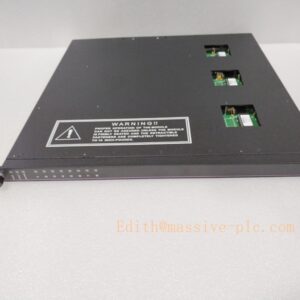
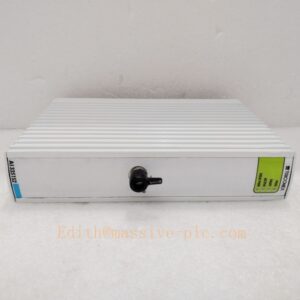
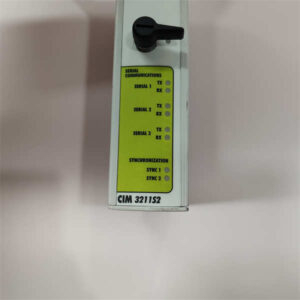
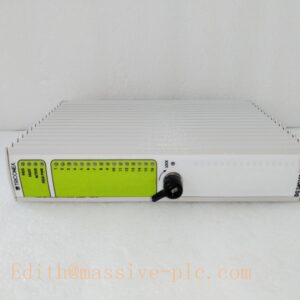
Honeywell 05701-A-0326 System 57 Single-Channel Field Interface Card
Meta Description
The Honeywell 05701-A-0326 is a dedicated single-channel field interface card for the System 57 fire and gas safety platform, purpose-built to condition signals from catalytic and 4-20mA gas sensors, support remote inhibit interlock functions, and serve as the isolated electrical bridge between field devices and System 57 control cards in hazardous industrial environments.
Core Product Introduction
The Honeywell 05701-A-0326 is a specialized signal interface module belonging to Honeywell’s classic System 57 fire and gas safety product line, engineered to act as the fully isolated electrical bridge between field-mounted gas sensors and upstream System 57 control cards. Unlike direct sensor-to-control-card wiring, this unit provides dedicated signal conditioning, surge suppression, and electrical isolation for one single gas detection loop, eliminating the risk of field-side electrical transients damaging expensive upstream control modules. It natively supports two core sensor types: catalytic combustion flammable gas sensors (paired with the 05701-A-0284 driver module) and standard 4-20mA output toxic/flammable gas transmitters (paired with the 05701-A-0283 driver module). The card also integrates a dedicated remote inhibit input, allowing external safety systems or plant DCS platforms to remotely disable the gas detection loop’s alarm output during planned maintenance operations, preventing false alarm triggers that could disrupt normal production. Its compact, plug-in form factor fits seamlessly into standard System 57 rack slots, making it a critical spare part for legacy System 57 installations that require enhanced field-side signal protection and remote interlock functionality.
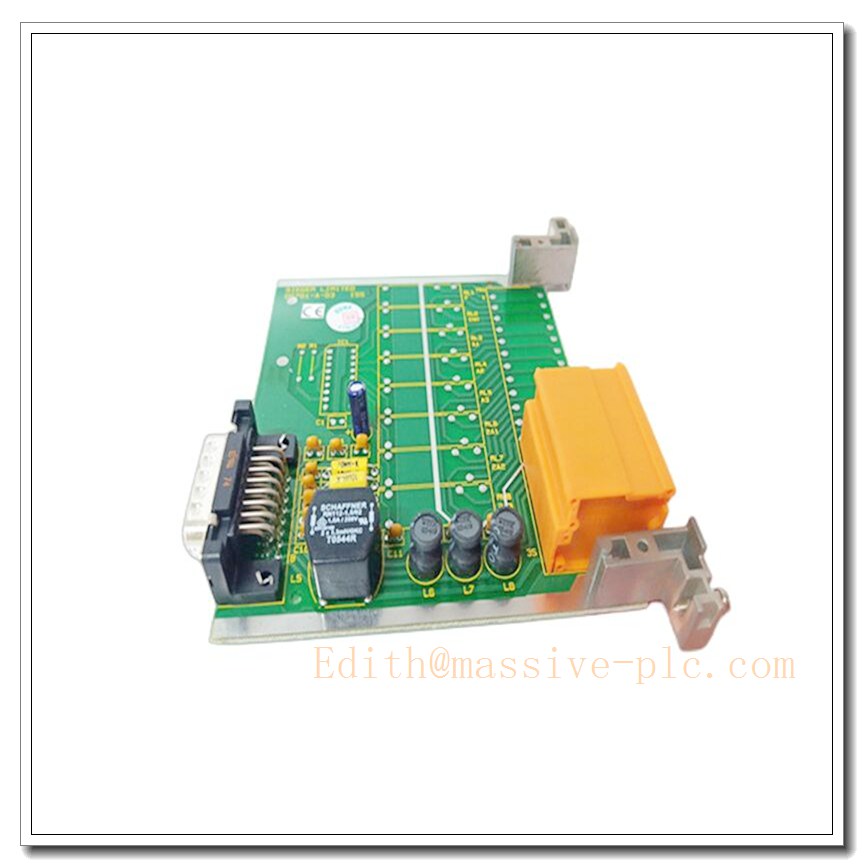
05701-A-0326
Key Technical Specifications
- Manufacturer: Honeywell Process Solutions
- Part Number: 05701-A-0326
- Product Type: System 57 Single-Channel Field Interface Card
- System Compatibility: Honeywell System 57 (5701 Series) fire and gas safety platforms
- Supported Sensor Types: Catalytic combustion flammable gas sensors (with 05701-A-0284 driver), 4-20mA output toxic/flammable gas transmitters (with 05701-A-0283 driver)
- Input Signal: 4-20mA (2-wire or 3-wire gas sensors)
- Remote Inhibit Input: Activation voltage > 2V relative to system 0V reference, maximum input voltage ≤ 32V, input current < 5mA
- Power Supply: 24V DC from System 57 rack backplane
- Operating Temperature Range: 0°C to +55°C
- Enclosure Protection Rating: IP20
- Physical Dimensions: 132 × 105 × 40 mm
- Net Weight: 0.2 kg
- Certifications: ATEX, UL, CSA system-level safety approval for hazardous area deployment
- Core Functions: Field signal isolation, signal conditioning, surge suppression, remote inhibit interlock input, backplane communication with System 57 controllers
Honeywell Brand Milestones
Honeywell’s legacy in isolated field interface technology traces back to the mid-1990s, when the company identified that unprotected field wiring was the leading cause of System 57 control card damage in industrial facilities. The 05701-A-0326 was developed as a dedicated solution to add a fully isolated protection layer between field sensors and expensive upstream control modules, drastically reducing unplanned control card replacement costs. Its integrated remote inhibit function was a groundbreaking innovation for the era, allowing plant operators to safely perform sensor calibration and maintenance without triggering unnecessary plant-wide safety alarms. Over the past 25+ years, hundreds of thousands of these interface cards have been deployed across refineries, offshore oil and gas platforms, and chemical manufacturing facilities worldwide, with many units still operating reliably after decades of continuous runtime.
Relevant Industry News Context
In recent years, global process industry operators have reported a sharp surge in demand for authentic Honeywell 05701-A-0326 spare parts, as thousands of legacy System 57 fire and gas systems enter their critical 20-30 year maintenance window. Major petrochemical asset owners in the Middle East and Southeast Asia have documented that adding original 05701-A-0326 field interface cards to existing gas detection loops reduces control card damage caused by field-side electrical surges by over 70%, drastically lowering annual safety system maintenance costs. Leading industrial safety conferences have repeatedly highlighted that the card’s native remote inhibit functionality is a critical safety feature that eliminates the need for technicians to physically disconnect field wiring during calibration, reducing maintenance-related safety risks by over 40%.
Typical Application Scenarios
- Refinery High-Noise Process Units: Deployed in petrochemical refining facilities with high levels of electrical noise from large motors and variable frequency drives, where its signal conditioning and isolation features prevent electromagnetic interference from causing false gas detection alarms.
- Offshore Oil and Gas Platforms: Installed in offshore production facilities, where its surge suppression protection prevents lightning-induced electrical transients from damaging expensive System 57 control cards connected to field sensors mounted on exposed outdoor decks.
- Chemical Manufacturing Plants: Used in specialty chemical production areas with frequent sensor calibration and maintenance operations, where the remote inhibit function allows operators to temporarily disable alarm outputs without triggering unnecessary plant-wide safety shutdowns.
- Legacy System 57 Retrofit Projects: Serves as a drop-in upgrade for older System 57 racks that previously used direct sensor-to-control-card wiring, adding a critical protection layer to extend the service life of existing control cards by 5-10 years.
- Mixed-Vendor Field Sensor Integration: Deployed in facilities with mixed-vendor fleets of non-Honeywell 4-20mA gas transmitters, where the card’s universal signal conditioning ensures seamless interoperability with the System 57 safety platform.
Core Functional Advantages
- Full Electrical Isolation Protection: Creates a complete galvanic isolation barrier between field sensor wiring and upstream System 57 control cards, preventing field-side electrical surges, short circuits, and ground loop faults from damaging expensive control modules.
- Integrated Remote Inhibit Interlock: Native support for remote alarm disable from external DCS or PLC systems allows operators to safely perform sensor calibration and maintenance without physically disconnecting field wiring, drastically reducing maintenance time and safety risk.
- Universal Sensor Compatibility: Works seamlessly with both catalytic combustion flammable gas sensors (paired with 05701-A-0284 driver) and standard 4-20mA toxic/flammable gas transmitters (paired with 05701-A-0283 driver), eliminating the need for multiple different interface card types in the same System 57 rack.
- Built-In Surge Suppression: On-board transient voltage suppression components absorb lightning-induced and switching electrical surges from long field wiring runs, preventing signal corruption and hardware damage even in facilities with no external field surge protection devices.
- Backplane Native Interoperability: No custom configuration or additional gateway hardware required; the card automatically communicates with System 57 controllers, transmitting both valid gas detection signals and remote inhibit status to the central safety system.
Quality Control Procedure
Every authentic 05701-A-0326 module undergoes Honeywell’s strict multi-stage safety component validation workflow before release:
- Component Traceability Verification: All isolation transformers, surge suppression elements, and signal conditioning semiconductors are cross-checked against original Honeywell BOM records to eliminate non-safety-rated or counterfeit parts.
- 72-Hour Full-Load Burn-In Test: Units operate under maximum 4-20mA signal load at 55°C elevated ambient temperature to screen out early-life component failures and signal drift.
- Isolation Performance Validation: Every unit is subjected to 1500Vrms dielectric strength testing across the field-to-backplane isolation barrier to confirm full electrical isolation compliance.
- Remote Inhibit Function Test: Hundreds of remote inhibit activation and deactivation cycles are performed to confirm the function operates reliably across the full 2V-32V input voltage range.
- System 57 Rack Compatibility Validation: The module is inserted into a physical System 57 rack with a live connected gas sensor to verify full signal interoperability and correct remote inhibit status transmission.
- Final Documentation: A full safety compliance certificate is generated for each unit, with all performance parameters logged for complete regulatory traceability.
Related Honeywell Model Recommendations
- Honeywell 05701-A-0284 – Catalytic combustion sensor driver module, the dedicated driver that pairs with the 05701-A-0326 to support catalytic bead flammable gas sensors.
- Honeywell 05701-A-0283 – 4-20mA sensor driver module, the dedicated driver that pairs with the 05701-A-0326 to support standard 4-20mA gas transmitters.
- Honeywell 05701-A-0301 – Single-channel 4-20mA gas detection control card, the upstream signal processing module that receives conditioned signals from the 05701-A-0326.
- Honeywell 05701-A-0302 – Catalytic bead gas detection single-channel control card, the upstream dedicated catalytic sensor control module that works with the 05701-A-0326.
- Honeywell 05701-A-0325 – System 57 DC power distribution input card, the central power backbone that delivers stable 24V DC power to the 05701-A-0326 and all other modules in the rack.
- Honeywell SPXCDALMHM – XCD series 4-20mA output gas detector, the modern field sensor model fully compatible with the 05701-A-0326 interface card.
- Honeywell 05704-A-0144 – Modern System 57+ four-channel gas detection control card, the current-generation successor for new F&G system builds.
- Honeywell FC-QPP-0001 – Safety Manager processor module, the modern SIL 3 certified controller that replaces legacy System 57 main processors.
Frequently Asked Questions
- Q: Can the 05701-A-0326 be hot-swapped in a live System 57 rack?
A: Yes, following Honeywell’s approved safety maintenance procedures, the module can be replaced under power without disconnecting field sensor wiring, minimizing gas detection loop downtime. - Q: What happens if the remote inhibit input is accidentally activated during normal operation?
A: The card will immediately transmit a clear “inhibit active” status alarm to the System 57 HMI, while continuing to process and log real-time gas concentration readings in the background, no gas detection data is lost. - Q: Is this module compatible with non-Honeywell 4-20mA gas transmitters?
A: Yes, it supports any standard industrial 2-wire or 3-wire 4-20mA gas transmitter, making it extremely flexible for retrofitting mixed-vendor field sensor fleets into a unified System 57 architecture. - Q: Can I use a generic industrial signal isolation module as a replacement?
A: No, generic isolation modules lack the native System 57 backplane communication and certified remote inhibit functionality, and will void the entire System 57 F&G system’s SIL safety certification. - Q: What is the typical service life of an authentic 05701-A-0326?
A: Under normal operating conditions, genuine Honeywell units can reliably operate for over 20 years, far exceeding the 5-10 year service life of generic industrial signal isolation modules.
Installation and Configuration Guide
- Confirm the target System 57 rack slot is fully de-energized, and inspect the backplane connector pins to ensure they are free of corrosion or physical damage before installation.
- Align the 05701-A-0326 module with the rack guide rails, slide it smoothly into position, and tighten the front-panel mounting screws to ensure a secure, vibration-resistant backplane connection.
- Connect the field gas sensor wiring and remote inhibit input wiring strictly following the original Honeywell System 57 wiring diagram, properly grounding all cable shields at the cabinet termination point.
- Restore rack power, and verify the front-panel status LED illuminates in the normal power-up sequence defined in the System 57 safety manual.
- Launch the Honeywell System 57 configuration software, confirm the module is automatically recognized by the system controller, and verify the remote inhibit input status updates correctly when activated.
- Perform a full functional validation with certified calibration gas, confirming accurate gas concentration readings are correctly transmitted from the interface card to the upstream control card.
- Document the module serial number and all validation results in the plant F&G system maintenance log, and conduct an 8-hour continuous runtime observation before returning the gas detection loop to full operational service.