
Description
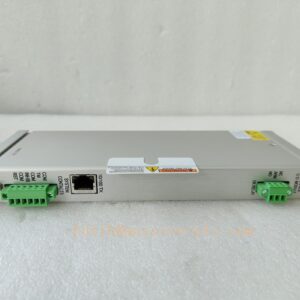
GE PACSystems RXi 04240FD11234A Distributed I/O Controller for Mark VIe Turbine & Industrial Control Systems
Core Product Overview
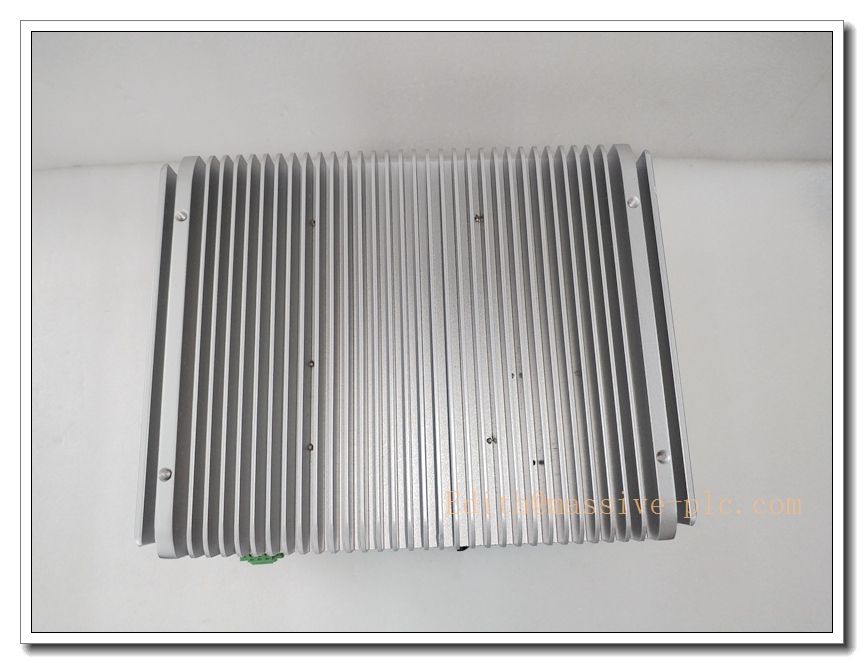
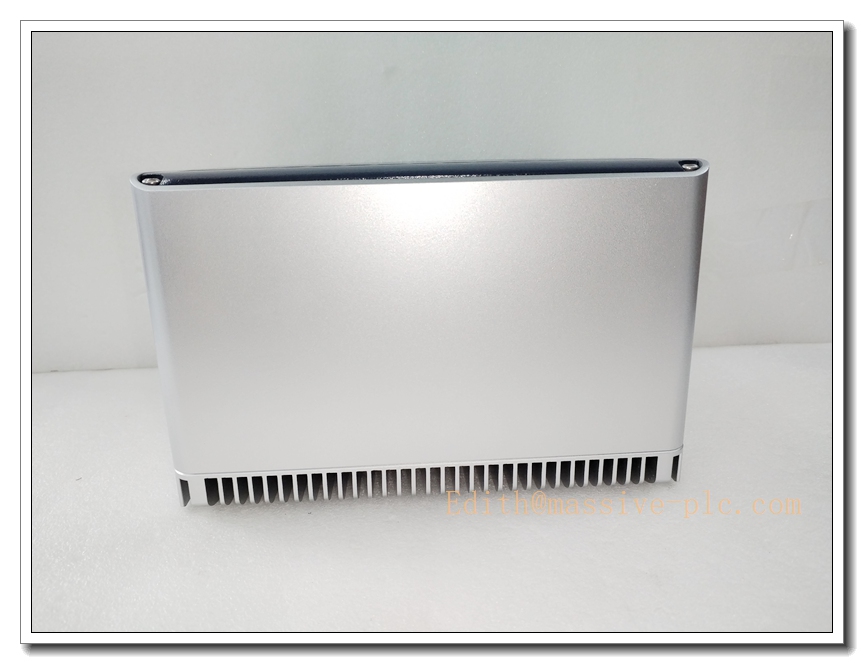
The 04240FD11234A is a high-performance distributed I/O controller within GE Intelligent Platforms PACSystems RXi family, designed for the Mark VIe gas/steam turbine control platform and critical industrial automation. It acts as a remote field control node, offloading I/O acquisition, local logic processing and fieldbus communication from the main controller. The unit integrates multi-protocol industrial Ethernet and serial interfaces, supporting modular I/O expansion for scattered field sensors and actuators. Built for power generation and heavy-duty process control, this controller delivers real-time deterministic control, built-in diagnostic logging and flexible distributed architecture. It is widely stocked as surplus and replacement spare for legacy GE turbine control systems.
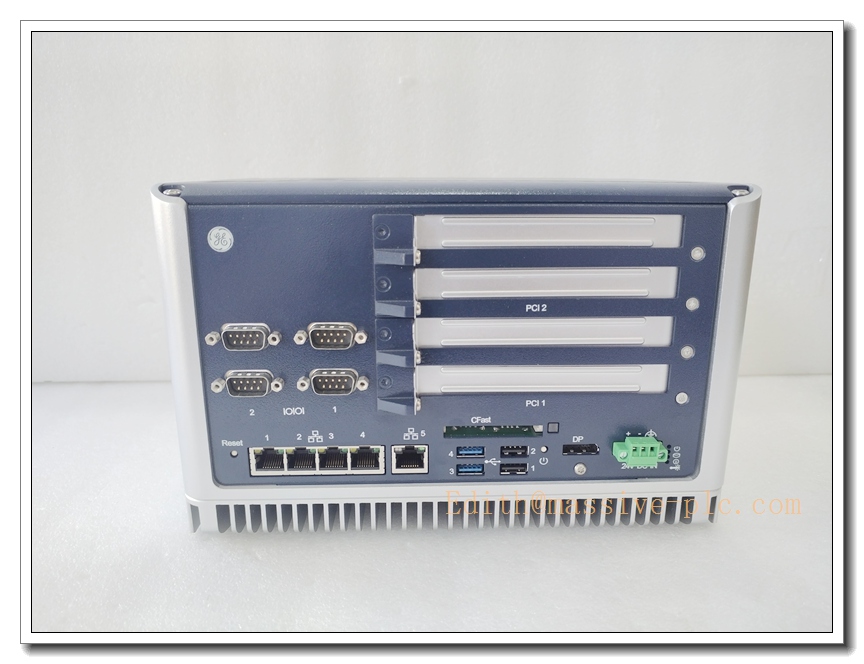
04240FD11234A
Main Technical Specifications
- Part Number: 04240FD11234A
- Manufacturer: GE Intelligent Platforms
- Product Family: PACSystems RXi Series, Mark VIe Compatible
- Device Type: Distributed I/O Controller / Remote Coprocessor
- Processor: Industrial dual-core CPU
- Memory: 8 MB Flash, 2 MB RAM
- Power Supply: 24VDC (±10%) / 120VAC (±15%), dual redundant power input
- Max Operating Current: ≤2A @ 24VDC
- Communication Interfaces: Gigabit PROFINET (MRP ring redundancy), Ethernet/IP, Profibus DP, RS485
- Supported Protocols: Modbus RTU/TCP, PROFINET, Profibus DP
- Operating Temperature: -40°C ~ +70°C
- Humidity: 5% to 95% non-condensing
- Mounting: DIN rail or panel mount, industrial compact enclosure
- Dimensions: 178 mm × 102 mm × 63 mm (W × H × D)
- Certifications: CE, UL, CSA, IEC 61131-2
- Status: Mature legacy product, OEM production discontinued; available as surplus, tested refurbished units
Same-Series Model Recommendations (8 Models)
- 04220FL11232A: RXi basic distributed I/O controller, entry-level variant without gigabit PROFINET
- 04240FD11234A: Standard high-performance RXi controller (subject model)
- 04240FD11235A: RXi upgraded version with extended temperature rating and extra digital I/O
- 04240GD11236A: RXi safety-rated controller for SIL-capable turbine protection
- 04210FC11231A: Compact low-power RXi remote I/O node for cabinet space-limited sites
- 04250HD11240A: RXi rack-mounted multi-channel controller for large Mark VIe turbine banks
- 04240FD11230A: Early revision RXi controller, older firmware, limited MRP support
- 04260JD11245A: Next-generation RXi controller with native Ethernet redundancy and larger storage
Professional Quality Control & Testing Standard Operating Procedures
All surplus and refurbished 04240FD11234A controllers follow this inspection workflow:
- Visual & Enclosure Inspection: Check enclosure, terminal blocks, PCB boards, connectors for scratches, corrosion, burn marks or cracked components; verify part marking and label integrity.
- Power Supply Bench Test: Apply dual AC/DC rated input, validate stable internal voltage rails, test overvoltage and reverse polarity protection.
- Boot & Firmware Verification: Power on to confirm normal boot sequence, no critical fault codes, read and verify firmware revision.
- Communication Port Functional Test: Test Gigabit Ethernet, Profibus DP and RS485 interfaces with protocol simulators; validate MRP ring redundancy switching.
- I/O Logic & Diagnostic Test: Simulate digital/analog signal inputs, verify local logic execution, event logging and fault diagnostic reporting.
- Memory & Storage Check: Verify Flash and RAM integrity, eliminate bad memory sectors.
- Thermal Cycling Screening: Operate unit at elevated cabinet temperature to expose intermittent connection or component drift faults.
- Final Cleaning & Packaging: Clean PCB and enclosure contacts, apply ESD protection, pack with test report and inspection record.
New / Refurbished Controller Installation Guidelines
- Pre-Installation Safety: Execute lockout-tagout procedures; isolate all control power and field sensor wiring to prevent surge damage to communication ports.
- Site and Mounting Check: Select a dust-free, low-vibration control cabinet; avoid direct heat radiation from power components. Confirm DIN rail or panel mounting space and clearance for ventilation.
- Mechanical Mounting: Secure the controller firmly on DIN rail or mounting bracket; avoid over-tightening fasteners that deform the enclosure.
- Field Wiring: Wire redundant power supply, fieldbus cables and I/O signal terminals separately; segregate high-power cables from low-level communication lines to reduce EMI. Torque terminals per GE specification.
- Configuration: Set IP address, PROFINET device name, Modbus node address and I/O mapping via GE programming software; enable MRP ring redundancy if required.
- Pre-Commissioning Test: Power on without connecting field I/O first, confirm no hardware faults. Connect field devices and verify signal acquisition and communication with main Mark VIe controller.
- System Commissioning: Run loop tests for analog and digital points, validate fault alarm reporting, and backup the configured project file.
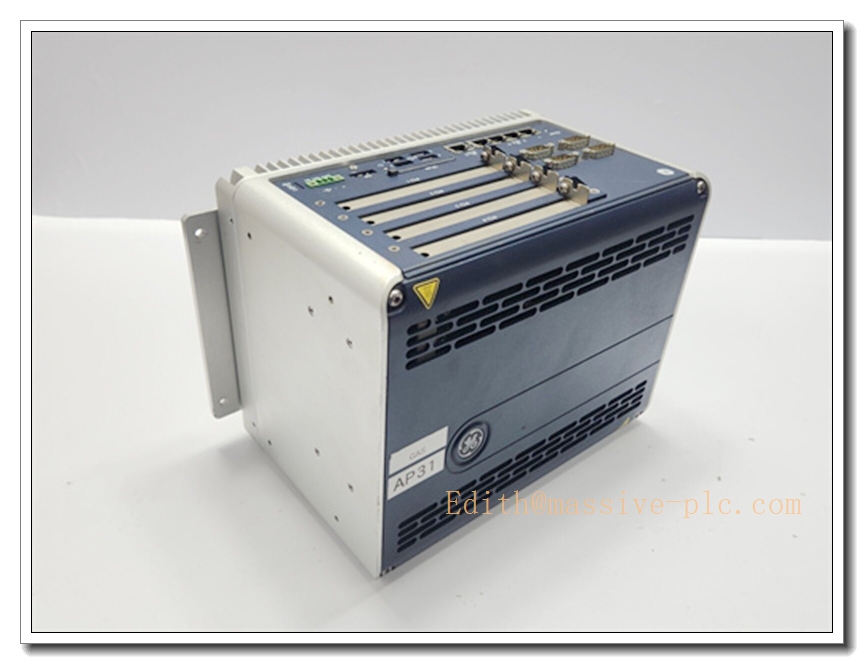
04240FD11234A
Application Scenarios & Product Features
Typical Application Scenarios
- GE Mark VIe gas and steam turbine control systems for power generation plants
- Distributed I/O acquisition and local control for BOP auxiliary equipment in power stations
- Heavy-duty oil & gas compressor and burner control systems
- Petrochemical process critical control and safety interlock systems
- Retrofit and spare replacement for legacy PACSystems RXi distributed control networks
- Large industrial boiler, fan and pump high-reliability automation
Core Product Features
- Distributed field I/O coprocessor to reduce main controller scan load
- Dual redundant power input for uninterrupted control operation
- Multi-protocol industrial communication with PROFINET MRP ring redundancy
- Deterministic real-time logic execution for high-speed turbine and process control
- Built-in event logging and comprehensive self-diagnostics for predictive maintenance
- Rugged wide-temperature industrial design for harsh power plant environments
- Native compatibility with GE Mark VIe turbine control ecosystem, plug-compatible spare replacement
Frequently Asked Questions (FAQ)
Q1: What is the function of the 04240FD11234A in Mark VIe systems? A1: It is a remote distributed I/O controller. It sits in the field cabinet, collects sensor signals, drives actuators, runs local logic, and exchanges data with the central Mark VIe main controller via industrial fieldbus.
Q2: Is the 04240FD11234A still in original GE production? A2: No. This RXi controller is obsolete. Available stock consists of surplus used or professionally refurbished and bench-tested units.
Q3: Can this controller be programmed with standard PACSystems software? A3: Yes. It uses GE Proficy Machine Edition for programming, I/O configuration and firmware updates.
Q4: What are common failure modes of this unit? A4: Common faults include power supply capacitor ageing, ESD damage to Ethernet transceivers, flash memory sector degradation, corrosion of terminal connectors, and firmware corruption after abnormal power loss.
Q5: Can it be hot-swapped while the Mark VIe control network remains energized? A5: Hot swap is not recommended. While the fieldbus may tolerate short disconnection, loss of redundant power and uncontrolled I/O state changes can trigger process trips. Isolate power before replacement.

 Start Chat