Description
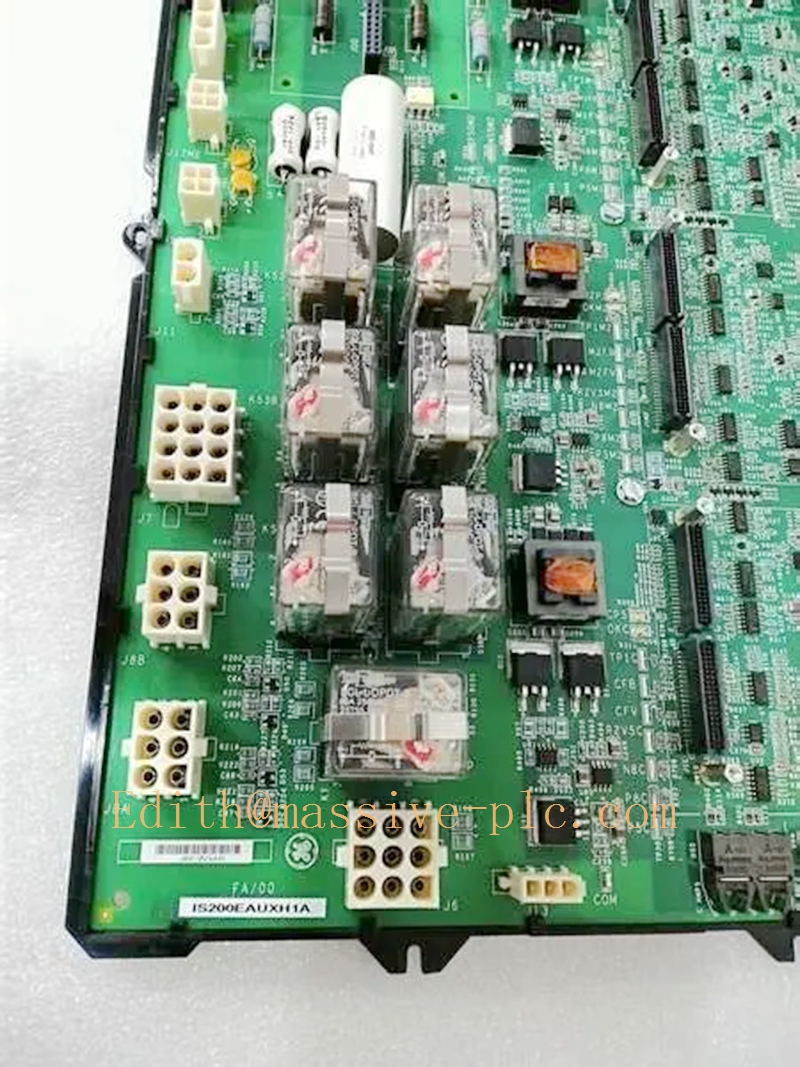
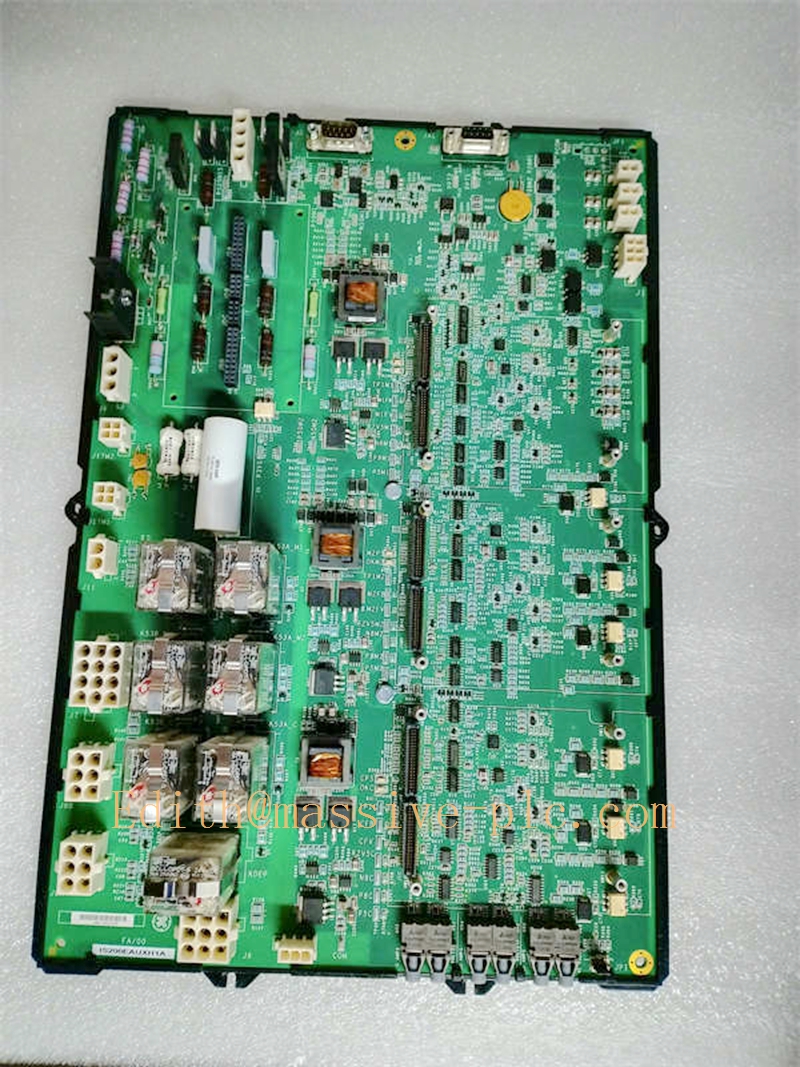
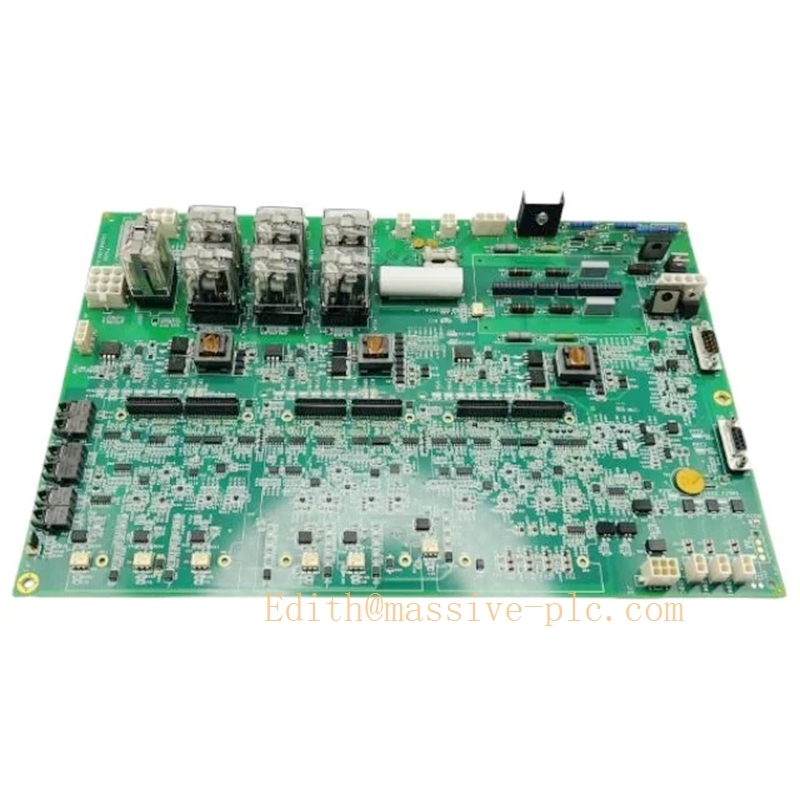
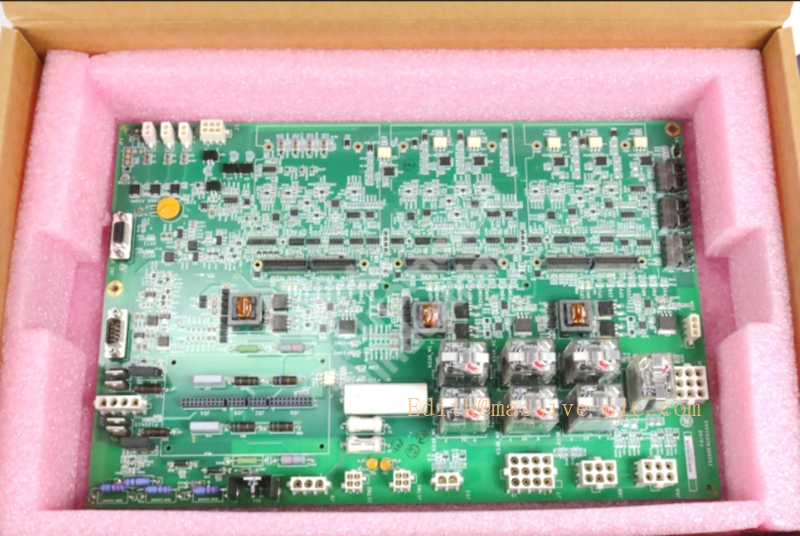
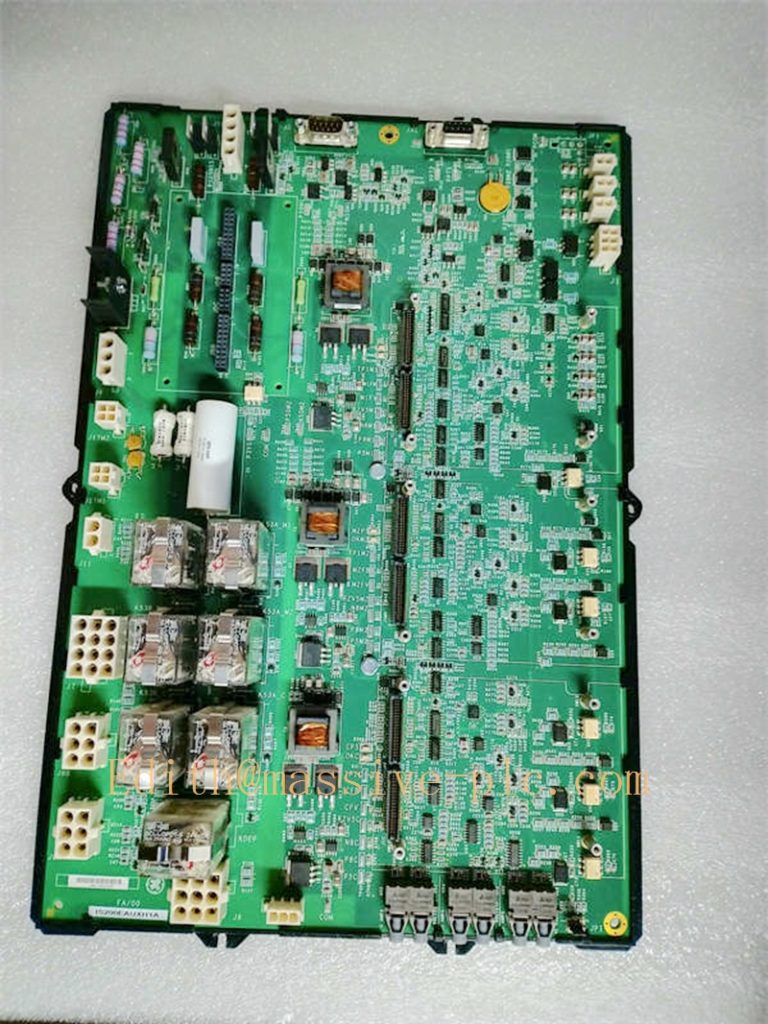
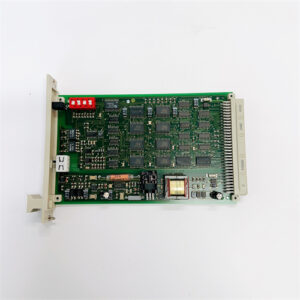
GE IS200EAUXH1ABB EX2100e Exciter Auxiliary I/O Board
IS200EAUXH1ABB
Product Overview
IS200EAUXH1ABB is a TMR‑based auxiliary I/O interface board for GE EX2100e excitation control system under Speedtronic Mark VIe platform. It serves as signal conditioning and relay‑interface hardware for generator excitation control, handling exciter auxiliary status signals, contactor drive outputs and field contact feedback. It communicates with UCSx main controllers via high‑speed HSSL link, and is widely used for original assembly, spare‑part replacement and retrofit of gas‑turbine / steam‑turbine generator excitation cabinets. This part is factory‑obsolete and only available as aftermarket spare modules。
Key Specifications
| Item | Parameter |
|---|---|
| Part Number | IS200EAUXH1ABB |
| Manufacturer | GE General Electric |
| Product Family | EX2100e Excitation Control, Speedtronic Mark VIe |
| Architecture | TMR Triple Modular Redundant (M1‑M2‑C triple channel) |
| Communication Interface | HSSL high‑speed serial link to UCSx controller |
| Digital Inputs | 3 contact‑feedback inputs, wetting voltage 125 VDC |
| Drive Output | 41 VDC exciter contactor drive outputs with onboard relays |
| Backplane | Mark VIe standard rack backplane mounting |
| Power Supply | 24 VDC system backplane power |
| Operating Temperature | 0 °C ~ +60 °C |
| Storage Temperature | ‑40 °C ~ +85 °C |
| Humidity | 5‑95 % RH, non‑condensing |
| Weight | Approx. 3.0 kg |
| Status | Original production discontinued, aftermarket spare only |
Main Applications
- Generator excitation control for gas turbine and steam turbine power units
- EX2100e excitation system cabinet signal interface and contactor driving
- Thermal power plant, combined‑cycle power station generator control system
- Petrochemical on‑site self‑power generation unit excitation supervision
- Spare‑parts replacement and modernization retrofit for legacy Mark VIe / EX2100e installations
- Heavy‑duty industrial generator excitation safety interlock loop
Related Series Models
- IS200EAUXH1ABB TMR Auxiliary I/O Board for EX2100e
- IS200EAUXH1A Base hardware variant without ABB suffix revision
- IS200EXCIH1A EX2100e exciter control core board
- IS200UCSCH1A UCSx main controller for Mark VIe platform
IS200EAUXH1ABB
Core Features
- TMR triple‑modular‑redundant architecture: Three independent signal processing channels implement voting logic; single‑channel fault will not interrupt excitation control, improving system availability for power‑generation safety loops.
- Integrated relay drive circuit: On‑board power relays directly drive exciter contactors with 41 VDC output, simplifying external intermediate‑relay wiring.
- High‑speed HSSL digital communication: Reliable high‑speed serial bus exchanges status and command data with UCSx main controller, resisting industrial cabinet electromagnetic interference.
- Contact‑feedback signal conditioning: Processes 125 VDC wet‑contact field status signals, filters interference and sends validated feedback to main control unit.
- Rack‑mount plug‑in design: Standard Mark VIe slot installation, convenient for on‑site module swap during maintenance.
- Full‑channel fault diagnostics: Detects internal board failure, relay abnormality and open‑circuit feedback; uploads fault alarms to Mark VIe HMI for troubleshooting.
Main Functions
- Receive excitation‑system control commands from UCSx main controller via HSSL bus, drive exciter‑related contactors through on‑board relay outputs.
- Acquire and condition contact‑closure feedback signals from field exciter devices, transfer validated status data to the main processor.
- Provide auxiliary signal interface for EX2100e excitation unit, complete peripheral hardware coordination for generator excitation regulation sequence.
- Perform TMR channel voting for input and output signals; report channel mismatch and hardware faults to the control system.
- Support excitation‑sequence interlock logic, cooperate with core exciter control board to realize generator build‑up, voltage regulation and trip‑condition processing.
- Record board‑level diagnostic status and fault events for system maintenance and post‑failure analysis.

 Start Chat