
Description
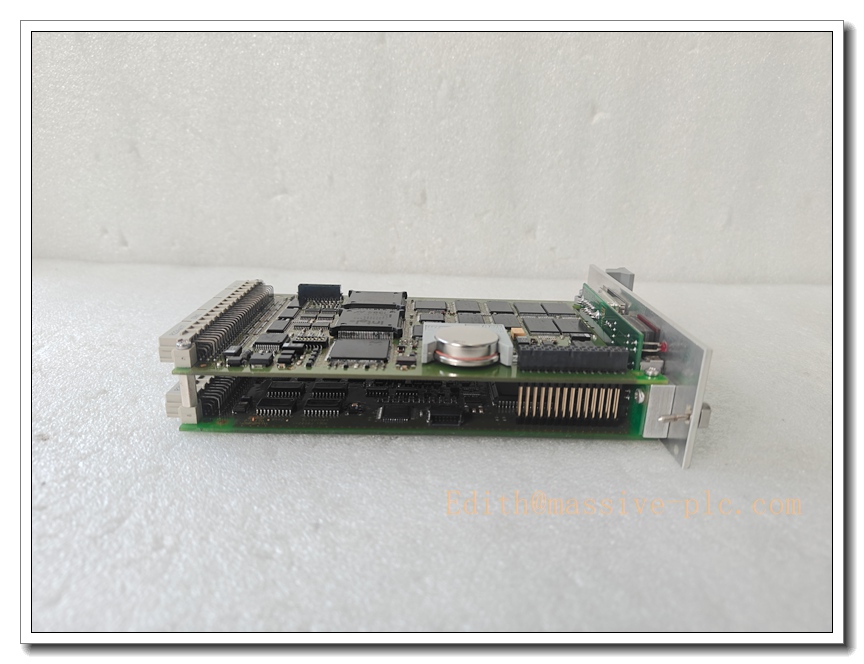
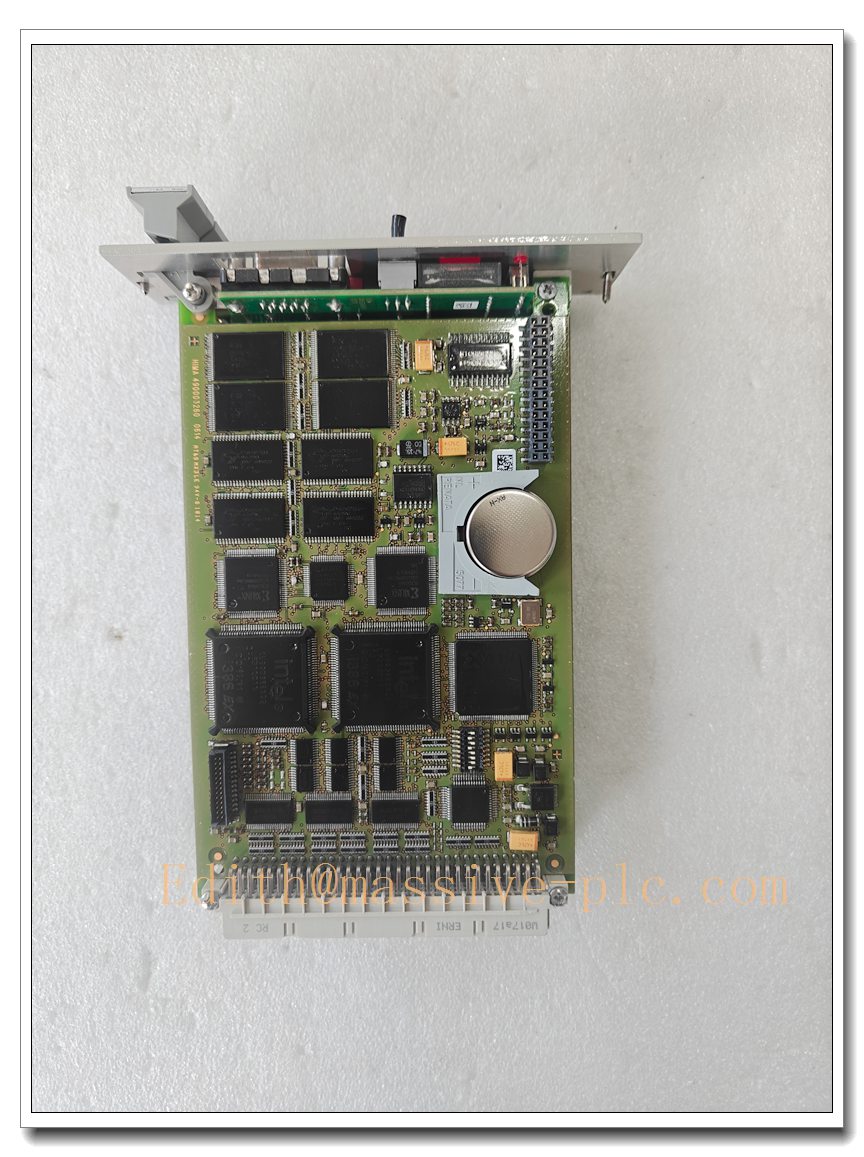
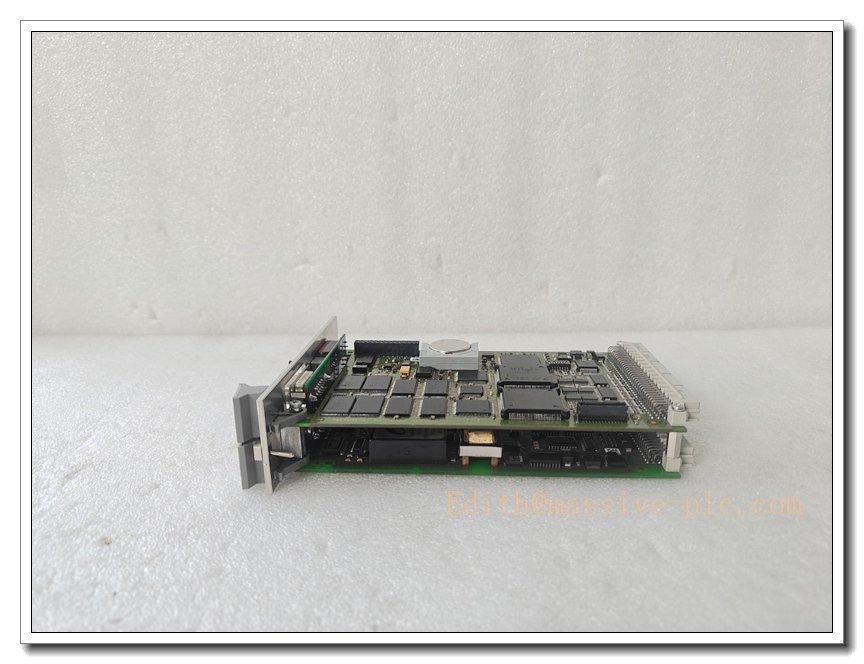
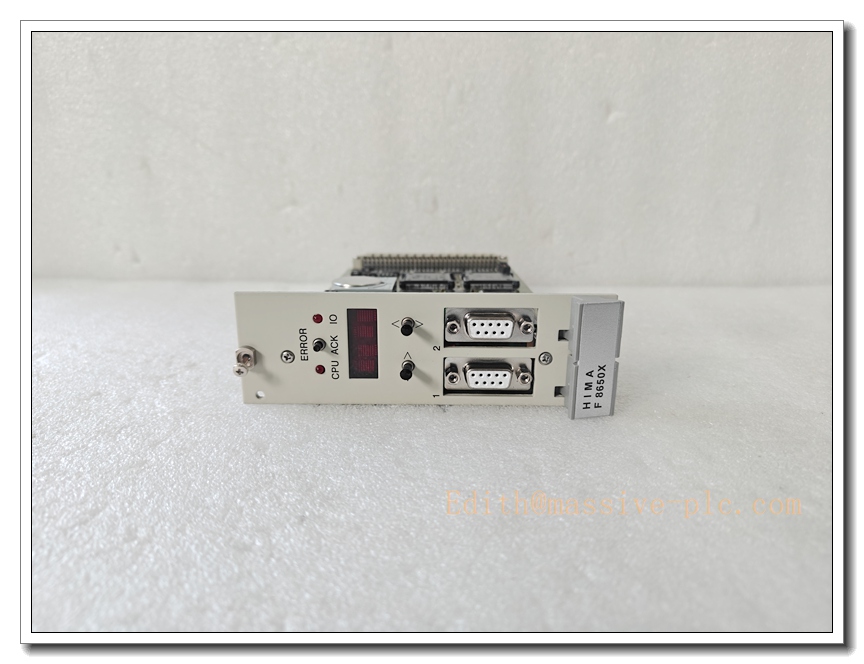
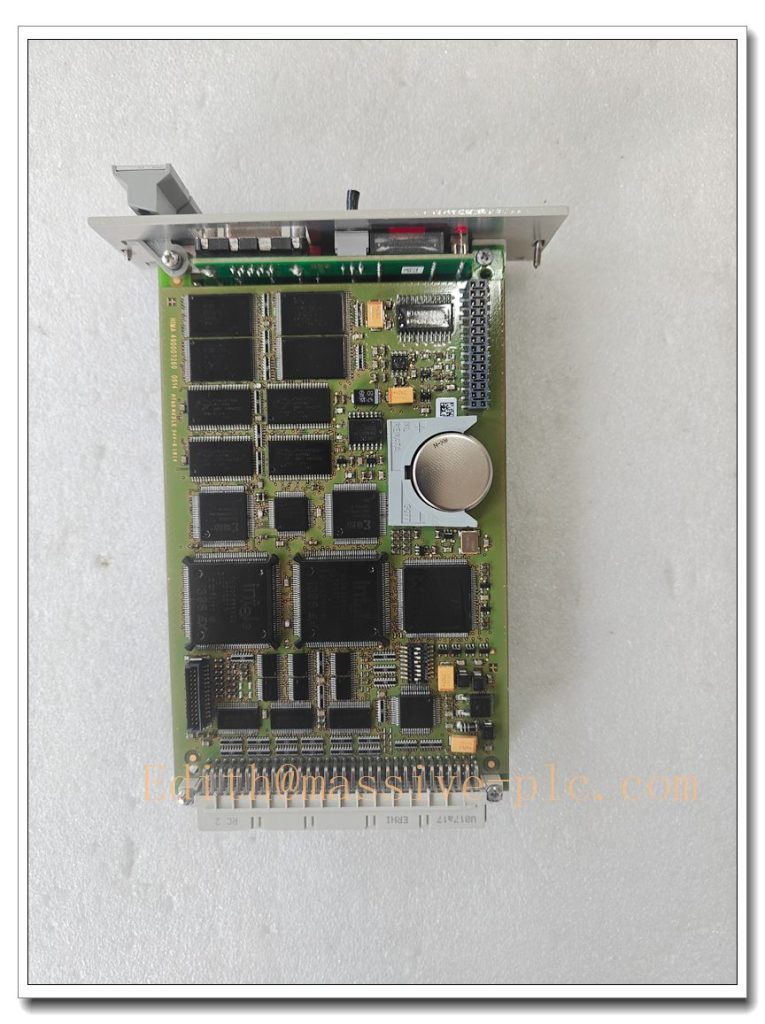
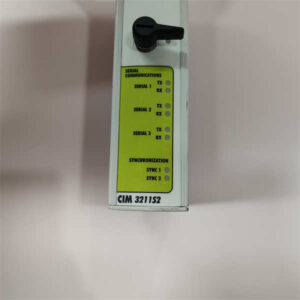
HIMA F8650X (Item No.984865065) HIMax Safety Central Processor Module
Core Product Overview
F8650X 984865065 is the main safety CPU of HIMA HIMax safety instrumented system (SIS). It adopts 1oo2D dual synchronous processor architecture, two processors execute the safety logic simultaneously and continuously compare results. If a discrepancy is detected, the system will transition to a predefined safe state. It manages HIMax backplane bus, SafeEthernet safety communication, I/O diagnostics and redundant synchronization. Engineering software is SILworX. Widely used in ESD, FGS, BMS for oil & gas, chemical, LNG and power plants. This is a mature HIMax generation; it is not the HIQuad X F-CPU01 or the older H41q/H51q F8650E.
Main Technical Specifications
- Part Number: F8650X, HIMA Item No. 984865065
- Manufacturer: HIMA Paul Hildebrandt (Germany)
- Device Type: HIMax Safety Central Processor (F-CPU)
- Safety Certification: TÜV, SIL 3 (IEC 61508 / IEC 61511)
- Architecture: 1oo2D, dual-core lockstep, continuous cross-comparison and self-diagnostics
- Engineering Tool: SILworX
- Safety Communication: SafeEthernet, HIMax redundant backplane bus
- Power Supply: 24 VDC backplane power
- Cooling: Passive cooling, depends on rack forced air flow
- Operating Temperature: -20°C ~ +60°C
- Humidity: 10%–95% non-condensing
- Form Factor: Eurocard plug-in rack module for HIMax chassis
- Status: HIMax platform is mature; F8650X is still supported, some batches are end-of-production. Spare stock available as new surplus or professionally refurbished bench-tested units.
F8650X 984865065
Same-Series Model Recommendations (8 Models)
- F8650X 984865065: HIMax main safety CPU (subject model)
- F8627X: HIMax communication co-processor module
- F8651X: HIMax redundant power supply module
- F8650E: Legacy H41q/H51q SIL3 CPU (obsolete)
- F-CPU01: HIQuad X new generation safety CPU
- F35 011: HIMatrix compact standalone SIL3 controller
- F60 CPU01: HIMatrix modular safety CPU
- F8652E: H41q/H51q redundant processor variant
Professional Quality Control & Testing Standard Operating Procedures
All surplus and refurbished F8650X 984865065 modules follow this inspection workflow:
- Visual Inspection: Inspect PCB, VME-style edge fingers, front panel status LEDs, capacitors and solder joints; verify part number, item code 984865065 and TÜV safety label.
- Backplane Power Bench Test: Install in HIMax compatible backplane, apply 24VDC, verify stable power rails, no overcurrent or cycling.
- Boot & Firmware Validation: Complete POST self-test, read firmware revision, confirm no permanent hardware fault codes.
- 1oo2D Dual Processor Cross-Check Test: Simulate internal fault conditions to validate mismatch detection and safe-state response.
- SafeEthernet & Backplane Bus Test: Connect with HIMax safety I/O modules, verify safety telegram transmission and fault reporting.
- Safety Logic Function Test: Download SILworX test safety project, run deterministic scan cycle, validate trip and interlock behaviour.
- Thermal Soak Test: Run module at elevated cabinet temperature to expose intermittent memory, timing or connector faults.
- Final Cleaning & Packaging: Clean edge contacts, reset configuration, ESD packaging with printed test certificate.
New / Refurbished Module Installation Guidelines
- Pre-Installation Safety: Execute lockout-tagout; isolate HIMax rack 24V supply and all field safety circuits to prevent spurious safety trips.
- Rack & Backplane Check: Confirm HIMax dedicated backplane, protective earth connection, cabinet cooling fan and ventilation clearance.
- Mechanical Insertion: Align the edge connector carefully with the backplane, insert smoothly without force, secure front panel screws.
- Network & I/O Wiring: Terminate SafeEthernet cables and backplane links; use shielded cables, separate safety signal wiring from high-power cables to reduce EMI.
- System Configuration: Use SILworX to configure hardware, assign safety addresses, compile safety application and generate safety CRC signature.
- Pre-Commissioning Functional Test: Power rack offline; test self-diagnostics, wire-break detection, communication loss response and safe trip action.
- Safety Acceptance Test: Perform site fault injection test, verify redundant CPU bumpless takeover, archive SILworX project and safety signature for audit.
Application Scenarios & Product Features
Typical Application Scenarios
- Emergency Shutdown System (ESD) for refinery, chemical, offshore platform and LNG facilities
- Fire and Gas System (FGS) for flame and toxic/hydrocarbon gas interlock
- Burner Management System (BMS) for gas turbines and industrial boilers
- Compressor and process train safety protection
- Power plant critical auxiliary safety interlocks
- Spare replacement and retrofit for existing HIMax SIS racks
Core Product Features
- TÜV-certified 1oo2D lockstep dual processor for SIL3 safety
- Deterministic safety scan, continuous cross-comparison of dual calculation results
- Comprehensive self-diagnostics covering CPU core, memory, clock, backplane bus and I/O channels
- SafeEthernet high-integrity safety communication between HIMax nodes
- Supports redundant CPU hot standby for bumpless takeover
- SILworX engineering with tamper-proof safety signature and traceable change record
- Passive cooling, robust EMC design for noisy process cabinets
- Fail-safe design: forces process to predefined safe state upon detected hardware or communication fault
Frequently Asked Questions (FAQ)
A1: belongs to HIMax platform; F8650E is the older H41q/H51q HIQuad legacy CPU. They use different backplanes, different firmware and cannot be cross-replaced directly.
Q2: What is 984865065? A2: 984865065 is HIMA’s internal item code for the processor module.
A3: It is designed for safety SIS logic only. Conventional non-supervisory control normally runs on separate DCS/PLC controllers.
A4: HIMax supports module hot swap hardware-wise, but removing an active will terminate safety execution and trigger a safety trip. Replacement must be carried out with proper bypass and controlled shutdown.
Q5: What are common failure modes? A5: Edge connector pin oxidation, backup RTC battery depletion, aged electrolytic capacitors, SafeEthernet port ESD damage, flash firmware corruption induced by voltage transients.

 Start Chat