
Description
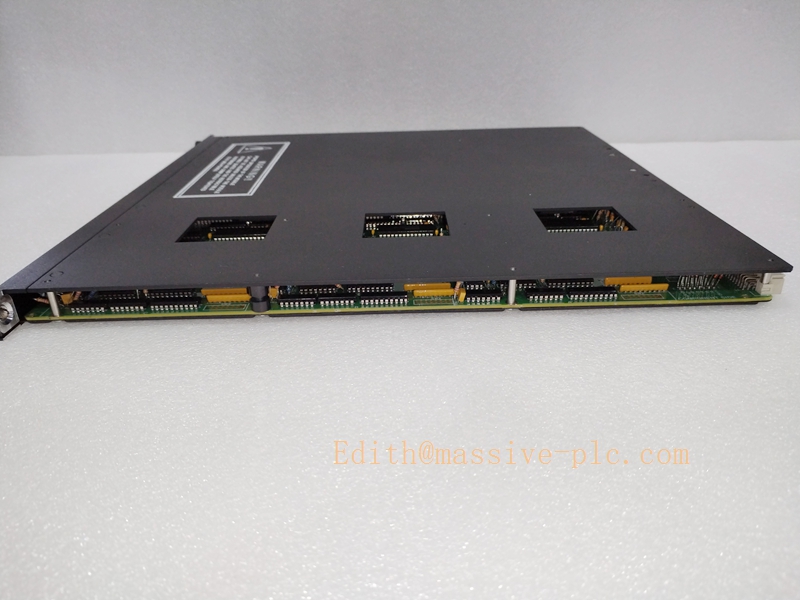
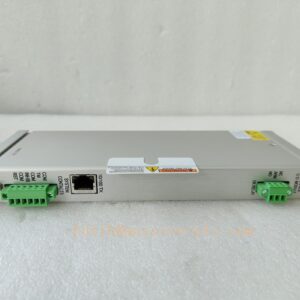
TRICONEX 3511-PI TMR Pulse Input Module Product Introduction
Product Overview
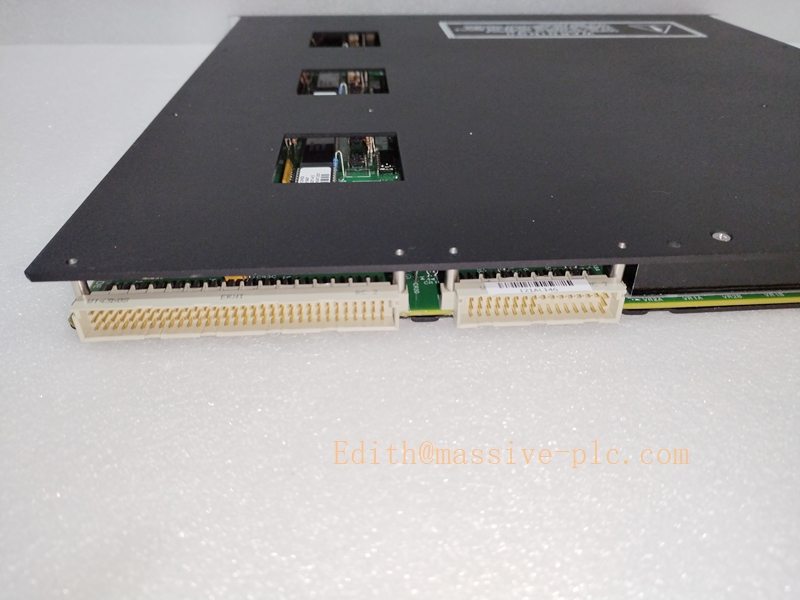
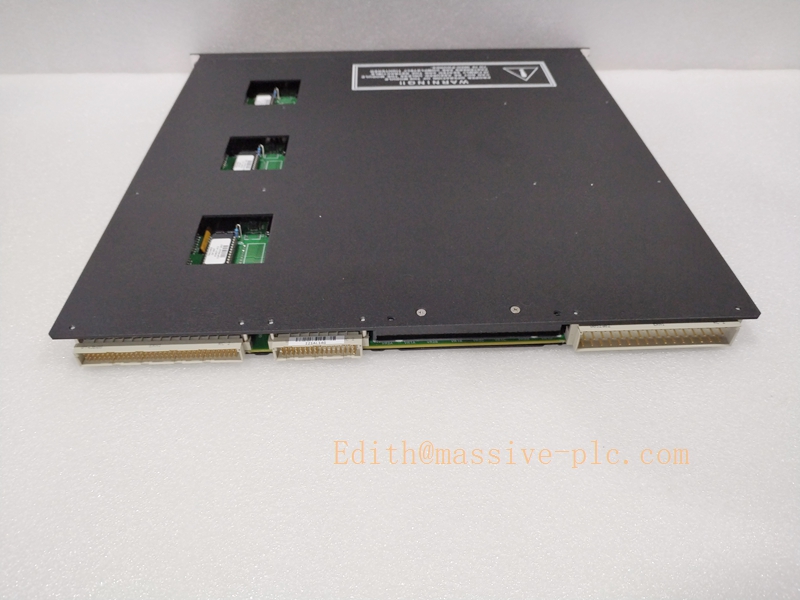
The TRICONEX 3511-PI is a high-precision TMR (Triple Modular Redundancy) Pulse Input Module dedicated for Tricon and Trident Safety Instrumented Systems (SIS). As a professional high-frequency signal acquisition module, it is specially designed for pulse, frequency and RPM speed signal collection of rotating equipment in high-risk industrial scenarios. It accurately captures voltage transition signals from magnetic speed sensors and pulse transmitters, converts physical rotation speed and flow pulse signals into digital data, and uploads to the main processor for real-time monitoring, speed interlock and overspeed protection logic judgment.
Adopting a full triple-modular redundant hardware architecture and standard 2oo3 fault-tolerant voting mechanism, the 3511-PI completely eliminates single-point signal acquisition errors and data loss risks. It features 1μs ultra-high time resolution, 16-bit high-precision conversion, wide frequency range measurement and full-channel self-diagnosis functions. Certified with IEC 61508 SIL 3 functional safety and TÜV safety approval, the module supports online hot-swap and stable long-term operation, widely applied in turbine, compressor, pump and high-speed rotating equipment safety monitoring and interlock protection systems.
TRICONEX 3511
Same-Series Model Classification & Peer Models
The TRICONEX 3511-PI belongs to the Tricon 35xx TMR Special Signal Acquisition Series, positioned as a dedicated high-frequency pulse & speed measurement input module, filling the gap of high-precision rotating equipment signal monitoring in safety systems, with clear differentiated positioning among peer products:
2.1 Product Positioning: 8-channel independent isolated high-speed pulse input module, dedicated to RPM, frequency and pulse count acquisition of rotating machinery, supporting microsecond-level high-precision measurement, exclusive for SIS safety-level speed monitoring and overspeed interlock scenarios.
2.2 Same-Series Typical Peer Models
3625/3625A: TMR digital output modules for switching and pulse output control, opposite signal direction compared with 3511-PI input function.
3481: Analog output module for 4-20mA process regulation, used for continuous parameter adjustment, not applicable for pulse frequency measurement.
3351S2: Universal analog input module for temperature, pressure and liquid level signal collection, lacking high-frequency pulse measurement capability.
3503E: Standard digital input module for switch signal acquisition, unable to identify high-frequency pulse and speed signals.
2.3 System Compatibility: Fully compatible with classic Tricon racks, Trident systems, CX/EX series safety systems, perfectly matched with 3008 main processor module, supporting full-version TriStation 1131 configuration, programming and online debugging, plug-and-play replacement for old system pulse acquisition modules.
Core Technical Specifications & Product Specifications
| Parameter Item | Technical Specifications |
| Product Model | 3511-PI TMR Pulse Input Module |
| Safety Architecture | Full Triple Modular Redundancy (TMR), 2oo3 fault-tolerant voting logic |
| Input Channel | 8 independent non-commoned isolated pulse input channels |
| Core Measurement Function | Pulse counting, frequency calculation, RPM rotational speed measurement |
| Time Resolution | 1 microsecond (1μs) ultra-high precision timing resolution |
| Conversion Resolution | 16-bit high-precision digital conversion |
| Measurement Accuracy | ±0.01% FS (1000Hz ~ 20000Hz frequency range) |
| Frequency Range | 0Hz ~ 20kHz wide high-frequency measurement range |
| Data Update Rate | 25ms fast cycle data update |
| Input Signal Type | Magnetic sensor voltage pulse signal, passive pulse signal |
| Diagnostic Function | Channel open circuit, signal loss, abnormal frequency, module self-check diagnosis |
| Safety Certification | IEC 61508 SIL 3, TÜV Functional Safety Certified |
| Hot-Swap Function | Support online hot-swap replacement, zero downtime maintenance |
| Isolation Performance | Channel-to-bus electrical isolation, AC coupling anti-interference design |
| Working Voltage | 10.5VDC ~ 30VDC industrial wide voltage power supply |
| Operating Temperature | -40℃ ~ +70℃ ultra-wide industrial temperature range |
| Working Humidity | 5%~95% RH, non-condensing |
| Industrial Grade | G3 harsh environment grade, enhanced EMC anti-interference design |
TRICONEX 3511
Core Product Features
4.1 TMR Triple Redundant Fault-Tolerant Acquisition
The 3511-PI adopts three fully independent synchronous signal acquisition and processing channels, executing real-time 2oo3 voting logic for all pulse and speed data. When a single channel suffers signal distortion, circuit failure or electromagnetic interference, the system automatically isolates the faulty channel and retains accurate data from redundant channels. This fault-tolerant design eliminates single-point data acquisition errors, ensuring that rotating speed and pulse data are 100% reliable for safety interlock judgment, fully complying with SIL3 high-level safety standards.
4.2 Microsecond-Level Ultra-High Precision Measurement
Equipped with 1μs ultra-high time resolution and 16-bit high-precision conversion chip, the module achieves ±0.01% ultra-low error measurement in 1kHz–20kHz high-frequency range. It accurately captures tiny voltage transitions of magnetic sensors, precisely calculates pulse count, real-time frequency and equipment RPM. The 25ms fast data update cycle ensures real-time and sensitive tracking of rotating equipment speed changes, avoiding protection lag or misjudgment caused by data delay.
4.3 Wide-Frequency & Multi-Scenario Adaptation
Supporting 0–20kHz ultra-wide frequency measurement range, the 3511-PI adapts to low-speed to high-speed rotating equipment monitoring demands. It is compatible with passive magnetic speed sensors commonly used in industrial turbines, compressors and large pumps, with built-in AC coupling and balanced differential input design. It effectively filters on-site low-frequency interference and signal noise, maintaining stable and accurate signal acquisition in complex electromagnetic environments.
4.4 Independent Isolated 8-Channel High-Density Acquisition
Designed with 8 completely independent non-commoned input channels, each channel supports separate signal acquisition and isolated processing without crosstalk interference. The high-density channel design saves SIS rack slot resources and system integration costs, enabling simultaneous multi-point speed monitoring of multiple rotating equipment. The independent channel structure ensures that single-channel signal failure will not affect the normal operation of other channels, improving system overall stability.
4.5 Full-Coverage Intelligent Fault Diagnosis
The module integrates comprehensive real-time self-diagnosis functions, which can accurately identify common faults such as field sensor damage, signal line open circuit, pulse signal loss and abnormal frequency deviation. It automatically generates standard fault codes and detailed event logs, supports local indicator alarm and upper computer remote query. It helps operation and maintenance personnel quickly locate sensor faults, wiring abnormalities and signal anomalies, greatly improving equipment troubleshooting efficiency.
4.6 Zero-Downtime Online Hot-Swap Maintenance
Retaining the series-standard online hot-swap function, the 3511-PI can be inspected, maintained and replaced during normal SIS system and production operation without rack shutdown or safety monitoring interruption. The TMR redundant architecture ensures continuous and accurate data acquisition during module replacement, realizing 24/7 uninterrupted safety monitoring of rotating equipment and zero maintenance downtime loss.
4.7 Excellent Harsh Environment Adaptability & Compatibility
Adopting industrial-grade anti-aging components and enhanced EMC electromagnetic compatibility design, the module resists strong electromagnetic interference, mechanical vibration, high temperature and humidity erosion. It operates stably in -40℃ to +70℃ ultra-wide temperature range and high-humidity non-condensing environment, adapting to harsh working conditions of petrochemical, thermal power and energy industries. It supports plug-and-play replacement and one-click configuration debugging, with low upgrade and maintenance costs.
Industrial Application Scenarios
The TRICONEX 3511-PI high-precision TMR pulse input module is widely used in SIL3-level high-risk industrial rotating equipment safety monitoring systems, covering petrochemical, thermal power, natural gas, coal chemical and energy industries. It is the core signal acquisition unit for high-speed rotating machinery safety interlock protection.
Specific application scenarios include: real-time RPM speed monitoring and overspeed interlock protection of steam turbines, gas turbines and large compressors; pulse signal acquisition and flow cumulative calculation of pulse-type flow meters; operating speed tracking and abnormal state alarm of industrial large pumps and fans; frequency signal collection and dynamic parameter monitoring of rotating equipment. It provides accurate and reliable data basis for equipment overspeed trip, low-speed protection and abnormal shutdown interlock, ensuring safe and stable operation of high-risk rotating equipment.
Standard Installation Guidelines
6.1 Pre-Installation Preparation
Before installation, verify the 3511-PI module model and system configuration matching, check the circuit board for damage, pin oxidation and accessory integrity. Completely cut off the rack auxiliary power supply, ensure the installation environment is dust-free, dry and vibration-isolated, and use professional anti-static tools to avoid static damage to high-precision pulse acquisition circuits. Prepare shielded twisted-pair cables for pulse signal wiring to ensure anti-interference transmission of high-frequency signals.
6.2 Rack Installation Steps
Adopt standard Tricon/Trident rack plug-in installation. Align the module with the rack slot guide rail, push it horizontally and smoothly into the slot until it is closely fitted with the backplane bus, and tighten the fixing screws on both sides of the module to prevent poor contact caused by equipment vibration. Ensure the module is fully inserted in place without offset or virtual connection to guarantee stable bus data interaction and normal operation of TMR redundant acquisition channels.
6.3 On-Site Wiring Specification
Use dedicated shielded twisted-pair cables for pulse signal wiring, strictly separate high-frequency signal lines from power lines to avoid electromagnetic crosstalk and signal distortion. Standardize independent wiring for each channel, ensure firm terminals without bare wire exposure or virtual connection, and mark channels and corresponding equipment uniformly. Complete line continuity test and insulation test after wiring to eliminate open circuit, short circuit and poor contact hidden dangers.
6.4 Post-Installation Debugging
After installation and wiring, power on the rack slowly, observe the module indicator status, and connect TriStation 1131 software for online debugging. Configure pulse measurement range and speed calculation parameters, test pulse signal acquisition, frequency conversion and RPM measurement accuracy, verify the effectiveness of signal loss and fault diagnosis functions, and confirm real-time and stable data upload of each channel.
Daily Maintenance & Fault Maintenance Guidelines
7.1 Daily Routine Maintenance
Regularly check the module operating status, indicator lights and rack temperature and humidity to ensure operation within the standard environmental range. Regularly clean the module surface and rack internal dust to avoid affecting high-frequency signal acquisition accuracy and circuit heat dissipation. Inspect wiring firmness and shielding grounding status to prevent signal interference and data deviation. Regularly back up system configuration parameters and equipment operation logs to ensure data traceability.
7.2 Common Fault Diagnosis & Maintenance
No Pulse Signal Acquisition: Caused by sensor damage, signal line open circuit or loose terminals. Check the integrity of field magnetic sensors and wiring lines, re-tighten terminals, replace faulty sensors, and reset the module to restore signal acquisition.
Unstable Speed Data Fluctuation: Mostly caused by poor shielding grounding, line interference or abnormal sensor output. Optimize on-site grounding and signal line isolation, eliminate electromagnetic interference, check sensor operating status, and recalibrate measurement parameters.
Signal Loss Alarm: Triggered by discontinuous pulse signal or line virtual connection. Inspect wiring firmness and connector docking status, eliminate virtual connection faults, and confirm stable sensor signal output.
Module Communication & Data Abnormality: Check module insertion status and backplane bus contact, clean slot pins, restart and reset the module; replace the module if internal hardware failure occurs.
7.3 Hot-Swap Replacement Maintenance
For unreparable faulty modules, perform online hot-swap replacement without system and equipment shutdown. Loosen fixing screws, smoothly pull out the faulty 3511-PI module, insert the new module in place and lock tightly. The system automatically completes configuration matching and data synchronization. After replacement, calibrate channel measurement accuracy and test fault diagnosis functions to ensure normal monitoring of rotating equipment.
7.4 Spare Module Storage & Aging Maintenance
Spare 3511-PI modules need to be stored in a constant-temperature, dry, dust-free and anti-static environment to avoid moisture and static damage to high-precision acquisition circuits. For long-term operating modules, regularly check pulse acquisition sensitivity, measurement accuracy and fault diagnosis functions, and replace aging modules in advance to prevent monitoring failure of key rotating equipment.
Common FAQs
8.1 What is the core function of TRICONEX 3511-PI?
The 3511-PI is a dedicated TMR pulse input module for SIS safety systems, mainly used for high-precision acquisition of pulse, frequency and RPM speed signals of industrial rotating equipment such as turbines and compressors. It converts field pulse signals into digital data for safety interlock logic judgment, realizing overspeed protection and abnormal speed monitoring of high-risk equipment.
8.2 What is the advantage of 1μs ultra-high resolution?
The 1 microsecond ultra-high time resolution enables the module to capture extremely tiny pulse voltage transitions, ensuring accurate measurement even for high-speed rotating equipment with fast signal changes. It effectively avoids speed measurement errors and protection misjudgment caused by low resolution, meeting high-precision safety monitoring requirements of key rotating machinery.
8.3 What sensors does the 3511-PI support?
It is perfectly adapted to passive magnetic speed sensors widely used in industrial turbines, compressors and large rotating equipment. It stably collects weak voltage pulse signals output by magnetic sensors, and does not require external power supply for field sensors, featuring simple wiring and strong scene adaptability.
8.4 Can the 3511-PI be hot-swapped online?
Yes. The 3511-PI supports standard online hot-swap function. Module replacement will not cause system shutdown, equipment monitoring interruption or data loss. The TMR redundant architecture ensures continuous and accurate signal acquisition during maintenance, realizing zero-downtime maintenance.
8.5 Why does the measured speed data fluctuate abnormally?
Abnormal data fluctuation is mainly caused by on-site electromagnetic interference, poor shielding grounding, loose signal wiring or aging sensors. It is necessary to optimize grounding treatment, reinforce wiring, replace aging sensors and eliminate external interference to restore stable and accurate measurement data.
8.6 What is the difference between 3511-PI and ordinary DI modules?
Ordinary digital input modules only identify switch on/off status and cannot recognize high-frequency pulse and frequency signals. The 3511-PI is a professional pulse acquisition module with microsecond-level high precision, wide frequency measurement range and dedicated speed calculation function. With TMR redundant safety design and SIL3 certification, it is exclusively used for safety-level rotating equipment speed monitoring scenarios.

 Start Chat