
Description
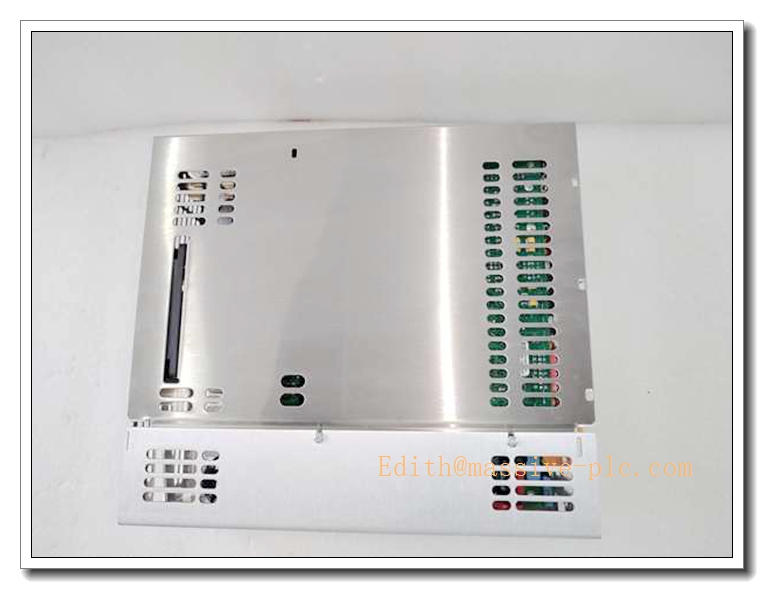
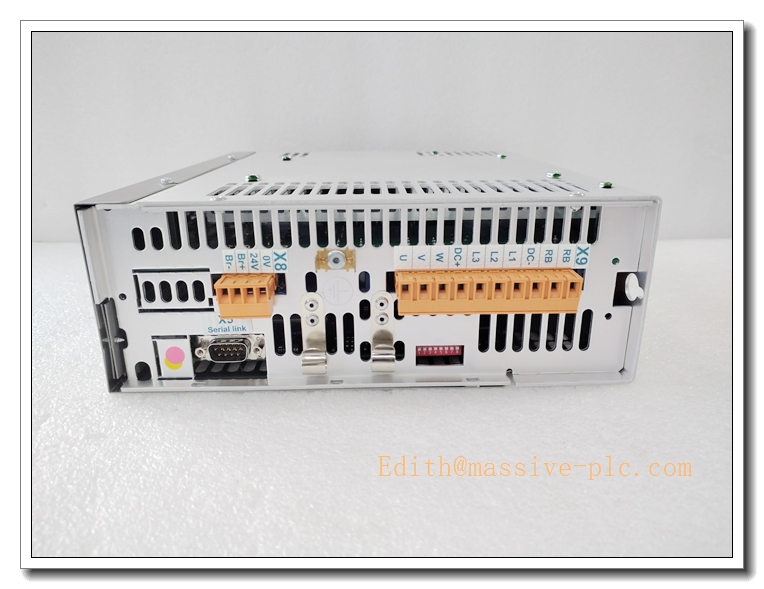
ABB IMCAM07B0000 IMC Series Servo Drive Controller, 7A Motion Control Servo Amplifier, Industrial Automation Motion Spare Part
Product Application
This ABB IMCAM07B0000 is a high-performance servo drive controller for precision motion control, widely used in automated manufacturing for synchronized multi-axis motion.
- Packaging machinery: labeling, filling, form-fill-seal machines
- CNC equipment, engraving and cutting machines
- Automated assembly lines, pick & place stations
- Printing & textile machinery, web tension control
- Robotics, SCARA and small articulated robot axes
- Semiconductor handling equipment and material handling systems
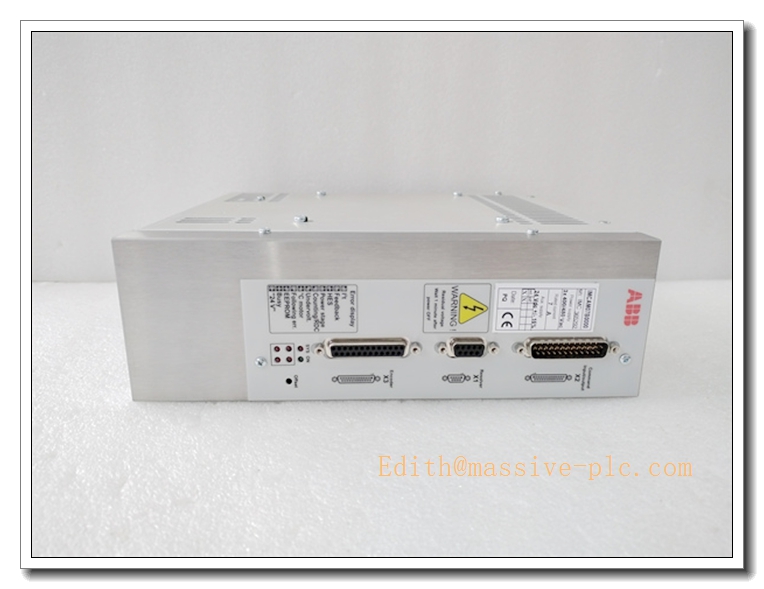
IMCAM07B0000
Specifications
- Part Number: IMCAM07B0000
- Brand: ABB
- Product Type: IMC Series Servo Drive Controller
- Mounting: DIN rail (35mm) or panel mounting
- Dimension: 65 mm W × 200 mm H × 220 mm D
- Weight: Approx. 1.5 kg
- Enclosure: IP20, for cabinet installation
- Condition: Original new / refurbished spare available
- Cooling: Natural convection cooling
- Compliance: CE, IEC 61800 EMC standard
Parameters
- Control power supply: 24 VDC ±20%, 4A continuous, 7A peak
- Main power input: 230V AC single-phase / 400–460V AC three-phase, 50/60Hz
- Output current: 7A continuous, 16.5A peak (2 seconds)
- Switching frequency: 4kHz ~ 16kHz, configurable
- Control modes: Position, velocity, torque, electronic gearing, electronic cam
- Feedback support: Resolver, incremental encoder
- Digital I/O: Built-in configurable digital input & output terminals
- Communication: Modbus RTU, CANopen
- Loop response: 62.5µs current loop, 250µs velocity/position loop
- Operating temperature: -25°C ~ +70°C
- Relative humidity: 5%~95% RH, non-condensing
Key Features
- High-speed 32-bit floating-point DSP for fast closed-loop motion control
- Multiple control modes: position, speed and torque control for flexible machine design
- Built-in auto motor identification and auto-tuning, simplify commissioning
- Support electronic cam and flying shear for synchronized multi-axis applications
- Integrated STO (Safe Torque Off) safety function for machine safety requirements
- SD card slot for parameter backup, firmware upgrade and motion program storage
- EMC filter integrated, strong anti-interference performance for industrial cabinet
- Real-time oscilloscope function via ABB Visual Setup software for troubleshooting
ABB IMC Same Series Models (≥6)
- IMCAM03B0000
- IMCAM05B0000
- IMCAM07B0000
- IMCAM10B0000
- IMCAM15B0000
- IMCAM20B0000
- IMCAM25B0000
Maintenance
- Routine inspection: Check dust accumulation, terminal tightness and fan condition every 6–12 months
- Clean the unit with dry compressed air; never use liquid solvent to clean PCB
- ESD protection is mandatory during disassembly and inspection; wear anti-static wristband
- Fault diagnosis: Use Visual Setup software to read drive fault codes for fast localization
- Do not power on the servo drive if condensation or corrosion is found on terminals
- Repair service: We support function testing, refurbishment and spare replacement for this servo controller
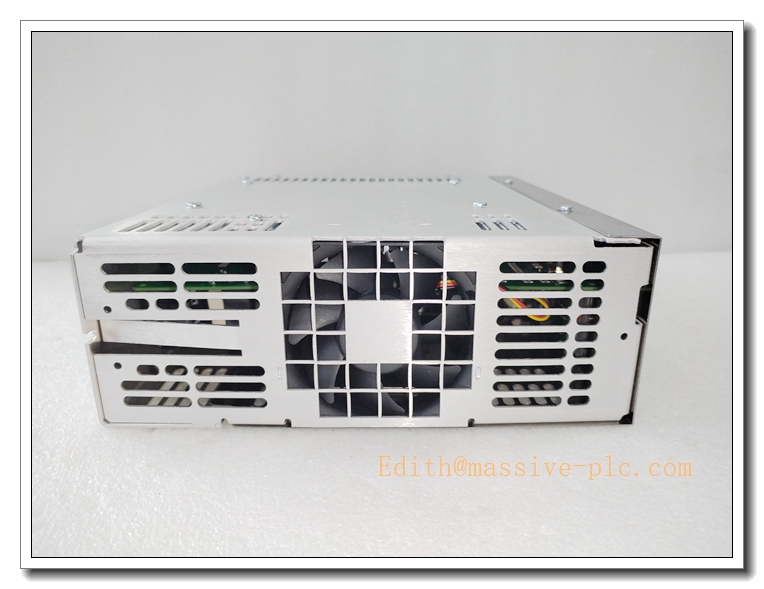
IMCAM07B0000
Installation
- Disconnect all AC main power and 24VDC control power, confirm zero voltage before operation.
- Wear anti-static wristband to prevent electrostatic damage to internal electronic components.
- Mount the drive on DIN rail or cabinet panel, fix the mounting screws securely.
- Wire main power, 24VDC control power, motor cable, encoder cable and digital I/O terminals strictly following ABB wiring diagram.
- Double-check wiring to avoid short circuit, wrong polarity or loose terminals.
- Connect communication cable between drive and controller, complete wiring shielding.
- Power on step by step, perform motor auto-tuning, set motion parameters.
- Run no-load test first, then carry out full-load commissioning and verify all safety functions.

 Start Chat